House Passes Surveillance Program Renewal, Faces Senate Hurdles/ Newslooks/ WASHINGTON/ J. Mansour/ Morning Edition/ The U.S. House approved a three-year extension of a controversial surveillance program, adding oversight but rejecting stricter warrant requirements. The bill now faces uncertainty in the Senate, where lawmakers may push for a short-term extension instead. The debate highlights ongoing tensions between national security priorities and civil liberties protections.
FISA Surveillance Bill Quick Looks
- House passed a three-year extension of the surveillance program
- Vote was 235-191 with bipartisan support
- The bill adds oversight but no warrant requirement
- Critics say it still allows collection of Americans’ communications
- Senate may pursue a short-term extension before the deadline
- Lawmakers remain divided over privacy vs national security
- Separate digital currency provision may complicate Senate approval
- Program set to expire soon without further action
Deep Look
House Approves Surveillance Program Extension
WASHINGTON — The U.S. House of Representatives approved a three-year reauthorization of a controversial federal surveillance program, marking a significant step forward but leaving the legislation’s future uncertain as it moves to the Senate.
The bill passed by a 235-191 vote, with most Republicans and a number of Democrats backing the measure ahead of a looming expiration deadline.
The legislation aims to extend a key provision of the Foreign Intelligence Surveillance Act (FISA), which allows U.S. intelligence agencies to monitor foreign targets without obtaining a warrant.
Debate Centers on Civil Liberties
At the heart of the debate is how the surveillance program affects Americans’ privacy.
Although the law targets foreign individuals, it can incidentally collect communications involving U.S. citizens who interact with those targets.
Critics argue that this effectively allows government agencies to access Americans’ communications without judicial oversight.
Republican Rep. Chip Roy voiced frustration with the current system, saying concerns about national security are often used to justify expanded surveillance powers.
“The intel community always just comes in and says, ‘People will die if you do this,’” Roy said. “Well, I’m sorry. A lot of Americans died to give us and protect that Fourth Amendment right that we don’t have government looking at our stuff.”
No Warrant Requirement Included
One of the most contentious issues was whether to require a warrant before agencies could search communications involving Americans.
The House bill does not include such a requirement, disappointing privacy advocates and some lawmakers from both parties.
Instead, the legislation introduces new oversight measures designed to limit misuse.
These include monthly civil liberties reviews, potential criminal penalties for violations, and expanded access for Congress to monitor how the system is used.
Supporters say these steps strengthen safeguards without weakening intelligence capabilities.
Lawmakers Divided on National Security Needs
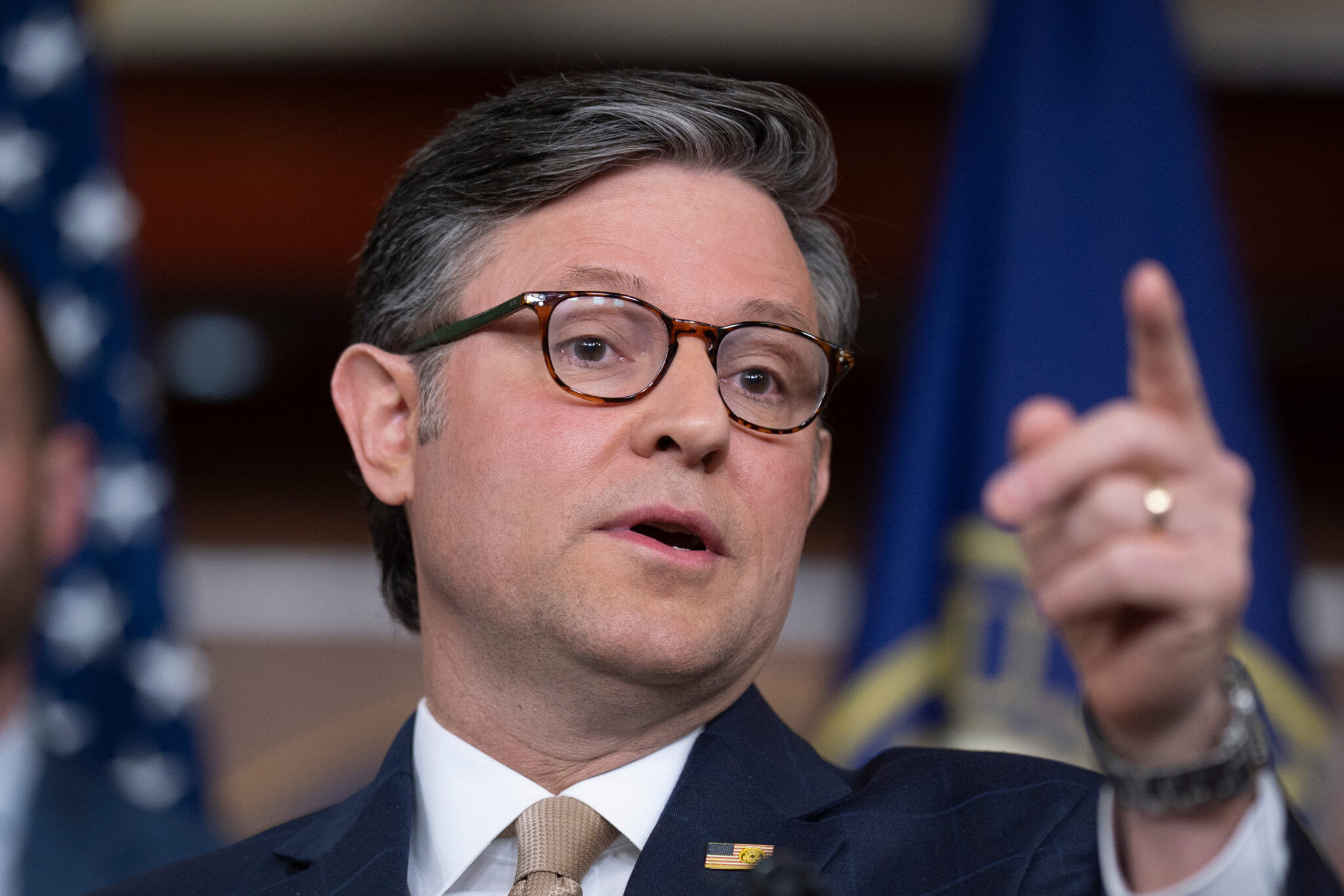
Speaker Mike Johnson defended the program, emphasizing its importance to U.S. intelligence efforts.
“Two-thirds of the president’s daily national security briefing comes from intelligence collected by that statute,” Johnson said. “We cannot allow it to go dark.”
Some Democrats also supported the extension, arguing the program remains essential.
Rep. Jim Himes called it “without question, the most important foreign intelligence tool,” though he acknowledged that the added safeguards were only modest improvements.
Others strongly disagreed.
Rep. Jamie Raskin criticized the bill as a “three-year blank check” that lacks meaningful protections for Americans’ privacy.
“Under this bill, FBI agents will still collect, search and review Americans’ communications without any review from a judge,” Raskin said.
Senate Path Remains Uncertain
Despite clearing the House, the bill faces major hurdles in the Senate.
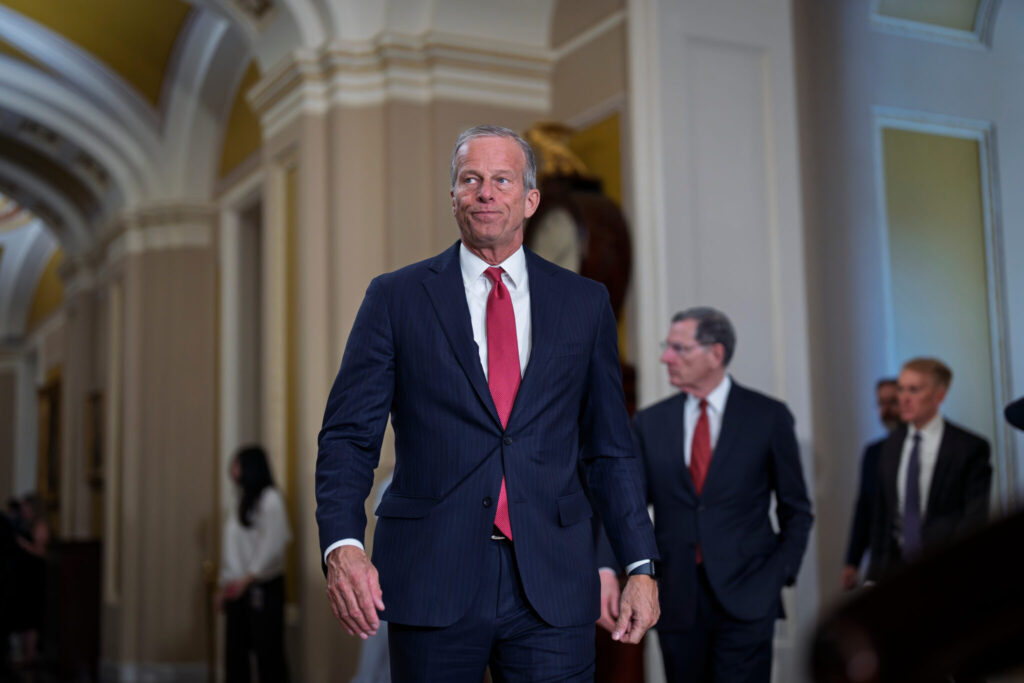
Senate Majority Leader John Thune signaled that lawmakers may need to pass a short-term extension before the current law expires.
He also warned that a separate provision included in the House bill — banning a central bank digital currency — would be difficult to pass in the Senate.
That provision could complicate negotiations and delay final approval.
Race Against the Deadline
With the surveillance authority set to expire soon, lawmakers in both chambers are racing to avoid a lapse.
Senators are considering a temporary extension, possibly lasting several weeks, to allow more time for negotiations on a longer-term solution.
However, even that short-term plan could face resistance.
Sen. Ron Wyden has already indicated he may oppose a longer extension without additional reforms, pushing instead for a shorter timeline with stronger safeguards.
Balancing Security and Privacy
The debate over the surveillance program reflects a broader tension in U.S. policy between national security and civil liberties.
Supporters argue the program is essential for monitoring foreign threats and protecting the country.
Opponents warn that without stricter limits, it risks undermining constitutional protections and expanding government surveillance too far.
As the Senate takes up the issue, lawmakers will need to find a compromise that addresses both concerns.
What Comes Next
For now, the House vote represents progress after earlier failed attempts to pass a long-term extension.
But the outcome remains uncertain.
Whether Congress can reach agreement before the deadline — and what form the final legislation will take — will determine the future of one of the government’s most powerful intelligence tools.