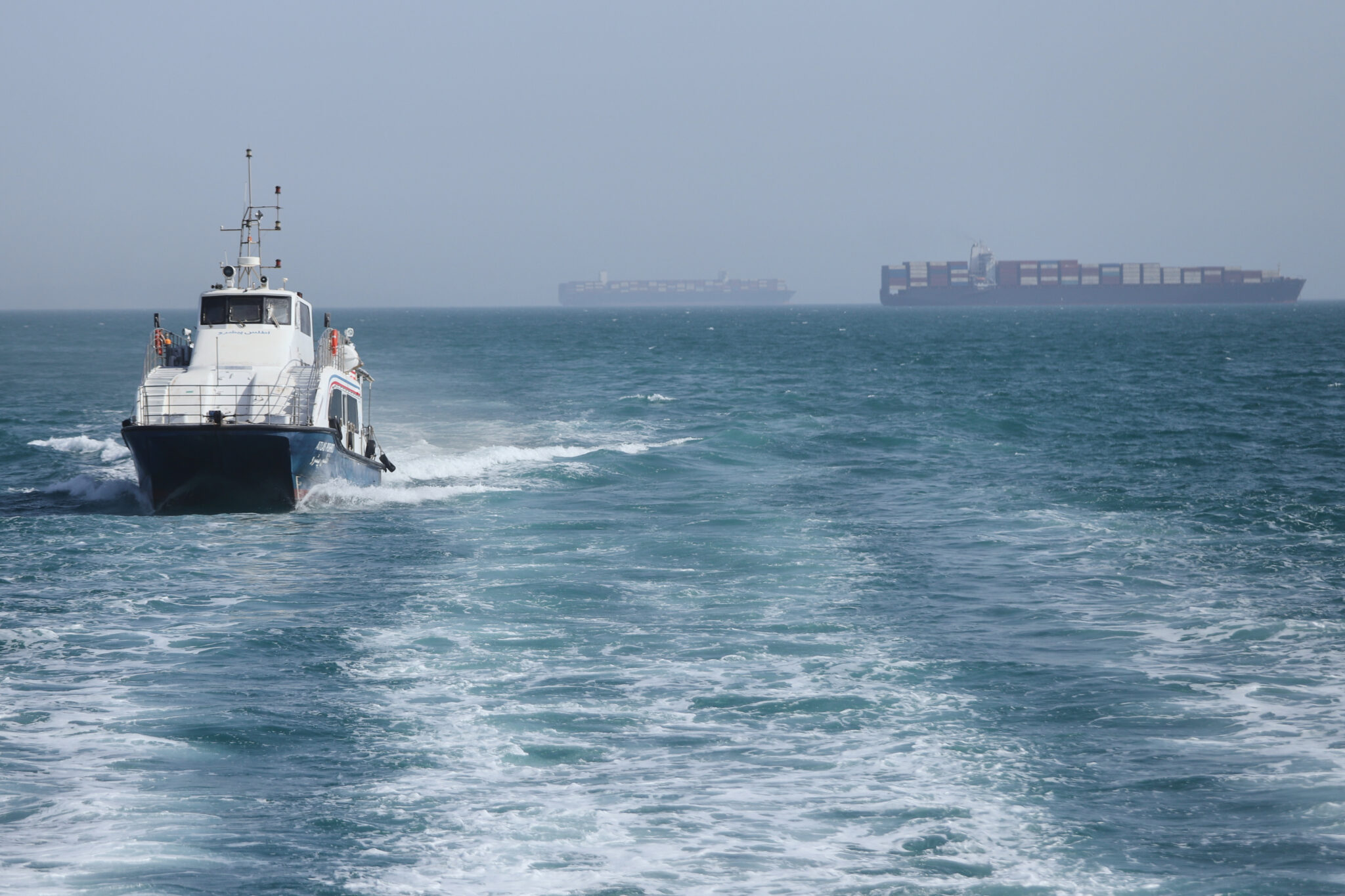
US Says 2 American-Flagged Merchant Vessels Transited Through Strait of Hormuz/ Newslooks/ WASHINGTON/ J. Mansour/ Morning Edition/ Two U.S.-flagged ships have crossed the Strait of Hormuz. The move marks progress in reopening a critical global trade route. Tensions remain high as Iran warns against U.S. military presence.
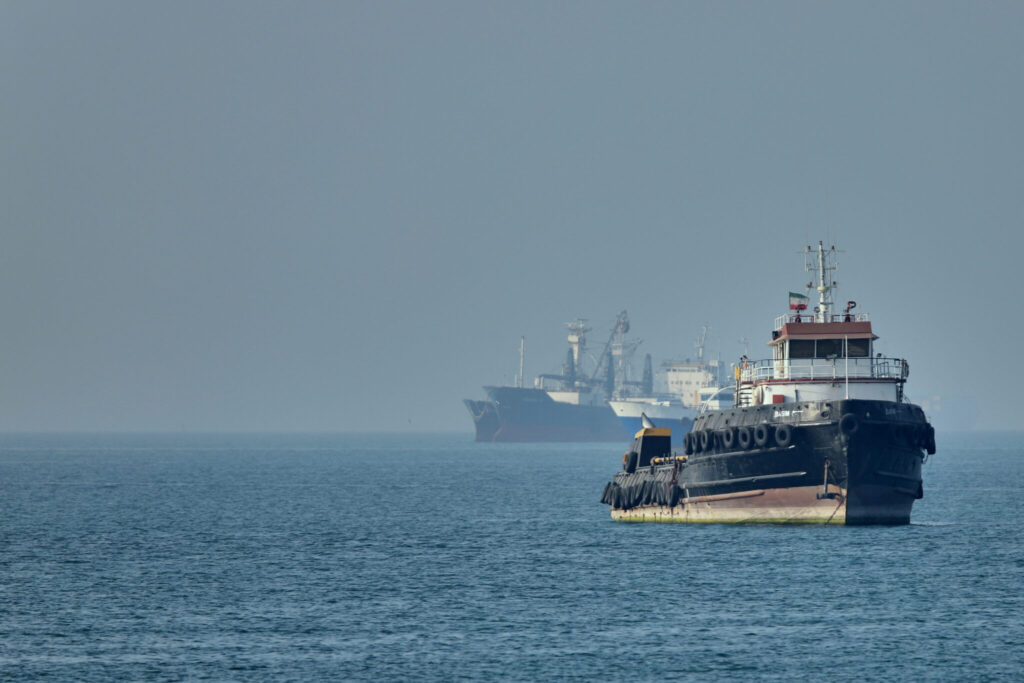
Hormuz Shipping US Iran Quick Looks
- Two U.S.-flagged ships successfully transit strait
- U.S. Navy escorting vessels to restore shipping
- Hundreds of ships still stranded in region
- Iran warns foreign forces will be targeted
- Ceasefire strained by new maritime operations
- Global oil trade remains at risk
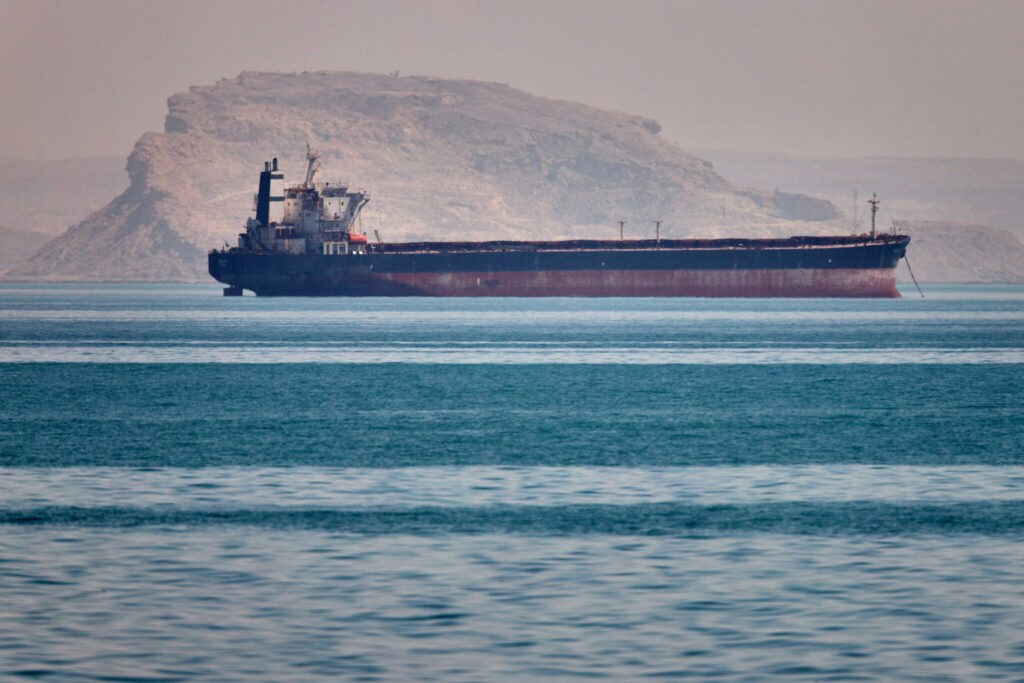
Deep Look
US Reports Breakthrough in Hormuz Transit
The United States says it has made progress in restoring maritime traffic through the Strait of Hormuz, with two American-flagged merchant ships successfully navigating the waterway under military protection.
The U.S. military confirmed that guided-missile destroyers in the Persian Gulf assisted the vessels, marking a significant step in efforts to reopen one of the world’s most critical shipping routes.
The breakthrough follows the launch of a broader U.S. initiative aimed at guiding commercial ships through the strait after weeks of disruption.
Strategic Waterway Remains Highly Volatile
The Strait of Hormuz is a vital global chokepoint, handling a substantial portion of the world’s oil and natural gas shipments. Since the outbreak of conflict earlier this year, the route has been effectively restricted, causing widespread concern across global energy markets.
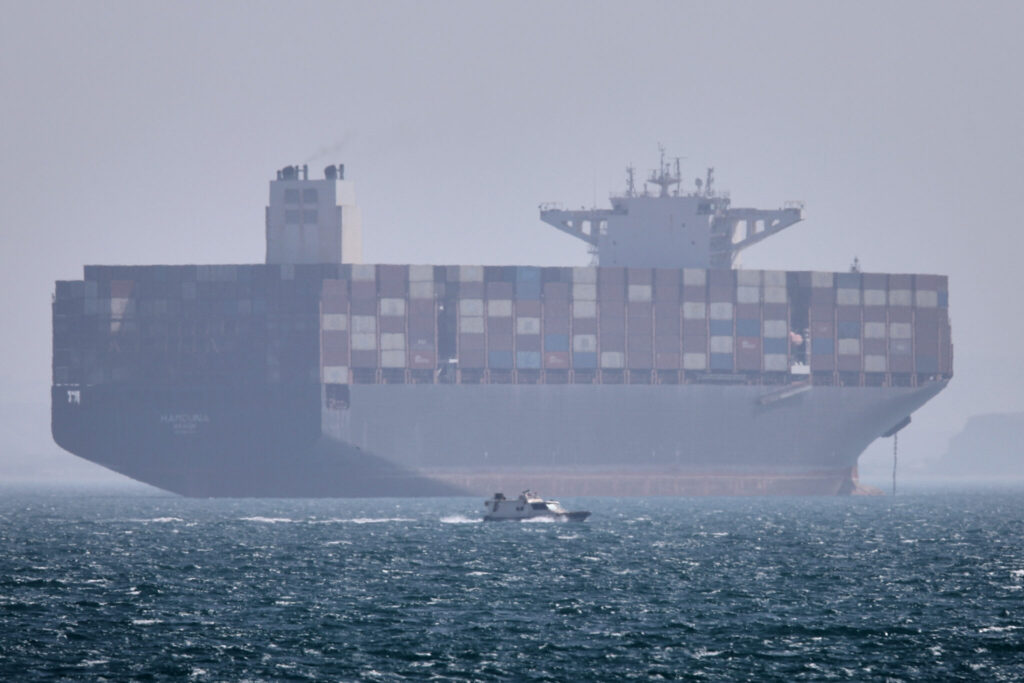
Hundreds of ships remain stranded in the Persian Gulf, with crews facing difficult conditions after weeks of uncertainty and limited supplies.
Despite the successful transit of two vessels, it remains unclear whether shipping companies and insurers will consider the route safe enough to resume normal operations.
US Initiative Faces Skepticism
The U.S.-led maritime effort includes establishing an “enhanced security area” and encouraging vessels to pass through safer zones near Oman’s waters.
However, industry leaders have raised concerns about the lack of detailed guidance and the long-term sustainability of the operation. Some experts warn that without clear protocols, the initiative could expose ships to renewed risks.
Additionally, hazards such as naval mines and high traffic congestion further complicate navigation through the strait.
Iran Rejects US Actions
Iran has strongly opposed the U.S. initiative, calling it a violation of the fragile ceasefire reached earlier in the conflict.
Iranian officials have warned that any foreign military presence in the strait could be met with force.
“We warn that any foreign military force — especially the aggressive U.S. military — that intends to approach or enter the Strait of Hormuz will be targeted,” a senior Iranian commander said.
Tehran has also insisted that vessels must coordinate with Iranian authorities before transiting the waterway.
Conflicting Claims and Rising Tensions
The situation remains tense, with conflicting reports adding to uncertainty. Iranian media claimed that a U.S. Navy vessel had been struck near the strait, but U.S. officials denied the report.
Meanwhile, the United Arab Emirates reported a drone attack on a tanker linked to its national oil company, though no injuries were reported.
These incidents highlight the fragile security environment and the potential for escalation despite the ongoing ceasefire.
Economic Pressure Continues on Iran
Alongside military efforts, the United States continues to apply economic pressure on Iran through sanctions and a naval blockade.
Officials say dozens of ships have been turned back to enforce restrictions, limiting Iran’s ability to export oil and generate revenue.
The blockade has contributed to a buildup of unsold oil, pushing Iran closer to its storage limits and potentially forcing production cuts.
Diplomatic Efforts and Proposal Under Review
Diplomatic negotiations remain ongoing, with Iran submitting a 14-point proposal to end the conflict. The proposal includes demands such as lifting sanctions and ending military operations.
Iranian officials, meanwhile, say changing U.S. demands have complicated progress in talks.
Humanitarian Concerns and Stranded Crews
Beyond geopolitical stakes, the crisis has also created humanitarian challenges. Thousands of sailors remain stranded aboard ships with dwindling supplies.
The U.S. has framed its maritime efforts as partly humanitarian, aiming to assist crews while restoring normal shipping operations.
Outlook Remains Uncertain
While the successful transit of two ships signals progress, the broader effort to reopen the Strait of Hormuz faces significant challenges.
Ongoing military tensions, economic pressure, and diplomatic uncertainty all contribute to a fragile situation with global implications.
For now, the waterway remains a focal point of the U.S.-Iran conflict — and a key test of whether stability can be restored.