White House: Trump Drug Pricing Deals Could Save $529 Billion/ Newslooks/ WASHINGTON/ J. Mansour/ Morning Edition/ The White House says Trump’s drug pricing deals could save billions. Officials estimate $529 billion in savings over 10 years. Critics question transparency and the accuracy of projections.
Trump Drug Pricing Plan Quick Looks
- White House projects $529 billion in savings
- Plan aligns U.S. drug prices with other countries
- Medicaid savings estimated at $64.3 billion
- Deals involve 17 major pharmaceutical companies
- Democrats question transparency and data
- Policy central to Trump’s midterm election pitch
Deep Look
White House Projects Massive Savings
The White House estimates that President Donald Trump’s prescription drug pricing deals could save the U.S. economy $529 billion over the next decade.
The analysis, prepared by the Council of Economic Advisers, represents the administration’s most detailed projection yet of the financial impact of its policy.
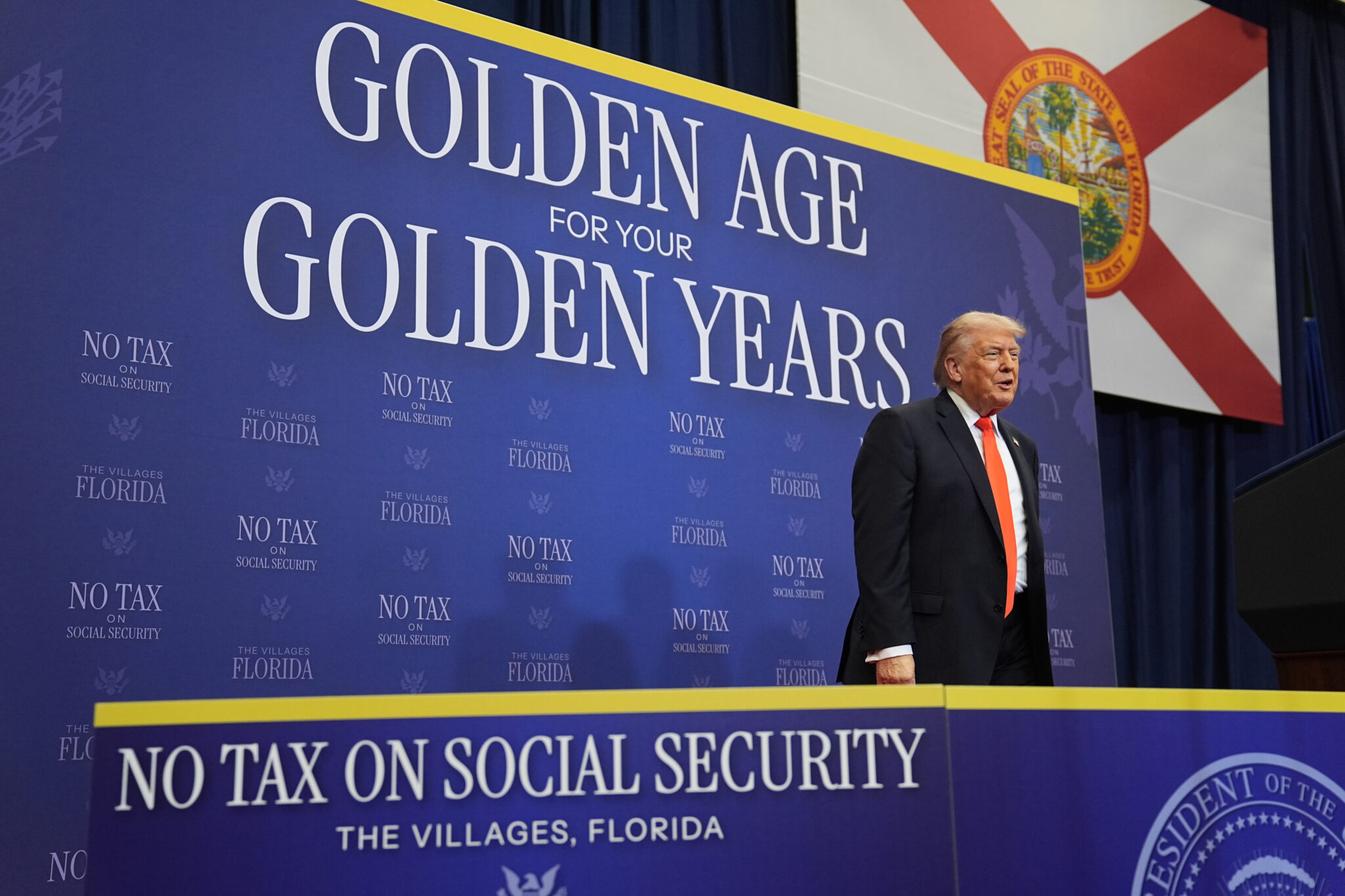
“Now you have the lowest drug prices anywhere in the world,” Trump said at a rally. “And that alone should win us the midterms.”
‘Most Favored Nation’ Policy Explained
At the core of the plan is Trump’s “most favored nation” approach, which aims to bring U.S. drug prices in line with those paid in other developed countries.
The policy seeks to address long-standing concerns that Americans pay significantly more for prescription medications than consumers in other nations.
Officials also estimate that federal and state governments could save $64.3 billion in Medicaid costs over 10 years under the plan.
Details of Deals Remain Limited
Despite the sweeping projections, few details about the agreements between the administration and 17 pharmaceutical companies have been publicly disclosed.
The lack of transparency has made it difficult for independent experts to verify the savings estimates.
The White House said it has withheld specifics because the deals contain sensitive financial information that could impact markets.
Democrats Raise Questions
Democratic lawmakers have expressed skepticism about the administration’s claims and are calling for greater transparency.
“If these deals are so great, why is the Trump administration afraid of showing them to the public?” said Sen. Ron Wyden.
Lawmakers have proposed legislation requiring the administration to release more information about the agreements.
Broader Economic Context
The policy comes at a time when cost-of-living concerns are a major issue for voters, particularly as rising energy prices linked to the Iran conflict add to economic pressure.
Prescription drug costs remain a significant burden for many Americans, making the issue a key political talking point ahead of midterm elections.
In 2024, Americans spent approximately $467 billion on prescription medications, highlighting the scale of potential savings.
Debate Over Real-World Impact
Economists note that while the projected savings are substantial, the actual benefits for consumers may vary.
Some analysts caution that pharmaceutical companies could adjust pricing strategies globally, potentially reducing long-term savings.
The Congressional Budget Office previously estimated that similar policies could lower drug prices by more than 5%, though the impact might diminish over time.
Critics Point to Industry Profits
Critics also argue that pharmaceutical companies may continue to see strong profits despite the pricing changes.
An analysis by staff linked to Sen. Bernie Sanders found that profits among participating companies increased significantly in recent years.
The administration has disputed those findings, saying they rely on list prices rather than what patients actually pay.
Political Stakes Ahead of Midterms
The drug pricing initiative is a central part of Trump’s economic message as midterm elections approach.
The administration is urging Congress to codify the policy into law, while opponents continue to push for more oversight.
The outcome of this debate could shape both healthcare policy and voter sentiment in the months ahead.
Outlook: High Impact but Uncertain Results
While the projected savings are significant, the long-term success of the policy will depend on implementation, transparency, and market reactions.
As the debate continues, the issue of drug pricing is likely to remain a major focus in both economic policy and political campaigns.