Hegseth Say Iran Ceasefire Holding Despite Strait of Hormuz Attacks/ Newslooks/ WASHINGTON/ J. Mansour/ Morning Edition/ U.S. officials say the Iran ceasefire is still holding. Attacks in the Strait of Hormuz and UAE continue. Shipping disruptions and global oil concerns persist.
Iran Ceasefire Hormuz Quick Looks
- U.S. says ceasefire remains in effect
- Iran-linked attacks continue in Hormuz region
- UAE reports missile and drone strikes
- Only two ships have used U.S.-protected route
- Hundreds of vessels remain stranded
- Global oil markets impacted by disruptions
Deep Look
US Says Ceasefire Still Holding
U.S. military leaders say the ceasefire with Iran remains intact, even as new attacks and rising tensions test the fragile agreement.
Defense Secretary Pete Hegseth emphasized that the situation has not escalated into full-scale conflict.
“No, the ceasefire is not over,” he said, reinforcing the administration’s position that hostilities have not returned to major combat levels.
Top military officials described recent developments as below the threshold of renewed war, despite continued confrontations.
Attacks Continue in Strait of Hormuz
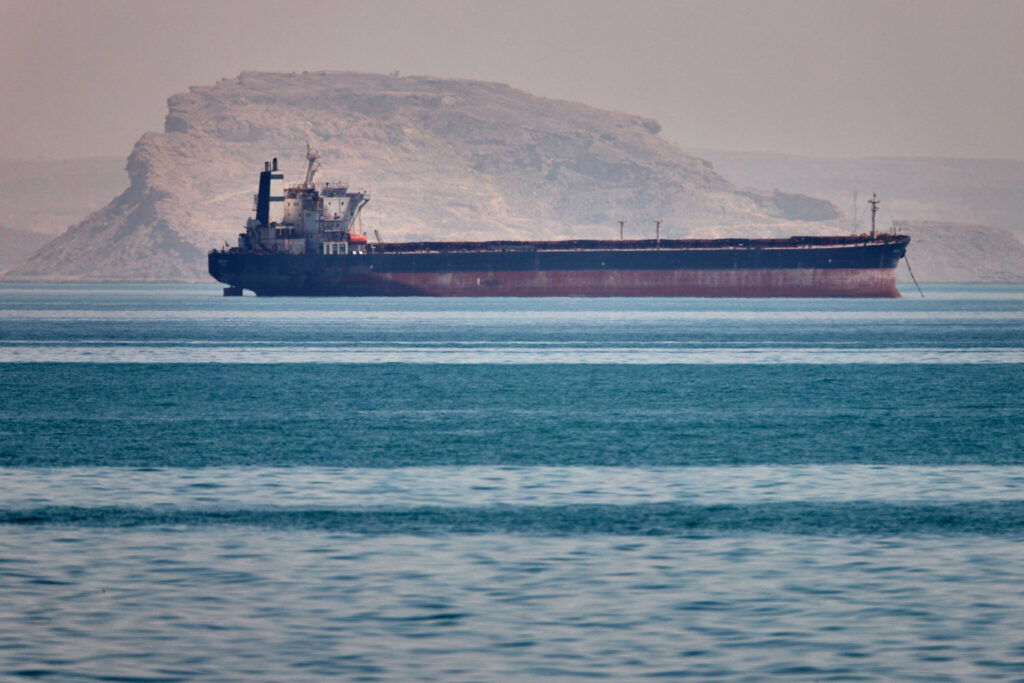
Violence has persisted in the Strait of Hormuz, a vital global shipping route.
U.S. officials reported that Iran has fired on commercial vessels multiple times and has also targeted U.S. forces since the ceasefire began.
Additionally, the United States confirmed it sank six Iranian boats that threatened shipping lanes, highlighting ongoing risks in the region.
These incidents illustrate the delicate balance between maintaining the ceasefire and responding to security threats.
Limited Progress in Reopening Shipping Route
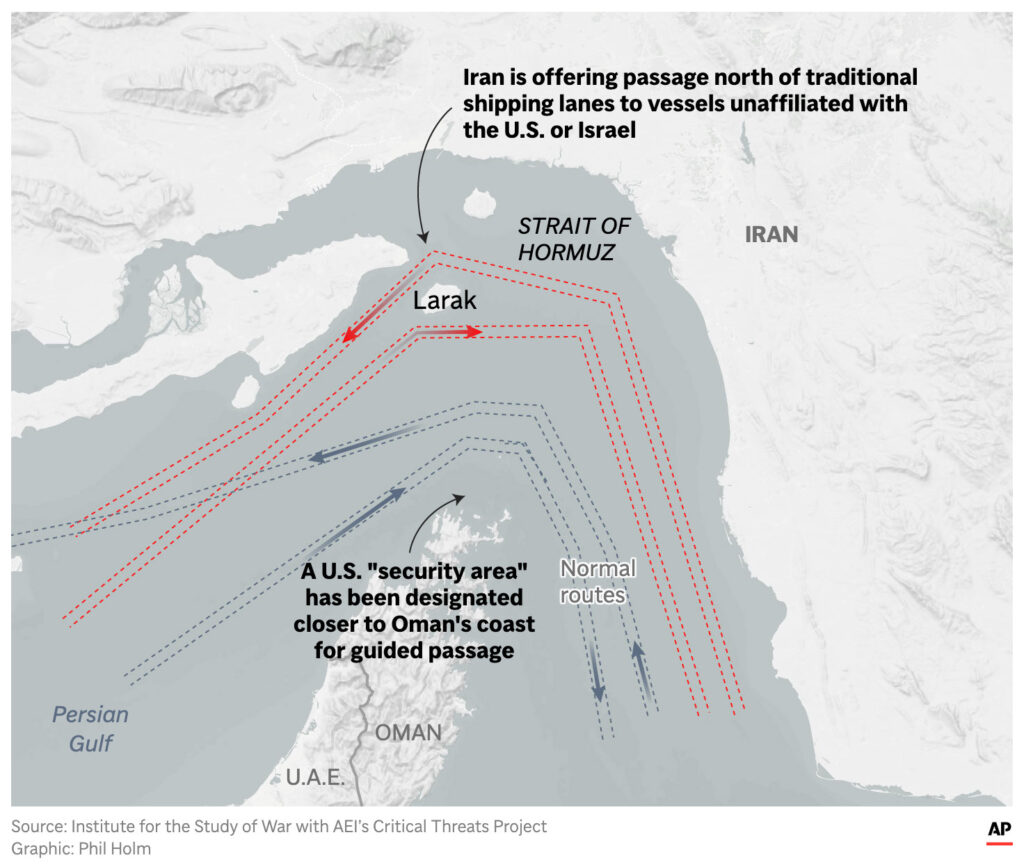
Efforts to reopen the Strait of Hormuz have seen limited success so far.
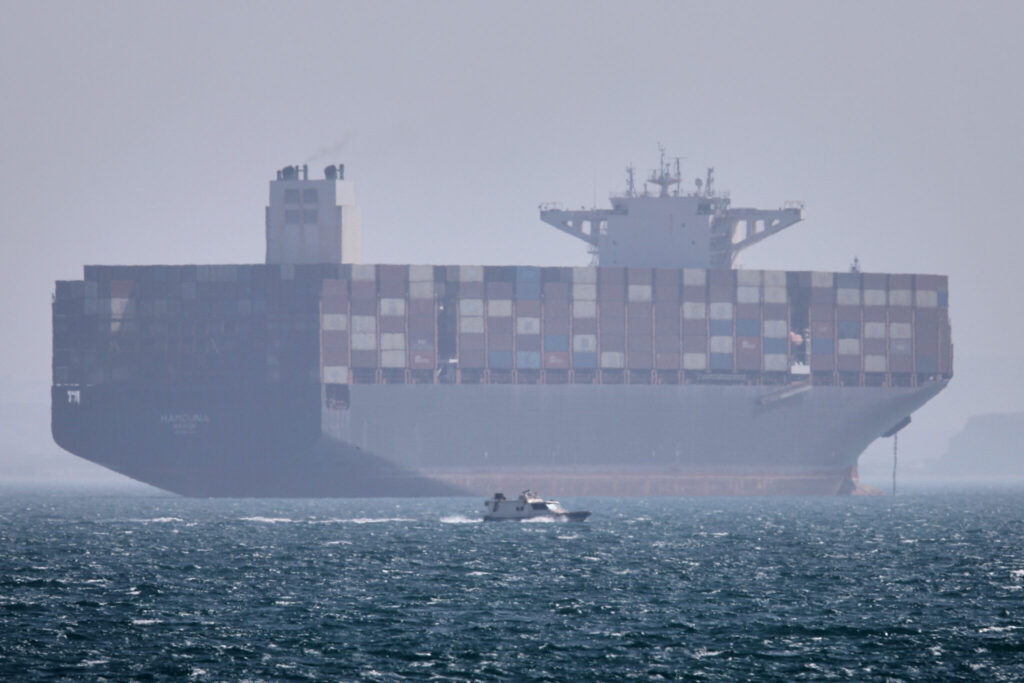
Only two U.S.-flagged merchant ships have successfully passed through a newly established U.S.-protected route, while hundreds of vessels remain stuck in the Persian Gulf.
Shipping companies remain cautious, with many unwilling to risk transit until conditions stabilize.
“This initiative alone isn’t something that looks like it’s going to open the Strait of Hormuz,” one analyst said.
UAE Targeted in Ongoing Strikes
The United Arab Emirates has borne the brunt of recent attacks.
Officials reported multiple missile and drone strikes, with air defenses intercepting many of them. A drone attack sparked a fire at a key oil facility, injuring several people.
These attacks represent a significant escalation and raise concerns about the broader regional impact of the conflict.
Iran Pushes Back Against US Actions
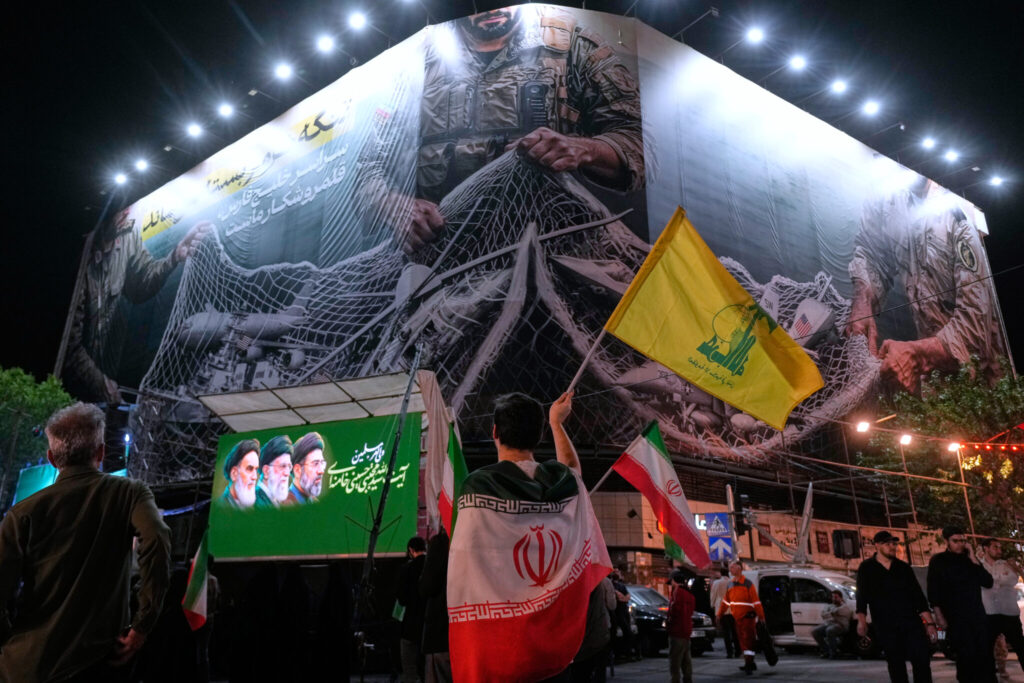
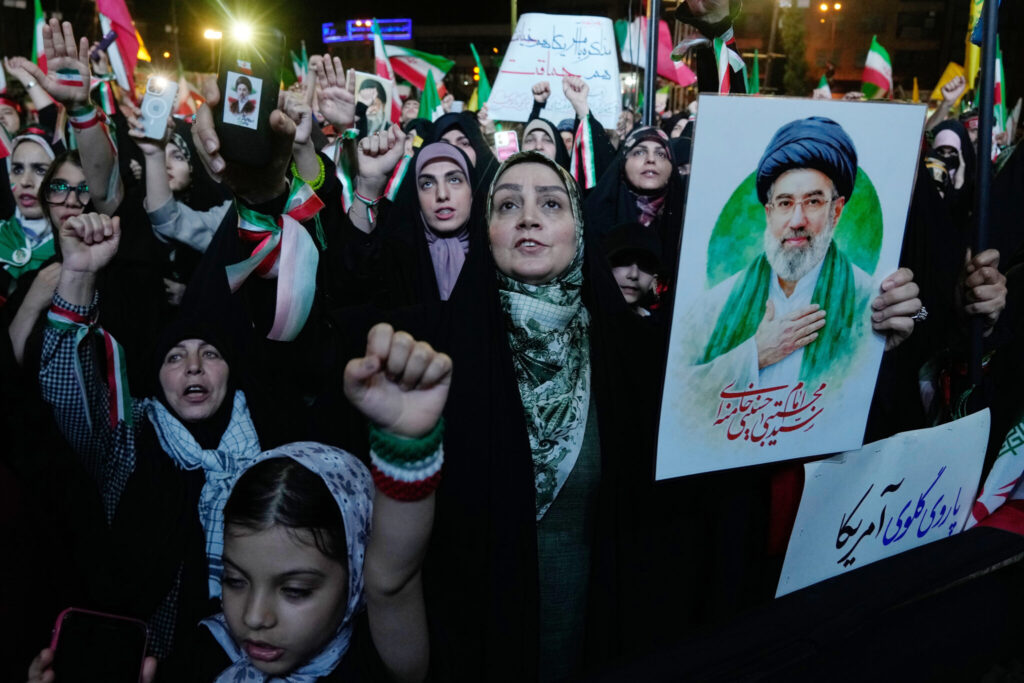
Iran has criticized U.S. efforts to reopen the strait, calling them a violation of the ceasefire.
“We know full well that the continuation of the status quo is intolerable for America; while we have not even begun yet,” said Iranian official Mohammad Bagher Qalibaf.
Iran has also disputed U.S. claims about sinking its boats, offering conflicting accounts of the incidents.
Global Shipping and Markets Remain on Edge
The closure of the Strait of Hormuz has had far-reaching consequences for global trade and energy markets.
Countries that depend heavily on oil shipments through the region are facing rising costs and supply disruptions.
Shipping companies and insurers remain wary, with many adopting a wait-and-see approach before resuming normal operations.
US Strategy Focuses on Economic Pressure
The United States continues to enforce a naval blockade on Iranian ports, redirecting dozens of ships to limit Iran’s oil exports.
Officials hope this economic pressure will force Iran to make concessions in negotiations over its nuclear program and other issues.
At the same time, the strategy aims to weaken Iran’s leverage in controlling the strait.
Diplomatic Talks Remain Stalled
Negotiations between the U.S. and Iran continue indirectly, with messages passed through intermediaries such as Pakistan.
However, progress has been limited, with both sides maintaining firm positions on key issues.
The lack of movement in talks adds to uncertainty about the long-term stability of the ceasefire.
Outlook: Fragile Stability With High Risks
While the ceasefire remains technically in place, ongoing attacks and military activity highlight its fragility.
The situation in the Strait of Hormuz remains a critical flashpoint, with the potential to impact global markets and regional security.
For now, the balance between diplomacy and military action continues to define the trajectory of the conflict.