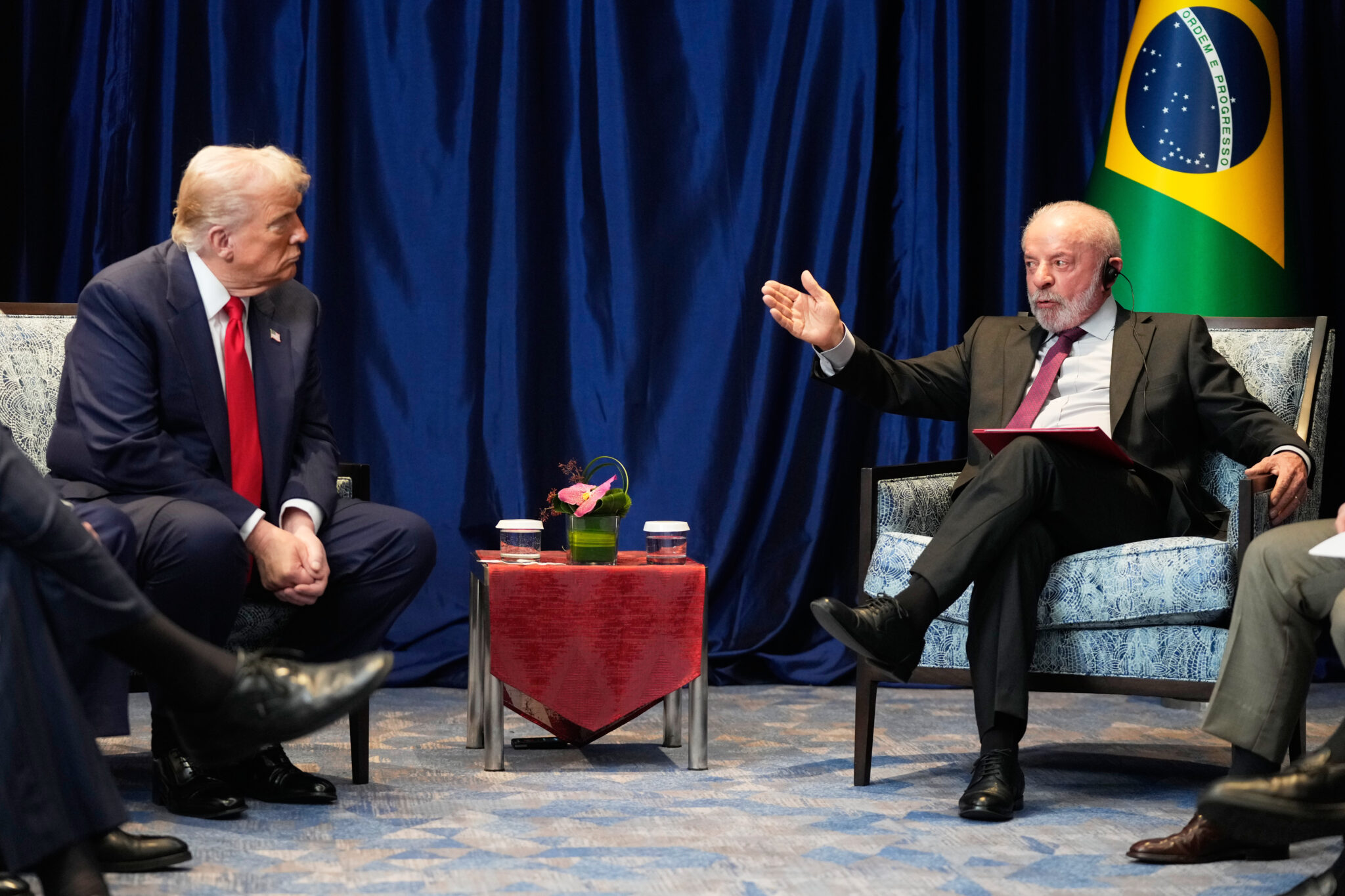
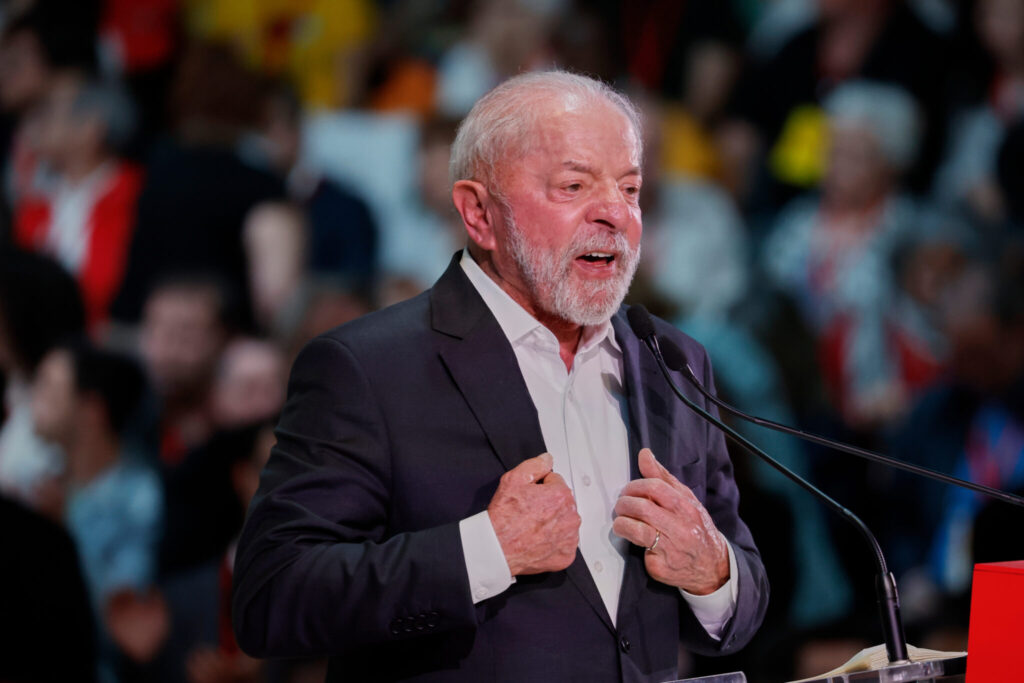
Brazil’s Lula to Discuss Fighting Organized Crime, Tariffs in Trump Meeting/ Newslooks/ WASHINGTON/ J. Mansour/ Morning Edition/ Brazilian President Luiz Inácio Lula da Silva will meet President Donald Trump at the White House to discuss organized crime cooperation and trade disputes. The talks follow months of strained relations caused by tariffs and political disagreements involving former President Jair Bolsonaro. Rare earth minerals, cartel designations and economic partnerships are expected to dominate discussions.
Trump Lula Meeting Quick Looks
- Lula and Trump meeting scheduled at White House
- Organized crime cooperation expected to dominate talks
- Brazil seeks relief from previous U.S. tariff pressure
- Rare earth mineral access likely major discussion point
- Brazil opposes labeling PCC and CV gangs as terrorists
- Meeting comes during difficult political moment for Lula
Deep Look
Trump And Lula Attempt To Repair US-Brazil Relations
Brazilian President Luiz Inácio Lula da Silva is set to meet President Donald Trump at the White House as both governments attempt to stabilize relations after months of diplomatic and economic tension.
Brazilian Finance Minister Dario Durigan said Wednesday the leaders would focus heavily on:
- Organized crime cooperation
- Trade and tariff disputes
- Economic development
- Strategic minerals
- Bilateral security coordination
“The goal is to protect Brazil’s population, prioritize the country and maintain constructive dialogue,” Durigan said.
Tariffs Created Major Diplomatic Rift
Relations between Washington and Brasília deteriorated sharply last year after the Trump administration imposed a 50% tariff on Brazilian goods.
The White House linked the move to Brazil’s prosecution of former President Jair Bolsonaro over allegations involving a coup plot.
Lula strongly criticized the tariffs and accused the United States of interfering in Brazilian sovereignty.
Trump later eased some tariff measures as part of broader efforts to reduce costs for American consumers and calm tensions with key trading partners.
Since then, both leaders have gradually reopened diplomatic channels through:
- Meetings at the United Nations
- Private talks in Malaysia
- Multiple phone calls
Political analysts say the latest White House meeting signals an effort to fully normalize relations before global economic tensions worsen.
Organized Crime Cooperation Central To Talks
A major point of discussion will involve organized crime groups operating in Brazil and across Latin America.
- Red Command (CV)
- First Capital Command (PCC)
Such a move would dramatically expand U.S. authority to:
- Freeze assets
- Impose sanctions
- Conduct intelligence operations
- Pressure financial networks linked to the groups
Brazilian officials have resisted the proposal, arguing it could infringe on national sovereignty.
Leonardo Paz Neves of the Getulio Vargas Foundation warned the designation could allow Washington to act more aggressively inside Brazil’s domestic security sphere.
“It’s a defensive issue for Brazil that doesn’t serve Brazil’s interests at all,” he said.
Rare Earth Minerals Become Strategic Focus
Rare earth minerals are expected to emerge as another major topic during the meeting.
Brazil possesses the world’s second-largest rare earth reserves, making the country increasingly important in the global competition for:
- Electric vehicle production
- Semiconductor manufacturing
- Solar technology
- Defense systems
- Artificial intelligence infrastructure
The Trump administration has aggressively pursued global supply chain partnerships to reduce dependence on China for strategic minerals.
Durigan emphasized Brazil does not want to become merely a raw material supplier.
“While foreign investment is welcome, we want industrial development within Brazil,” he said.
Brazil hopes future agreements will include:
- Domestic manufacturing investments
- Technology transfers
- Job creation
- University partnerships
Trump Expands Hemisphere Security Strategy
The meeting also aligns with Trump’s broader Western Hemisphere security strategy.
The administration recently unveiled a new counterterrorism doctrine prioritizing:
- Drug cartels
- Transnational gangs
- Organized crime syndicates
- Maritime trafficking operations
The White House increasingly frames cartel violence and narcotics trafficking as national security threats rather than traditional criminal justice issues.
Brazil’s cooperation could become critical because of its geographic position and influence in South America.
Lula Faces Political Pressure At Home
The Washington trip comes during a politically difficult period for Lula.
Last week, Brazil’s Congress dealt two major setbacks to his administration:
- Lawmakers overrode his veto on legislation reducing Bolsonaro’s prison time
- The Senate rejected Lula’s Supreme Court nominee for the first time in over a century
At 80 years old, Lula is preparing for another presidential campaign in October.
Recent polling shows him running nearly even with Bolsonaro’s son, Senator Flávio Bolsonaro.
Political analysts say a successful White House visit could help Lula project international leadership and economic stability ahead of the election.
Economic Stakes Remain High
The United States remains one of Brazil’s largest trading partners.
Key industries affected by tariffs and trade negotiations include:
- Agriculture
- Steel
- Energy
- Mining
- Manufacturing
- Technology
Both governments appear eager to avoid another damaging trade confrontation while maintaining leverage during negotiations.
Ana Garcia, an international relations professor in Rio de Janeiro, said Washington likely views Brazil as an increasingly important but independent regional power.
“The Trump administration likely sees Brazil as a partner that must be taken somewhat seriously,” Garcia said.