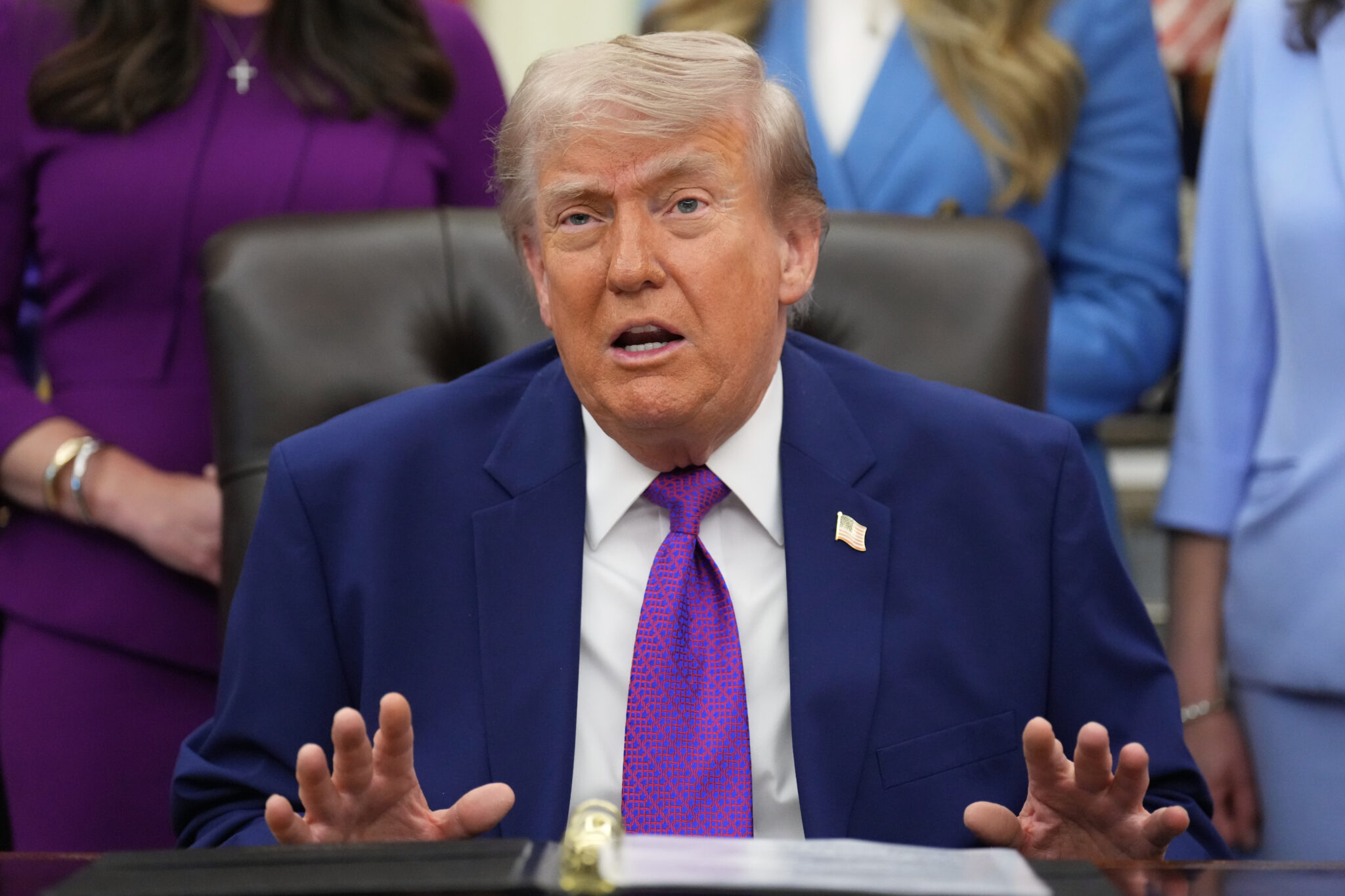
Trump Warns Iran ‘There Won’t Be Anything Left’ Amid Stalled Talks/ Newslooks/ WASHINGTON/ J. Mansour/ Morning Edition/ President Donald Trump warned Iran to “get moving” or face severe consequences as tensions remain high despite ceasefire negotiations. The conflict continues disrupting global oil markets and pushing U.S. gas prices above $4.50 per gallon. Trump’s escalating rhetoric comes as disputes over Iran’s nuclear program and the Strait of Hormuz remain unresolved.
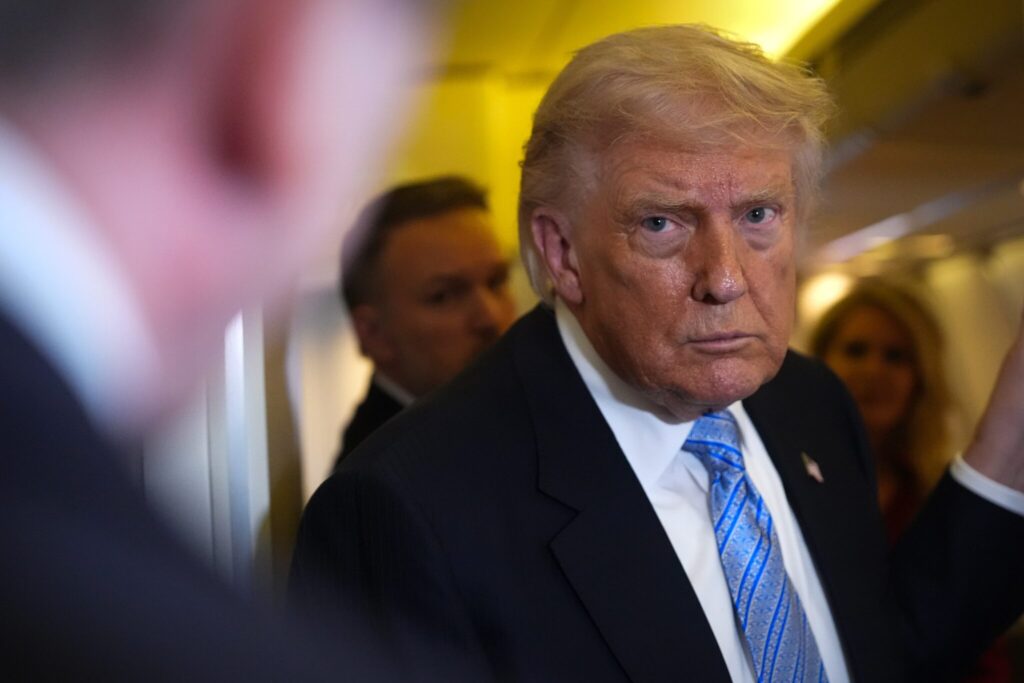
Trump Iran Warning Quick Looks
- Trump said “there won’t be anything left” of Iran
- Comments posted Sunday on Truth Social
- U.S. and Iran remain deadlocked in negotiations
- Strait of Hormuz closure continues disrupting oil shipments
- National gas prices average about $4.51 per gallon
- Trump demands Iran abandon nuclear ambitions
- Iran seeking reparations and end to U.S. blockade
- Critics warn some Trump threats could violate international law
Deep Look
Trump Escalates Iran Warning Amid Fragile Ceasefire Talks
President Donald Trump sharply intensified his rhetoric toward Iran on Sunday, warning Tehran to act quickly or face devastating consequences as negotiations over the ongoing conflict remain stalled.
In a Truth Social post, Trump wrote:
“For Iran, the Clock is Ticking, and they better get moving, FAST, or there won’t be anything left of them. TIME IS OF THE ESSENCE!”
The president did not explain what specific actions he expects from Iran or detail what consequences could follow if negotiations continue to fail.
The warning comes as the United States and Iran remain locked in tense diplomatic disputes despite a fragile ceasefire reached earlier this year.
Iran Conflict Continues to Shake Global Economy
The prolonged standoff between Washington and Tehran continues impacting global energy markets and American consumers.
Since the beginning of the war:
- Oil prices have surged globally
- Shipping routes have been disrupted
- U.S. gasoline prices have climbed sharply
- Inflation pressures have intensified
According to AAA data cited in the report, the national average price for gasoline reached approximately $4.51 per gallon Sunday.
A major driver of the economic turmoil remains the closure of the Strait of Hormuz, one of the world’s most critical oil shipping routes.
The narrow waterway handles a massive portion of global crude exports, and Iran’s restrictions there have caused major disruptions to energy markets worldwide.
U.S. and Iran Remain at Odds
Negotiations between the two countries remain deadlocked over several key issues.
The United States is demanding that Iran:
- Abandon its nuclear program
- Reopen the Strait of Hormuz
- Reduce regional military threats
- Reparations for war damage
- An end to the U.S. blockade
- A full halt to military operations
- Relief tied to fighting in Lebanon and surrounding areas
Despite intermittent diplomatic efforts, neither side appears close to a comprehensive agreement.
Trump Previously Issued Harsh Threats
Sunday’s warning is only the latest in a series of increasingly aggressive public statements from Trump regarding Iran.
Before the ceasefire reached in April, Trump warned:
“A whole civilization will die tonight, never to be brought back again,” unless Iran accepted U.S. demands.
The president has also previously threatened potential strikes against civilian infrastructure in Iran, including:
- Bridges
- Power plants
- Energy facilities
Legal experts and international observers have warned that deliberate attacks on civilian infrastructure could potentially violate international humanitarian law and constitute war crimes under certain circumstances.
White House Maintains Pressure Strategy
The Trump administration continues framing its approach as necessary to prevent Iran from obtaining nuclear weapons.
Officials argue the pressure campaign is intended to force Tehran back into negotiations while weakening its military and economic capabilities.
At the same time, the administration has been seeking international support from major global powers — including China — to pressure Iran into reopening shipping lanes and reducing tensions.
Trump recently discussed the Strait of Hormuz directly with Chinese President Xi Jinping during meetings in Beijing.
Economic Fallout Becoming Political Issue
The economic consequences of the Iran conflict are becoming a growing concern for voters as inflation and energy prices continue climbing.
Recent economic reports have shown:
- Rising wholesale inflation
- Higher transportation costs
- Increased food prices
- Elevated consumer anxiety
The conflict has also reshaped Federal Reserve expectations, with traders scaling back hopes for interest rate cuts this year.
Political critics argue the administration’s aggressive posture toward Iran is worsening financial stress for American families already struggling with affordability concerns.
Trump, however, has repeatedly insisted national security must take priority over short-term economic pain.
Trump Ballroom Funding Fight Adds Separate Controversy
Separately, another Trump-related controversy emerged over the weekend involving his proposed White House ballroom project.
Senate officials struck down a proposed $1 billion security funding provision tied to the project after Democrats challenged its inclusion in a broader spending package.
The ballroom proposal has already faced criticism over costs and concerns involving the demolition of portions of the historic White House East Wing.
Republicans signaled they may attempt to revise and resubmit the funding proposal despite the setback.