King Charles Delivers UK Agenda in Parliament Speech as Starmer Faces Leadership Crisis/ Newslooks/ WASHINGTON/ J. Mansour/ Morning Edition/ King Charles III unveiled the British government’s legislative agenda while Prime Minister Keir Starmer battled growing calls to resign. Labour Party divisions deepened following major election losses and reports that senior ministers may challenge Starmer’s leadership. The dramatic political uncertainty overshadowed Britain’s traditional State Opening of Parliament ceremony.
King Charles Parliament Speech Quick Looks
- King Charles III delivered the UK government’s legislative agenda
- Keir Starmer faces mounting pressure inside Labour Party
- Reports suggest Wes Streeting may launch leadership challenge
- More than one-fifth of Labour lawmakers want Starmer to step down
- Local election losses severely weakened Labour’s position
- The King’s Speech focused on security, economy, and infrastructure
- Antisemitism and energy policy were key legislative priorities
- Political turmoil overshadowed the royal ceremony
Deep Look
Royal Ceremony Overshadowed by Political Crisis
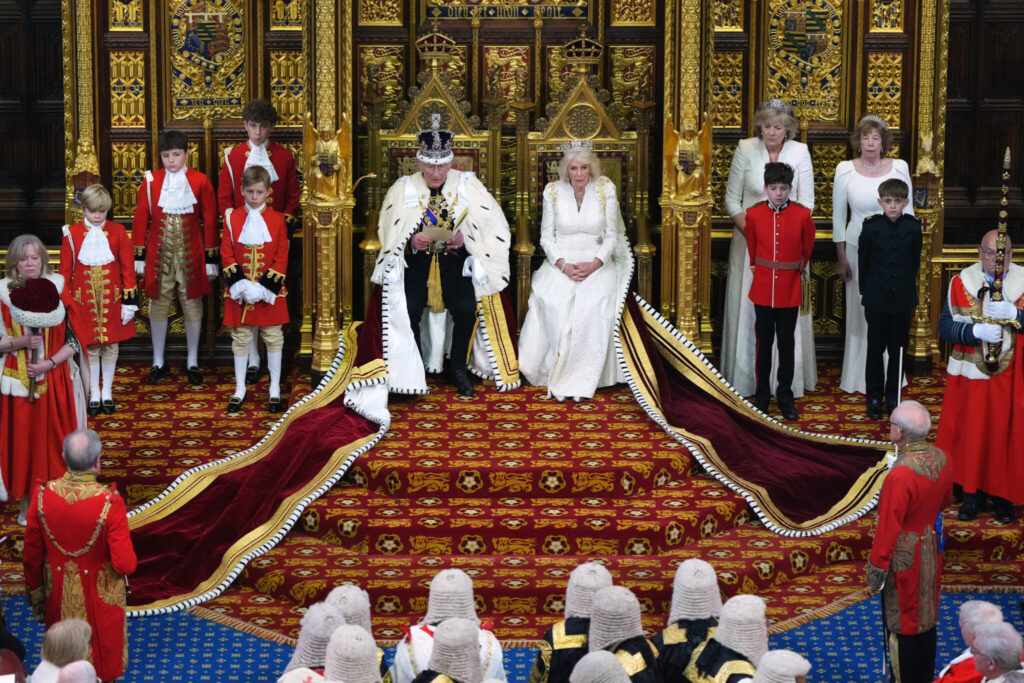
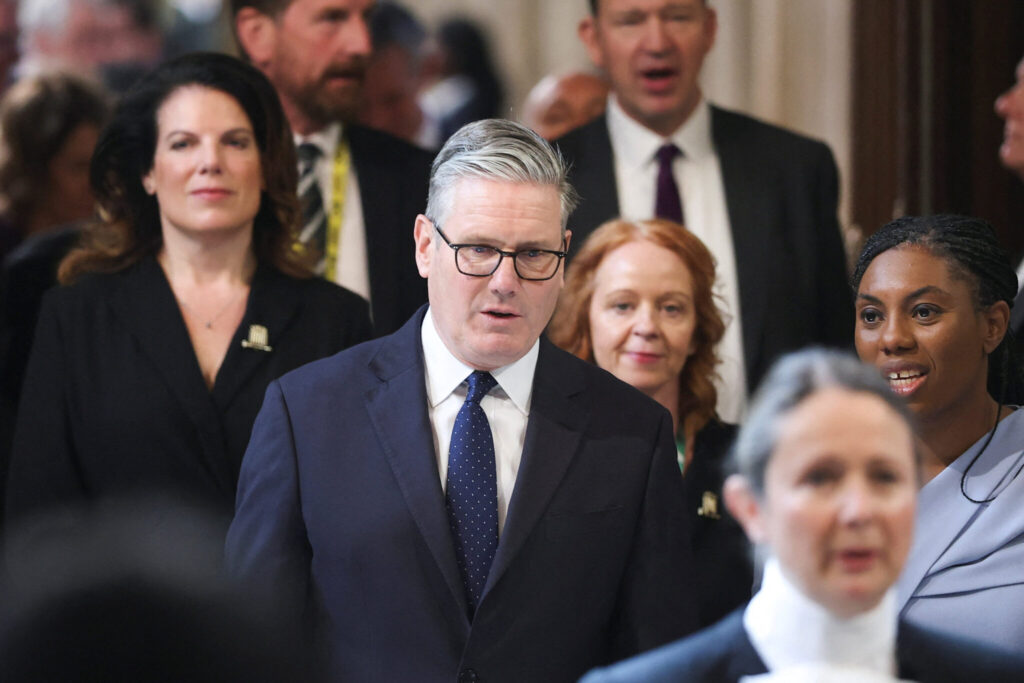
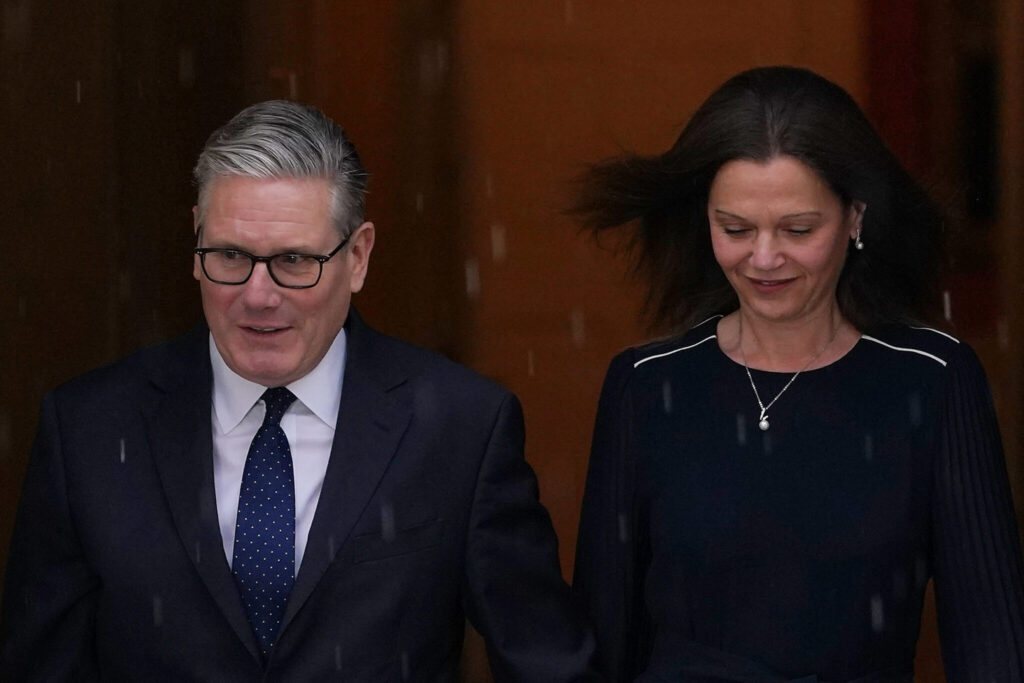
As King Charles III delivered the government’s legislative agenda inside the House of Lords, Starmer was simultaneously fighting to maintain control of his Labour Party amid growing calls for his resignation.
The traditional pomp and ceremony associated with the King’s Speech was overshadowed by intense political intrigue and mounting speculation that senior Labour figures could soon move to challenge Starmer directly.
Starmer Under Growing Pressure
Starmer’s leadership has become increasingly fragile after Labour suffered major setbacks in recent local and regional elections across the United Kingdom.
Political analysts warned that if those election results were repeated nationally, Labour could face a devastating defeat before the next required general election in 2029.
The party has lost support from both the political left and right.
Voters shifted toward anti-immigration Reform UK, the Green Party, and nationalist parties in Scotland and Wales, reflecting broader fragmentation across British politics.
Although Labour won a landslide national victory in 2024 after 14 years of Conservative rule, the party’s popularity has sharply declined since taking power.
Critics blame policy mistakes, economic struggles, weak messaging, and concerns over Starmer’s judgment.
Wes Streeting Speculation Intensifies
The political pressure intensified Wednesday following reports from the BBC and The Times of London suggesting Health Secretary Wes Streeting could soon resign and launch a leadership challenge.
Streeting, long viewed as a potential future prime minister, reportedly met privately with Starmer earlier in the day.
The meeting lasted less than 20 minutes.
Neither side publicly disclosed details of the discussion, though Downing Street insisted Starmer still retained confidence in Streeting.
The possibility of a senior Cabinet member resigning and openly challenging the prime minister added to fears inside Labour that the government could descend into a full-scale leadership battle.
Labour Divisions Continue to Deepen
More than one-fifth of Labour lawmakers in the House of Commons have now either called for Starmer to resign or urged him to establish a timeline for departure.
Several junior ministers have already resigned from government positions in protest.
Still, Starmer continues to retain support from parts of the party.
More than 100 Labour lawmakers signed a letter defending the prime minister and arguing that “now is no time” for a leadership contest.
Northern Ireland Secretary Hilary Benn publicly backed Starmer Wednesday.
“We should let him get on with doing his job, because he is a serious politician and these are very, very serious times,” Benn told Sky News.
King Charles Outlines Government Priorities
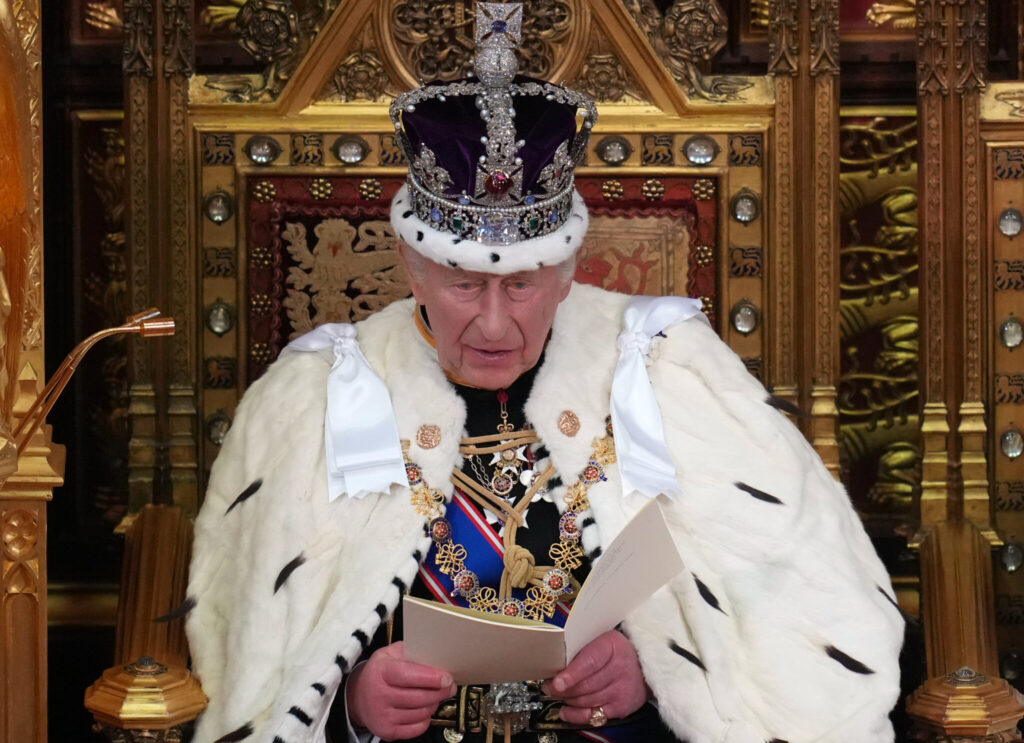
While political tensions dominated headlines, King Charles formally presented the government’s legislative priorities for the coming year.
The speech, written by the government but delivered by the monarch, focused heavily on economic stability, national security, energy infrastructure, and social cohesion.
The king warned lawmakers that Britain’s economy, energy supplies, and security would face growing challenges because of ongoing conflicts involving Iran and Ukraine.
Planned government measures include efforts to reduce living costs, strengthen ties with the European Union, and accelerate construction of new energy infrastructure projects.
Focus on Antisemitism and National Unity
King Charles also addressed rising concerns over antisemitism following a series of attacks targeting Jewish communities in recent months.
The monarch said the government would “defend the British values” of decency, tolerance, and respect for differences.
The comments reflected growing concern across Britain over social tensions and political polarization.
The speech emphasized unity and stability at a moment when both domestic politics and international security conditions remain deeply unsettled.
Historic Tradition Meets Modern Political Chaos
The State Opening of Parliament remains one of Britain’s oldest and most symbolic constitutional ceremonies.
The tradition dates back centuries and combines royal pageantry with the modern reality of parliamentary democracy.
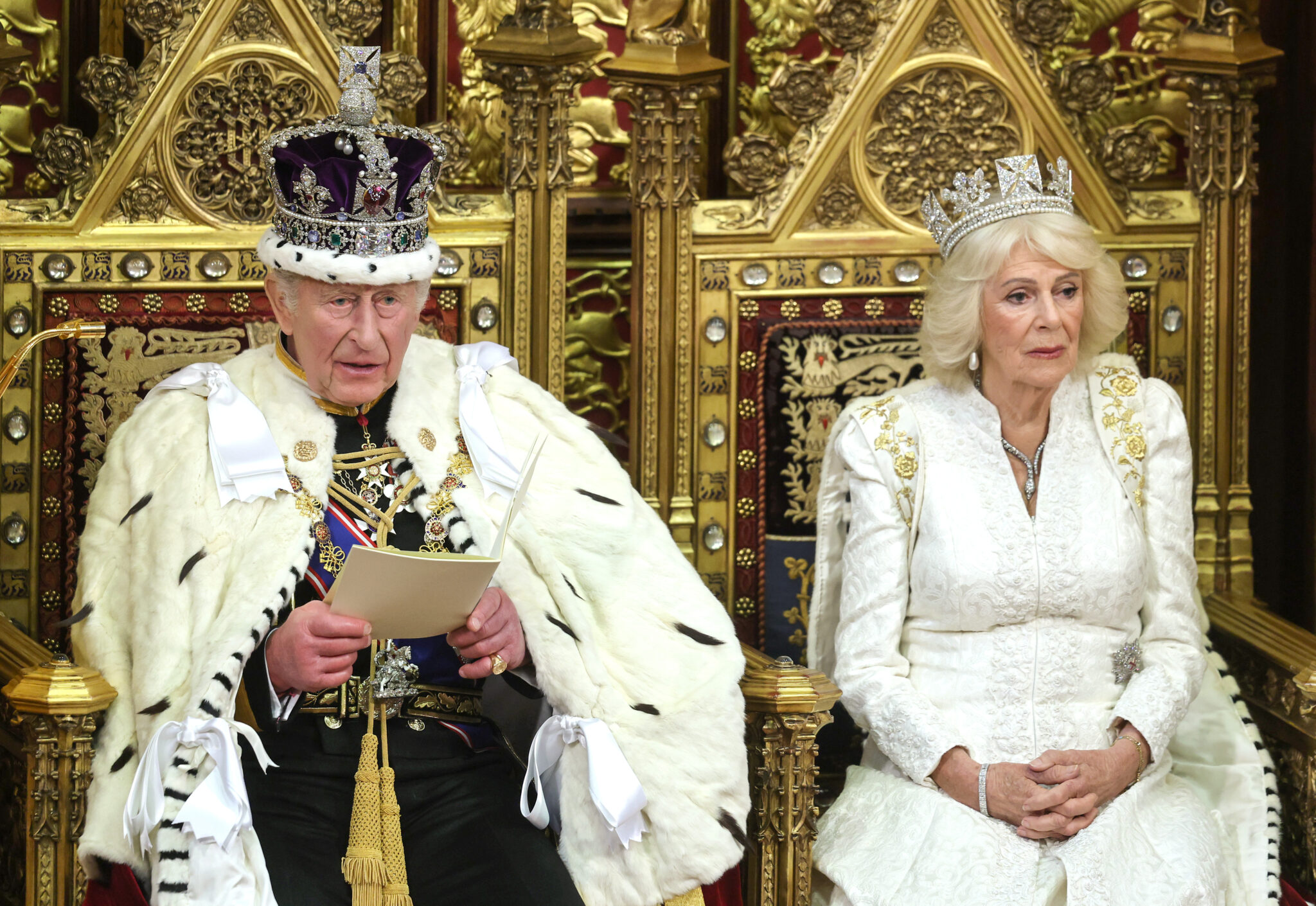
King Charles and Queen Camilla traveled from Buckingham Palace to Parliament in a horse-drawn carriage.
Inside the House of Lords, the king wore the Imperial State Crown and ceremonial robes while delivering the government’s legislative agenda.
One of the ceremony’s most famous moments occurred when Black Rod — the official messenger of the House of Lords — approached the House of Commons.
The Commons chamber doors were slammed shut in Black Rod’s face before being reopened after three knocks, symbolizing Parliament’s independence from the monarchy.
Questions Remain Over Starmer’s Future
Despite the elaborate royal spectacle, the dominant political question remains whether Starmer will survive long enough to implement the policies announced during the King’s Speech.
Even if he remains prime minister, analysts question whether he will retain sufficient authority within Labour to push legislation through Parliament effectively.
The coming days could prove decisive for Starmer’s political survival as rumours of leadership maneuvering continue spreading inside the party.
For now, Britain faces an unusual moment where historic royal ceremony and modern political instability have collided at the highest levels of government.