Rubio Reports ‘Slight Progress’ in Iran Talks Amid War Fears/ Newslooks/ WASHINGTON/ J. Mansour/ Morning Edition/ Secretary of State Marco Rubio said Friday there has been “slight progress” in ongoing negotiations with Iran. The talks continue amid uncertainty over whether diplomacy will succeed or military conflict will resume. Regional tensions remain high as reports emerge of Saudi and UAE strikes against Iranian-linked targets.
US Iran Talks Quick Looks
- Marco Rubio reported “slight progress” in Iran negotiations.
- Trump recently paused possible military strikes against Iran.
- NATO ministers are discussing security in the Strait of Hormuz.
- Trump and Netanyahu reportedly had a tense phone call.
- Pakistan continues mediating between the US and Iran.
- Iran has effectively closed the Strait of Hormuz.
- The US has redirected dozens of commercial vessels.
- Saudi Arabia and the UAE reportedly launched strikes on Iran-linked targets.
- Trump insists Iran cannot develop nuclear weapons.
- Gulf tensions continue threatening global energy markets.
Deep Look
Rubio Says Iran Talks Show “Slight Progress”
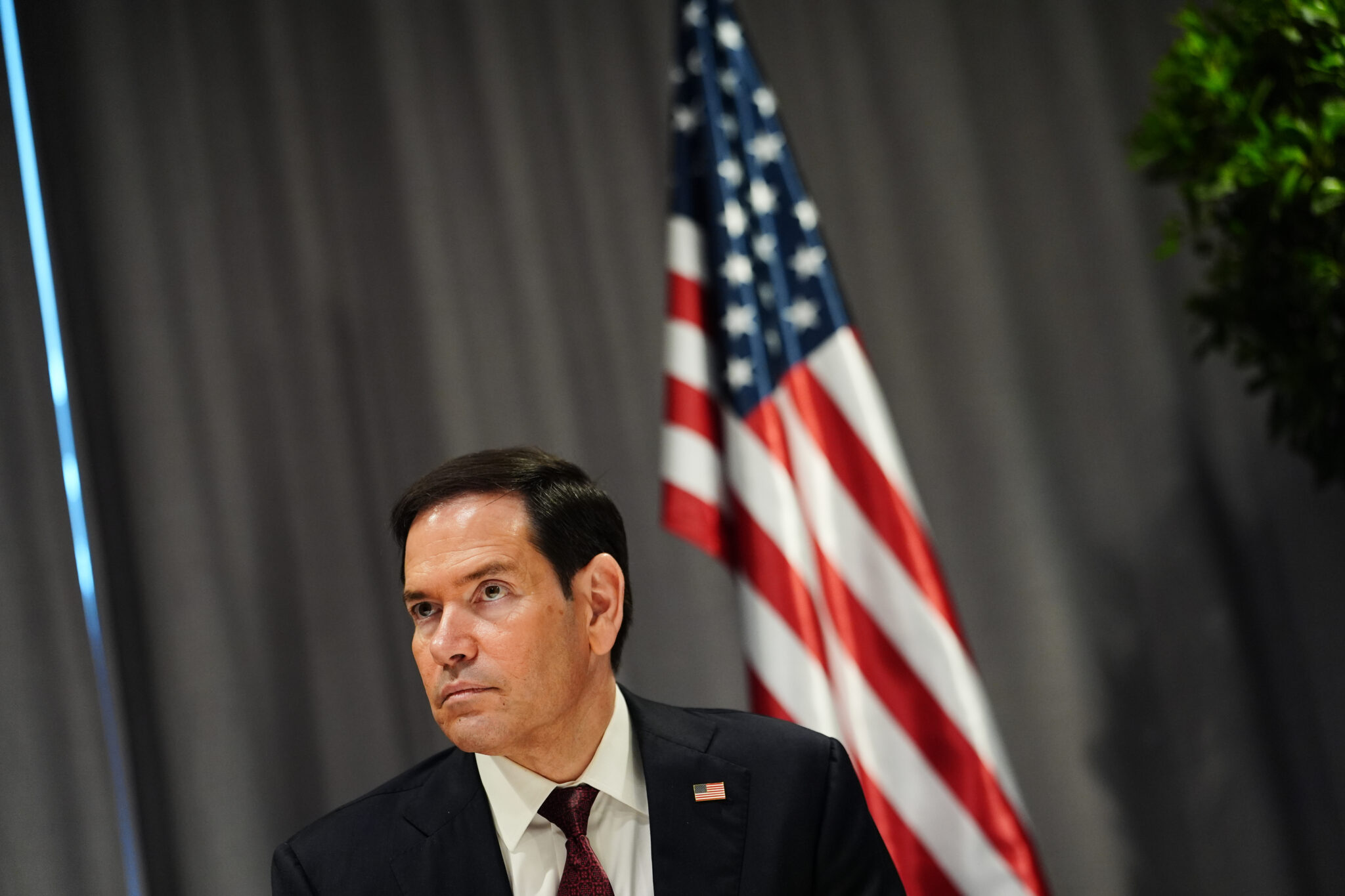
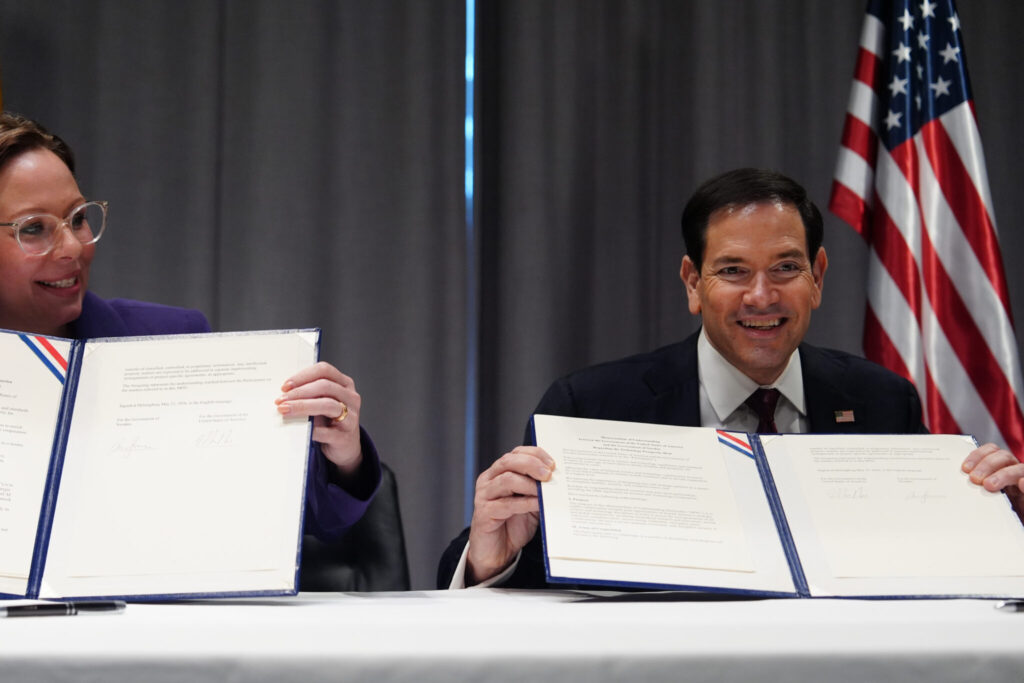
US Secretary of State Marco Rubio said Friday that ongoing negotiations with Iran have shown “slight progress” as uncertainty continues surrounding the future of the conflict and whether military action could resume.
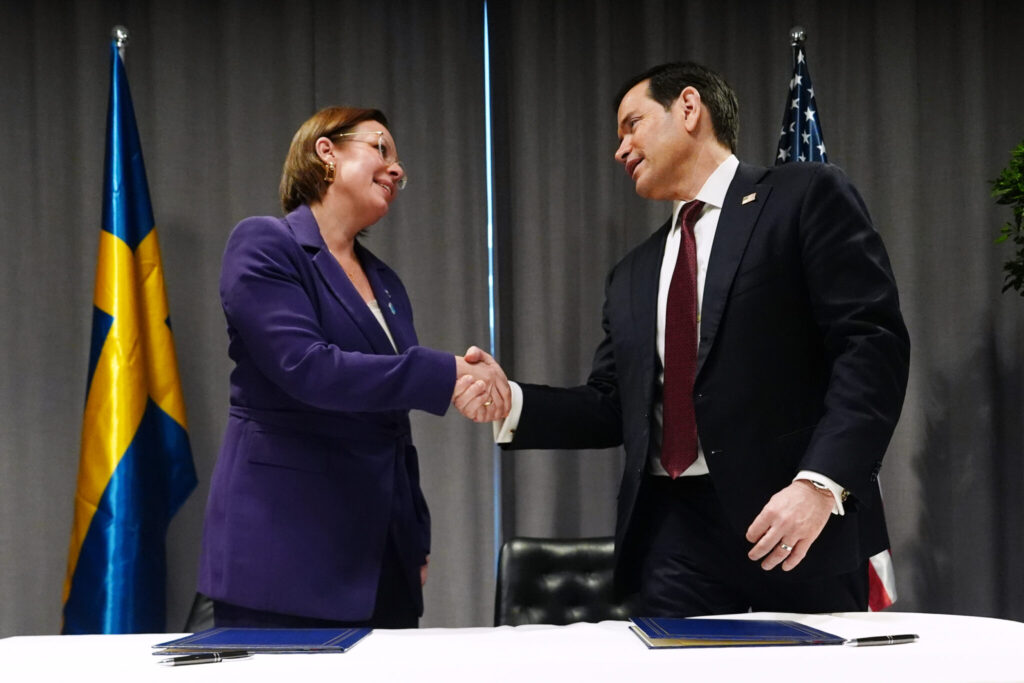
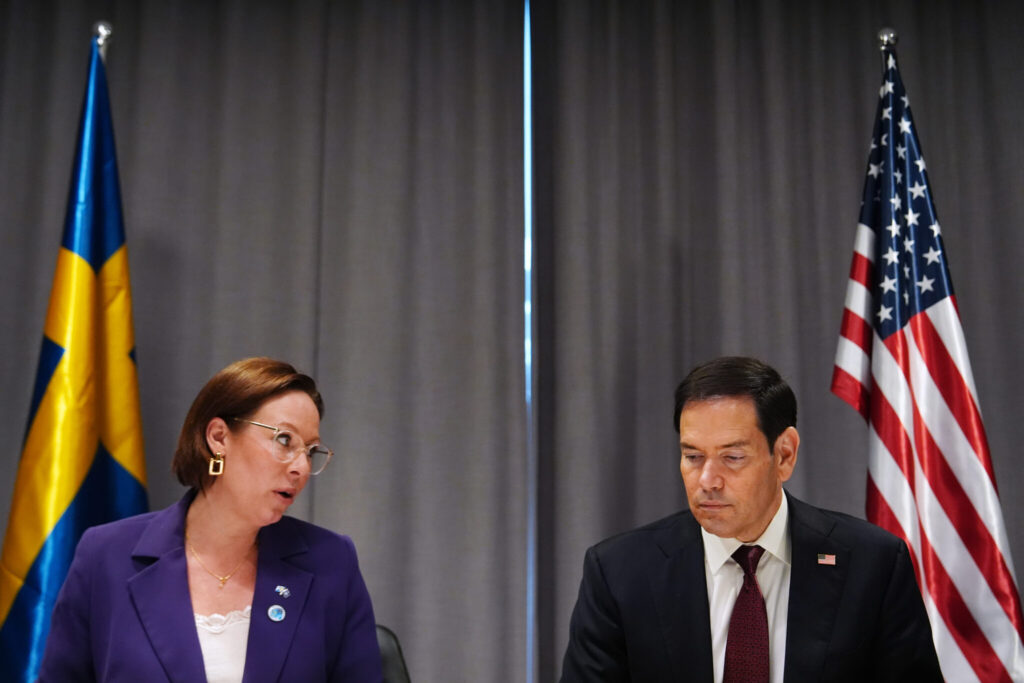
Rubio spoke ahead of a NATO foreign ministers meeting in Helsingborg, Sweden, where officials are expected to discuss security operations tied to the Strait of Hormuz once the conflict ends.
“I don’t want to exaggerate it,” Rubio said regarding the negotiations.
“There’s been a little bit of movement and that’s good.”
Despite repeated claims of diplomatic momentum in recent weeks, negotiators have yet to secure a breakthrough agreement.
Trump Paused Military Strike to Continue Talks
The latest diplomatic developments follow President Donald Trump’s decision earlier this week to delay potential military strikes against Iran.
Trump said “serious negotiations” were underway and claimed Middle Eastern allies urged him to give diplomacy more time.
According to Trump, leaders from Qatar, Saudi Arabia, and the United Arab Emirates requested restraint because their countries remained vulnerable to Iranian retaliation and attacks from allied militias.
The pause marked another shift in Trump’s frequently changing timeline regarding possible military action against Tehran.
Trump has repeatedly issued deadlines to Iran before extending or postponing them.
However, AP noted that Trump previously delayed military action before ultimately authorizing strikes at the start of the war in late February.
Tension Emerges Between Trump and Netanyahu
The diplomatic delay has reportedly created tensions between Trump and Israeli Prime Minister Benjamin Netanyahu.
According to an anonymous official cited by the Associated Press, Trump and Netanyahu had a “dramatic” phone conversation Tuesday regarding negotiations with Iran.
The official said Israeli leaders are increasingly frustrated by Trump’s efforts to pursue a diplomatic agreement with Tehran.
Trump later publicly commented on Netanyahu’s position.
“Netanyahu will do whatever I want him to do,” Trump told reporters.
The remarks represented one of the first visible signs of friction between the two leaders since the war began.
Pakistan Expands Mediation Efforts
Pakistan continues playing a growing diplomatic role in efforts to prevent further escalation.
Pakistani Army Chief Field Marshal Asim Munir traveled Friday to Tehran for another round of meetings with Iranian leaders.
Pakistani officials said Interior Minister Mohsin Naqvi had already met twice this week with Iranian officials as Islamabad attempts to facilitate negotiations between Washington and Tehran.
Pakistan reportedly helped arrange direct US-Iran discussions in Islamabad last month.
Officials also expect the diplomatic effort to become part of Prime Minister Shehbaz Sharif’s upcoming four-day visit to China.
Strait of Hormuz Crisis Continues
One of the biggest unresolved issues remains Iran’s effective closure of the Strait of Hormuz.
The strategic waterway serves as one of the world’s most critical shipping routes for oil, natural gas, fertilizer, and petroleum products.
The disruption has sent energy markets into turmoil and fueled inflation concerns worldwide.
US Central Command said American forces have redirected 94 commercial vessels and disabled four others since mid-April.
Rubio strongly criticized Iran’s actions.
He accused Tehran of trying to create “a tolling system” for ships passing through the strait.
“There’s no country in the world that should accept it,” Rubio said.
Nuclear Dispute Remains Central Issue
The core dispute between Washington and Tehran continues focusing on Iran’s nuclear program.
The United States and Israel insist Iran must never obtain nuclear weapons.
Trump has demanded the removal of highly enriched uranium from Iran and additional restrictions preventing future weapons development.
Iran maintains its nuclear program is intended solely for peaceful civilian purposes.
Although reports suggest Tehran may have offered limited concessions during negotiations, significant disagreements remain unresolved.
Saudi Arabia and UAE Reportedly Joined Conflict
The Associated Press also reported that Saudi Arabia and the United Arab Emirates separately launched military strikes against Iran and Iranian-backed militias during the conflict.
Two regional officials, a Western diplomat, and an Israeli military officer confirmed the operations anonymously because of the sensitivity of the matter.
According to the report:
- Saudi Arabia targeted Iranian-backed militias in Iraq, including Kataib Hezbollah.
- The UAE allegedly struck Iranian military positions directly.
- Gulf countries reportedly sought a coordinated regional military response.
The UAE later referenced a previous foreign ministry statement describing its military actions as defensive measures protecting national sovereignty and infrastructure.
Saudi Arabia did not immediately comment publicly.
Iran has also not officially acknowledged the reported strikes.
Diplomatic Window Remains Fragile
Despite Rubio’s comments about “slight progress,” the broader regional situation remains extremely fragile.
Diplomatic negotiations continue alongside military operations, economic disruptions, and rising geopolitical tensions across the Middle East.
The ongoing uncertainty surrounding the Strait of Hormuz, oil supplies, nuclear negotiations, and potential military escalation continues affecting global financial markets and international security planning.
For now, officials appear focused on preserving negotiations while preparing for the possibility that diplomacy could still fail.