Trump Reverses Course on US Troops in Europe, NATO Left Bewildered/ Newslooks/ WASHINGTON/ J. Mansour/ Morning Edition/ NATO allies reacted with confusion after President Trump announced plans to send 5,000 US troops to Poland weeks after ordering troop reductions in Europe. The sudden reversal has raised questions about Washington’s long-term military strategy and commitment to NATO security. European officials and US defense personnel said the conflicting signals have complicated defense planning across the alliance.
Trump NATO Troop Shift Quick Looks
- Trump announced 5,000 additional US troops for Poland.
- The move reversed an earlier plan to reduce troops in Europe.
- NATO allies expressed confusion over the sudden policy change.
- US officials had already halted troop rotations into Poland.
- Germany criticized Trump’s Iran war strategy before the reversal.
- Rubio said troop reductions in Europe remain likely long term.
- NATO continues reassessing defense planning along its eastern flank.
- Poland welcomed the decision as stabilizing troop levels.
- NATO officials say Europe must prepare for greater self-defense.
- The Pentagon currently maintains roughly 80,000 troops in Europe.
Deep Look
NATO Allies Left Confused by Trump’s Troop Reversal
NATO allies and defense officials reacted with bewilderment Friday after President Donald Trump abruptly reversed course on US troop deployments in Europe.
Just weeks after announcing plans to reduce America’s military footprint on the continent, Trump declared he would instead send 5,000 additional troops to Poland.
The sudden shift has intensified uncertainty among European allies already questioning Washington’s long-term commitment to NATO and European security.
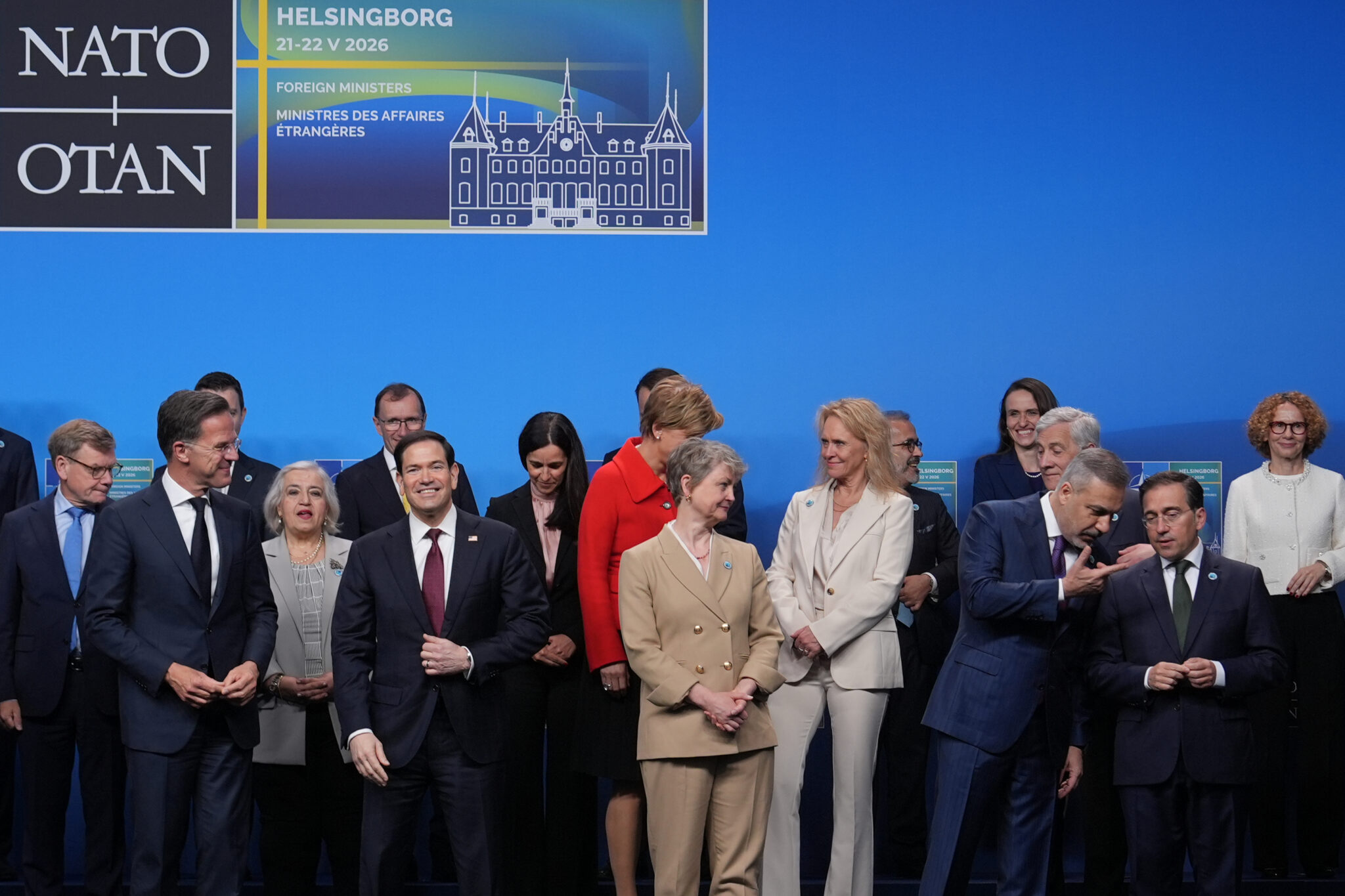
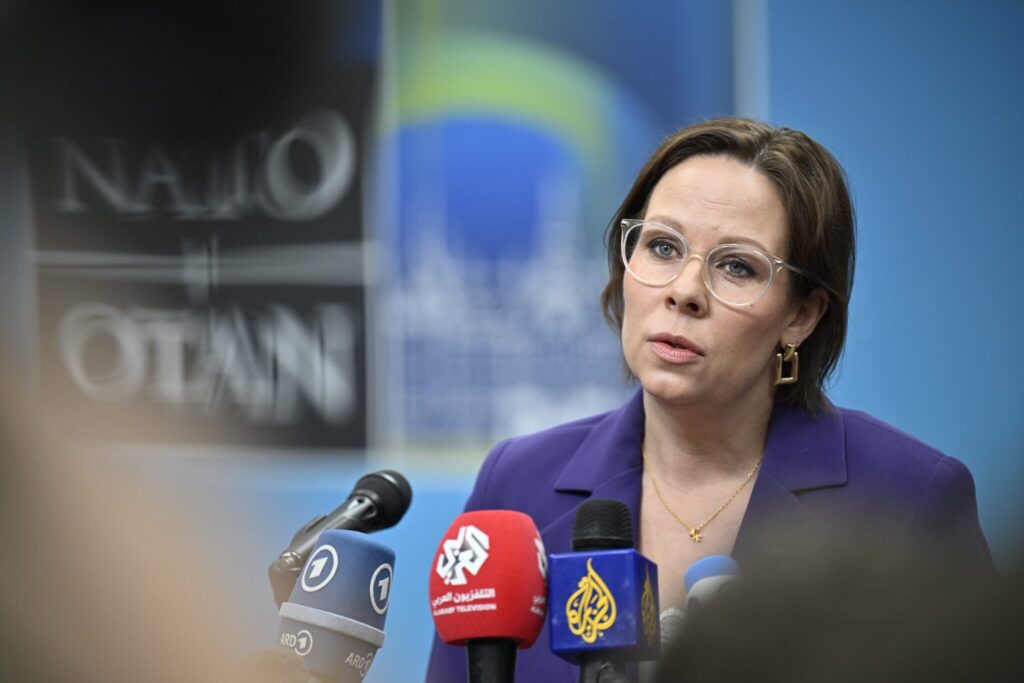
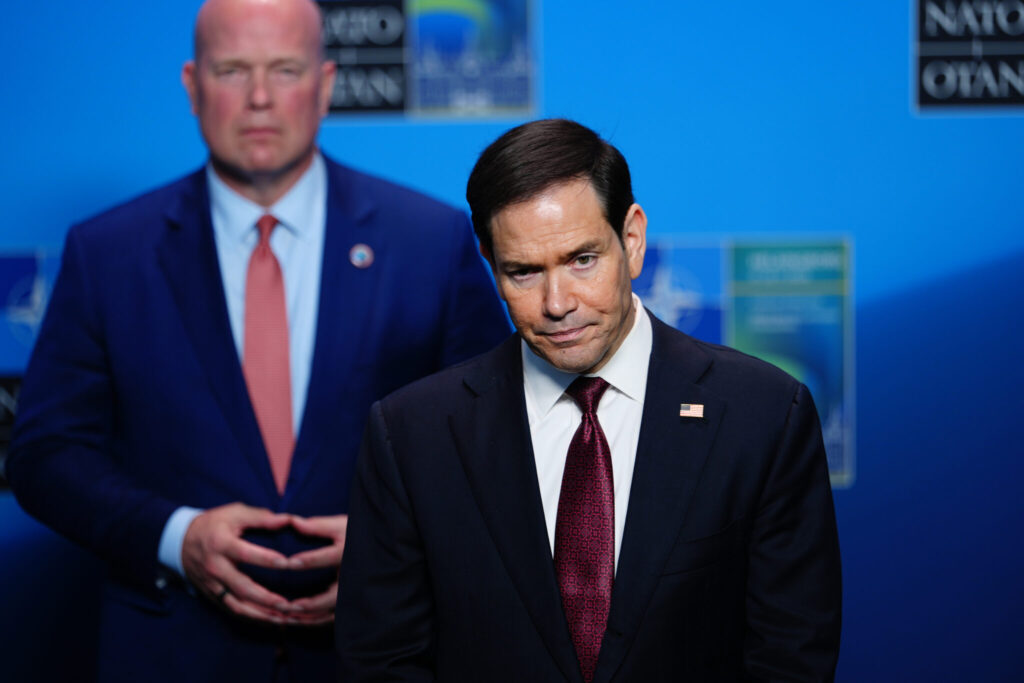
“It is confusing indeed, and not always easy to navigate,” Swedish Foreign Minister Maria Malmer Stenergard said during a NATO meeting in Sweden attended by Secretary of State Marco Rubio.
Trump’s Announcement Contradicted Earlier Pentagon Moves
Earlier this month, the Trump administration said approximately 5,000 US troops would be withdrawn from Europe as part of a broader reevaluation of overseas force deployments.
The Pentagon also halted deployments involving personnel trained to operate long-range missile systems in Germany.
Military commanders and NATO planners had already begun preparing for the reductions when Trump suddenly reversed course Thursday.
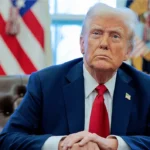
In a Truth Social post, Trump announced plans to send “an additional 5,000 Troops to Poland,” citing his close relationship with Polish President Karol Nawrocki.
US Defense Officials Also Express Confusion
The policy shift reportedly caught even Pentagon officials off guard.
“We just spent the better part of two weeks reacting to the first announcement,” one US defense official said anonymously.
“We don’t know what this means either.”
The conflicting signals have complicated NATO force planning and created uncertainty among allies responsible for securing the alliance’s eastern flank near Russia and Ukraine.
Several European governments had already begun discussing how to compensate for reduced American troop levels before Trump’s reversal.
Rubio Says Troop Reductions Still Expected Eventually
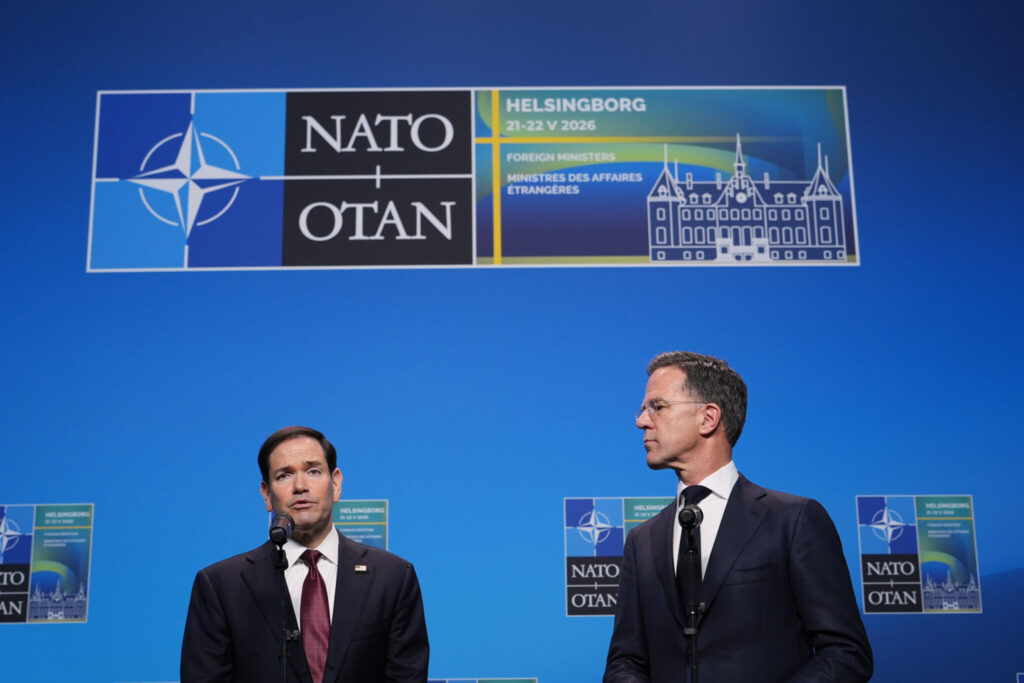
Secretary of State Marco Rubio attempted to reassure allies while also acknowledging that future US reductions in Europe remain likely.
“I think there’s a broad recognition that there are going to be eventually less US troops in Europe than there has historically been,” Rubio said.
Rubio emphasized the administration continues reevaluating global military commitments and force needs.
“Every country has to constantly reevaluate what their needs are, what their commitments are around the world, and how to properly structure that,” he added.
The comments reinforced fears among some NATO members that the United States may gradually scale back its European military presence regardless of the latest deployment announcement.
Germany Criticism Appears Linked to Initial Withdrawal
The original troop reduction announcement reportedly followed public criticism from German Chancellor Friedrich Merz.
Merz had accused the United States of being “humiliated” by Iran during the ongoing Middle East conflict and criticized Washington’s broader strategy.
Trump reacted angrily afterward, suggesting the US could cut even more troops from Europe while also threatening new tariffs targeting European automobiles.
Germany remains Europe’s largest car producer and one of NATO’s most important members.
Rubio insisted Friday the troop adjustments were “not a punitive thing” despite the timing.
Poland Welcomes US Troop Presence
While many NATO officials expressed confusion, Poland welcomed Trump’s latest announcement.
Polish Foreign Minister Radek Sikorski said the move effectively preserves current US troop levels in the country.
“The presence of American troops in Poland will be maintained more or less at previous levels,” Sikorski said.
Poland has consistently pushed for stronger permanent US military deployments because of security concerns involving Russia.
Warsaw remains one of Trump’s strongest European allies inside NATO.
NATO Continues Preparing for Long-Term Changes
The latest troop controversy comes as NATO leaders increasingly prepare for a future where Europe carries more responsibility for its own defense.
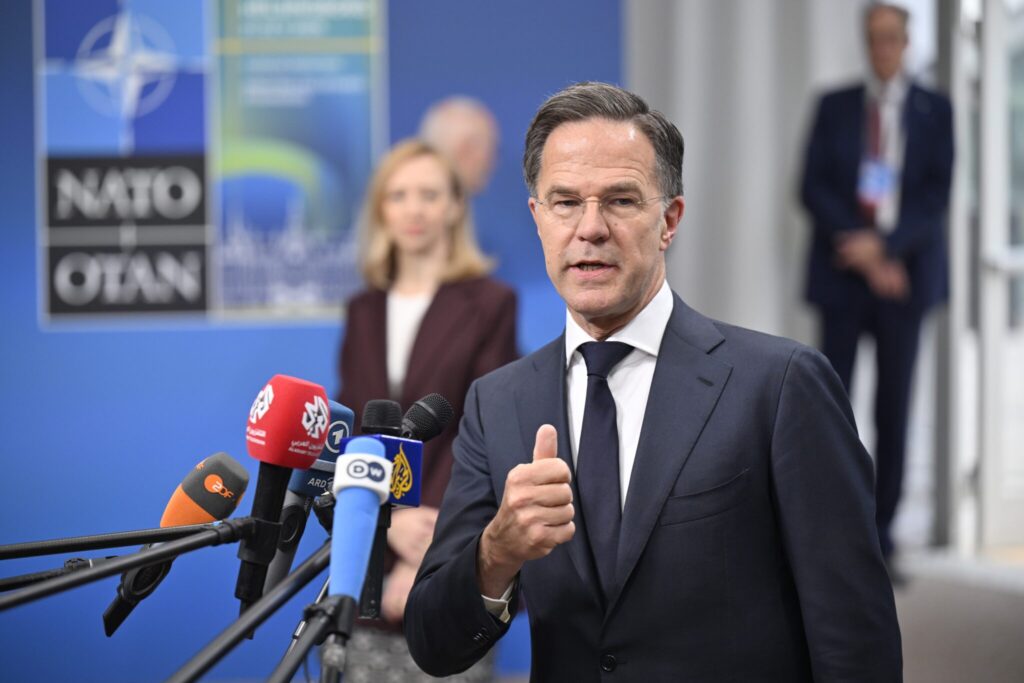
NATO Secretary-General Mark Rutte emphasized Thursday that Europe must continue strengthening its independent security capabilities.
“We have a process in place. This is normal business,” Rutte said before Trump’s new announcement.
Behind closed doors, NATO officials continue reassessing force commitments under the alliance’s NATO Force Model, which governs contingency planning for major security threats.
US Troop Levels Remain Politically Sensitive
Approximately 80,000 US troops are currently stationed across Europe. Federal law requires the Pentagon to maintain at least 76,000 troops on the continent unless NATO allies are formally consulted and national security reviews are completed.
The earlier proposed reductions risked dropping troop levels below that threshold.
Trump’s new announcement appears to temporarily preserve overall force levels while still leaving uncertainty about future military restructuring.
Allies Seek Clearer US Strategy
For many NATO allies, the larger issue extends beyond troop numbers alone.
European officials increasingly want clearer signals regarding America’s long-term strategic priorities, particularly as the alliance simultaneously confronts the Ukraine conflict, tensions with Russia, instability in the Middle East, and growing competition with China.
Trump’s rapid reversals on troop deployments have complicated alliance planning and reinforced concerns about unpredictability in US foreign policy.
Despite Rubio’s reassurances, many European leaders remain uncertain about how dramatically Washington’s military role in Europe could eventually change.