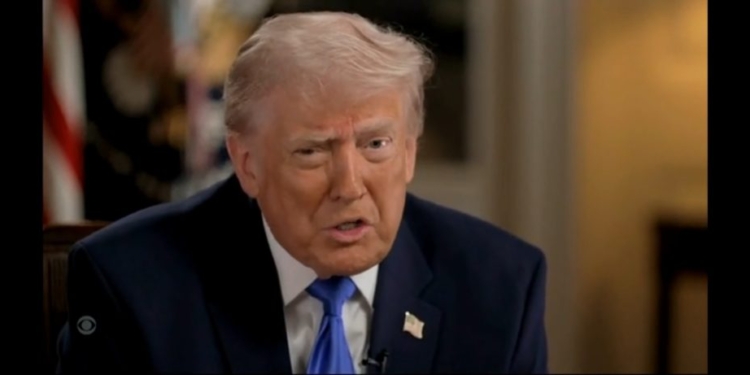
Trump Expands Push to Strip US Citizenship, Accelerates Denaturalization Bid/ Newslooks/ WASHINGTON/ J. Mansour/ Morning Edition/ The Trump administration is accelerating efforts to revoke citizenship from naturalized Americans by temporarily reassigning immigration lawyers to assist the Justice Department. Officials say the initiative focuses on uncovering fraud within the legal immigration system, though denaturalization cases face extremely high legal standards. The expanded crackdown marks a major escalation of Trump’s immigration enforcement agenda during his second term.
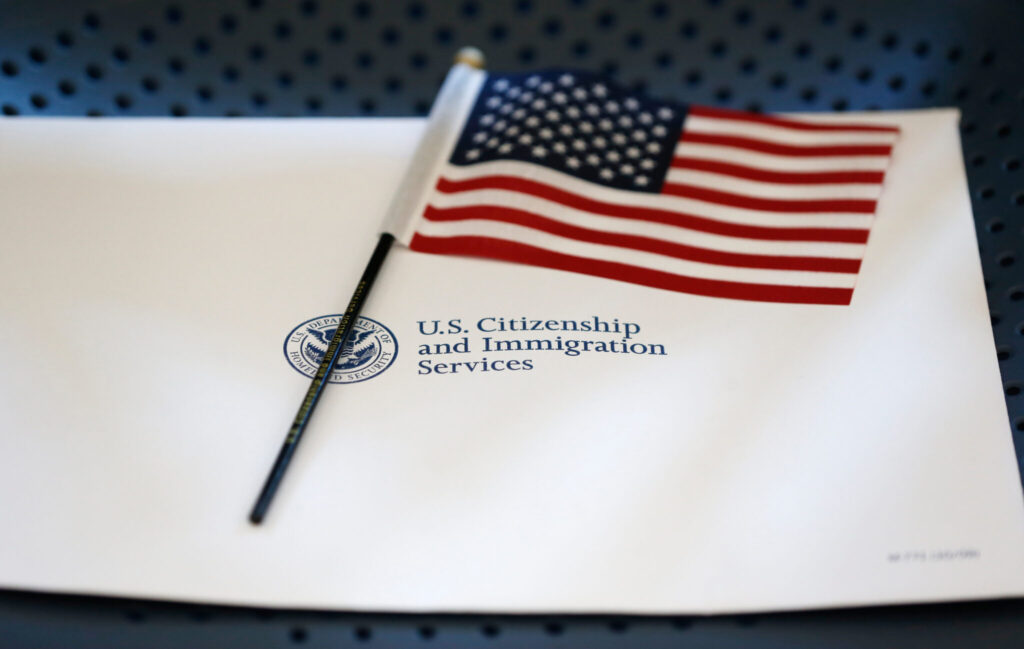
Trump Citizenship Crackdown Quick Looks
- The Trump administration is expanding denaturalization efforts.
- USCIS lawyers are being reassigned to DOJ offices.
- Officials reportedly called the transfers “force volunteered.”
- The effort targets alleged fraud in naturalization cases.
- Denaturalization requires a very high legal burden of proof.
- DOJ reportedly shortlisted 385 people for possible cases.
- Trump expanded denaturalization during his first term.
- USCIS says the initiative protects immigration system integrity.
- Critics argue many cases are difficult to prove.
- DOJ has filed 35 denaturalization cases this term.
Deep Look
Trump Administration Expands Denaturalization Push
The Trump administration is significantly escalating efforts to revoke citizenship from naturalized Americans as part of a broader crackdown on alleged immigration fraud.
According to Axios, immigration attorneys working for U.S. Citizenship and Immigration Services are being temporarily reassigned to Department of Justice offices to assist with denaturalization cases.
The move represents one of the administration’s most aggressive steps yet targeting legal immigration pathways during President Donald Trump’s second term.
Officials say the goal is to accelerate investigations into individuals accused of fraudulently obtaining American citizenship.
Immigration Lawyers Reassigned to DOJ
Four former agency officials told Axios that USCIS attorneys are being transferred into U.S. attorney offices around the country to support the initiative.
Some employees reportedly described the reassignment process as involuntary.
One source said lawyers were being “volun-told” to relocate temporarily, while another described the effort as attorneys “being force volunteered.”
According to officials familiar with the process, lawyers do not necessarily need prior courtroom or denaturalization experience.
Possessing an active law license is reportedly sufficient for reassignment eligibility.
USCIS spokesman Zach Kahler defended the move.
“We are proud to support this critical effort by providing the Department of Justice with a team of our most skilled immigration law attorneys,” Kahler said.
Denaturalization Cases Face High Legal Standards
Although the administration is intensifying enforcement efforts, legal experts note that denaturalization cases remain notoriously difficult to win.
To revoke citizenship in civil court, the government must prove fraud through:
“Clear, convincing, and unequivocal evidence which does not leave the issue in doubt.”
The burden applies in situations where prosecutors argue a person intentionally lied or concealed material facts during the naturalization process.
Former officials told Axios that many investigations struggle to meet the legal threshold.
“There’s a reason why ‘denats’ have never really taken off,” one source said.
“It’s really hard to prove.”
In some cases involving allegedly illegal citizenship acquisition, criminal charges may also be filed alongside denaturalization proceedings.
Trump First Expanded Denaturalization During First Term
Trump officials aggressively promoted denaturalization during his first administration.
At that time, USCIS established a specialized unit of roughly 10 to 15 attorneys focused exclusively on citizenship revocation investigations.
USCIS chief Joe Edlow said many of those earlier investigations remain active.
During Trump’s first term, officials claimed they identified approximately 2,500 potential denaturalization cases, though only a small percentage were ultimately referred to the Justice Department.
The current effort appears designed to dramatically increase case volume.
DOJ Reportedly Reviewing Hundreds of Cases
According to a New York Times report cited by Axios, Justice Department officials have already shortlisted approximately 385 individuals for possible denaturalization action.
The administration has reportedly filed 35 denaturalization cases since Trump’s second term began, including 12 cases filed this month alone.
A Justice Department memo from June 2025 identified denaturalization efforts as a formal enforcement priority for the administration.
The memo argued that pursuing such cases helps preserve “the overall integrity of the naturalization program.”
Administration Frames Effort as Anti-Fraud Initiative
Trump administration officials insist the policy specifically targets fraudulent applications rather than legal immigrants broadly.
A DOJ spokesperson told Axios the agency welcomed support from USCIS lawyers to:
“Advance the President’s mission to promote public safety and root out fraud.”
Joe Edlow has long advocated expanding denaturalization authority across multiple immigration offices rather than limiting investigations to a single centralized unit.
“I think it’s just as useful to have a decentralized denaturalization process,” Edlow said during a September event hosted by the Center for Immigration Studies.
“If that gives rise to the need for a denaturalization, we’re going to move forward,” he added.
Critics Warn About Broader Immigration Consequences
Immigration advocates and legal experts have repeatedly expressed concern that aggressive denaturalization efforts could create fear among naturalized citizens and immigrant communities.
Critics argue that citizenship revocation historically has been used sparingly because of the severe consequences involved.
Naturalized citizenship has generally been viewed as permanent except in clear cases involving fraud, war crimes, terrorism, or major criminal deception.
Opponents also worry that politically driven enforcement campaigns could undermine confidence in the immigration system itself.
The administration, however, argues stricter enforcement is necessary to deter abuse and maintain trust in the naturalization process.
Immigration Remains Central Trump Second-Term Priority
The denaturalization initiative fits into Trump’s broader second-term immigration agenda focused on:
- Mass deportations
- Border enforcement
- Visa restrictions
- Expanded detention operations
- Legal immigration scrutiny
Trump has repeatedly argued that previous administrations failed to properly vet immigration applications and asylum claims.
The latest crackdown signals the administration is now placing increased focus not only on undocumented immigration but also on legal immigration systems and citizenship reviews.
Citizenship Debate Likely to Intensify Politically
The expanded denaturalization campaign is expected to fuel further political and legal battles over immigration policy heading into the 2026 midterm elections.
Republicans continue framing the effort as a necessary anti-fraud initiative tied to national security and public trust.
Democrats and immigrant advocacy groups are expected to challenge both the scope and fairness of the administration’s actions.
As additional cases emerge, the debate over citizenship protections, immigration enforcement, and executive authority will likely remain at the center of national political discussions.