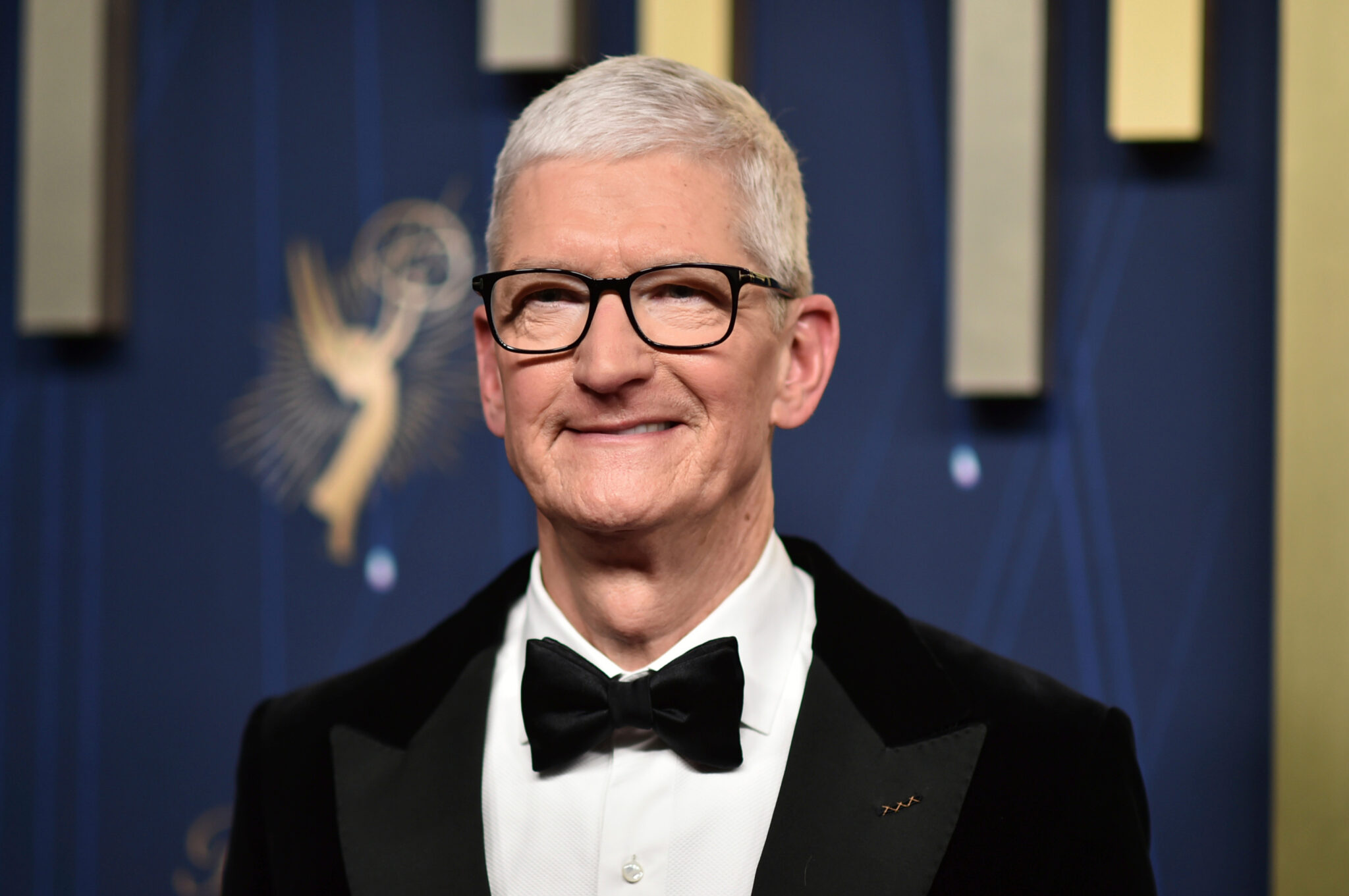
Apple CEO Tim Cook Hands Leadership to John Ternus/ Newslooks/ WASHINGTON/ J. Mansour/ Morning Edition/ Tim Cook will step down as CEO of Apple after 15 years, handing leadership to hardware chief John Ternus on Sept. 1. Cook will remain involved as executive chairman while Ternus takes over during a critical period shaped by artificial intelligence competition. The leadership transition closes one of the most financially successful eras in Apple’s history.
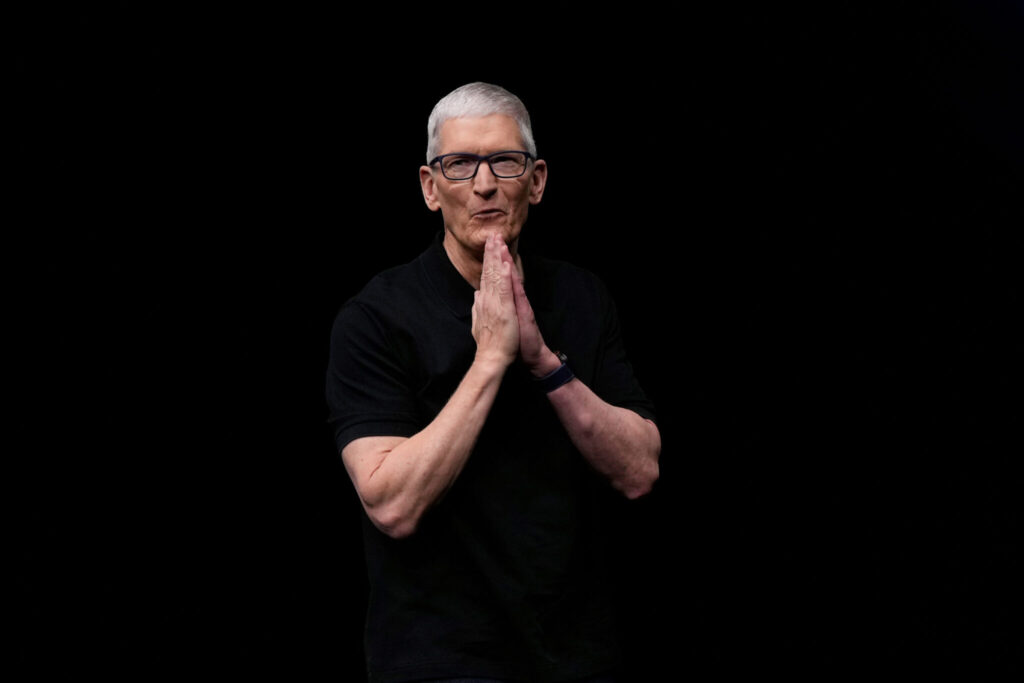
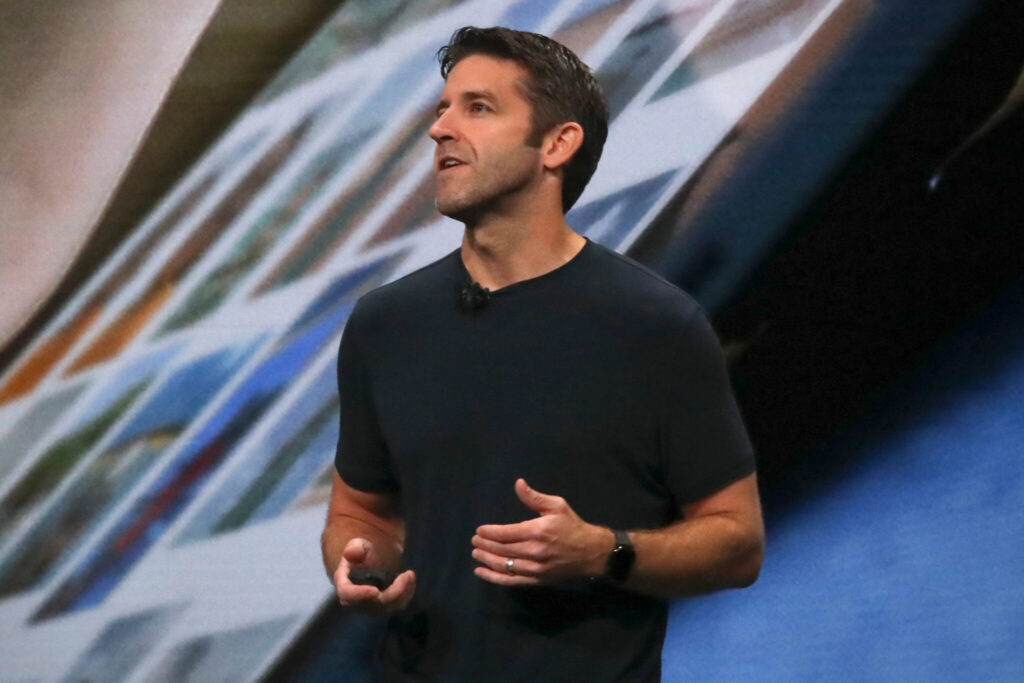
Tim Cook to Step Down as Apple CEO Quick Looks
- Tim Cook will leave the CEO role on Sept. 1
- John Ternus will become Apple’s next CEO
- Cook will stay with Apple as executive chairman
- Apple’s value grew by more than $3.6 trillion during Cook’s leadership
- Ternus has led hardware engineering for iPhone, iPad, and Mac
- The CEO change comes as Apple faces major AI competition
- Apple has struggled to keep pace in artificial intelligence
- Analysts say AI strategy is now the company’s top priority
Deep Look
Tim Cook Ends Historic Run as Apple CEO
Tim Cook is stepping down as chief executive of Apple, closing a 15-year leadership era that transformed the company into one of the most valuable businesses in history.
Cook, 65, will officially hand over CEO duties on Sept. 1 to John Ternus, the company’s longtime head of hardware engineering.
He will remain with the Cupertino-based company as executive chairman, continuing to play a strategic role while transitioning day-to-day leadership to a new generation.
The move follows a leadership model similar to transitions made by Jeff Bezos at Amazon and Reed Hastings at Netflix.
To make room for Cook’s new role, Arthur Levinson will step down as Apple’s non-executive chairman while remaining on the board.
“It has been the greatest privilege of my life to be the CEO of Apple and to have been trusted to lead such an extraordinary company,” Cook said.
“I love Apple with all of my being, and I am so grateful to have had the opportunity to work with a team of such ingenious, innovative, creative, and deeply caring people.”
John Ternus Takes Over at a Critical Time
John Ternus, 50, has spent 25 years at Apple and has become one of the company’s most trusted senior leaders.
For the past five years, he has overseen the engineering behind Apple’s most important products, including the iPhone, iPad, and Mac.
That made him one of the strongest internal candidates to succeed Cook.
“I am profoundly grateful for this opportunity to carry Apple’s mission forward,” Ternus said.
The leadership change comes during one of the most important periods in Apple’s modern history.
Artificial intelligence has created the biggest disruption in consumer technology since the launch of the first iPhone in 2007.
Apple has struggled to keep up.
After promising major AI upgrades nearly two years ago, the company faced delays and setbacks, especially with Siri and other software tools.
Earlier this year, Apple turned to Google to help improve Siri into a more conversational and useful assistant.
That move signaled how serious Apple’s AI challenges had become.
Cook’s Legacy: Financial Powerhouse Built on the iPhone
Cook inherited Apple from the late Steve Jobs in 2011, shortly before Jobs died after a long battle with cancer.
At the time, Apple was already powerful—but many doubted whether anyone could successfully follow Jobs.
Cook proved them wrong financially.
During his leadership, Apple’s market value grew from around $350 billion to roughly $4 trillion.
The company became the first publicly traded business to cross $1 trillion, then $2 trillion, and later $3 trillion in market value.
Apple’s annual revenue also surged from $108 billion when Cook became CEO to $416 billion today.
Much of that success came from maximizing the global dominance of the iPhone and strengthening Apple’s supply chain and services business.
“Steve Jobs was never going to be an easy act to follow, yet Tim Cook took Jobs’ legacy and transformed Apple into a durable, resilient financial powerhouse,” said Forrester Research analyst Dipanjan Chatterjee.
Questions About Innovation Still Follow Cook
Despite Apple’s financial success, Cook was often criticized for not delivering a breakthrough innovation on the scale of the iPhone.
Many of Apple’s biggest products—including the iPhone, iPad, and Mac ecosystem—were conceived under Jobs.
That led some critics to describe Cook more as a master operator than a visionary inventor.
Apple did successfully launch major product lines such as the Apple Watch and AirPods, along with the Vision Pro virtual reality headset.
However, none matched the cultural or business impact of the iPhone.
Other ambitious efforts, including Apple’s long-rumored self-driving car project, were eventually abandoned after years of development.
“While Cook has kept Apple’s growth trajectory moving at a steady clip, he has not overseen a step-change innovation that would reset Apple’s competitive position for the next two decades, as Jobs did with the iPhone,” Chatterjee said.
This challenge now becomes Ternus’ responsibility.
AI Competition Changes the Leadership Equation
Another reason for the CEO transition is the growing importance of artificial intelligence.
Analysts believe Apple needs stronger strategic direction in AI as competitors race ahead.
Chipmaker NVIDIA recently became the first company to cross both $4 trillion and $5 trillion in market value because of massive demand for AI processors.
Apple, despite its enormous size, has been slower to capitalize on the AI boom.
“Cook created a major legacy at Apple but it was ultimately time to pass the torch to Ternus with the AI strategy now the focus,” said Wedbush Securities analyst Dan Ives.
How Ternus handles Apple’s AI strategy may define the next decade for the company.
Political and Global Supply Chain Challenges
Cook also became known for managing Apple’s global manufacturing system and navigating difficult political relationships.
Before becoming CEO, he was hired by Jobs in 1998 to oversee Apple’s supply chain.
He built a powerful global manufacturing network centered heavily in China, helping Apple produce its core products efficiently at massive scale.
That made him especially important during trade tensions with President Donald Trump, particularly during Trump’s tariffs on Chinese goods.
During Trump’s second administration, Cook again reduced tariff exposure by shifting more U.S.-bound iPhone production to India and promising $600 billion in U.S. investment.
His political diplomacy became nearly as important as his product leadership.
A Personal Legacy Beyond Business
Cook also left a major social legacy beyond technology and finance.
In 2014, he publicly acknowledged that he is gay in a personal essay, becoming one of the highest-profile openly gay CEOs in corporate America.
The moment was widely viewed as a major milestone for LGBTQ+ visibility in global business leadership.
It added a personal and cultural dimension to a career often defined by numbers and operations.
Now, as he steps into the executive chairman role, Cook leaves behind one of the most successful executive tenures in Silicon Valley history.
The next chapter for Apple—and for Ternus—will be judged by whether the company can once again redefine the future of technology.