Hegseth Clashes for 2nd Day with Democrats in Congress over Iran War/ Newslooks/ WASHINGTON/ J. Mansour/ Morning Edition/ Defense Secretary Pete Hegseth faced sharp criticism from Democrats over the Iran war during congressional hearings. Lawmakers questioned the war’s justification, costs, and long-term strategy, while Republicans largely backed the administration. The debate comes as a key legal deadline approaches for congressional authorization of military action.

Hegseth Iran War Hearing Quick Looks
- Defense Secretary Pete Hegseth clashed with Democrats in Congress
- Critics say the Iran war lacks clear strategy and justification
- Republicans defended the military campaign and Trump’s approach
- War has cost about $25 billion so far
- 13 U.S. service members have been killed in the conflict
- Strait of Hormuz closure cited as a strategic setback
- Congress faces deadline under War Powers Act
- Questions raised over civilian casualties and military leadership changes
Deep Look
Hegseth Defends Iran War in Congress
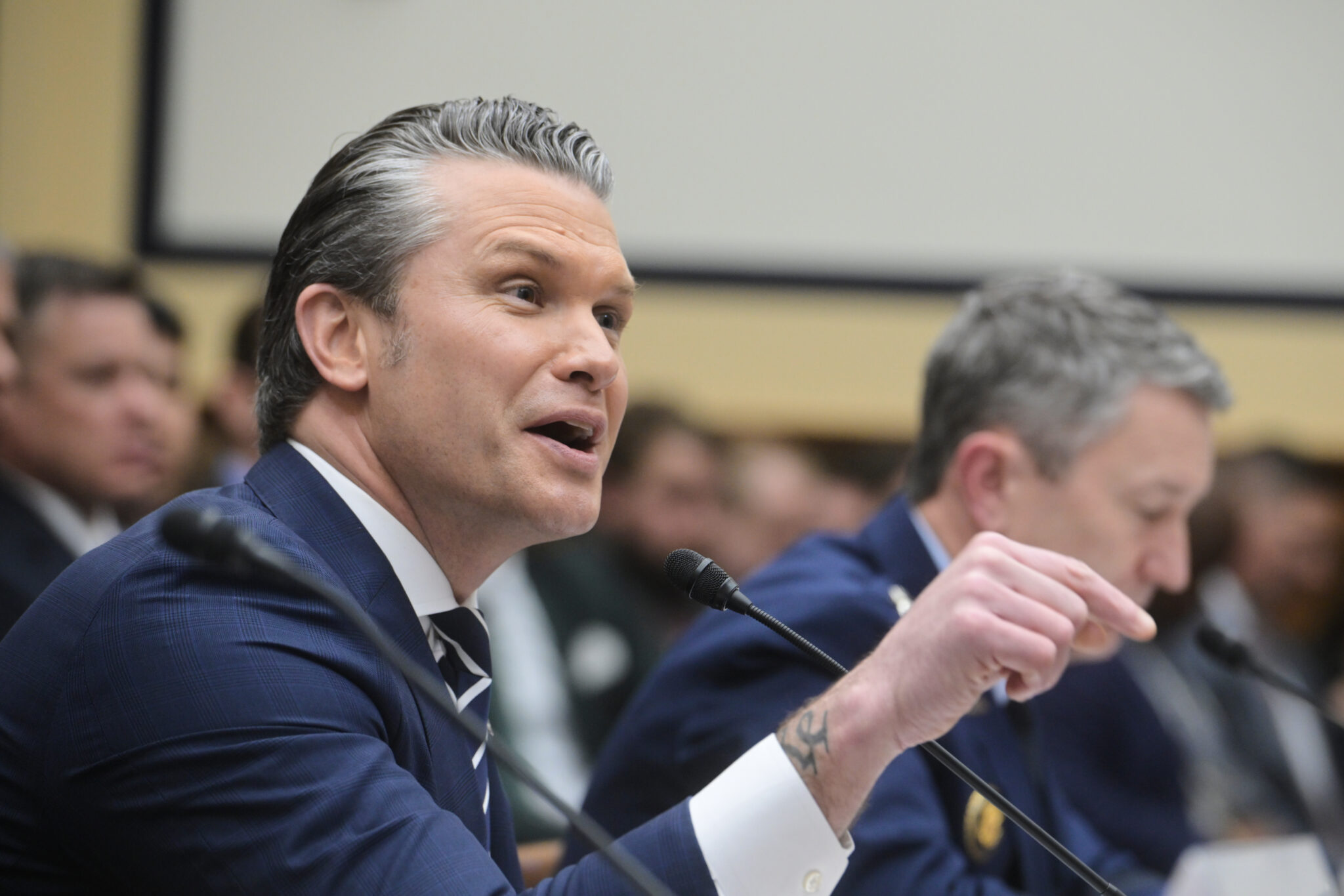
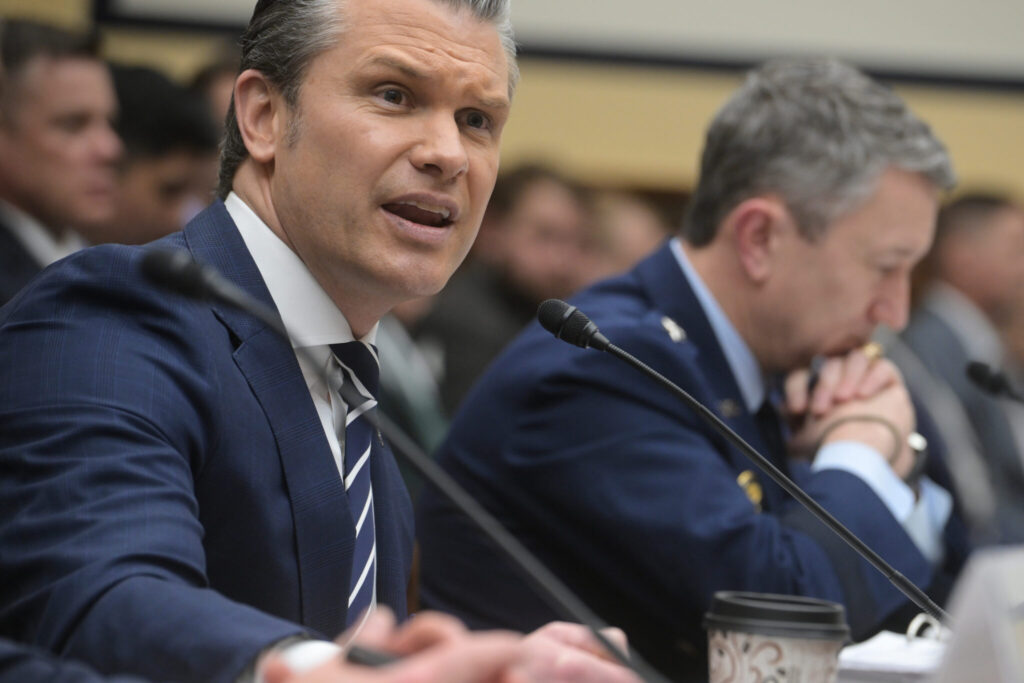
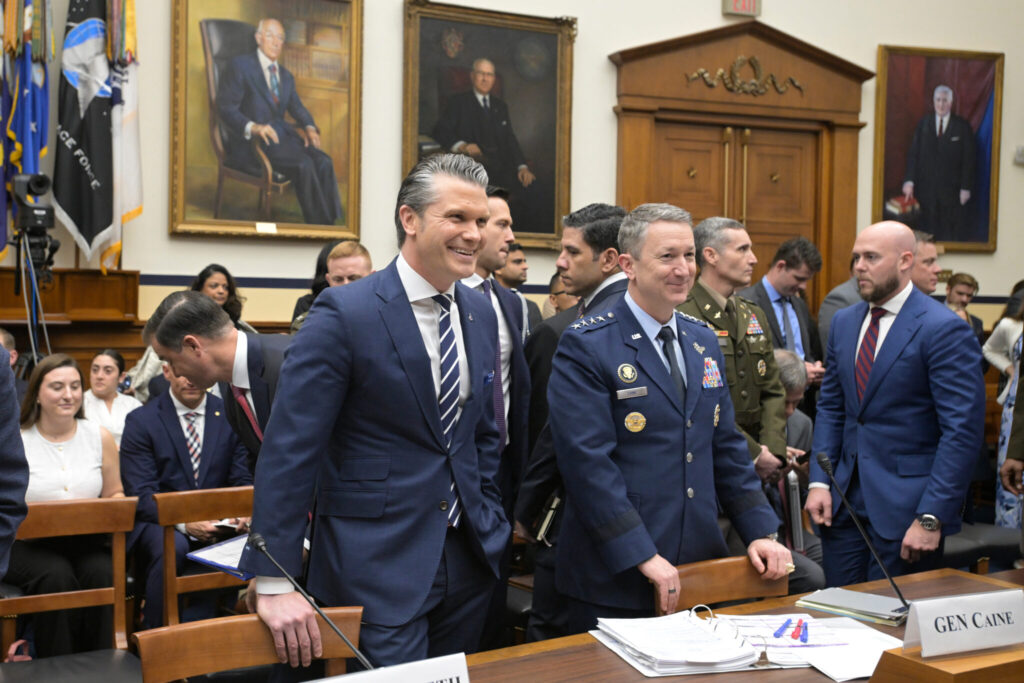
WASHINGTON — Defense Secretary Pete Hegseth faced intense questioning from Democratic lawmakers for a second straight day as he defended the Trump administration’s handling of the Iran war during congressional hearings.
In opening remarks, Hegseth pushed back strongly against critics, calling them “reckless naysayers” and “defeatists from the cheap seats,” while praising the administration’s military efforts.
He argued that President Donald Trump has shown decisive leadership in confronting Iran and preventing it from acquiring nuclear weapons.
Democrats Question Strategy and Justification
Democratic lawmakers sharply criticized the war, arguing it was launched without clear evidence of an imminent threat and lacks a coherent long-term strategy.
Sen. Jack Reed warned that the conflict has weakened the United States strategically, pointing to the closure of the Strait of Hormuz and mounting casualties.
“The American people’s trust in our military took 250 years to build. You are dismantling it in a fraction of that time,” Reed said.
Lawmakers also questioned inconsistencies in the administration’s rationale for the war, particularly regarding Iran’s nuclear capabilities.
Republicans Back Administration Approach
Republican lawmakers largely supported Hegseth and the administration’s actions.
Sen. Roger Wicker described the global security environment as the most dangerous since World War II and praised Trump’s use of military force to pressure Iran.
He also endorsed the administration’s proposed $1.5 trillion defense budget, calling it essential for maintaining U.S. security in the modern era.
War Costs and Casualties Under Scrutiny
The hearings highlighted the growing human and financial costs of the conflict.
Pentagon officials estimate the war has already cost about $25 billion, primarily for munitions and military operations.
At least 13 U.S. service members have been killed, with many more wounded and equipment losses reported.
Despite repeated questions, Hegseth declined to provide a timeline for how long the war might continue or its potential future cost.
Civilian Casualties Raise Concerns
Lawmakers also pressed Hegseth on reports of civilian casualties, including a strike on an Iranian elementary school that killed more than 165 people.
The incident remains under investigation, though mounting evidence suggests U.S. involvement.
In another exchange, lawmakers questioned whether a drone strike that killed six American soldiers in Kuwait could have been prevented.
Hegseth did not directly answer but said the military had taken steps to protect U.S. forces.
Legal Deadline Approaches
The debate comes as Congress faces a looming deadline under the War Powers Act of 1973.
The law requires congressional authorization for military action within 60 days, a deadline set to arrive Friday.
Although lawmakers have introduced resolutions to limit or halt the war, none have passed.
The administration is currently in discussions with Congress on how to address the deadline, including the possibility of an extension.
Leadership Changes Add to Tensions
Hegseth also faced questions about recent changes in military leadership, including the dismissal of several top officers.
Among them was Gen. Randy George, the Army’s top uniformed officer.
Democrats expressed concern that such moves could undermine stability and morale within the military.
Ongoing Divide in Congress
The hearings underscore the deep divide in Congress over the Iran war.
Democrats describe the conflict as a costly and unnecessary war of choice, while Republicans argue it is a necessary step to counter Iran’s threats.
With a fragile ceasefire in place and no clear resolution in sight, the debate over strategy, oversight, and accountability is likely to continue.