US Navy Seizes Iranian Ship Near Strait of Hormuz, Tehran Vows Response/ Newslooks/ WASHINGTON/ J. Mansour/ Morning Edition/ The United States seized an Iranian-flagged cargo ship near the Strait of Hormuz, escalating tensions just days before a fragile ceasefire expires. Iran condemned the move as piracy and warned of a swift response while uncertainty surrounded planned diplomatic talks in Pakistan. The standoff pushed oil prices higher, raising fears of a worsening global energy crisis and deeper regional conflict.
US Navy Seizes Iranian Ship Near Strait of Hormuz Quick Looks
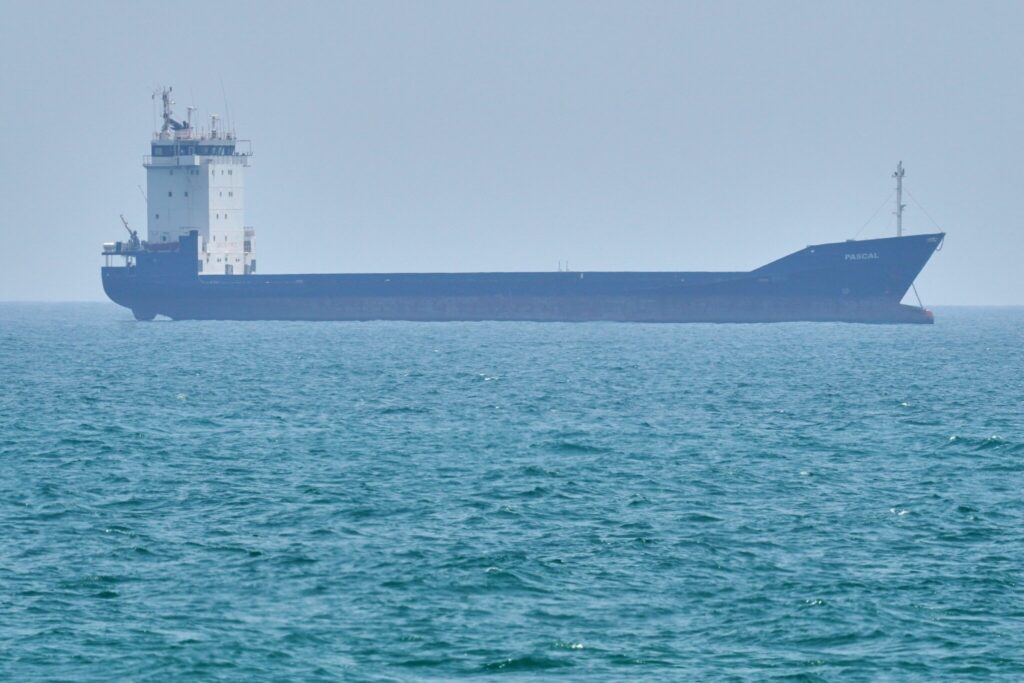
- The U.S. intercepted and seized the Iranian-flagged cargo ship Touska near the Strait of Hormuz
- President Donald Trump said the vessel ignored warnings and was stopped by force
- Iran called the action piracy and accused Washington of violating the ceasefire
- Planned U.S.-Iran talks in Pakistan now face major uncertainty
- Oil prices surged again as fears over global energy supplies intensified
- Iran warned it may continue controlling shipping access through the strait
- The Strait of Hormuz handles nearly one-fifth of the world’s oil trade
- Tehran says restrictions will remain until the war fully ends
Deep Look
U.S. Navy Seizes Iranian Vessel Near Strategic Waterway
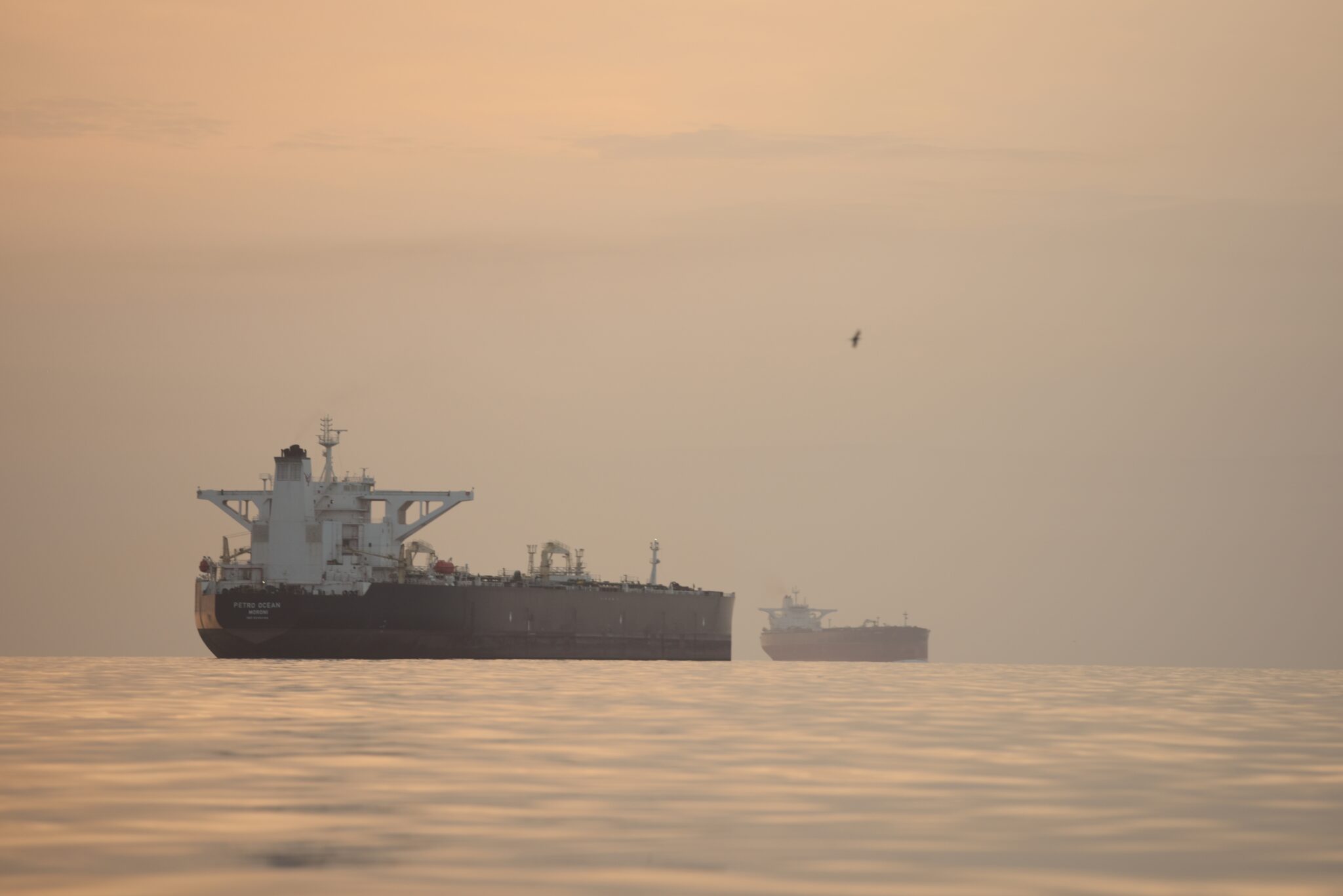
Tensions between the United States and Iran sharply escalated after U.S. forces intercepted and seized an Iranian-flagged cargo ship near the Strait of Hormuz on Sunday, creating fresh uncertainty around an already fragile ceasefire set to expire this week.
The vessel, identified as the Touska, was reportedly attempting to evade the U.S. naval blockade that was imposed on Iranian ports last week. This marked the first major interception since Washington began enforcing the blockade, significantly raising the stakes in the region.
President Donald Trump announced the operation on social media, saying a U.S. Navy guided missile destroyer operating in the Gulf of Oman warned the ship to stop before taking action.
According to Trump, the destroyer “stopped them right in their tracks by blowing a hole in the engineroom.”
He added that U.S. Marines had taken custody of the sanctioned vessel and were “seeing what’s on board!”
U.S. Central Command later confirmed the operation, saying the destroyer had issued “repeated warnings over a six-hour period,” though officials did not provide further details or confirm whether anyone onboard was injured.
Iran Calls Ship Seizure Piracy and Ceasefire Violation
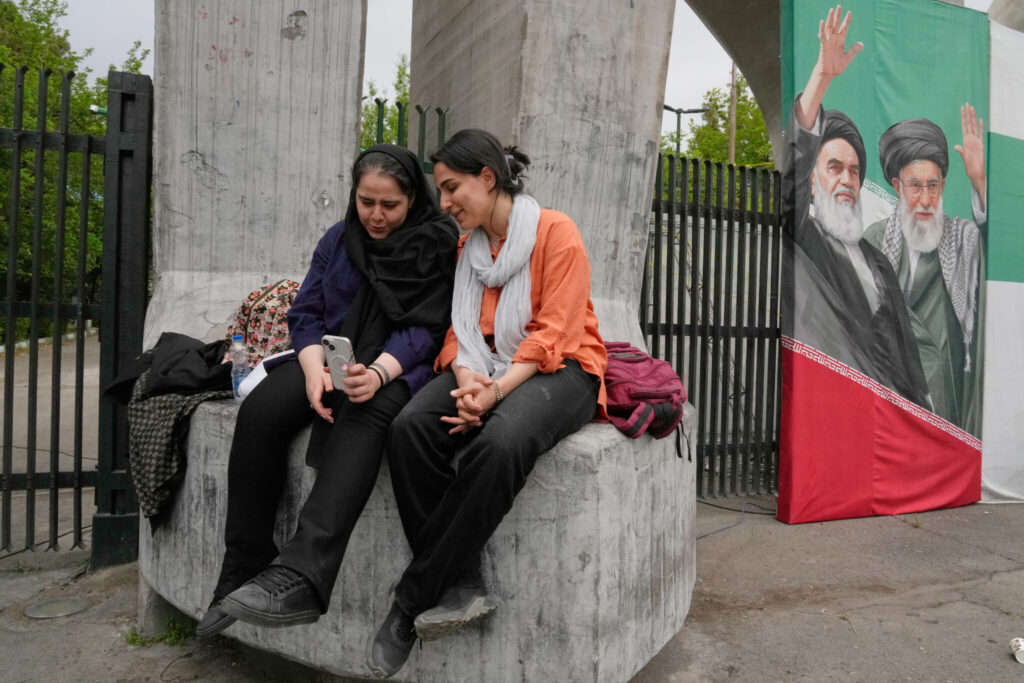
Iran’s joint military command strongly condemned the U.S. boarding, calling it an act of piracy and a direct violation of the ceasefire agreement.
Iranian state television reported that military leaders promised a swift response, increasing fears that the already unstable ceasefire could collapse before its scheduled expiration on Wednesday.
The confrontation comes during one of the most volatile periods in U.S.-Iran relations in years, with both countries locked in military and economic pressure campaigns tied to Tehran’s nuclear ambitions, regional proxy conflicts, and control of the Strait of Hormuz.
Iran views the U.S. blockade as economic warfare, while Washington argues it is necessary to pressure Tehran into accepting a new diplomatic agreement.
The seizure also cast doubt over Trump’s earlier announcement that U.S. negotiators would travel to Pakistan on Monday for renewed talks with Iranian officials.
Iranian Officials Signal Talks May Not Happen
Although Iranian leaders did not directly respond to Trump’s announcement regarding new talks, state media strongly suggested that negotiations may no longer move forward.
Iranian President Masoud Pezeshkian reportedly told Pakistan Prime Minister Shehbaz Sharif that U.S. actions, including bullying and unreasonable behavior, had increased fears Washington would once again “betray diplomacy.”
Iranian Foreign Minister Abbas Araghchi delivered a similar message during a separate call with Pakistani Foreign Minister Ishaq Dar, describing recent U.S. rhetoric and military actions as signs of “bad intentions and lack of seriousness in diplomacy.”
Two previous attempts at negotiations — one last June and another earlier this year — were both interrupted by Israeli and U.S. military operations.
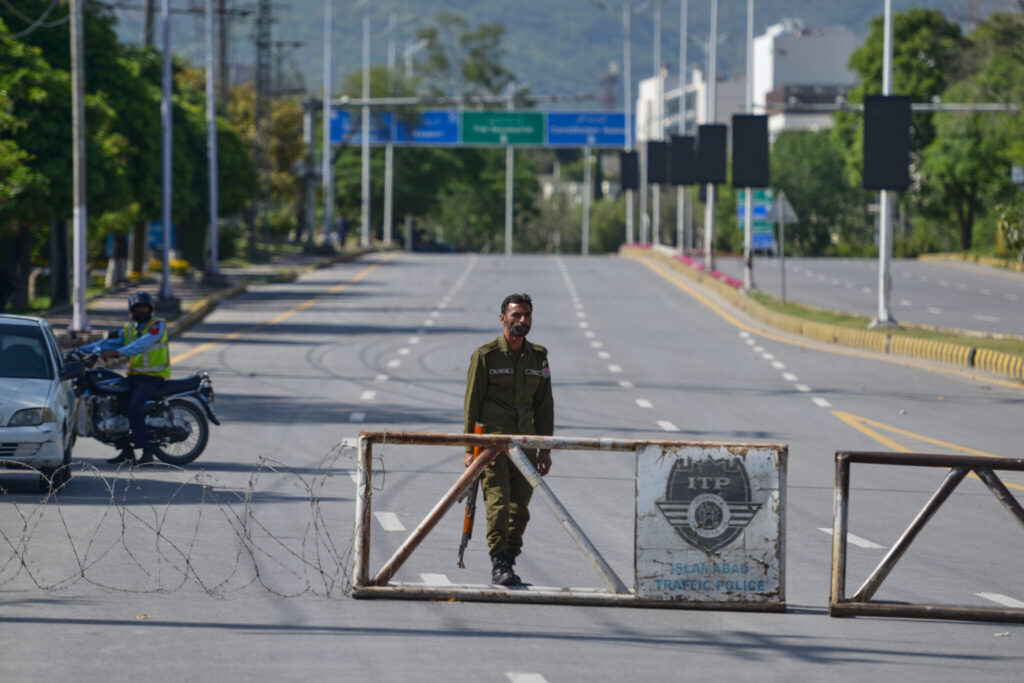
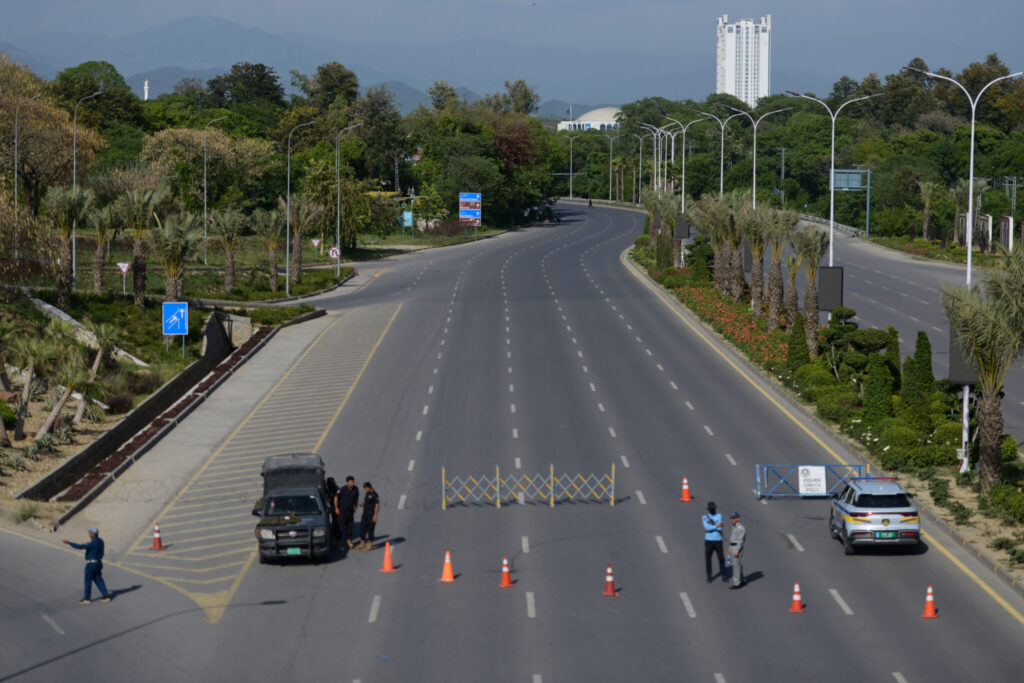
Despite the tension, Pakistani authorities had reportedly started tightening security in Islamabad in preparation for a possible diplomatic summit. A regional official involved in the preparations said mediators were still working to finalize arrangements and that U.S. advance security teams were already present.
The White House had previously announced that Vice President JD Vance would lead the American delegation, joined by envoys Steve Witkoff and Jared Kushner.
Iran also confirmed it had received new proposals from Washington. Parliament Speaker Mohammed Bagher Qalibaf stated late Saturday that “there will be no retreat in the field of diplomacy,” while also admitting that major differences remained unresolved.
Strait of Hormuz Remains Global Pressure Point
The biggest concern for global markets remains the Strait of Hormuz, one of the world’s most important shipping routes for oil and gas.
Roughly one-fifth of global oil trade passes through the narrow waterway, along with fertilizer shipments, liquefied natural gas, and humanitarian supplies destined for countries such as Afghanistan and Sudan.
As the military standoff intensified, oil prices rose again, with analysts warning that one of the worst global energy crises in decades could deepen significantly.
Iran warned Monday that ships may continue facing restrictions as hundreds of vessels remained stalled at both ends of the strait.
Mohammad Reza Aref, Iran’s first vice president, said in a social media post that security in the waterway comes at a cost.
He wrote that “the choice is clear: either a free oil market for all, or the risk of significant costs for everyone.”
Iran had initially announced the reopening of the strait following a 10-day truce between Israel and Hezbollah forces in Lebanon. However, Trump later declared that the U.S. blockade “will remain in full force” until Tehran reaches an agreement with Washington.
Iran responded by reinstating its own restrictions and reportedly fired at vessels attempting transit on Saturday.
Tehran Says Control Will Continue Until War Ends
Iran’s Supreme National Security Council later stated that Tehran intends to maintain control over shipping traffic until what it described as the full end of the war.
According to the council, “Iran is determined to maintain oversight and control over traffic through the strait until the war fully ends.”
This includes requiring ships to follow Iran-designated routes, pay fees, and obtain transit certificates before passing through the strategic waterway.
The council, which has increasingly become Iran’s top wartime decision-making authority, emphasized that protecting the strait remains central to national security.
For Iran, restricting the waterway creates major political pressure on Washington and its allies. For the United States, the naval blockade adds significant economic strain on Iran’s already weakened economy.
Both governments continue accusing each other of violating the ceasefire.
Rising Death Toll Across the Region
The war has now entered its eighth week since the United States and Israel launched military operations on Feb. 28 during negotiations over Tehran’s nuclear program.
The humanitarian toll continues to rise across the region.
At least 3,000 people have been killed in Iran, more than 2,290 in Lebanon, 23 in Israel, and more than a dozen across Gulf Arab states.
Military casualties have also increased, with 15 Israeli soldiers killed in Lebanon and 13 U.S. service members killed across the broader region.
As diplomacy hangs in the balance and military pressure intensifies, the Strait of Hormuz remains one of the most dangerous flashpoints in global politics.