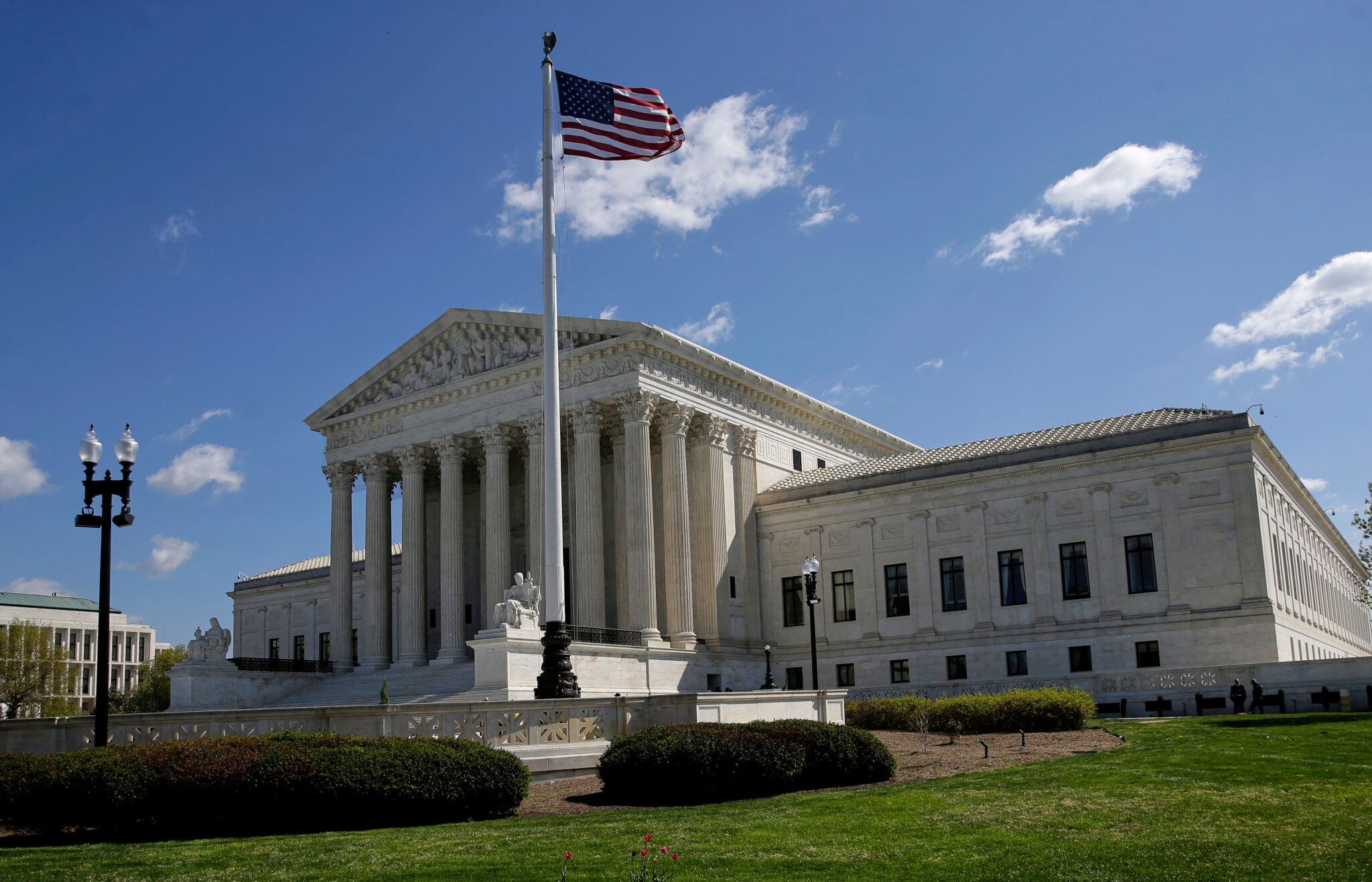
Supreme Court Voids Louisiana Black Voting District Map/ Newslooks/ WASHINGTON/ J. Mansour/ Morning Edition/ The Supreme Court struck down Louisiana’s second majority Black congressional district in a major voting rights decision. The ruling could help Republican-led states redraw districts that favor GOP candidates and weaken minority voting protections. Legal experts warn the decision may significantly reduce the power of the Voting Rights Act’s Section 2 protections.
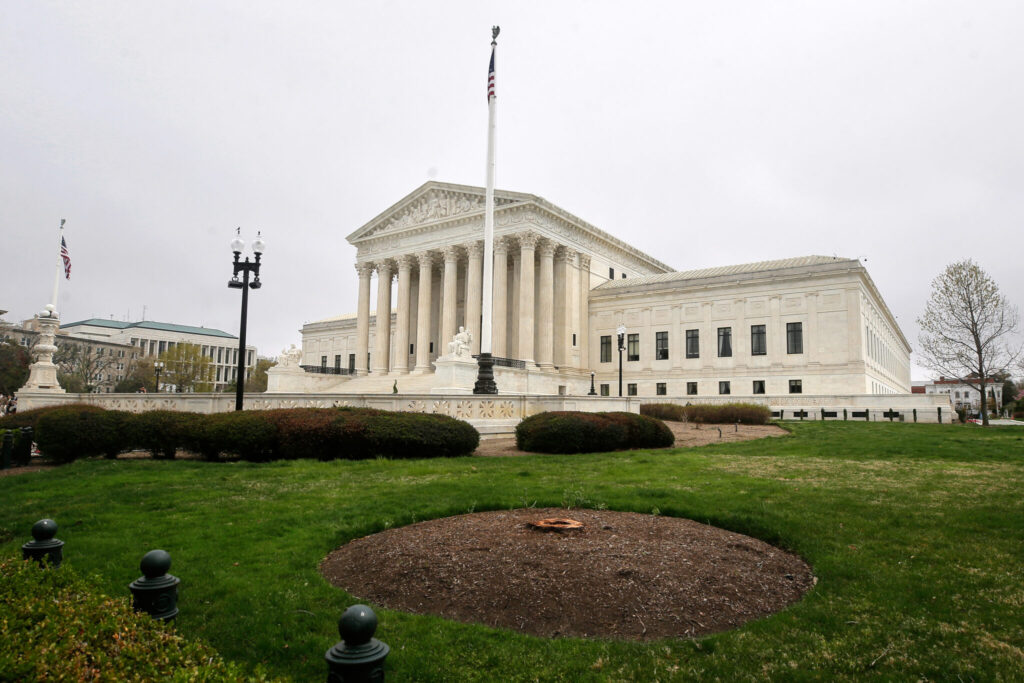
Louisiana Black Congressional District Quick Looks
- Supreme Court ruled 6-3 against Louisiana’s second majority Black district
- The district was represented by Democratic Rep. Cleo Fields
- Conservative justices said race played too large a role in drawing the map
- The decision could help Republican-led states redraw minority-heavy districts
- Justice Samuel Alito wrote the majority opinion for the court
- Justice Elena Kagan warned the ruling weakens the Voting Rights Act
- Section 2 protections against racial discrimination in voting may be significantly reduced
- The ruling could affect the 2026 midterm elections and future congressional balance
Deep Look
Supreme Court Rejects Louisiana’s Majority Black District
WASHINGTON — The Supreme Court on Wednesday struck down Louisiana’s second majority Black congressional district, delivering a major ruling that could reshape congressional maps across the country and strengthen Republican electoral opportunities ahead of the 2026 midterm elections.
In a 6-3 decision, the court’s conservative majority ruled that the district relied too heavily on race, making it unconstitutional under current legal standards.
The district, represented by Democratic Congressman Cleo Fields, stretches across more than 200 miles and connects heavily Black communities from Shreveport, Alexandria, Lafayette, and Baton Rouge.
Chief Justice John Roberts had previously described the district as resembling a “snake” because of its unusual shape and geographic reach.
Conservative Majority Says Race Played Too Large a Role
Justice Samuel Alito wrote the opinion for the six conservative justices, stating that race cannot dominate the redistricting process.
“That map is an unconstitutional gerrymander,” Justice Samuel Alito wrote for the six conservatives.
Alito argued that allowing race to significantly influence government decisions breaks from constitutional principles that apply in nearly every other legal setting.
He also suggested that Section 2 of the Voting Rights Act should mainly apply only in cases involving intentional racial discrimination—a much harder legal standard to prove.
That interpretation could sharply reduce the effectiveness of legal challenges against racial gerrymandering nationwide.
Liberal Justices Warn of Serious Voting Rights Damage
The court’s three liberal justices strongly disagreed, warning that the ruling could dismantle one of the strongest remaining protections for minority voting rights.
Justice Elena Kagan wrote a forceful dissent, saying the ruling could severely weaken Section 2 of the Voting Rights Act of 1965, one of the landmark achievements of the Civil Rights Movement.
“The consequences are likely to be far-reaching and grave. Today’s decision renders Section 2 all but a dead letter,” Kagan wrote.
She argued that the practical effect of the decision would allow states to weaken minority voting power without facing serious legal consequences.
Kagan added that states now “can, without legal consequence, systematically dilute minority citizens’ voting power.”
Why Section 2 Matters
Section 2 has long served as the main legal tool used to challenge election maps and voting systems that discriminate against minority voters.
The law was designed to protect Black Americans and other minority communities from unfair voting practices and to improve equal access to political representation.
Election law expert Nicholas Stephanopoulos has estimated that nearly 70 of the nation’s 435 congressional districts are protected in some way by Section 2.
That means Wednesday’s ruling could have national consequences far beyond Louisiana.
Louisiana and Alabama Cases Changed the Map
The Supreme Court had previously ruled differently in a similar Alabama case less than three years ago.
That earlier decision forced Alabama to create a second majority Black district, leading to the election of two Black Democratic members of Congress.
That Alabama ruling also pushed Louisiana lawmakers to redraw their own congressional map and add a second majority Black district.
Louisiana’s population is roughly one-third Black, and under the revised map, Black voters held majority influence in two of the state’s six congressional districts.
Interestingly, Chief Justice Roberts and Justice Brett Kavanaugh had joined the liberal justices in the Alabama decision. Both sided with Alito in Wednesday’s Louisiana ruling.
Alabama also still has a separate appeal pending before the Supreme Court.
Political Impact Ahead of the 2026 Midterms
The timing of the decision could significantly affect the 2026 midterm elections, where Republicans are trying to maintain a narrow majority in the U.S. House of Representatives.
It remains unclear whether Louisiana or other states will have enough time to redraw district maps before voters head to the polls.
President Donald Trump has already intensified a nationwide redistricting battle as Republicans look for ways to gain more congressional seats.
The court’s decision could provide legal support for Republican-led legislatures seeking to redraw districts that currently favor Democrats, especially in areas with large Black and Latino populations.
Florida Could Be Next
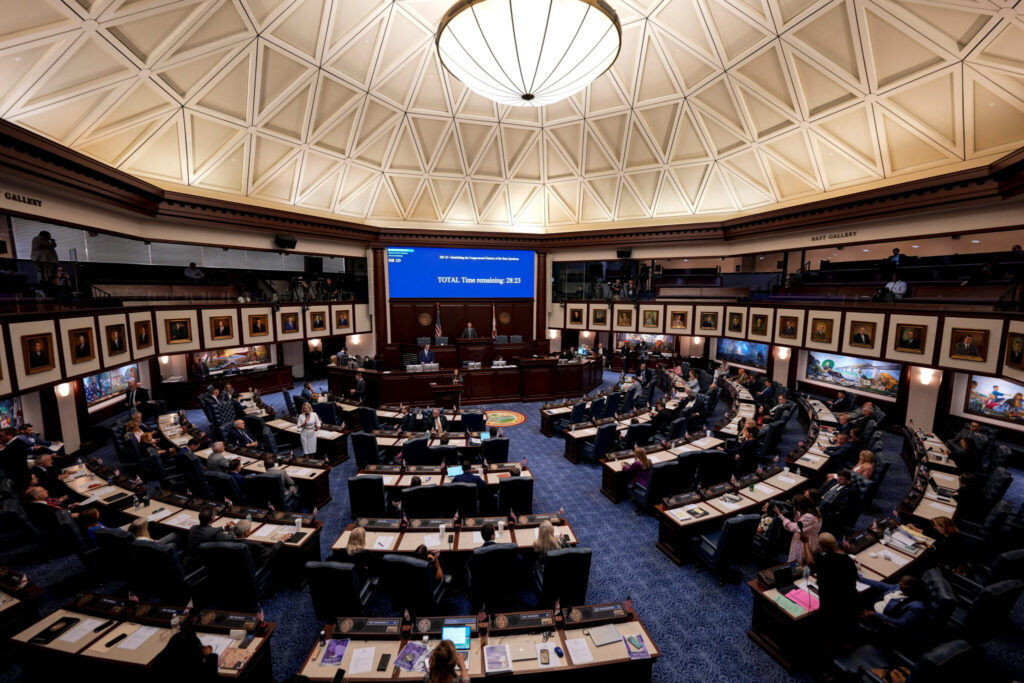
The ruling arrived as lawmakers in Florida debated a proposed redrawing of congressional maps backed by Republican Gov. Ron DeSantis.
His proposal could help Republicans gain as many as four additional House seats in Florida alone.
Democrats in the Florida Senate asked for a delay so lawmakers could review the Supreme Court’s Louisiana decision and understand how it might affect DeSantis’ proposal.
Republicans rejected that request and moved forward.
The court had already ruled in 2019 that extreme partisan gerrymandering is largely beyond federal court review, giving state legislatures broad freedom to draw politically favorable districts.
Combined with Wednesday’s ruling, legal experts say minority voting protections may face some of their biggest challenges in decades.
A Defining Voting Rights Decision
The Louisiana decision may become one of the most important voting rights rulings of the decade.
Supporters of the ruling argue it restores constitutional limits on race-based decision-making.
Critics say it weakens one of the last major legal protections against racial discrimination in elections.
As states prepare for another redistricting cycle, the political and legal consequences of this decision are likely to shape Congress for years to come.