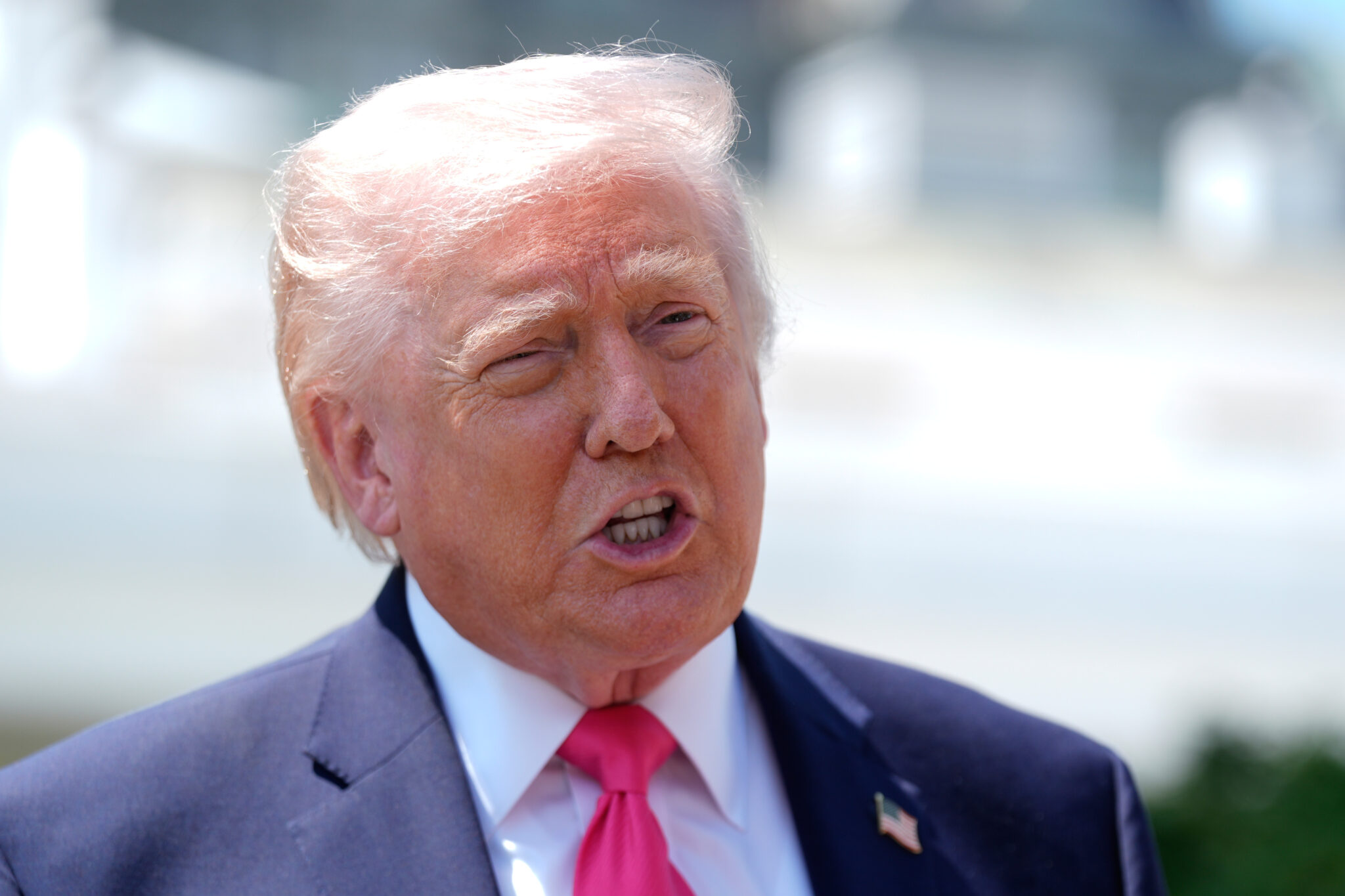
Trump Plans 25% Tariff on EU Autos Amid Dispute/ Newslooks/ WASHINGTON/ J. Mansour/ Morning Edition/ President Donald Trump announced plans to impose a 25% tariff on European cars and trucks. The move comes amid disputes over a prior U.S.-EU trade agreement. The decision could impact global markets already strained by the Iran war and rising inflation.
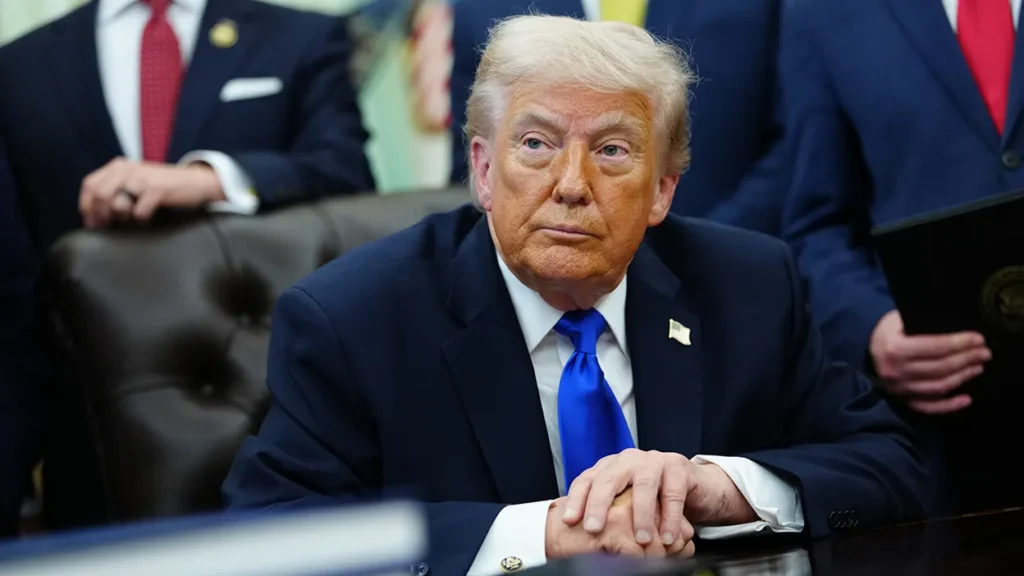
Trump EU Auto Tariffs Quick Looks
- Donald Trump proposes 25% tariff on EU autos
- Targets cars and trucks from European Union
- Trump claims EU “is not complying with our fully agreed to Trade Deal”
- Tariffs could rise from current 10% level
- Move risks disrupting global trade flows
- Comes amid inflation concerns and Iran war impact
- EU-U.S. trade valued at €1.7 trillion annually
- Trade deal known as Turnberry Agreement under strain
Deep Look
Trump Announces New Tariff Plan
WASHINGTON — Donald Trump said he plans to impose a 25% tariff on automobiles imported from the European Union, escalating tensions between two of the world’s largest economic powers.
Trump wrote that the EU “is not complying with our fully agreed to Trade Deal,” though he did not provide further details about the alleged violations.
Trade Deal Under Pressure
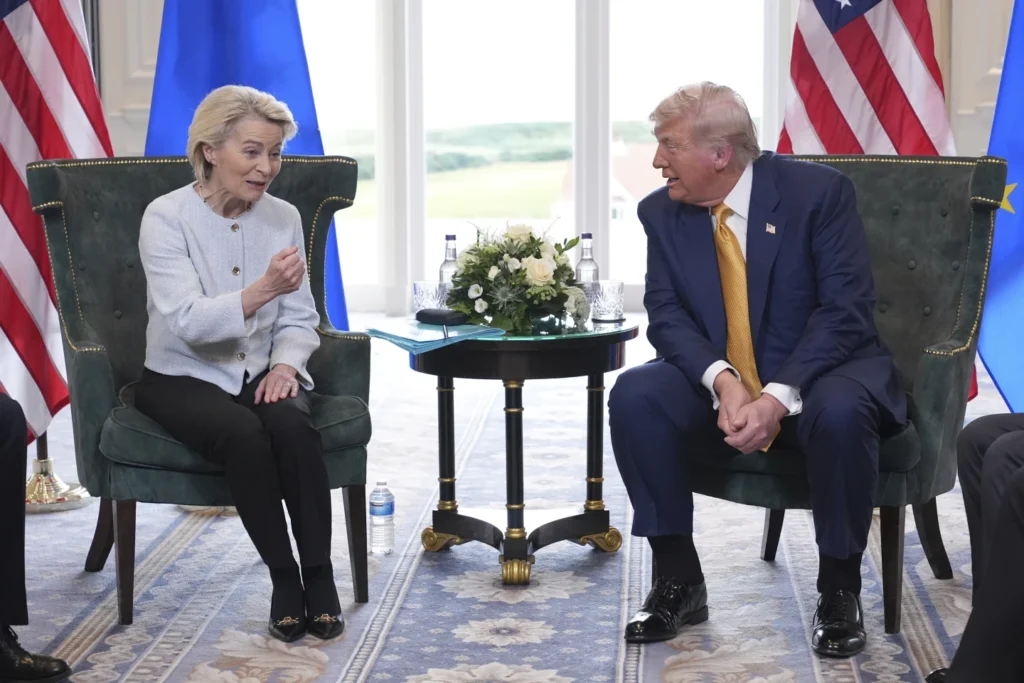
The dispute centers on a trade agreement reached in July between Trump and Ursula von der Leyen.
The deal set a tariff ceiling of 15% on most goods, but its legal foundation was weakened after a Supreme Court ruling that challenged the president’s authority to impose certain tariffs.
Since then, the administration has relied on alternative measures, including a 10% tariff, while exploring additional justifications tied to national security and trade imbalances.
Economic Risks Mount
The proposed tariff increase comes at a fragile moment for the global economy.
The ongoing Iran conflict has already driven up energy prices due to disruptions in the Strait of Hormuz, fueling inflation and slowing growth worldwide.
Higher tariffs on European autos could add further pressure by increasing costs for manufacturers and consumers.
Political Pressure at Home
Trump is also facing domestic political challenges ahead of upcoming midterm elections.
Inflation has climbed to 3.3%, driven in part by rising energy costs, complicating the president’s earlier promises to bring prices under control.
Public confidence in the economy has weakened, adding urgency to the administration’s economic strategy.
EU Response and Trade Stakes
European officials have emphasized their commitment to the existing agreement.
“A deal is a deal,” the European Commission said earlier, stressing that both sides should honor the agreed tariff limits.
The EU has warned that any increase beyond the agreed ceiling could violate the terms of the deal and disrupt a major economic relationship.
“As the United States’ largest trading partner, the EU expects the U.S. to honor its commitments set out in the Joint Statement — just as the EU stands by its commitments. EU products must continue to benefit from the most competitive treatment, with no increases in tariffs beyond the clear and all-inclusive ceiling previously agreed.”
Scale of Transatlantic Trade
The economic ties between the U.S. and EU are vast.
Trade in goods and services between the two totaled approximately €1.7 trillion in 2024, averaging €4.6 billion per day.
European officials estimate the existing agreement saves automakers hundreds of millions of euros each month.
Uncertain Path Forward
The proposed tariffs raise questions about the future of transatlantic trade relations.
While negotiations could still resolve the dispute, the move signals a willingness by the Trump administration to take a more aggressive stance.
The outcome could have far-reaching effects on global markets, supply chains, and diplomatic relations.