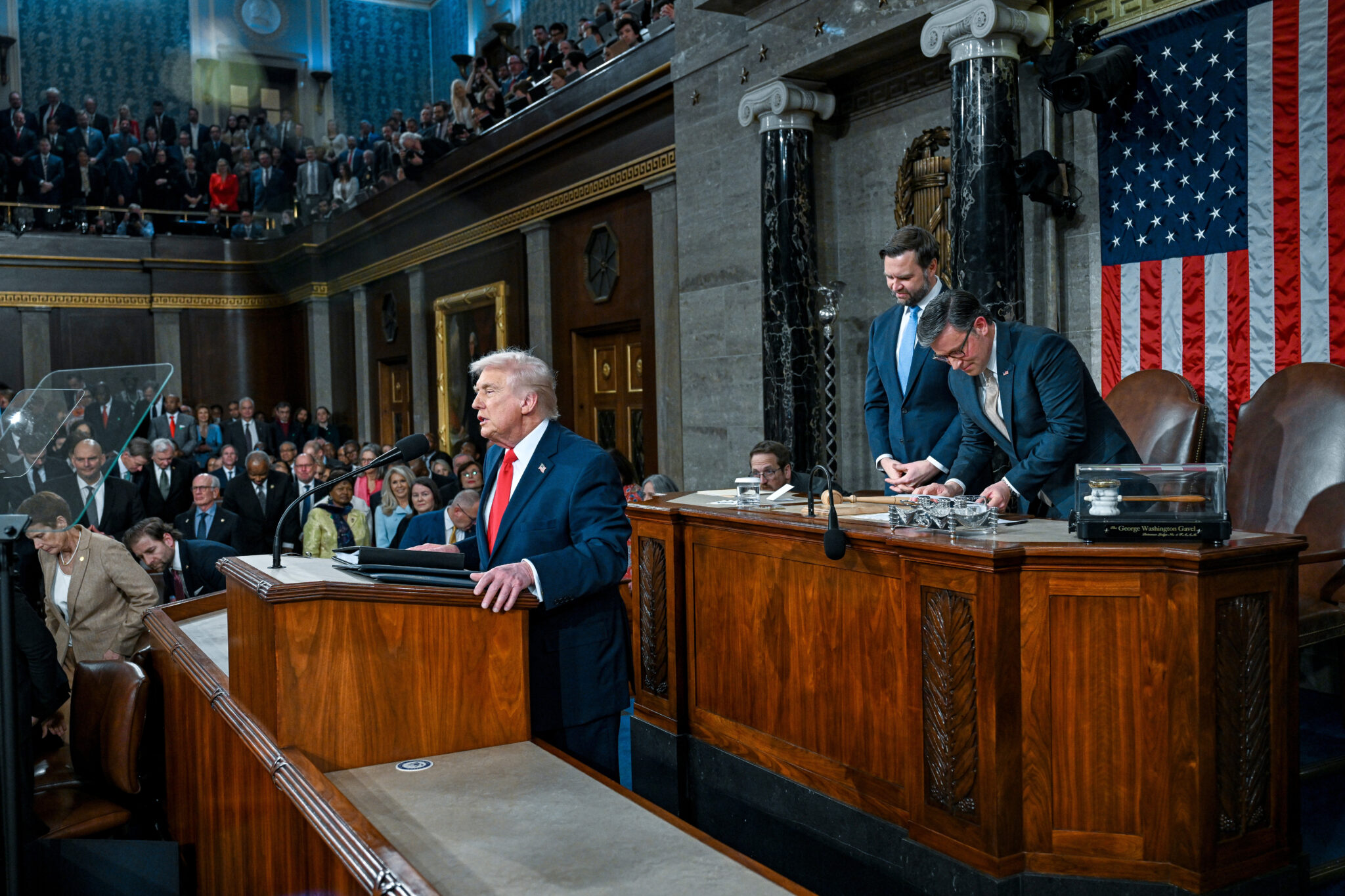
Trump State of the Union Pushes Economy Optimism/ Newslooks/ WASHINGTON/ J. Mansour/ Morning Edition/ President Donald Trump used his State of the Union address to promote what he described as a “roaring” U.S. economy ahead of a challenging election year. Despite public concerns about inflation and rising costs, Trump projected confidence, emphasizing growth in gas prices, mortgage rates, prescription drugs, and the stock market. The speech also underscored deep political divisions, with Democratic boycotts and a protest disrupting early moments of the address.
Trump State of the Union Economy Pitch + Quick Looks
- Trump framed the U.S. economy as “roaring like never before.”
- He highlighted gasoline prices, mortgage rates, prescription drug costs, and stock market gains.
- AP-NORC polling shows just 39% approve of his economic handling.
- Republicans hope economic messaging strengthens election-year momentum.
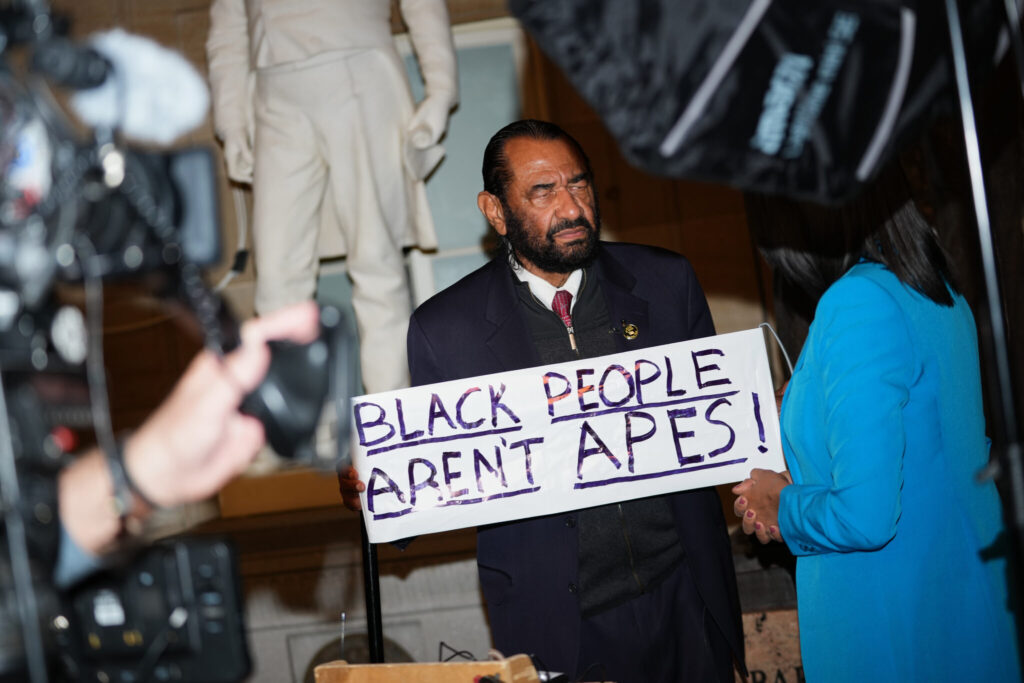
- Political tensions surfaced with Democratic absences and Rep. Al Green’s removal.
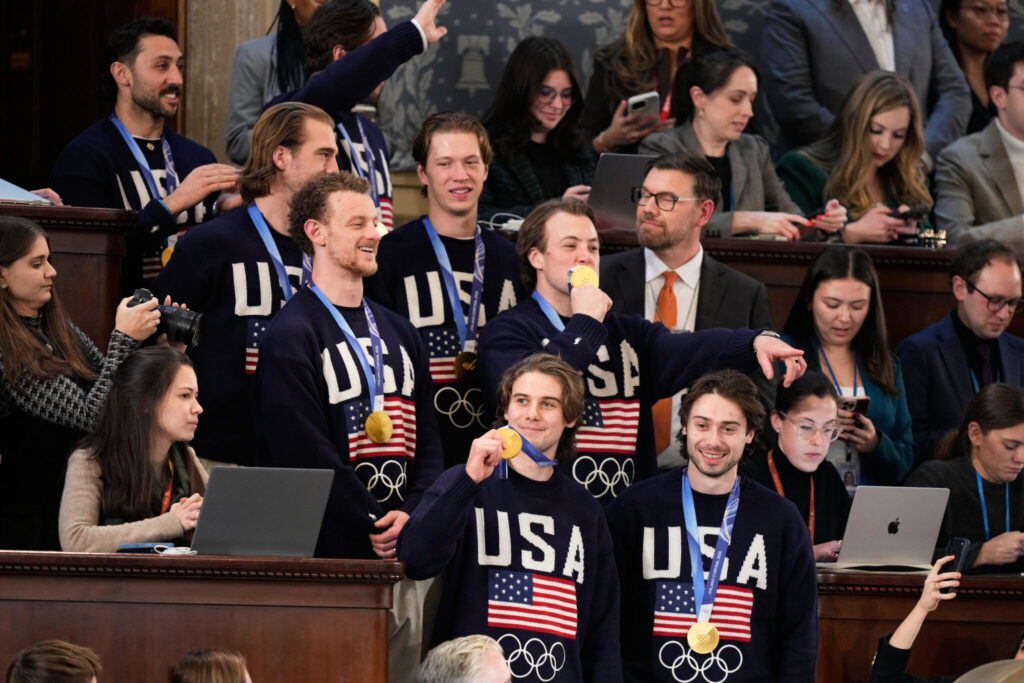
- A brief bipartisan moment came when the U.S. men’s hockey team was honored.
Deep Look: Trump State of the Union Pushes Economy Optimism
President Donald Trump used his latest State of the Union address to present a forceful sales pitch for the American economy, aiming to reassure voters and energize Republicans ahead of what promises to be a difficult election cycle. Speaking from the House chamber in Washington, Trump projected unwavering optimism, repeatedly describing the nation’s economic performance as unprecedentedly strong.
The president declared that the “roaring economy is roaring like never before,” insisting that rising costs were no longer burdening American families. He pointed to what he framed as positive indicators, including gasoline prices, mortgage rates, prescription drug costs, and stock market gains. According to Trump, “millions and millions of Americans are all gaining,” emphasizing broad-based prosperity and upward financial momentum.
State of the Union speeches traditionally provide presidents an opportunity to spotlight policy achievements and set the tone for the year ahead. Trump’s address followed that familiar template but leaned heavily into economic boosterism. The strategy aligns with Republican leadership’s hopes that economic messaging will resonate strongly with voters who remain focused on household finances and cost-of-living concerns.
However, public opinion data suggests a more complicated reality. Polling conducted by the Associated Press-NORC Center for Public Affairs Research indicates that only 39% of U.S. adults approved of Trump’s handling of the economy in February. That figure highlights a disconnect between the administration’s upbeat narrative and the anxiety many Americans report feeling about inflation, wages, and long-term economic stability.
While Trump emphasized positive indicators, economic sentiment among voters remains mixed. Many households continue to feel the strain of higher everyday expenses, even if certain macroeconomic metrics show improvement. This tension between statistical growth and lived experience could become a defining issue as campaigns intensify.
Beyond economics, the president wrapped his remarks in patriotic themes. Trump opened by describing the United States as “bigger, better, richer and stronger than ever before,” striking a celebratory tone. He referenced the upcoming 250th anniversary of American independence, framing the milestone as both a historical achievement and a symbol of national resurgence under his leadership.
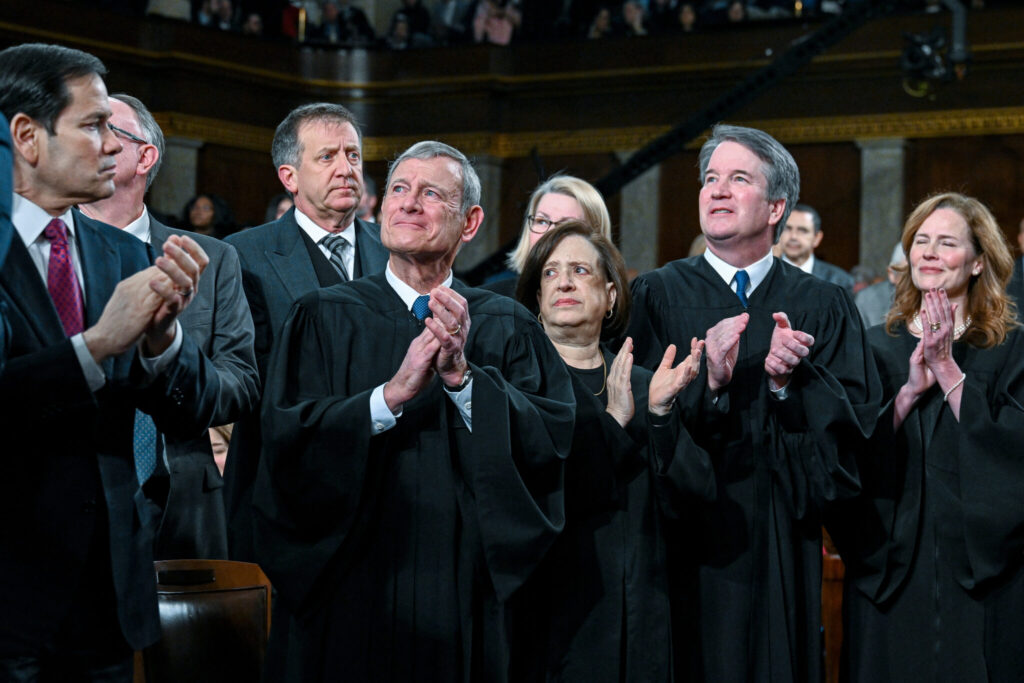
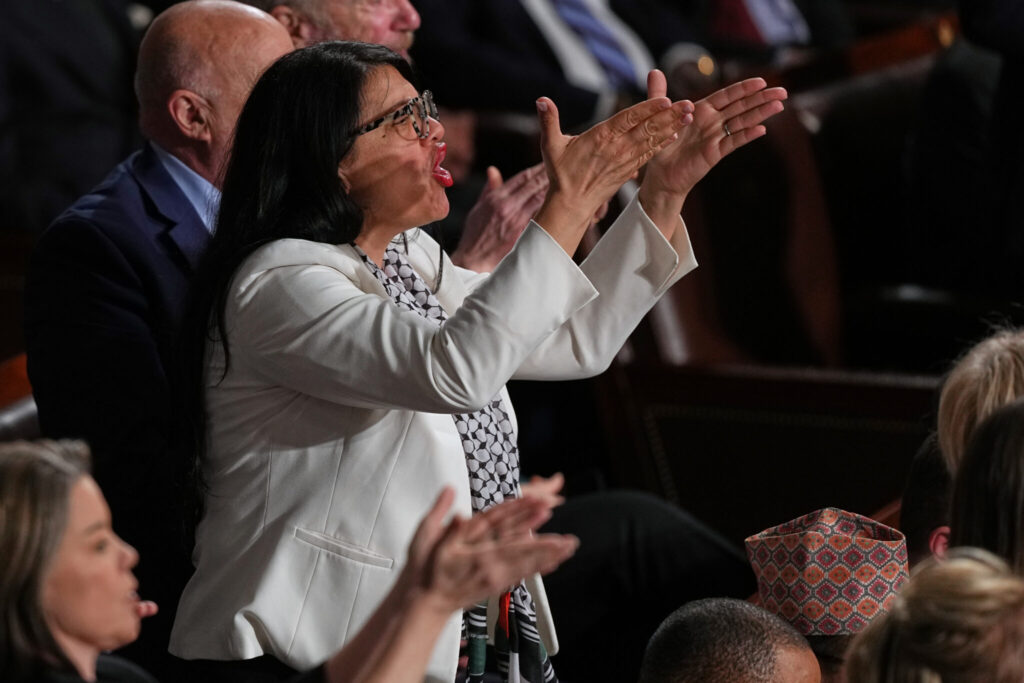
Yet even as Trump invoked unity and strength, visible signs of political division permeated the chamber. Dozens of Democratic lawmakers declined to attend the speech, opting instead to participate in alternative events or boycott the address altogether. The absences served as a stark reminder of the deep partisan divides shaping Washington.
Tensions escalated early in the speech when Al Green, a Democratic congressman from Texas, stood holding a sign reading “Black People Aren’t Apes.” The protest referenced a controversial social media video previously posted — and later deleted — that depicted former President Barack Obama and former First Lady Michelle Obama as primates. Green was subsequently escorted from the chamber, underscoring the fraught political climate surrounding the address.
Despite the charged atmosphere, one brief moment of bipartisan enthusiasm emerged when Trump welcomed members of the U.S. men’s hockey team following their gold medal victory at the Winter Olympics. Lawmakers from both parties initially applauded the athletes’ achievement. However, even that moment was short-lived, as Trump joked about Democrats who he claimed did not stand to recognize the team, injecting partisanship back into the celebratory interlude.
The president’s approach reflects a broader political calculation. With Republicans preparing for competitive races across the country, the White House appears intent on making the economy the centerpiece of its campaign messaging. By repeatedly asserting that prosperity is widespread and enduring, Trump aims to define the narrative before opponents can frame the debate around economic dissatisfaction.
At the same time, the visible protests and boycotts during the speech highlight how entrenched divisions remain. The State of the Union, historically positioned as a platform for unity and shared purpose, instead mirrored the polarized landscape of modern American politics. While Trump’s rhetoric focused on strength and growth, the reaction inside and outside the chamber revealed a nation still grappling with competing visions of its trajectory.
Ultimately, the effectiveness of Trump’s economic sales pitch may hinge on whether voters feel tangible improvement in their own financial situations. If household budgets stabilize and confidence rises, the administration’s message could gain traction. If economic anxiety persists, however, critics may argue that the president’s optimism rings hollow.
As the election year unfolds, Trump’s State of the Union address may serve as an early blueprint for his campaign strategy: celebrate economic achievements, invoke patriotic milestones, and draw sharp contrasts with political opponents — all while betting that voters will embrace a message of national resurgence.