Trump Reviews Iran Ceasefire Agreement Ahead Of Final Decision/ Newslooks/ WASHINGTON/ J. Mansour/ Morning Edition/ President Donald Trump is meeting with his national security team to decide whether to approve a proposed agreement with Iran. The framework includes a 60-day ceasefire extension, reopening the Strait of Hormuz, and future negotiations over Iran’s nuclear program. While U.S. officials describe the deal as a major diplomatic breakthrough, Iranian-linked media dispute several key provisions.
Trump Iran Deal Quick Looks
- Trump convened a Situation Room meeting Friday.
- A proposed memorandum of understanding is under review.
- The deal would extend the ceasefire for 60 days.
- Strait of Hormuz shipping lanes would reopen.
- Nuclear negotiations would resume under the agreement.
- Trump insists Iran can never obtain a nuclear weapon.
- Questions remain about Iran’s enriched uranium stockpile.
- Iranian media disputed several U.S. claims.
- Frozen Iranian assets remain a point of contention.
- The agreement could become the biggest diplomatic breakthrough since the conflict began.
Deep Look
Trump Weighs Historic Iran Agreement
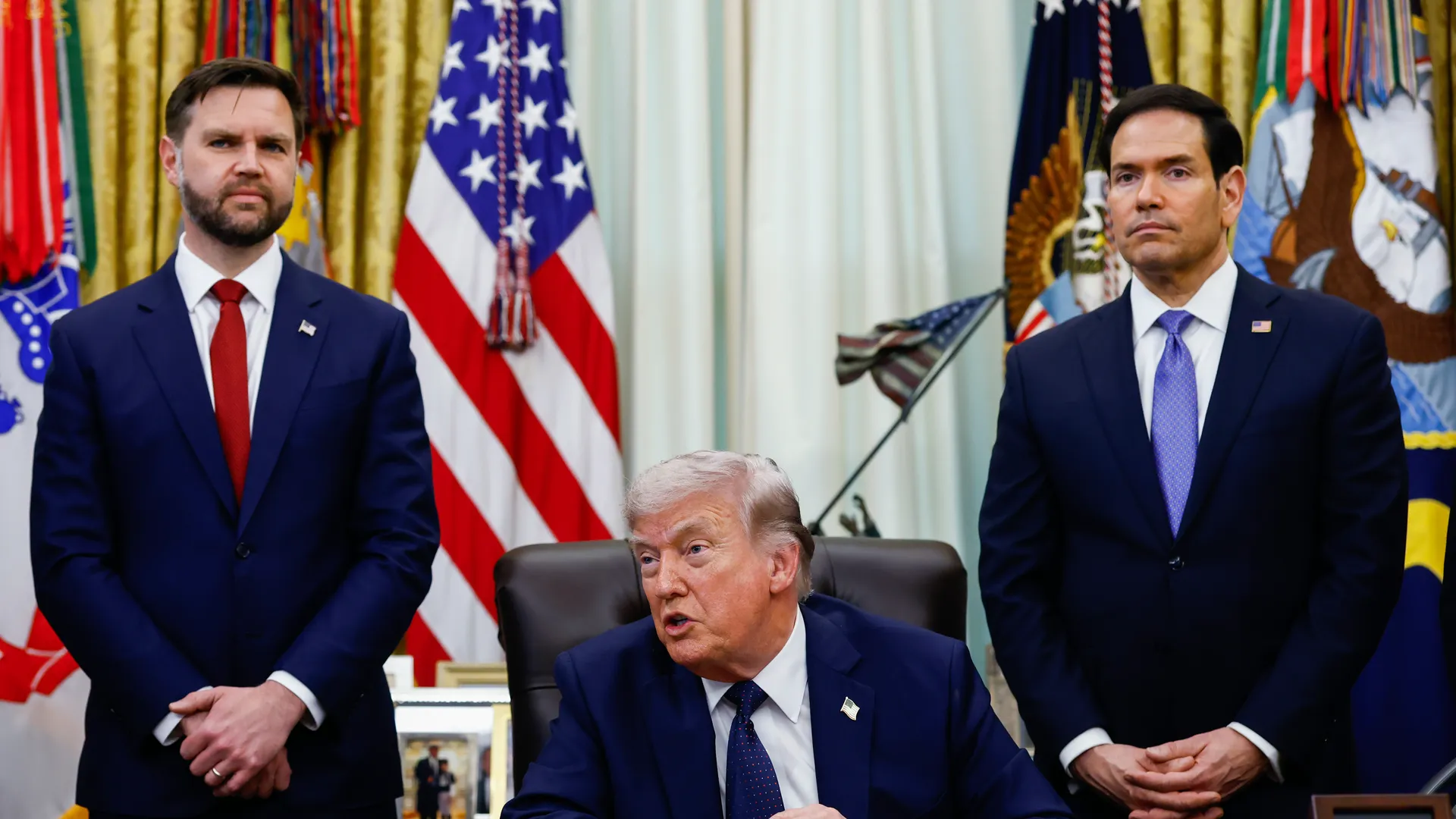
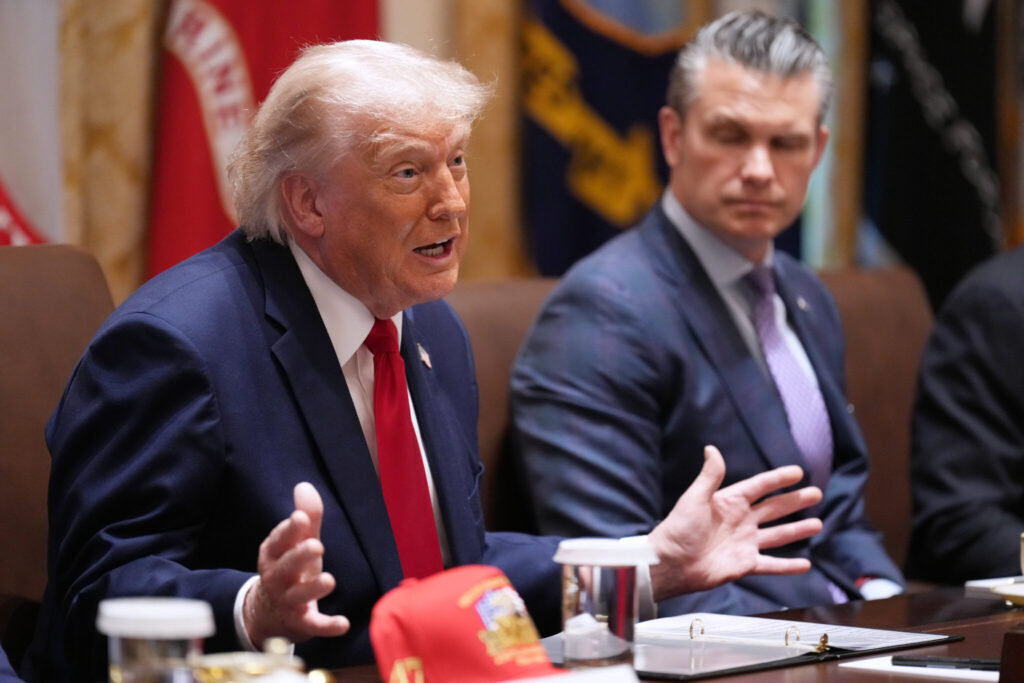
WASHINGTON — President Donald Trump gathered his national security advisers in the White House Situation Room on Friday as he prepared to make a final decision on a proposed agreement between the United States and Iran that could significantly reduce tensions and reopen diplomatic negotiations.
The proposed memorandum of understanding (MOU) represents what could be the most important diplomatic breakthrough since the outbreak of hostilities between the two countries.
While negotiators have reportedly agreed on much of the framework, Trump delayed final approval earlier this week, telling mediators that he wanted additional time to review the terms before making a final commitment.
Ceasefire Extension Forms Core Of Agreement
At the heart of the proposed framework is a 60-day extension of the current ceasefire.
The agreement would provide additional time for both sides to engage in formal negotiations over Iran’s nuclear program while reducing the risk of renewed military confrontation.
Officials involved in the talks view the extension as a critical confidence-building measure designed to stabilize the region and create space for broader diplomatic discussions.
If approved, the ceasefire would mark a significant shift away from recent conflict and toward renewed negotiations.
Strait Of Hormuz Reopening A Major Priority
One of the most important economic elements of the agreement involves the Strait of Hormuz.
Trump emphasized in a Truth Social post that unrestricted maritime traffic must immediately resume through the vital shipping corridor.
“He claimed the Hormuz Strait must be immediately open without tolls, for ‘unrestricted shipping traffic, in both directions.’”
The president also stated that Iran would remove or destroy naval mines that remain in the waterway and allow ships currently delayed by the conflict to resume normal operations.
The reopening of the strait would have major implications for global energy markets because roughly one-fifth of the world’s oil shipments pass through the route.
Nuclear Program Remains Central Issue
Although the memorandum establishes a framework for negotiations, it does not reportedly contain detailed nuclear concessions from Iran.
Instead, both sides would enter formal talks aimed at addressing concerns about Tehran’s uranium enrichment activities and nuclear capabilities.
Trump reiterated that preventing Iran from obtaining a nuclear weapon remains a non-negotiable objective.
“They will never have a Nuclear Weapon or Bomb.”
The president also made one of his strongest statements yet regarding Iran’s enriched uranium stockpile.
According to Trump, uranium currently stored deep underground would eventually be removed and destroyed in cooperation with Iran and the International Atomic Energy Agency.
Uranium Commitments Still Unclear
Despite Trump’s confidence, U.S. officials acknowledge that the most difficult nuclear issues remain unresolved.
Administration officials say they have received verbal assurances from Iranian representatives regarding enriched uranium and future negotiations.
However, they emphasize that meaningful commitments must be included in a final negotiated agreement rather than informal understandings.
As a result, uranium enrichment and stockpile management are expected to become central topics in the next phase of negotiations.
Frozen Iranian Assets Remain Disputed
Another key issue involves billions of dollars in frozen Iranian funds held in accounts around the world.
Trump stated that “no money will be exchanged, until further notice,” suggesting that access to those assets would remain restricted until further negotiations are completed.
Iranian-linked media outlets, however, presented a very different interpretation of the agreement.
According to reports from Fars News Agency, Iran expects to receive approximately $12 billion in frozen assets and views those payments as a prerequisite for further negotiations.
The conflicting accounts highlight continuing disagreements over the exact terms of the proposed arrangement.
Iranian Media Challenges U.S. Narrative
The Iranian response demonstrates that substantial differences remain despite reports of progress.
Fars News Agency, which is affiliated with the Islamic Revolutionary Guard Corps (IRGC), rejected several of Trump’s public statements and accused the United States of misrepresenting portions of the agreement.
According to the outlet, Iranian officials believe Washington is attempting to portray the deal as a greater diplomatic victory than Tehran believes it to be.
Fars claimed Trump was attempting to “project a fabricated victory” and was “distorting” elements of the memorandum.
The report cited unnamed sources who said final approval has not yet been granted inside Iran.
Disagreement Over Strait Control
One of the biggest disputes involves how the Strait of Hormuz would operate after reopening.
While Trump described unrestricted shipping without tolls or restrictions, Iranian sources suggested Tehran would retain authority to oversee maritime activity.
According to the reports, Iran could continue conducting inspections, providing security services, and implementing other measures it considers necessary.
Those competing interpretations suggest that details surrounding navigation rights may still require additional clarification before a final agreement can be implemented.
Lebanon Ceasefire Also Included
Regional security issues extend beyond the U.S.-Iran relationship.
The proposed memorandum reportedly includes provisions related to Lebanon and ongoing tensions involving Hezbollah.
U.S. officials have indicated that a ceasefire arrangement in Lebanon forms part of the broader package.
Iranian media similarly acknowledged Lebanese provisions but suggested implementation would occur in accordance with Hezbollah’s position and interests.
The issue reflects the broader regional implications of any U.S.-Iran agreement.
Decision Could Reshape Regional Dynamics
Trump’s decision carries significant geopolitical consequences.
Approval of the memorandum would likely reduce immediate military tensions, restore critical shipping routes, and reopen diplomatic engagement on one of the world’s most challenging security issues.
As advisers meet in the Situation Room, the administration faces a choice that could shape Middle East diplomacy, global energy markets, and U.S.-Iran relations for years to come.