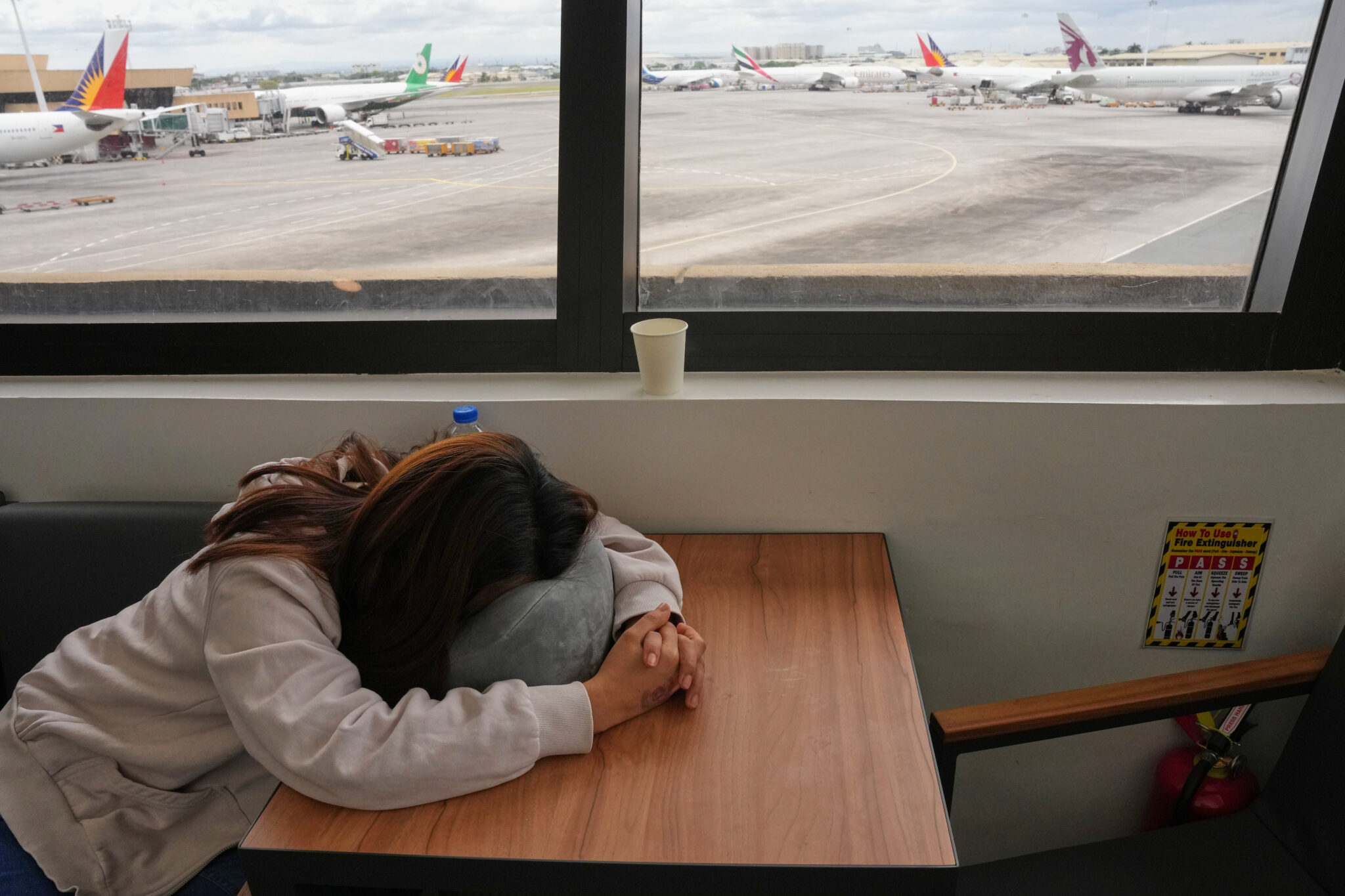
Travelers Stranded as Middle East Conflict Shuts Down Major Flight Routes/ Newslooks/ WASHINGTON/ J. Mansour/ Morning Edition/ Thousands of travelers are stranded after U.S.-Israeli strikes on Iran triggered widespread Middle East airspace closures. Major hubs including Dubai, Abu Dhabi, and Doha suspended flights following direct attacks. Governments across Europe and Asia are scrambling to evacuate citizens and advise travelers to shelter in place.
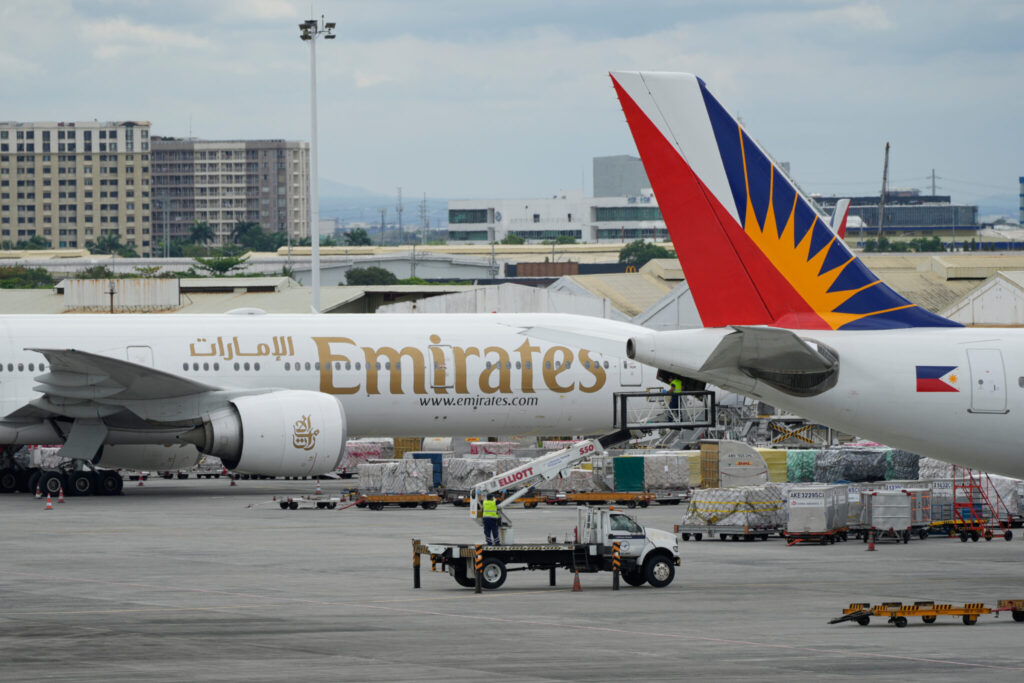
Travelers Stranded as Middle East Airspace Closes Quick Looks
- Flights suspended across Gulf region
- Dubai, Abu Dhabi, Doha airports shut
- Qatar Airways halts operations
- Jordan partially closes airspace
- 30,000 German tourists stranded
- Czech Republic dispatches evacuation planes
- Bali travelers affected by route cancellations
- Global airline stocks slide sharply
- Governments urge travelers to remain in hotels
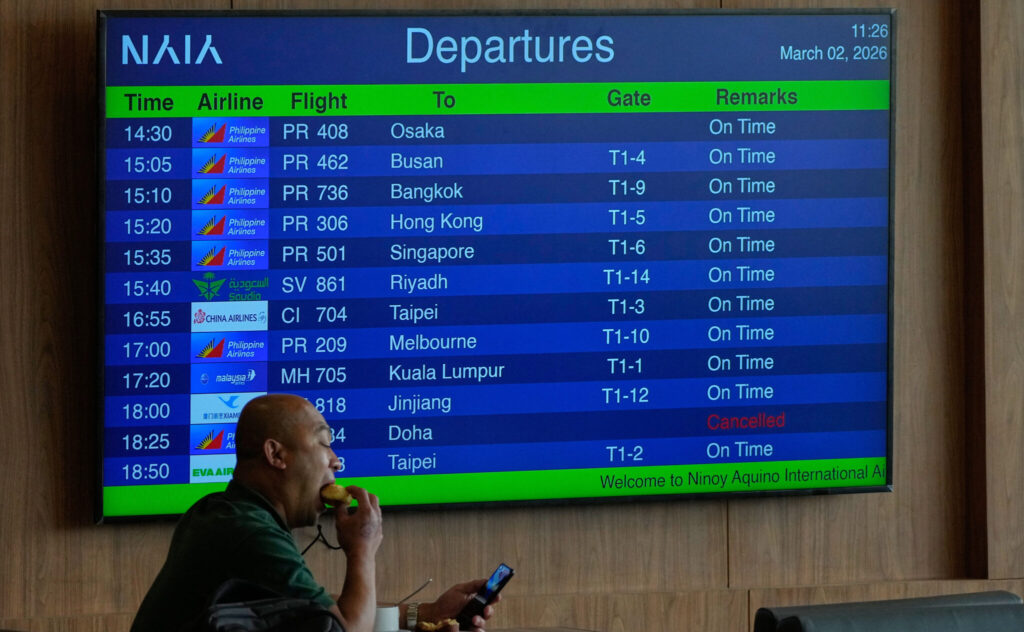
Deep Look: Travelers Stranded as Middle East Conflict Shuts Down Major Flight Routes
LONDON — Governments worldwide are scrambling to bring home stranded citizens after escalating military strikes in the Middle East forced widespread airspace closures and suspended commercial flights across one of the world’s most critical aviation corridors.
The joint U.S.-Israeli attack on Iran — followed by Iranian retaliation across the region — has severely disrupted global air travel, leaving thousands of tourists and business travelers stuck in airports, hotels, and cruise ships with little clarity about when flights will resume.
Authorities in several countries have urged their nationals to shelter in place while emergency evacuation plans are assessed.
Key Gulf Airports Shut Down
Major aviation hubs — including Dubai International Airport, Abu Dhabi International Airport, and Hamad International Airport in Doha — halted operations after coming under direct missile or drone strikes.
These airports serve as essential transit points linking Europe, Africa, North America, and Asia. Their closure has effectively severed one of the busiest east-west travel corridors in the world.
Qatar Airways confirmed that its flights remain suspended, with further updates expected. Jordan announced a partial closure of its airspace as a precautionary measure.
The disruption has rippled far beyond the Middle East, affecting flights as far away as Southeast Asia and Europe.
Tens of Thousands of Europeans Stranded
Germany reported that approximately 30,000 of its citizens are stranded across the region — on cruise ships, in resorts, and at closed airports.
German Foreign Minister Johann Wadephul said a military evacuation was not currently feasible due to restricted airspace but assured that authorities are evaluating alternative evacuation methods.
The German Travel Association urged citizens to remain at their booked accommodations and avoid traveling independently to airports or crossing into neighboring countries.
The Czech Republic mobilized aircraft to evacuate nationals. Two government planes are being dispatched to Egypt and Jordan to retrieve Czech citizens, including 79 travelers currently in the Egyptian resort of Sharm El Sheikh who had traveled from Israel by bus.
Additional Czech evacuation flights are planned for Muscat and Salalah in Oman. Officials estimate that roughly 6,700 Czech nationals are in the broader region.
Asia and Global Travel Impacted
In Asia, thousands of travelers were stranded on Indonesia’s popular tourist island of Bali after flights to Dubai, Doha, and Abu Dhabi were canceled.
Airport authorities in Bali confirmed that at least 15 international flights — eight departures and seven arrivals — were grounded due to Middle East route suspensions. More than 3,000 passengers were directly affected.
Air France suspended flights to Tel Aviv, Beirut, Dubai, and Riyadh. Airlines including Air India and KLM also halted services or issued advisories as airspace conditions remained volatile.
U.S. carriers such as United Airlines, Delta Air Lines, and American Airlines issued travel warnings and rerouted aircraft to avoid conflict zones.
Financial Markets React
The disruption has roiled global financial markets, particularly in the travel and hospitality sectors.
Shares of major U.S. airlines fell between 5% and 6% in early trading. International hotel chains saw declines, while cruise operators such as Carnival experienced even steeper losses.
Energy market volatility — driven by concerns over oil shipments through the Strait of Hormuz — further compounded investor anxiety.
Governments Urge Caution
With airspace closures unpredictable and security risks ongoing, governments worldwide are advising citizens in affected areas to remain indoors, monitor official guidance, and avoid unnecessary movement.
The scope of the travel disruption reflects the far-reaching economic and logistical consequences of the widening Middle East conflict. As missile exchanges continue and diplomatic efforts struggle to gain traction, the aviation industry faces one of its most significant crises in recent years.
For now, stranded travelers must wait — uncertain when the skies over one of the world’s most critical transit regions will reopen.