Trump Holds Iran Situation Room Meeting Over Hormuz Crisis/ Newslooks/ WASHINGTON/ J. Mansour/ Morning Edition/ President Donald Trump convened a White House Situation Room meeting Saturday as tensions with Iran escalated over the renewed closure of the Strait of Hormuz. With the ceasefire set to expire in three days, U.S. officials warned that without a diplomatic breakthrough, the war could resume within days. Trump said Iran “can’t blackmail us” and insisted negotiations were still moving forward despite fresh attacks on ships in the critical waterway.
Trump Iran Situation Room Quick Looks
- Trump held a Situation Room meeting over the Iran crisis
- The Strait of Hormuz was closed again by Iran
- Multiple vessels were attacked in the waterway
- The U.S.-Iran ceasefire is set to expire in three days
- Vice President JD Vance may join the next round of talks
- Pakistani army chief Asim Munir continues mediation efforts
- Iran says new U.S. proposals are under review
- Trump said Iran “can’t blackmail us” over Hormuz tensions
Deep Look
Trump Convenes Emergency Iran Meeting
President Donald Trump called a White House Situation Room meeting Saturday morning as tensions with Iran sharply escalated following the renewed closure of the Strait of Hormuz and fresh attacks on ships moving through the strategic waterway.
According to two U.S. officials, the high-level meeting focused on the worsening security situation in the Gulf, the fragile ceasefire timeline, and the uncertain future of negotiations between Washington and Tehran.
The situation is entering a critical stage.
The current ceasefire is expected to expire in just three days, and no final date has been set for the next face-to-face meeting between U.S. and Iranian negotiators.
A senior U.S. official warned that if no diplomatic breakthrough is reached soon, the war could resume within days.
That urgency pushed the White House to gather its top national security officials for what could become one of the most important strategic meetings of the crisis.
Iran Re-Closes the Strait of Hormuz
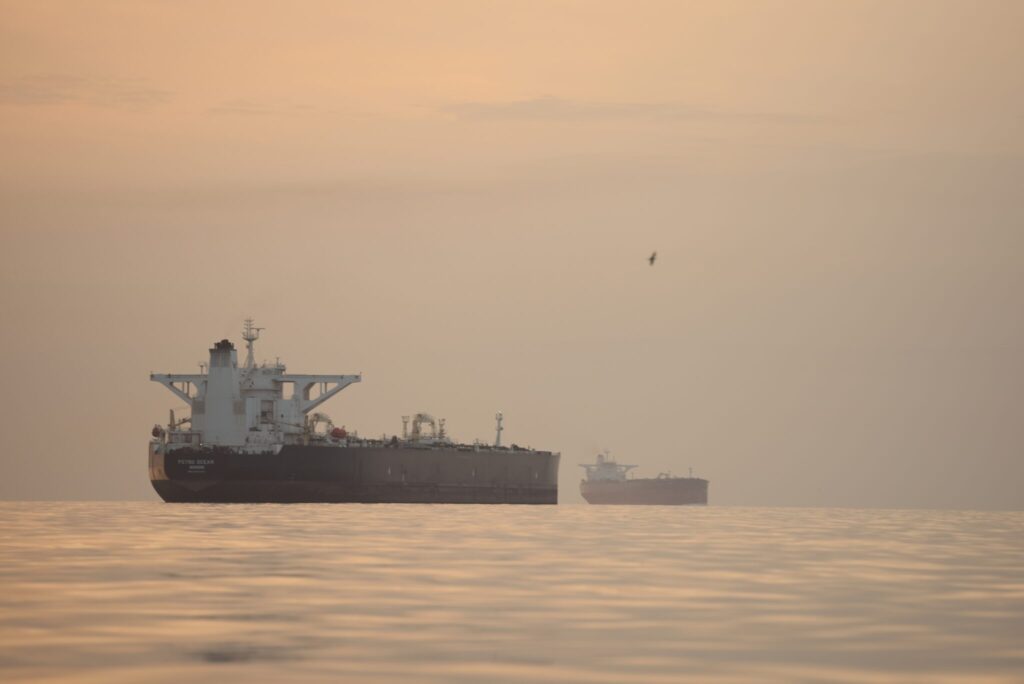
The renewed confrontation began after Iran announced Saturday that it was once again tightening control over the Strait of Hormuz, reversing its earlier reopening of the crucial global shipping route.
The move came less than 24 hours after Trump publicly suggested that a deal to end the war could happen “within a day or two.”
Iran’s new restrictions were followed by multiple attacks on vessels in the strait, dramatically increasing concerns about global oil supplies and regional military escalation.
The Strait of Hormuz handles nearly one-fifth of the world’s oil shipments, making any disruption a major international concern.
The renewed closure threatens both energy markets and U.S. military operations across the Gulf.
Iran’s leadership has framed the move as a response to the continued U.S. naval blockade and unresolved disputes in the broader peace negotiations.
Top Trump Officials Join the Meeting
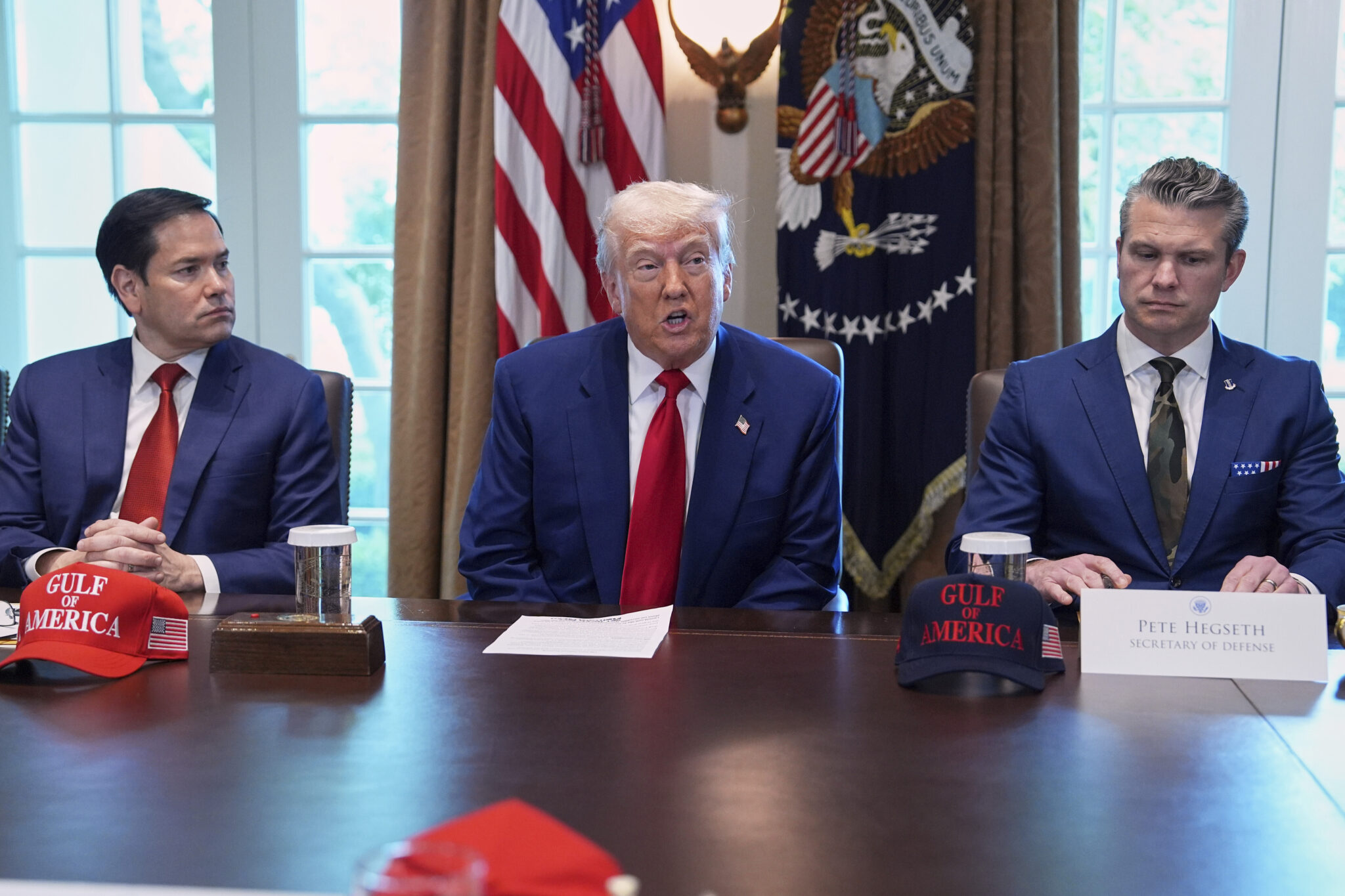
The Situation Room meeting included some of the most senior officials in Trump’s administration.
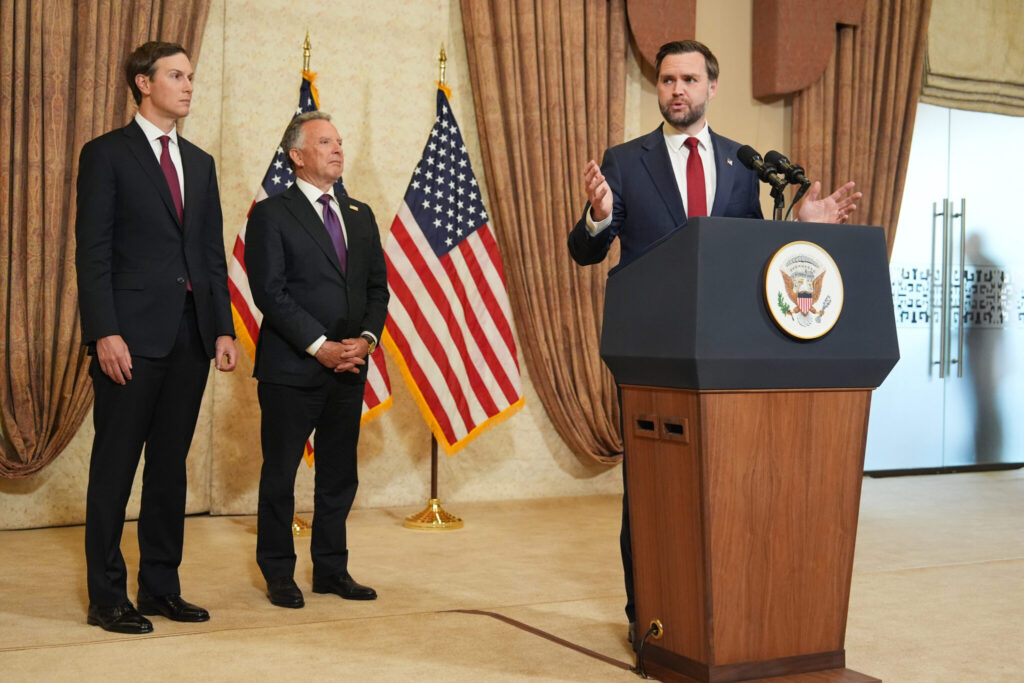
According to a U.S. official, attendees included Vice President JD Vance, who is expected to participate in the next round of negotiations with Iran.
Also present were Secretary of State Marco Rubio, Defense Secretary Pete Hegseth, and Treasury Secretary Scott Bessent.
The White House declined to comment publicly on the meeting.
The broad attendance showed how seriously the administration is treating the possibility of renewed military conflict.
Pakistan Continues Backchannel Mediation
Pakistan remains central to the peace effort.
Pakistani army chief Asim Munir held mediation talks this week between the United States and Iran in Tehran, continuing Islamabad’s growing role as the main diplomatic bridge between both sides.
U.S. officials said Trump personally spoke by phone at least once with Munir and Iranian officials during the process.
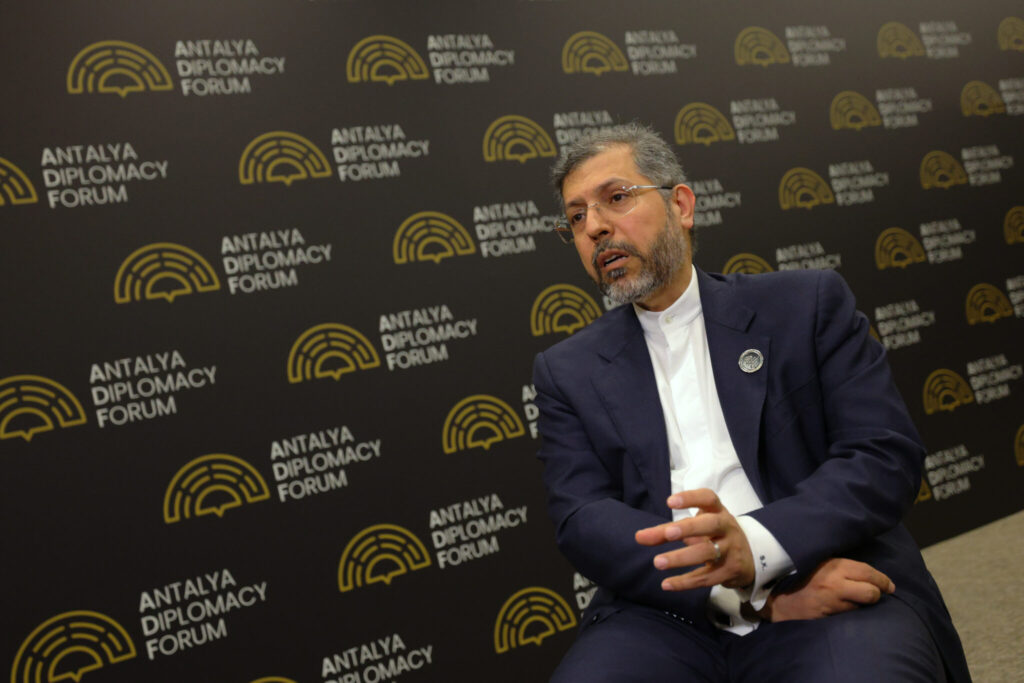
Iran’s Supreme National Security Council said Saturday that the United States presented new proposals during those talks.
Tehran confirmed the proposals are currently under review, though no formal response has been given.
This signals that diplomacy is still active, even as military tensions rise at sea.
Pakistan’s mediation has become increasingly important because it offers both sides a channel for negotiations without direct political confrontation.
Progress and New Problems in Negotiations
According to a source familiar with the negotiations, the renewed Hormuz crisis emerged just as both sides were making meaningful progress on some of the toughest issues in the talks.
Negotiators had reportedly narrowed gaps involving Iran’s uranium enrichment program and the future of its enriched uranium stockpile.
Those issues remain among the most sensitive parts of any final agreement.
However, the renewed closure of Hormuz and attacks on shipping created immediate new pressure that could derail diplomatic momentum.
The talks now face a race against time: solve the maritime crisis quickly or risk losing the broader peace process entirely.
Trump Says Iran “Can’t Blackmail Us”
Speaking to reporters in the Oval Office later Saturday, Trump downplayed the latest tensions but made clear that Washington would not accept Iranian pressure tactics.
“Iran got a little cute … they wanted to close up the Strait again,” Trump said.
He later added that Iran “can’t blackmail us.”
Trump also insisted that negotiations were still ongoing and said he expected to know by the end of the day whether both sides would move forward toward a final deal.
His comments reflected the administration’s strategy of maintaining maximum military and economic pressure while still pursuing diplomacy.
The White House hopes a deal can still be reached before the ceasefire expires, but officials privately acknowledge the next 72 hours may decide whether the region moves toward peace or back into war.
With global oil markets watching closely and regional allies preparing for both outcomes, the stakes could hardly be higher.