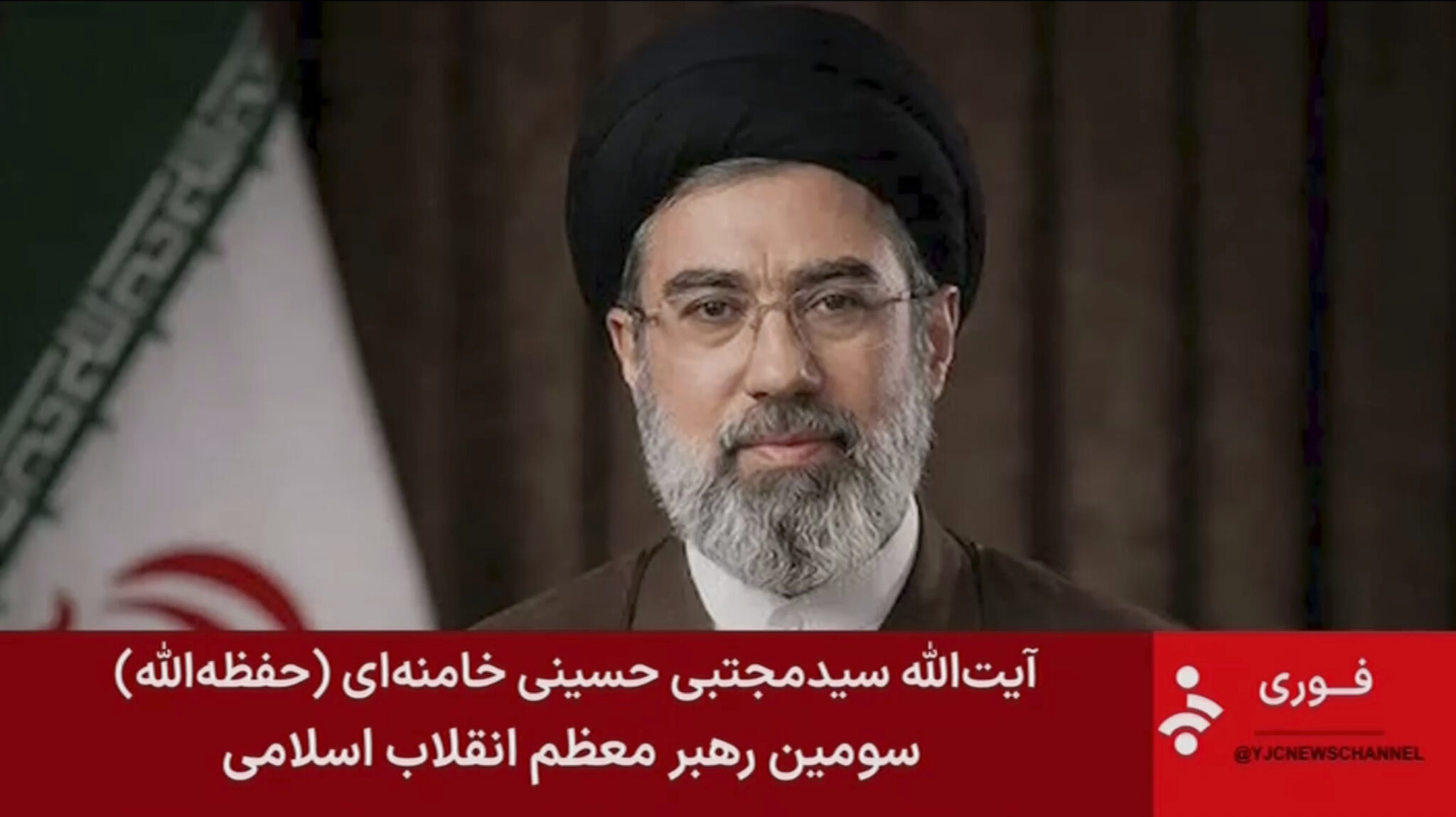
Iran Names Khamenei’s Son, Mojtaba to Succeed Him, Signaling No Letup in War/ Newslooks/ WASHINGTON/ J. Mansour/ morning Edition/ Iran has appointed Ayatollah Mojtaba Khamenei as the new supreme leader following the death of his father, Ayatollah Ali Khamenei, during the opening phase of the U.S.-Israel war with Iran. The leadership change signals Iran’s determination to continue fighting despite heavy bombardment and regional escalation. Oil prices surged near $120 per barrel as attacks targeted energy infrastructure across the Middle East.
Iran’s New Supreme Leader and Oil Surge Quick Looks
- Iran’s Assembly of Experts appointed Mojtaba Khamenei as the country’s new supreme leader.
- His father, Ayatollah Ali Khamenei, ruled Iran for 37 years before being killed during early strikes in the war.
- The new leader is closely tied to Iran’s Islamic Revolutionary Guard Corps (IRGC).
- Iran has intensified missile and drone attacks against Israel and Gulf states.
- Oil markets surged, with Brent crude approaching $120 per barrel.
- Tanker traffic through the Strait of Hormuz has been severely disrupted.
- Regional energy facilities in the UAE, Bahrain, and Saudi Arabia were targeted.
- Israel launched major airstrikes on Iranian military and missile facilities.
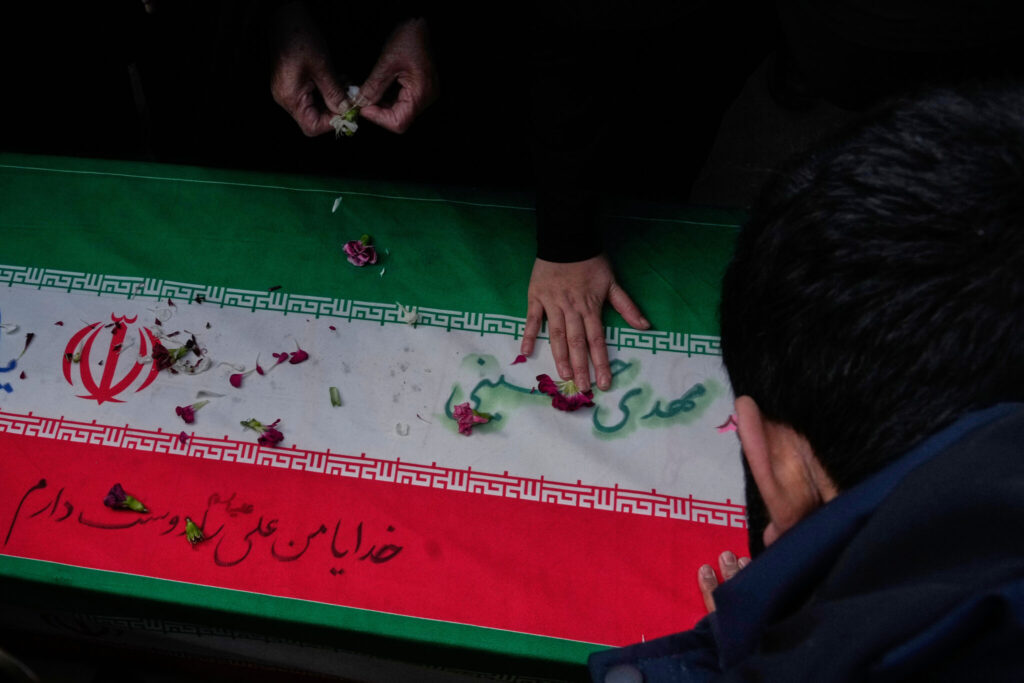
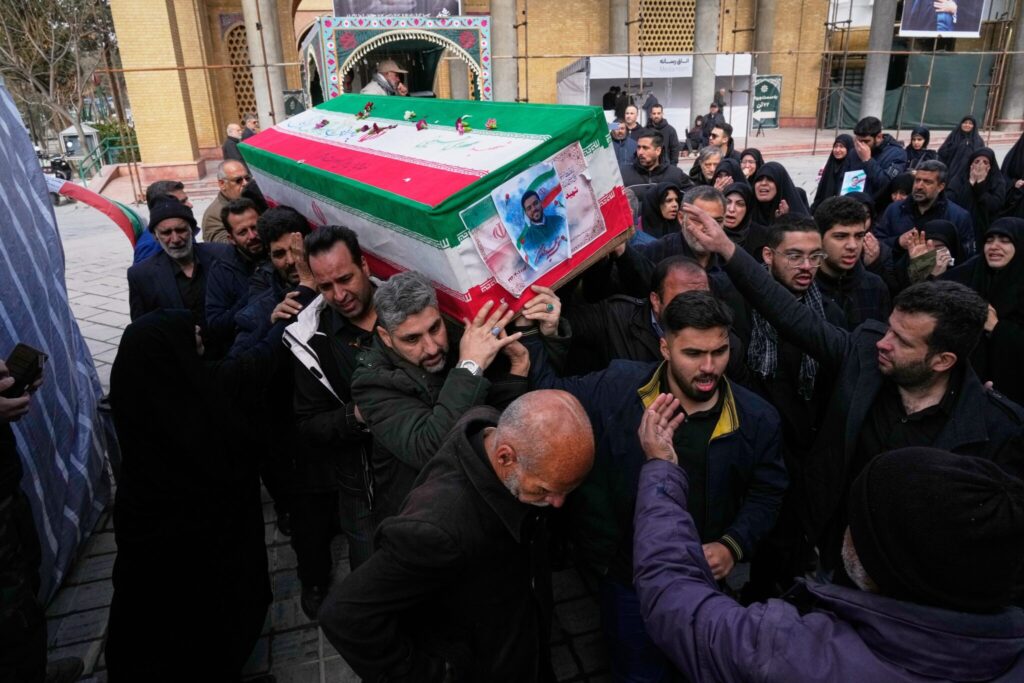
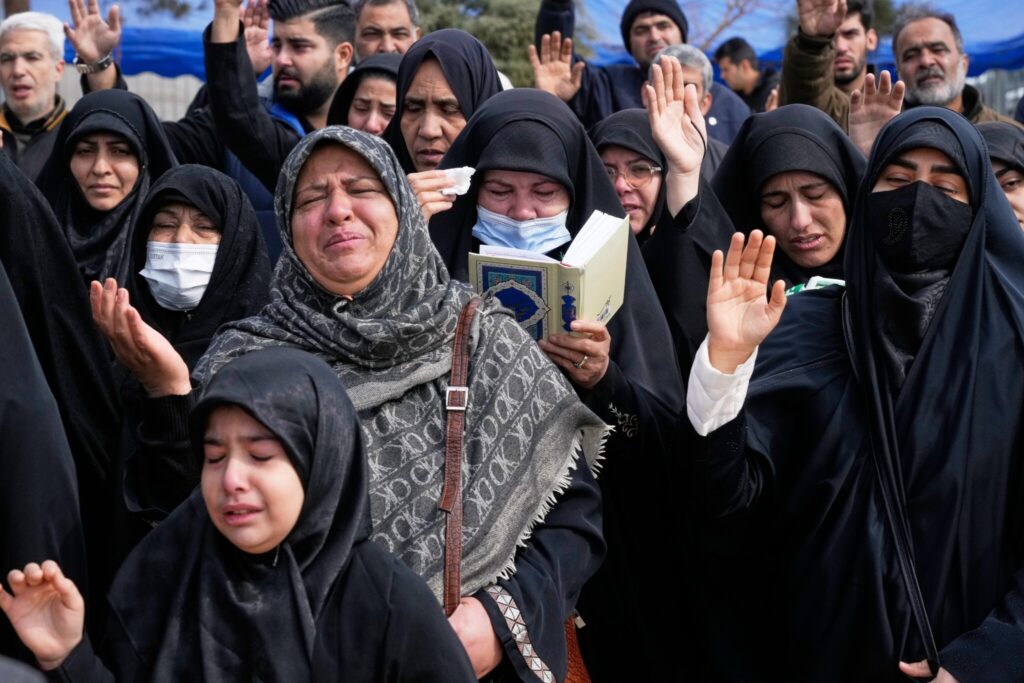
- The conflict has caused significant casualties in Iran, Lebanon, and Israel.
- U.S. diplomatic staff across several Middle Eastern countries are being evacuated.
Deep Look
Iran Names Mojtaba Khamenei as Supreme Leader Amid Expanding War
Iran has appointed Ayatollah Mojtaba Khamenei as the country’s new supreme leader following the death of his father, marking a pivotal moment in the escalating conflict involving Iran, Israel, and the United States. The leadership transition comes during intense military exchanges across the Middle East, fueling global market volatility and driving oil prices sharply higher.
The secretive cleric, believed to be 56 years old, was selected Monday by Iran’s Assembly of Experts, the clerical body responsible for appointing the nation’s supreme leader. His father, Ayatollah Ali Khamenei, had ruled Iran for 37 years before being killed during the early phase of the current war.
The appointment signals continuity in Iran’s leadership and suggests that Tehran intends to maintain its confrontational stance toward Israel and the United States.
A Hard-Line Leader With Revolutionary Guard Connections
Mojtaba Khamenei has long been viewed as a potential successor to his father. Known for his close relationships with the Islamic Revolutionary Guard Corps, he is considered even more hard-line than the late supreme leader.
The Revolutionary Guard has played a central role in Iran’s military operations during the conflict. Since the war began, the force has launched waves of missiles and drones targeting Israel and several Gulf Arab nations.
Although Mojtaba Khamenei has remained largely out of public view since the fighting began, Iranian officials say he has been deeply involved in strategic planning and national security matters.
His wife, Zahra Haddad Adel, was reportedly killed in the same strike that killed his father.
Some political figures inside Iran have criticized the leadership transition, arguing that passing power to a son resembles the monarchy that the 1979 Islamic Revolution overthrew. However, senior clerics ultimately chose continuity amid the war.
Oil Markets Surge as Energy Infrastructure Targeted
The leadership announcement coincided with dramatic movements in global energy markets. Oil prices surged as the war disrupted supply routes and energy infrastructure throughout the region.
Brent crude oil, the international benchmark, climbed to nearly $120 per barrel, roughly 65% higher than when the conflict began before slightly easing later in trading.
A major factor behind the surge is Iran’s activity in the Strait of Hormuz, one of the world’s most critical shipping corridors. Nearly one-fifth of global oil passes through the narrow waterway, and attacks in the area have significantly slowed tanker traffic.
Several regional energy facilities were also targeted:
- An oil facility in the United Arab Emirates caught fire after an Iranian attack.
- Bahrain’s only oil refinery appeared to be hit, sending smoke into the air.
- Saudi Arabia reported intercepting drones targeting the Shaybah oil field.
Despite the market turmoil, U.S. President Donald Trump said global supply shortages were unlikely.
“There is not an oil shortage,” Trump wrote on Truth Social, suggesting that increased shipments from Venezuela could help offset disruptions.
Intensifying Military Strikes Across the Region
The conflict continues to escalate across multiple fronts.
In Israel, air raid sirens sounded repeatedly as Iranian drones and missiles targeted cities across the country. One missile strike killed a man in central Israel, marking the first such fatality there in a week, while another attack wounded a woman.
Israel responded with airstrikes against key Iranian targets, including the city of Isfahan, where officials say command centers for the Revolutionary Guard and the Basij paramilitary force were hit. Israeli forces also targeted missile launch sites and a rocket engine manufacturing facility.
Later Monday, Israel announced a broader wave of strikes against military locations in Tehran, Isfahan, and southern Iran.
Turkey also reported intercepting a ballistic missile that entered its airspace, the second such incident since the war began.
Regional Fallout Expands Beyond Israel and Iran
The war’s effects are spreading across the Middle East as Iran launches attacks beyond Israel.
Authorities in the United Arab Emirates said shrapnel from intercepted Iranian missiles injured two people in Abu Dhabi. The Emirati Defense Ministry reported that 15 ballistic missiles and 18 drones targeted the country in a single day.
Since the war began, the UAE says it has faced more than 250 missiles and 1,400 drones. Four foreign nationals have been killed and over 100 others wounded.
Iranian strikes have also hit:
- Kuwait
- Qatar
- Bahrain
In Bahrain, a missile attack struck a residential neighborhood, injuring at least 32 people, including children. Officials also reported damage to a desalination facility, raising concerns about water supplies in the desert nation.
U.S. Military and Diplomatic Response
The United States has also faced attacks linked to Iranian forces.
A drone strike targeted a U.S. military compound at Baghdad International Airport, though Iraqi air defenses intercepted the aircraft before it could cause damage.
The Pentagon also confirmed that a U.S. service member died from injuries sustained in an Iranian attack on troops in Saudi Arabia earlier in March. The death brings the number of U.S. military fatalities in the conflict to seven.
Amid the escalating violence, the U.S. State Department ordered nonessential staff and family members to leave Saudi Arabia. Diplomatic missions in Bahrain, Iraq, Jordan, Kuwait, Lebanon, Qatar, and the UAE have also reduced personnel.
Israel Expands Strikes Into Lebanon
The war is also intensifying along Israel’s northern border with Lebanon.
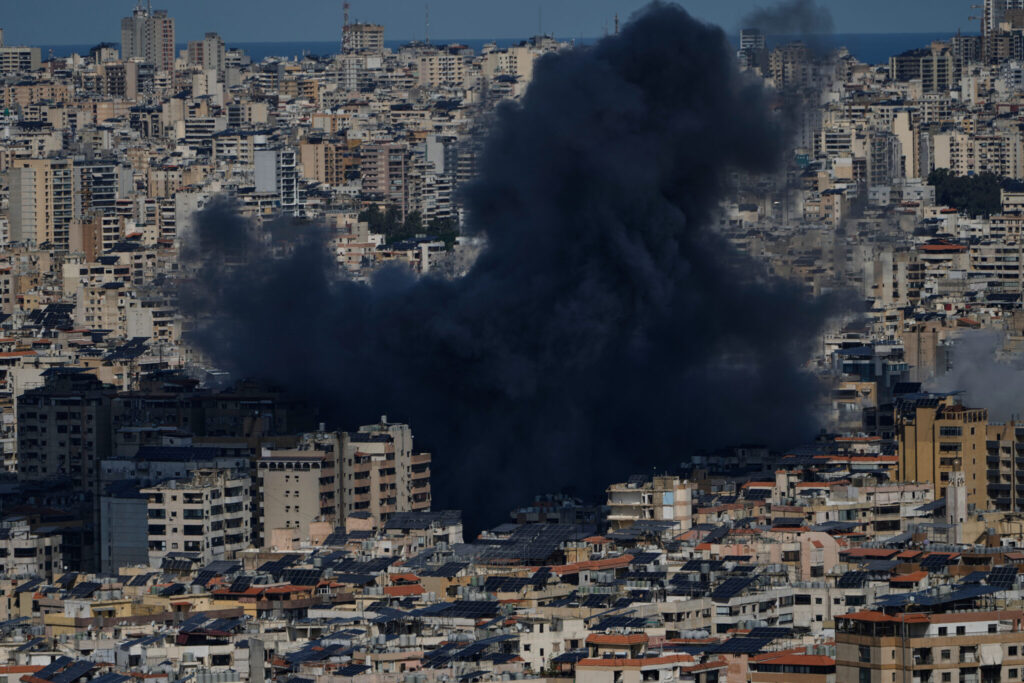
Israeli forces launched airstrikes in the southern suburbs of Beirut, targeting financial infrastructure associated with Hezbollah, the Iran-backed militant group.
The Israeli military warned residents to evacuate areas connected to the organization’s financial institution al-Qard Al-Hasan, which Israel accuses of funding Hezbollah operations.
Rising Casualties Across the Conflict
The growing regional conflict has already caused significant casualties.
Officials report that the war has killed:
- At least 1,230 people in Iran
- 397 people in Lebanon
- 11 people in Israel
Israel also confirmed the deaths of two soldiers in southern Lebanon during fighting with Hezbollah forces.
With a new supreme leader in place and military operations intensifying across several countries, the conflict shows few signs of slowing, raising fears of prolonged instability in the Middle East and continued pressure on global energy markets.