Oil Prices Close to $120 as Iran War Disrupts Supply/ Newslooks/ WASHINGTON/ J. Mansour/ Morning Edition/ Global oil prices surged close to $120 per barrel as the escalating Iran conflict threatened Middle East energy production and shipping routes. Attacks on energy infrastructure and tanker disruptions in the Strait of Hormuz intensified fears of supply shortages. Governments and global markets are bracing for economic fallout as fuel costs climb worldwide.
Oil Prices Surge During Iran War Quick Looks
- Brent crude briefly surged to $119.50 per barrel before easing.
- U.S. benchmark West Texas Intermediate (WTI) rose above $119 before retreating.
- The Iran conflict has disrupted oil production and shipping routes in the Persian Gulf.
- Tankers carrying oil through the Strait of Hormuz have nearly stopped operating.
- Bahrain declared force majeure after an Iranian strike set its refinery ablaze.
- Israel struck Iranian oil depots in Tehran, worsening supply fears.
- G7 leaders are discussing releasing strategic oil reserves to calm markets.
- Rising fuel prices are pushing inflation higher globally.
- Asian economies face major risks due to heavy dependence on Middle East energy imports.
- U.S. gasoline and diesel prices are rising sharply as the conflict expands.

Deep Look
Energy Prices Soar as Iran Conflict Disrupts Global Oil Supply
Global energy markets were jolted Monday as oil prices surged to levels not seen in years amid intensifying conflict involving Iran, Israel, and the United States. Concerns about disruptions to critical shipping routes and damage to key energy facilities pushed crude prices sharply higher before they eased later in the day.
Brent crude oil, the global benchmark for petroleum prices, surged to $119.50 per barrel during early trading before retreating to around $106 per barrel, still up roughly 14% compared with previous levels.
Meanwhile, West Texas Intermediate (WTI) — the primary U.S. oil benchmark — climbed above $119 per barrel before falling back to approximately $103.
The sudden surge in oil prices reflects growing fears that the widening Middle East war could significantly disrupt global energy supplies.
Energy Infrastructure Under Attack
Oil markets have reacted sharply as attacks increasingly target energy infrastructure across the region.
In Bahrain, officials accused Iran of striking a desalination plant, a facility critical for providing drinking water in the desert nation. The attack heightened fears that essential infrastructure could be vulnerable as the conflict escalates.
Bahrain’s national oil company also declared force majeure, a legal measure that releases companies from contractual obligations due to extraordinary circumstances. The declaration came after an Iranian strike set parts of the country’s oil refinery complex on fire.
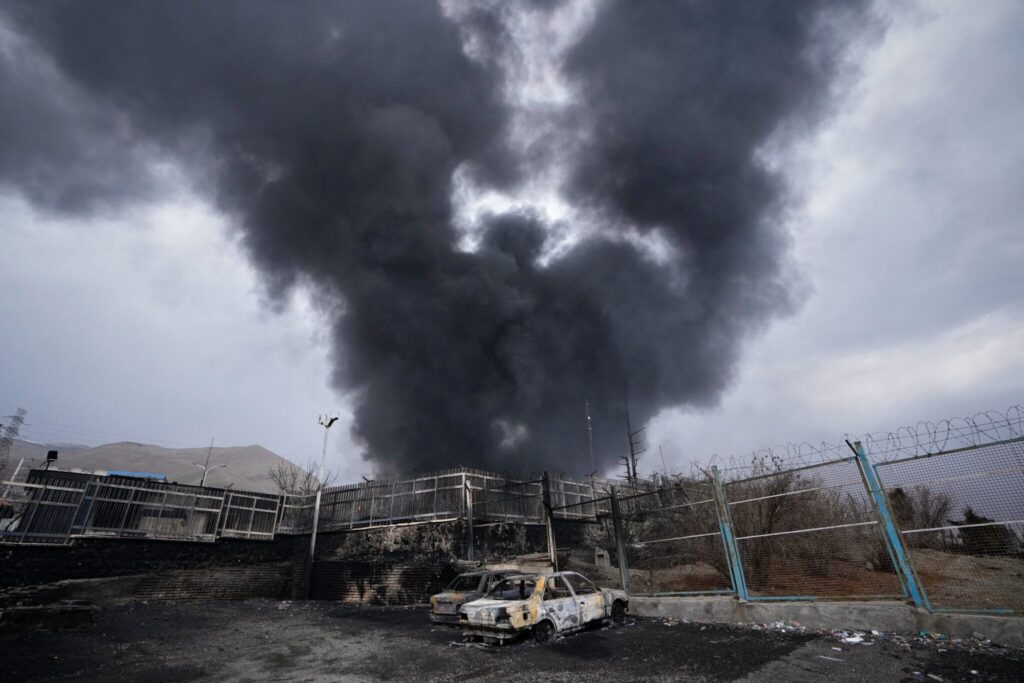
Meanwhile, Israeli strikes reportedly hit oil depots in Tehran, leaving facilities smoldering overnight and raising further concerns about energy production disruptions.
The attacks highlight how the conflict has expanded beyond traditional military targets to include facilities tied directly to energy supply chains.
Strait of Hormuz Disruptions Shake Global Markets
One of the biggest drivers of the oil price surge is the disruption of tanker traffic through the Strait of Hormuz, a narrow shipping corridor connecting the Persian Gulf to the open ocean.
According to research firm Rystad Energy, roughly 15 million barrels of crude oil per day normally travel through the strait. That represents about 20% of global oil shipments.
However, missile and drone threats linked to Iran have effectively halted most tanker traffic through the critical passageway.
The disruption affects exports from several major oil-producing countries, including:
- Saudi Arabia
- Kuwait
- Iraq
- Qatar
- Bahrain
- United Arab Emirates
- Iran
With shipping constrained, some countries are already cutting production as storage facilities fill with unsold crude.
Global Leaders Consider Emergency Measures
In response to the energy shock, leaders of the Group of Seven (G7) industrialized nations are discussing possible measures to stabilize markets.
French President Emmanuel Macron said the coordinated release of strategic oil reserves remains an option.
“The use of strategic reserves is an envisaged option,” Macron said Monday, suggesting G7 leaders could meet soon to coordinate a global response.
Finance ministers from G7 countries are also holding emergency talks to evaluate the economic consequences of the conflict.
However, U.S. President Donald Trump previously downplayed the need to release oil from the United States’ Strategic Petroleum Reserve, arguing that American supply levels remain sufficient and predicting prices will eventually decline.
Asian Economies Feel Immediate Impact
The surge in oil and natural gas prices is already rippling through global economies, particularly in Asia, where many countries rely heavily on Middle Eastern energy imports.
Iran exports approximately 1.6 million barrels of oil per day, much of it to China. If those shipments are disrupted, China may be forced to secure alternative sources of crude — a shift that could further drive prices upward.
Chinese officials have called for an immediate end to the fighting.
“All parties have their responsibility to ensure stable and smooth energy supplies,” said Chinese Foreign Ministry spokesman Guo Jiakun. He added that Beijing would take necessary steps to safeguard its energy security.
In South Korea, President Lee Jae Myung warned companies against hoarding fuel or colluding on prices, promising strict penalties for violations. Officials are also exploring alternative supply routes that bypass the Strait of Hormuz.
Across Southeast Asia, the price spike has already led to long lines at fuel stations as drivers rush to fill their tanks.
In Vietnam, Hanoi resident Le Van Tu said rising fuel costs threaten daily life and economic activity.
“Higher oil and gas prices will affect everyone and our economy,” he said while waiting at a gas station.
Financial Markets React to Energy Shock
The surge in energy prices has sent shockwaves through financial markets.
In South Korea, the Kospi stock index plunged 6% as investors reacted to rising geopolitical risk and the threat of higher inflation.
The last time oil prices approached these levels was in 2022, following Russia’s invasion of Ukraine, which triggered a major energy crisis across Europe and global markets.
Higher energy costs tend to drive inflation upward, squeezing household budgets and reducing consumer spending — a key engine of economic growth in many countries.
Fuel Prices Rise for Consumers
Consumers are already feeling the impact of the energy spike.
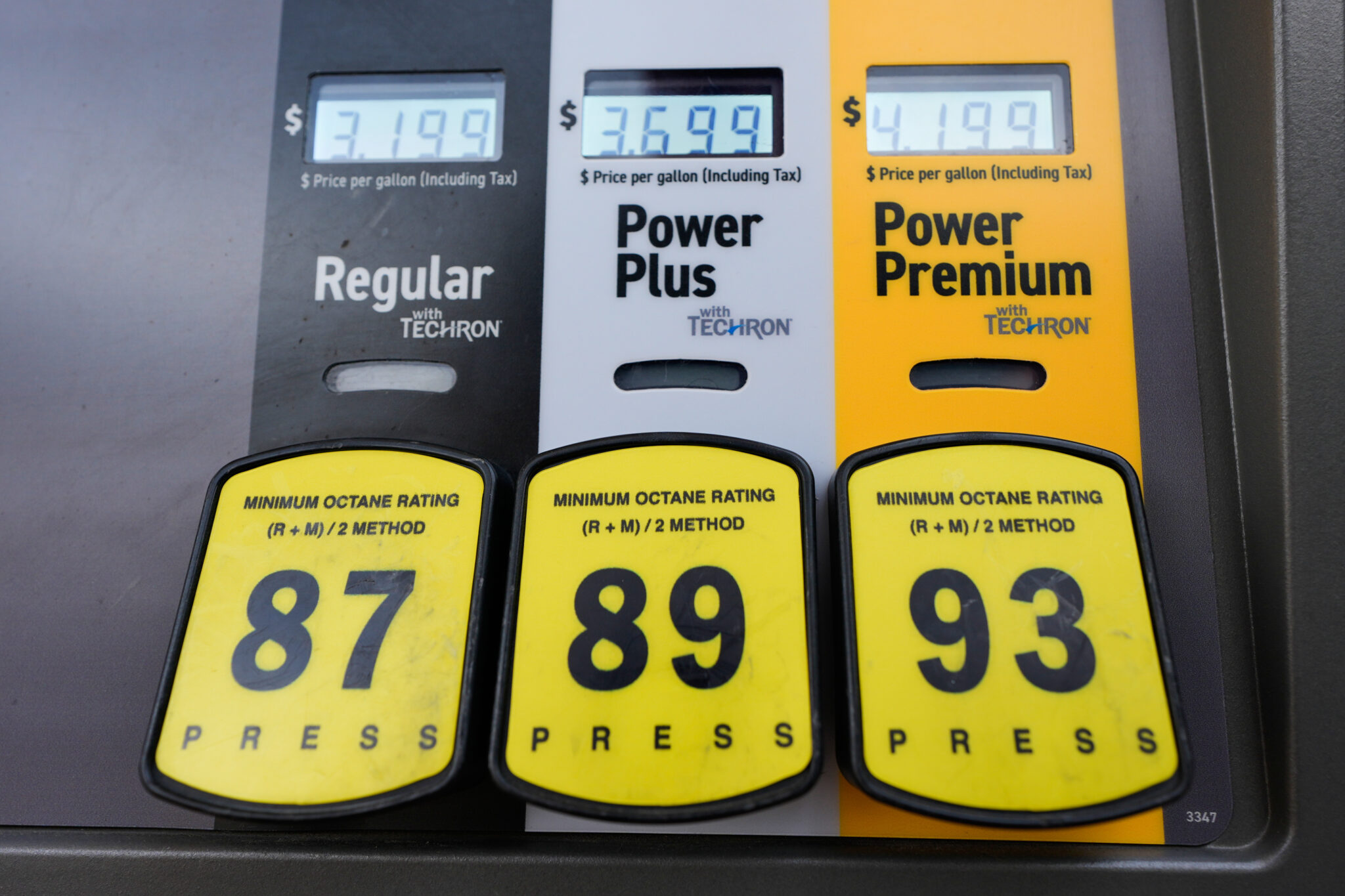
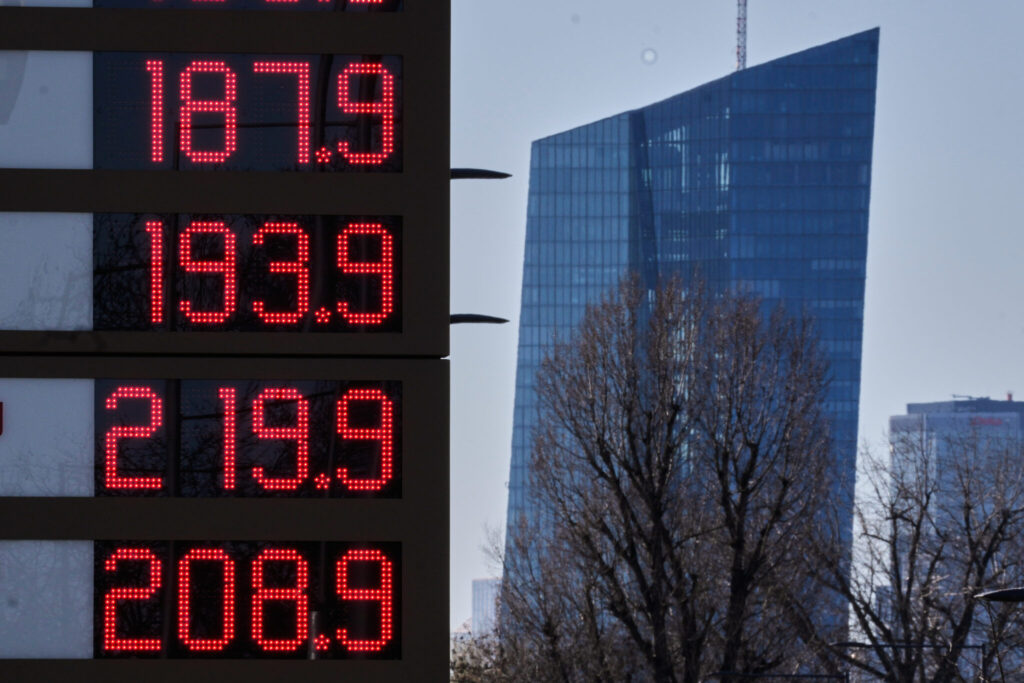
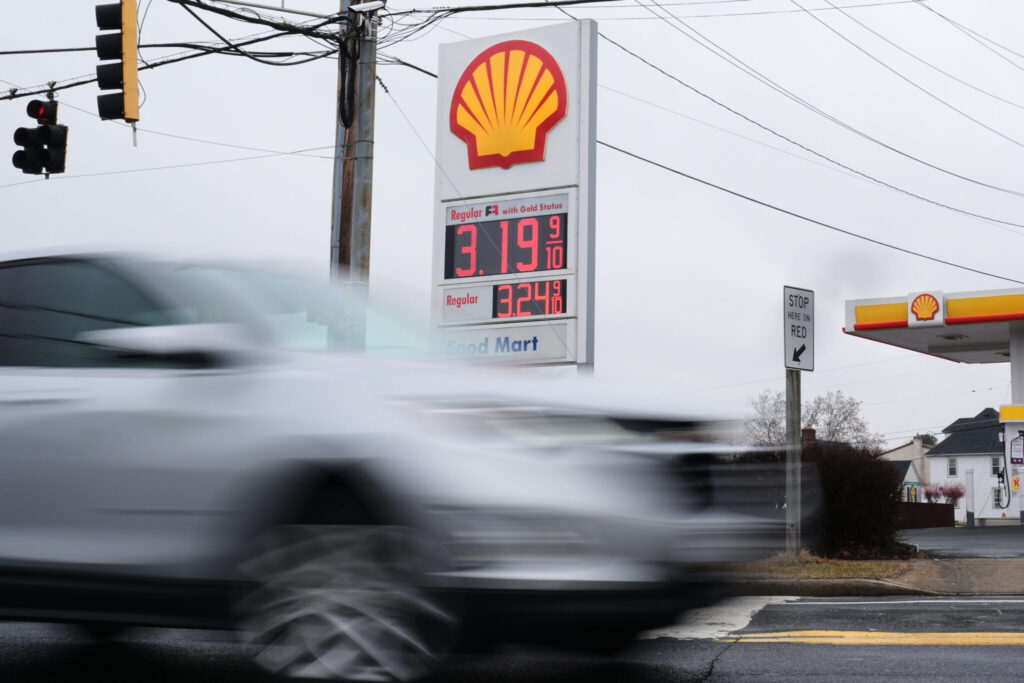
In the United States, the average price of regular gasoline climbed to $3.48 per gallon, according to the AAA motor club. That represents an increase of nearly 50 cents in just one week.
Diesel prices, which heavily affect shipping and transportation costs, have jumped even more sharply. The national average rose to $4.66 per gallon, up more than 80 cents compared with the previous week.
Natural gas prices have also climbed during the conflict, though less dramatically than oil. U.S. natural gas was trading at roughly $3.34 per 1,000 cubic feet, up from $3.19 just days earlier.
As the conflict continues and energy infrastructure remains at risk, analysts warn that oil and gas prices could remain volatile — with potential ripple effects across the global economy.