Hegseth: Russia ‘Should Not Be Involved’ in Iran, Trump Had ‘Good Call’ with Putin/ Newslooks/ WASHINTON/ J. Mansour/ Morning Edition/ Defense Secretary Pete Hegseth said Russia should stay out of the war involving Iran, while praising President Donald Trump’s recent phone call with Russian President Vladimir Putin. At a Pentagon briefing, Hegseth and Joint Chiefs Chairman Gen. Dan Caine also said U.S. forces are intensifying strikes and reducing Iran’s missile and drone attacks. The remarks came as Washington renewed warnings over the Strait of Hormuz and pushed Iran’s new leader to abandon nuclear ambitions.
Hegseth Russia Iran Warning Quick Looks
- Defense Secretary Pete Hegseth said Russia should not become involved in the Iran conflict.
- Hegseth said President Donald Trump had a “good call” with Vladimir Putin.
- Pentagon officials said U.S. strikes have sharply reduced Iranian missile and drone attacks.
- Gen. Dan Caine said Iran is still fighting but is not stronger than expected.
- Hegseth warned Iran’s new leader, Mojtaba Khamenei, against pursuing nuclear weapons.
- The Pentagon repeated Trump’s warning over any disruption in the Strait of Hormuz.
- U.S. officials said military planners are reviewing options for escorting oil tankers if needed.
- Hegseth argued Iran made a mistake by attacking Arab neighbors.
- The Pentagon said Operation Epic Fury is not an Iraq-style nation-building war.
- U.S. officials honored Sgt. Benjamin N. Pennington, the seventh American service member killed in the conflict.
Deep Look
Hegseth says Russia should stay out of Iran conflict as Pentagon outlines U.S. gains
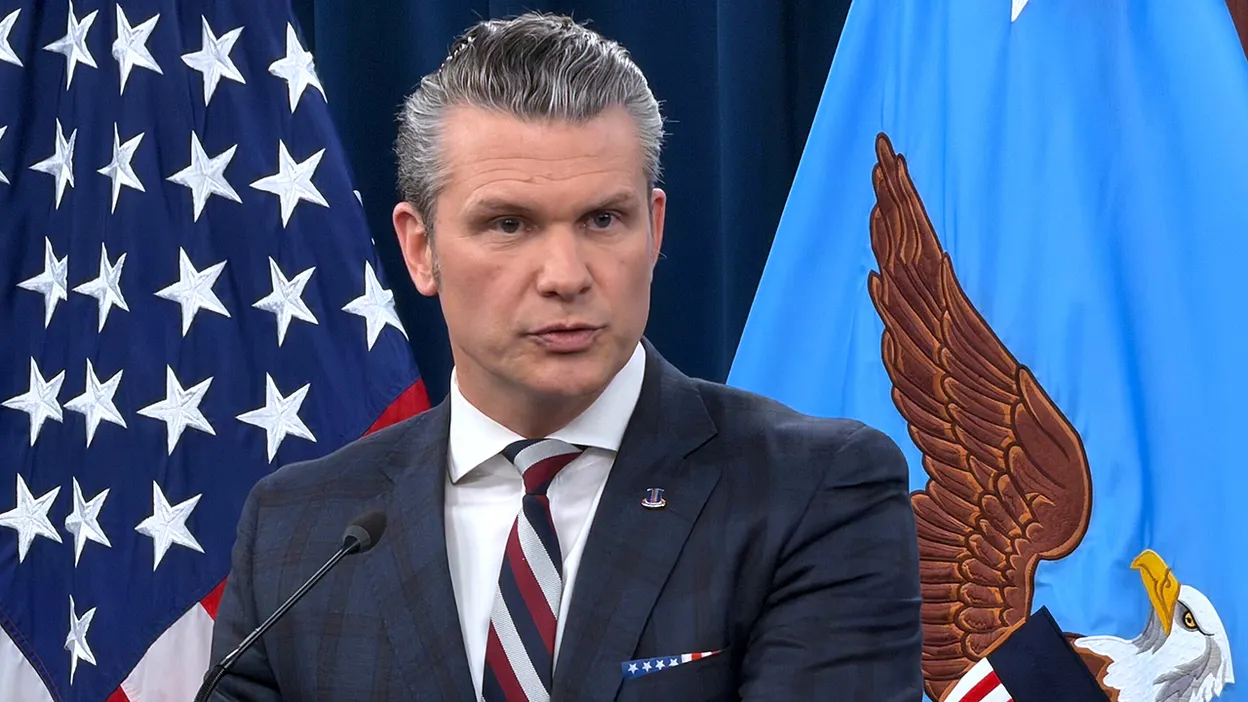
Defense Secretary Pete Hegseth said Tuesday that Russia should not become involved in the growing conflict with Iran, using a Pentagon briefing to underline the Trump administration’s message that the war remains limited in scope even as the United States expands pressure on Tehran.
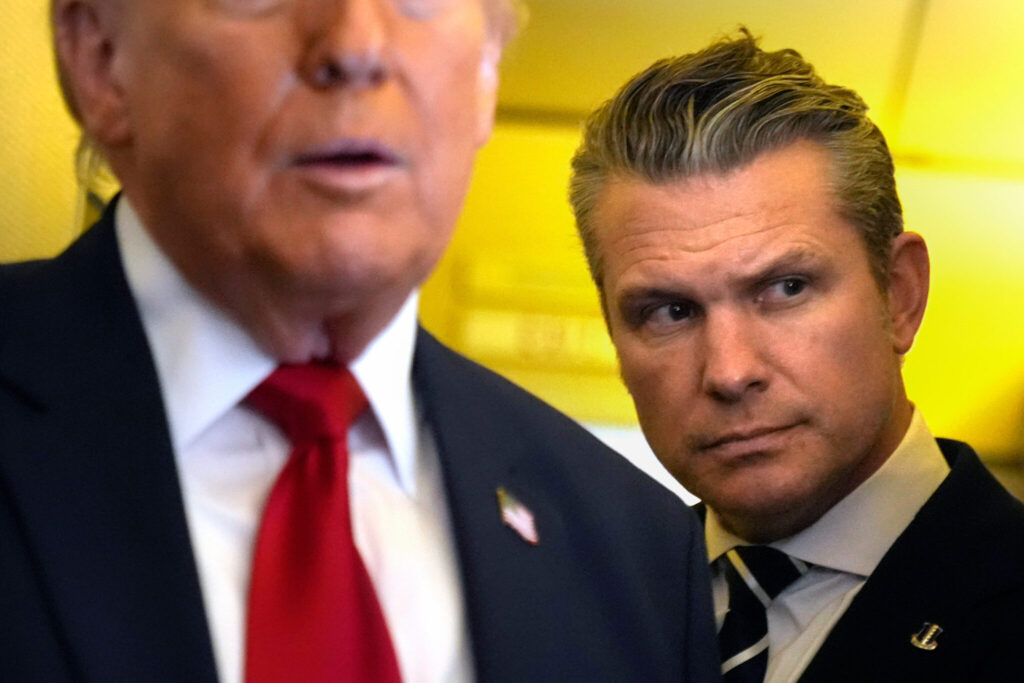
Hegseth’s comments came a day after President Donald Trump spoke by phone with Russian President Vladimir Putin. While the defense secretary said he was not personally on the call, he described it as a positive and consequential conversation that reinforced Trump’s ability to deal directly with world leaders during a rapidly shifting crisis.
According to Hegseth, those who participated in or were briefed on the call viewed it as strong and productive. He said the conversation touched not only on the war in Ukraine but also on the Iran conflict, where the administration’s message to Moscow was clear: Russia should not insert itself into the fight.
The remark highlighted Washington’s concern that the war could widen if other powers begin taking a more active role. While the White House has insisted the military campaign is tightly defined, the regional fallout has already spread well beyond Iran and Israel, with Gulf states repeatedly coming under missile and drone attack.
Pentagon says Iran is weaker but still resisting
Joining Hegseth at the briefing, Joint Chiefs Chairman Gen. Dan Caine said Iran continues to resist, but not beyond what U.S. planners expected. He said Tehran is still fighting and should not be underestimated, but added that American officials do not see evidence that Iran has proven more formidable than anticipated.
Caine argued that sustained U.S. strikes are having a measurable effect. According to the Pentagon’s assessment, ballistic missile attacks from Iran have fallen by roughly 90% since the start of the operation, while one-way drone attacks are down 83%. Those numbers were presented as evidence that U.S. military pressure is degrading Iran’s launch capabilities and command systems.
Hegseth took an even more forceful tone, saying U.S. forces are winning with overwhelming and relentless focus as Operation Epic Fury moves deeper into its second week. He described Tuesday as potentially the most intense day of strikes so far, with more fighters, more bombers and more refined intelligence feeding the air campaign.
The defense secretary said the administration will not relent until the enemy is decisively defeated, but he also insisted the campaign remains defined by U.S. timelines and objectives, rather than by open-ended goals.
Washington rejects comparisons to Iraq
One of Hegseth’s central messages was that the operation against Iran should not be compared to the 2003 Iraq invasion or later nation-building missions. He rejected the idea that the United States is drifting into another prolonged Middle East war with unclear objectives.
He said this is not endless nation building and not a replay of the types of conflicts that consumed American policy for years under earlier administrations. Instead, Hegseth portrayed the operation as a focused military campaign designed to break Iran’s capacity to threaten the region and pursue nuclear escalation.
That framing appeared aimed both at domestic critics and at allies in the region who are wary of a broader war. It also echoed Trump’s own public effort to present the conflict as forceful but limited.
Warning for Iran’s new supreme leader
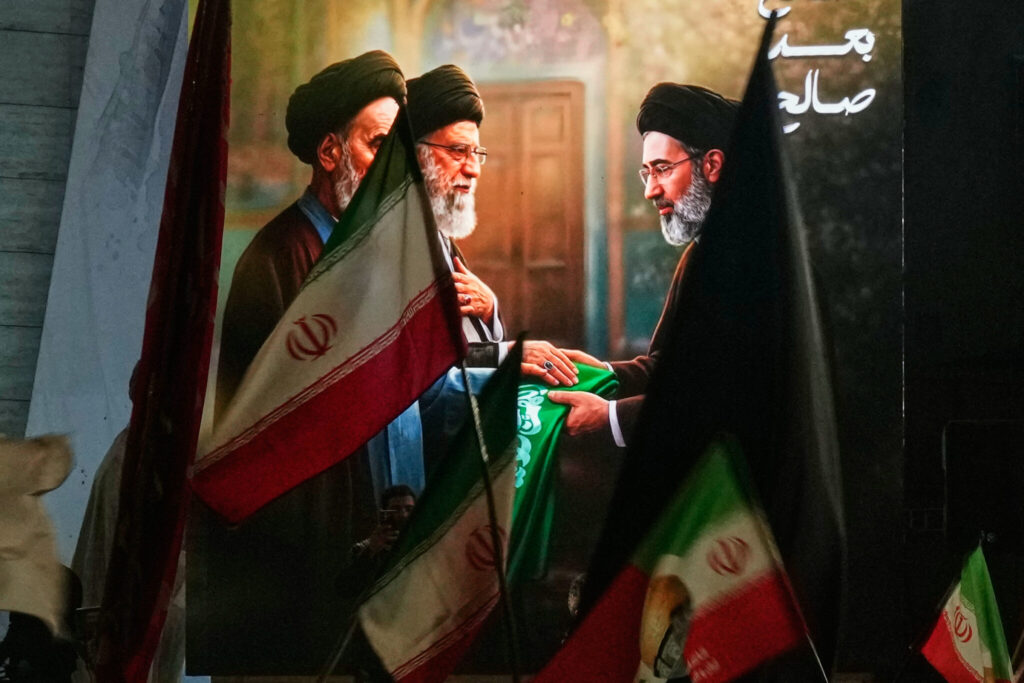
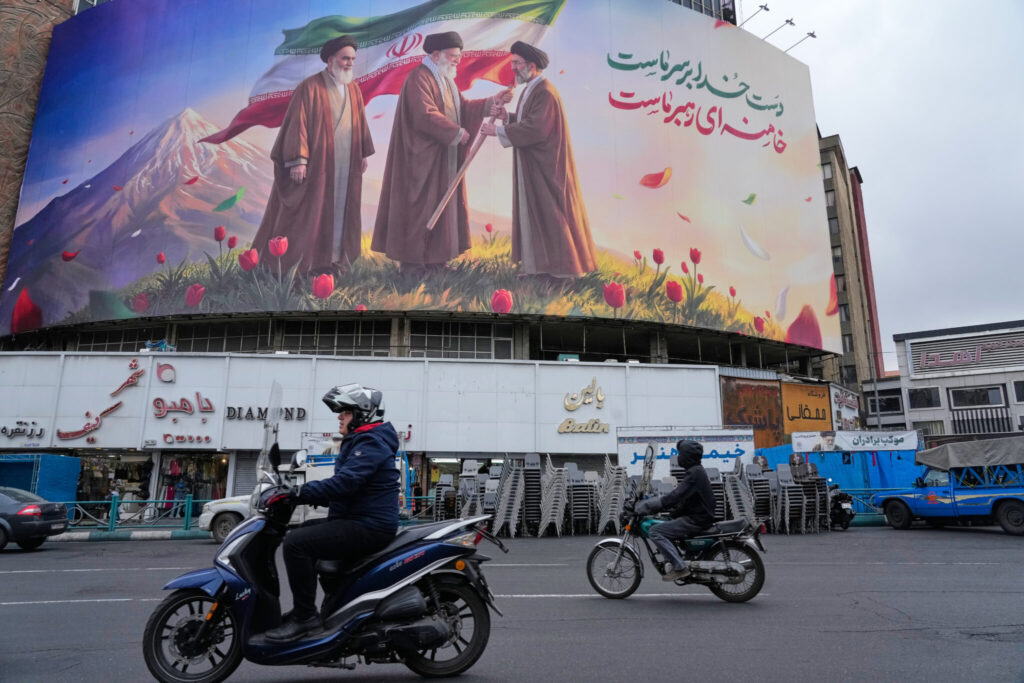
Hegseth also addressed the elevation of Mojtaba Khamenei as Iran’s new supreme leader after the death of Ayatollah Ali Khamenei. He said the younger Khamenei would be wise to listen to Trump’s warning and explicitly renounce any pursuit of nuclear weapons.
That statement reinforced the administration’s effort to tie the war not only to current battlefield conditions but also to Iran’s future strategic direction. By directly addressing the new leader, the Pentagon signaled that Washington expects Mojtaba Khamenei to define quickly whether he will escalate or step back.
Trump had already made clear that he was displeased by Mojtaba Khamenei’s selection, suggesting the choice pointed toward a harder-line future in Tehran rather than a path to de-escalation.
Strait of Hormuz remains a red line
Another major focus of the briefing was the Strait of Hormuz, the crucial waterway through which a large share of the world’s oil flows. The Pentagon repeated Trump’s warning that any Iranian effort to block oil shipments would trigger a much harsher U.S. response.
Caine said military planners are reviewing a range of options if the United States is tasked with escorting oil tankers through the strait. He said any such mission would require a full assessment of resources, command arrangements, risks and ways to reduce those risks.
Hegseth then emphasized that Trump takes the security of the strait very seriously. He referenced the president’s threat that Iran would be hit much harder if oil flows are interrupted and said the United States has unique capabilities to respond. At the same time, Hegseth insisted that the broader operation is not intended to spiral into a larger war.
Arab partners move closer to Washington
Hegseth argued that Iran hurt itself strategically by launching attacks against Arab neighbors early in the war. He said Tehran’s decision to target nearby states exposed the regime and pushed regional governments closer to the United States rather than frightening them away.
According to Hegseth, some Arab partners have responded by granting access, spacing and overflight cooperation that could reshape regional security ties. He said that instead of broadening the war in Iran’s favor, those attacks had the opposite effect by drawing more countries toward Washington’s camp.
The United Arab Emirates underscored the continuing danger Tuesday when it said its air defenses were responding to incoming missile and drone threats from Iran. Emirati officials said hundreds of ballistic missiles have been detected since the start of Iranian attacks, with most destroyed before impact.
Civilian precautions and battlefield messaging
Hegseth also used the briefing to defend the U.S. military’s conduct. He said no nation takes more precautions to avoid civilian casualties than the United States and contrasted that with Iran, which he accused of launching attacks indiscriminately and operating near civilian sites such as schools and hospitals.
That message is likely intended to answer criticism over the human cost of the operation while reinforcing the administration’s portrayal of Iran as a regime that relies on terror tactics.
Tribute to fallen U.S. service member
The briefing also included a somber moment as Caine honored Army Sgt. Benjamin N. Pennington, the seventh U.S. service member to die while supporting the operation. He recalled meeting Pennington’s family during the dignified transfer at Dover Air Force Base and described the soldier as someone who wanted to serve his country from childhood.
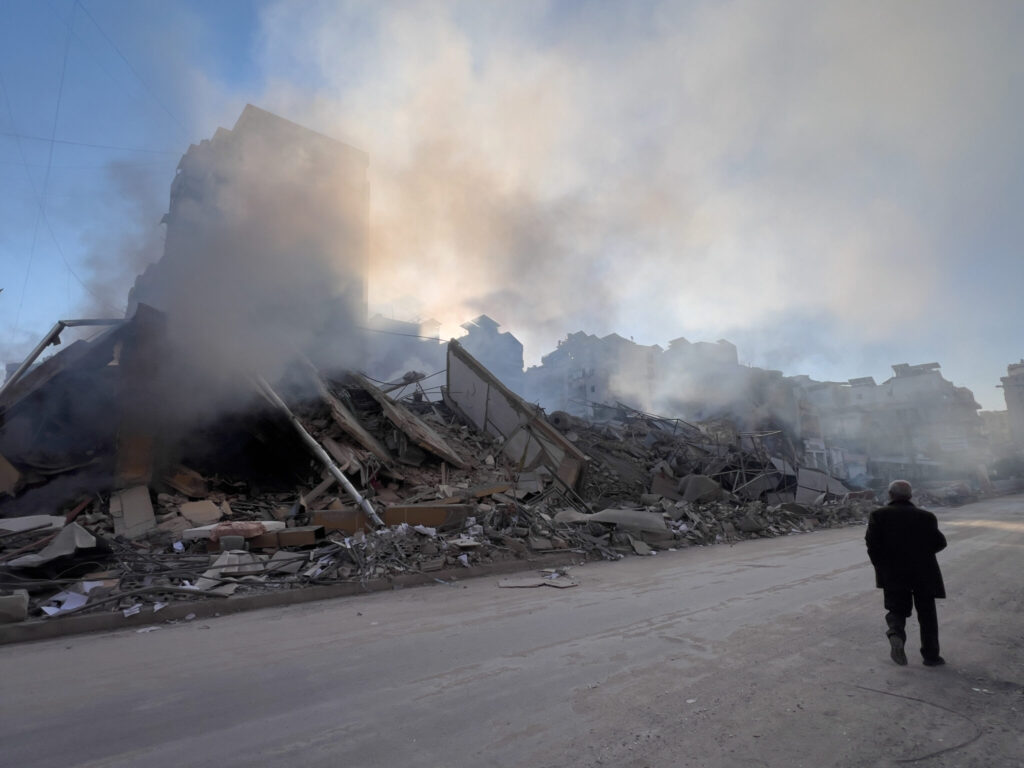
The tribute served as a reminder that even as Pentagon officials described battlefield progress, the war’s costs continue to mount.
A conflict still at risk of widening
Taken together, the Pentagon’s message was one of confidence mixed with warning. Officials said Iran’s capabilities are being reduced, allies are moving closer to the United States, and Russia has been put on notice not to interfere. But the repeated focus on the Strait of Hormuz, regional missile threats and Iran’s new leader showed how fragile the situation remains.
For now, Hegseth and Caine are presenting the campaign as a tightly managed operation that is producing results. Whether it stays that way may depend on whether Iran, Russia and the region’s energy routes remain contained in the days ahead.