IEA Agrees to Record Release of Emergency Oil Reserves to Calm Surging Prices/ Newslooks/ WASHINGTON/ J. Mansour/ Morning Edition/ The International Energy Agency announced the largest release of emergency oil reserves in history. The move aims to stabilize global energy markets disrupted by the Iran war and blocked shipping routes. Countries including Germany, Austria and Japan are preparing to release strategic oil stocks.
IEA Emergency Oil Release Quick Looks
- The International Energy Agency will release 400 million barrels of oil.
- It is the largest emergency release in the agency’s history.
- The decision aims to stabilize markets shaken by the Iran war.
- Oil shipments through the Strait of Hormuz have been severely disrupted.
- Export volumes from the region have dropped below 10% of pre-war levels.
- G7 energy ministers supported using strategic reserves to stabilize prices.
- Germany, Austria and Japan announced they will release portions of reserves.
- The previous largest release was 182.7 million barrels in 2022.
- IEA member nations hold more than 1.2 billion barrels in public reserves.
- The move is intended to ease pressure on global oil prices and supply chains.
Deep Look
IEA Orders Record Oil Reserve Release to Calm Markets
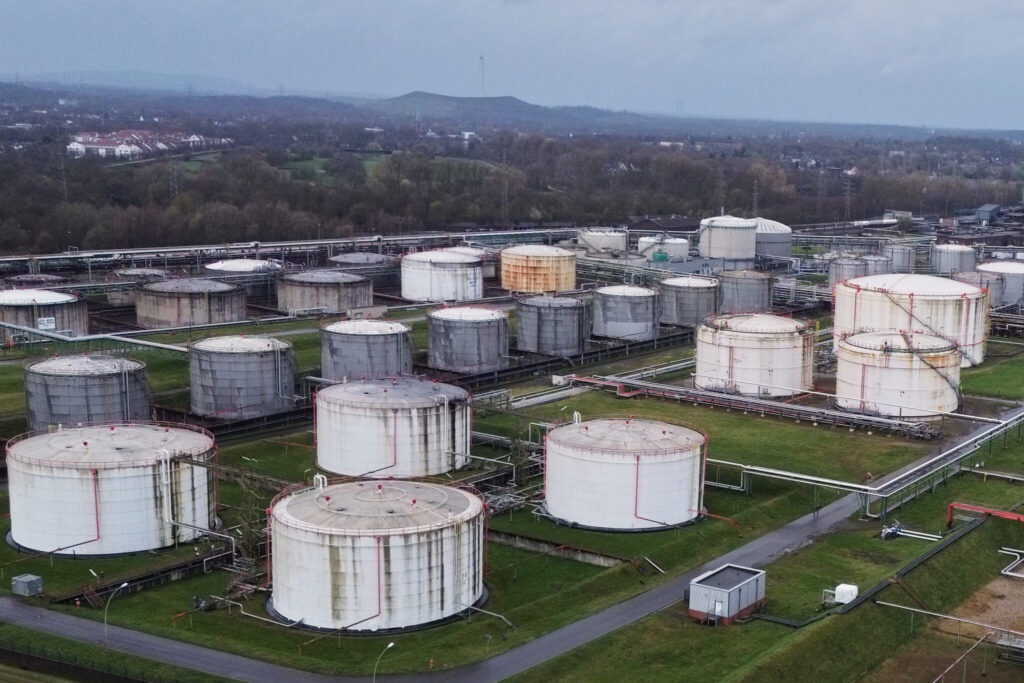
The International Energy Agency (IEA) announced Wednesday that its member nations will release 400 million barrels of emergency oil reserves, the largest coordinated release in the organization’s history.
The decision comes as global energy markets struggle with severe disruptions triggered by the ongoing war involving Iran and attacks on shipping routes across the Persian Gulf.
The Paris-based energy watchdog said the unprecedented move is designed to stabilize global oil markets and prevent further price spikes as supply from the Middle East remains heavily constrained.
Oil Markets Shaken by Conflict
The Iran conflict has dramatically disrupted the flow of oil through one of the world’s most important energy corridors.
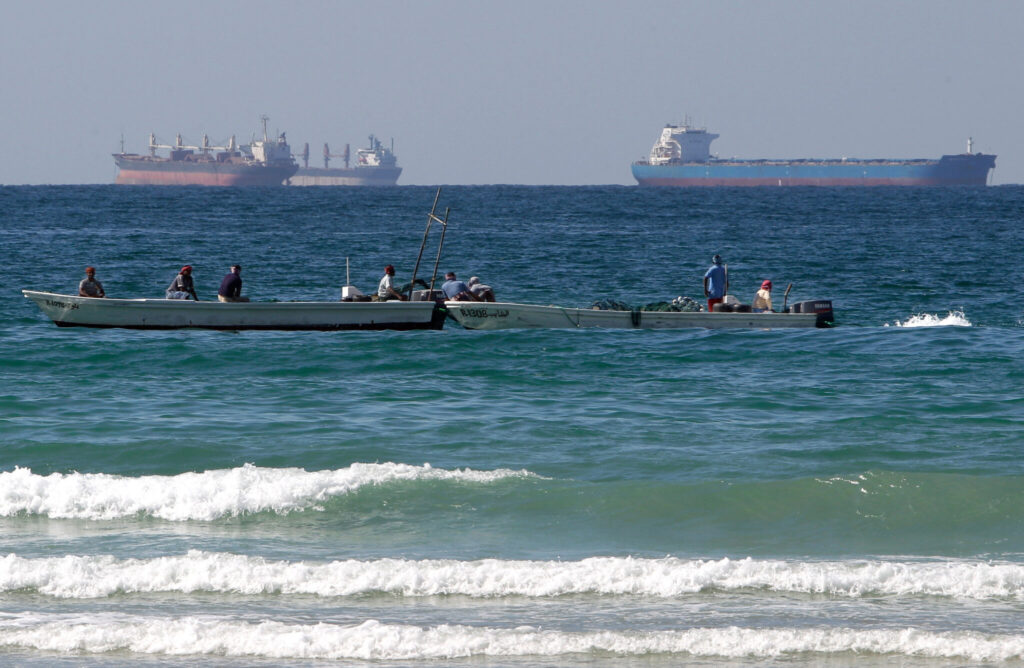
Iran has targeted commercial shipping in the Persian Gulf and effectively halted cargo traffic through the Strait of Hormuz, a narrow waterway that normally carries around 20% of global oil shipments from the region toward international markets.
In addition to shipping disruptions, Iranian forces have also struck oil fields and refineries in several Gulf Arab nations.
Analysts say the attacks appear intended to create economic pressure on the United States and Israel by disrupting global energy supplies and driving up prices.
As a result of these disruptions, the IEA reports that oil exports from the region have dropped to less than 10% of pre-war levels.
Largest Strategic Oil Release Ever
The scale of the reserve release far exceeds previous emergency interventions.
The previous record occurred in 2022 when IEA member countries released 182.7 million barrels of oil in response to the market shock caused by Russia’s invasion of Ukraine.
The strategic reserves system was originally created in 1974 following the Arab oil embargo that sent energy prices soaring worldwide.
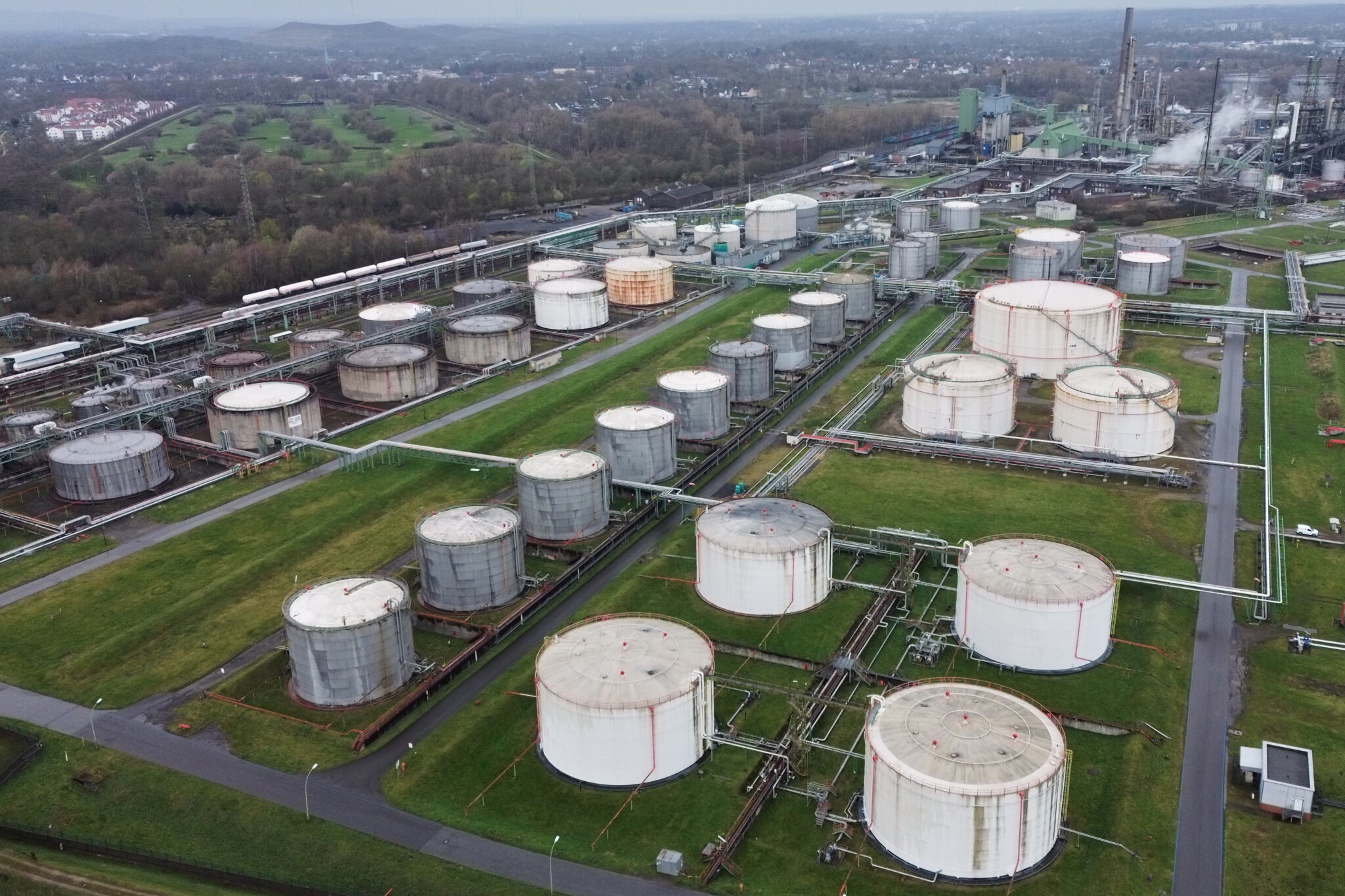
Today, IEA member countries collectively hold more than 1.2 billion barrels of public emergency oil stocks.
In addition, governments require private energy companies to maintain another 600 million barrels in industry reserves.
Together, these stockpiles serve as a buffer designed to protect the global economy during supply disruptions.
G7 Nations Support Emergency Measures
Energy ministers from the Group of Seven (G7) nations met Tuesday at IEA headquarters in Paris to discuss strategies for stabilizing the global energy market.
The ministers announced their support for “proactive measures” to address the crisis, including the use of strategic oil reserves.
The G7 includes Canada, the United States, Britain, France, Germany, Italy and Japan — some of the world’s largest energy-consuming economies.
Leaders from the group were also scheduled to hold a virtual meeting later Wednesday to coordinate further responses to the energy crisis.
Countries Begin Releasing Oil Supplies
Several countries quickly announced plans to release portions of their emergency oil reserves following the IEA decision.
Germany and Austria confirmed Wednesday that they would contribute to the coordinated release.
German Economy Minister Katherina Reiche said the country would release oil reserves in support of the international effort.
“Germany stands behind the IEA’s most important principle of mutual solidarity,” Reiche said.
Officials said it may take several days before the first shipments from reserves reach the market.
Japan also announced that it plans to begin releasing some of its oil reserves starting next week.
It remains unclear how much oil each country will contribute to the total 400 million barrel release.
Governments Attempt to Control Fuel Prices
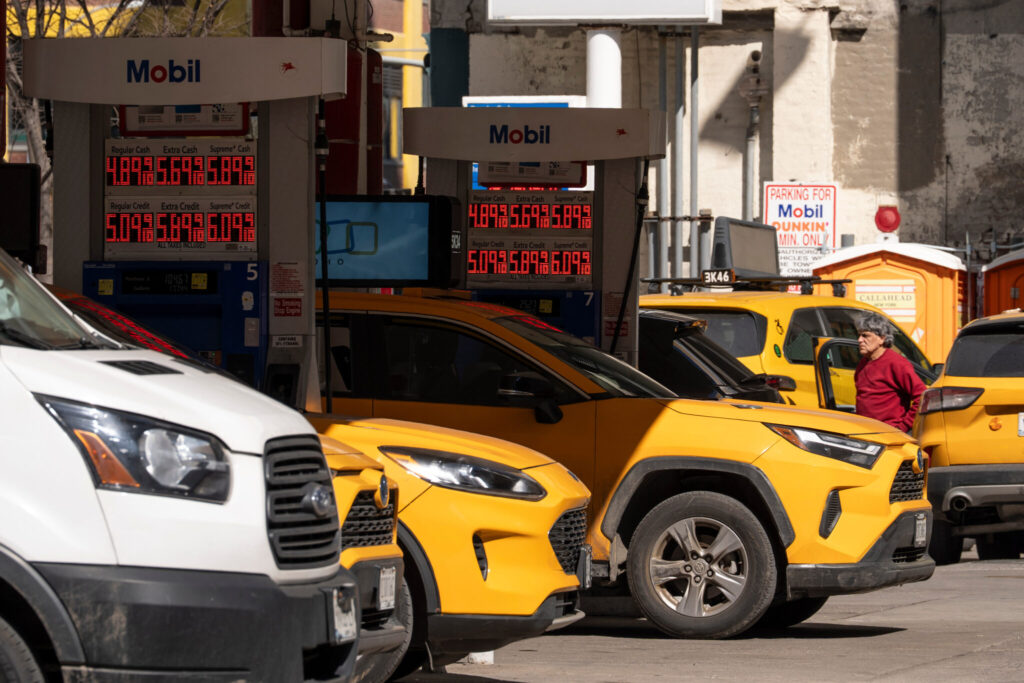
Alongside the reserve releases, some governments are introducing new measures aimed at controlling rising fuel prices.
Germany said it plans to implement a temporary rule limiting how often gas stations can increase fuel prices. Under the proposal, prices could only be raised once per day.
Austria announced similar steps, allowing fuel price increases only three times per week starting Monday.
Officials say these measures are intended to protect consumers and businesses from rapid price increases during the energy crisis.
Strategic Reserves Used During Past Crises
Emergency oil reserves have been used several times in the past when major geopolitical events disrupted global supply.
Previous releases occurred during conflicts in Iraq and Libya, as well as after Russia’s full-scale invasion of Ukraine.
The coordinated response by the IEA reflects growing concern that the current disruptions in the Persian Gulf could trigger another global energy shock.
By releasing reserves into the market, energy officials hope to stabilize supply, calm price volatility and prevent further damage to the global economy.