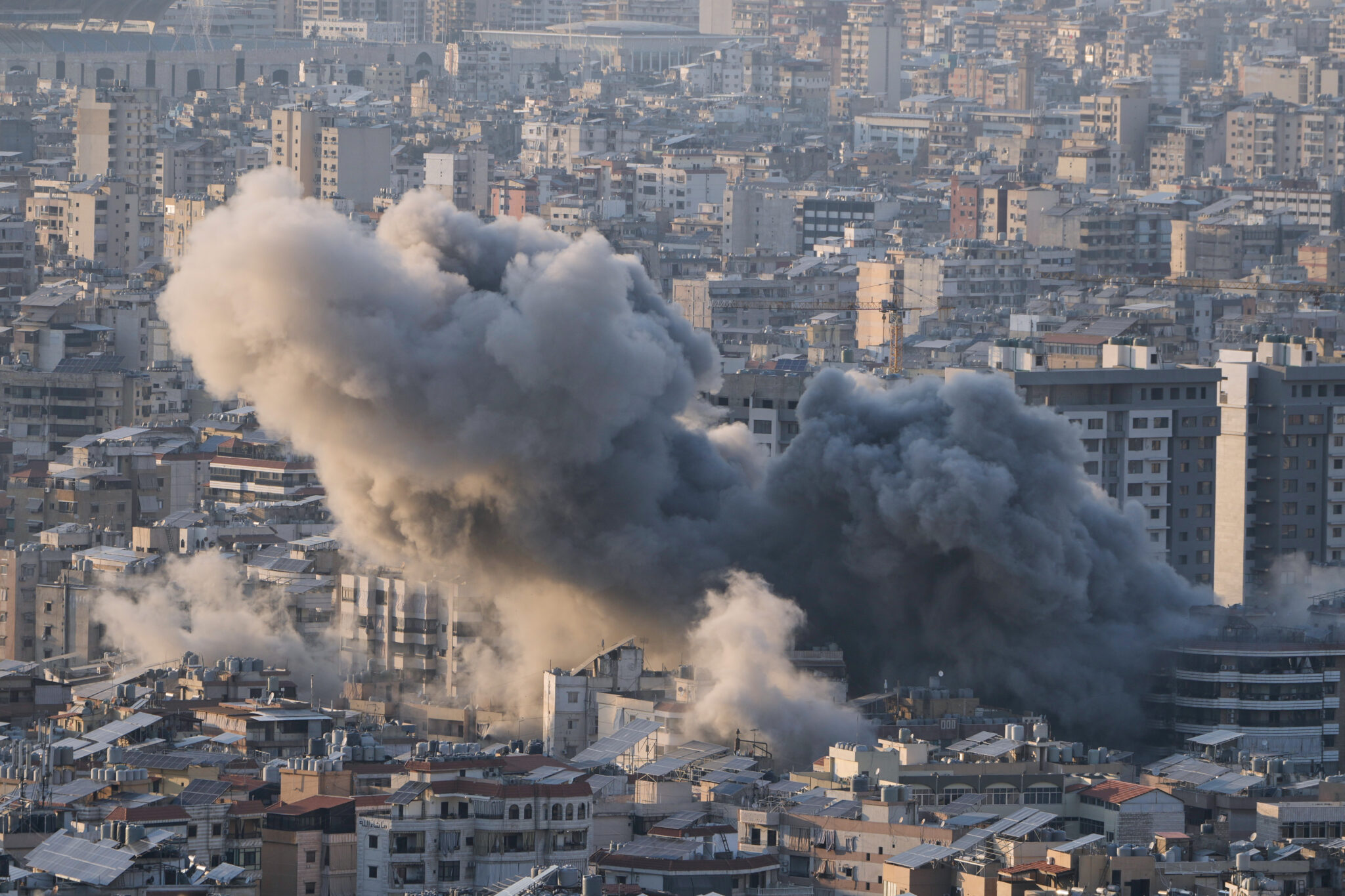
US Destroyed 16 Mine-Laying Vessels as Iran Threatens to Block Gulf Oil Exports/ Newslooks/ WASHINGTON/ J. Mansour/ Morning Edition/ The United States says it destroyed 16 Iranian vessels accused of preparing to lay mines near the Strait of Hormuz. Iran responded by threatening to block oil exports from the Gulf, escalating tensions in the region. The conflict is spreading across the Middle East as attacks target Israel, Gulf states and energy infrastructure.
US-Iran Conflict and Gulf Oil Threat Quick Looks
- The U.S. military says it destroyed 16 Iranian mine-laying vessels.
- Iran threatened to stop all oil exports to its enemies.
- The confrontation centers on the Strait of Hormuz, a key oil shipping route.
- About 20% of the world’s oil normally passes through the strait.
- Saudi Arabia reported intercepting missiles and drones targeting oil facilities.
- The Pentagon says 140 U.S. troops have been wounded since the war began.
- Seven U.S. service members have been killed in the conflict.
- Iranian leaders ruled out ceasefire talks and issued warnings to President Donald Trump.
- Tankers are being rerouted away from the Persian Gulf shipping corridor.
- The war’s impact is raising fears of global economic disruption.
Deep Look
US Destroys Iranian Mine-Laying Ships in Escalating Gulf Conflict
The United States says it has destroyed 16 Iranian vessels believed to be preparing to deploy naval mines, escalating tensions in the Persian Gulf as Iran threatens to block regional oil exports.
The U.S. military announced the operation Tuesday and released unclassified video footage showing some of the targeted vessels.
Officials say the ships were capable of laying naval mines that could disrupt shipping in the Strait of Hormuz, one of the most strategically important oil routes in the world.
The confrontation comes as Iran’s leadership warns that it will not allow oil shipments from the Gulf to reach countries it considers hostile.
Iran’s paramilitary Revolutionary Guard declared that it would not permit “even a single liter” of oil to be exported to its adversaries.
Strait of Hormuz at Center of Global Energy Concerns
The Strait of Hormuz connects the Persian Gulf to international shipping routes and normally carries about one-fifth of the world’s oil supply.
Any disruption to traffic through the narrow waterway can have major consequences for global energy markets.
U.S. officials say Iran has already taken steps to disrupt shipping, including attacks on commercial vessels and threats to lay sea mines.
Despite those concerns, President Donald Trump said there were currently no confirmed reports that Iran had successfully planted mines in the channel.
However, Trump warned that the United States would respond forcefully if such actions occurred.
“If Iran does not immediately remove any mines, they will be hit at a level never seen before,” the president said on social media.
War Enters Second Week With Intensifying Strikes
The military standoff has intensified as the war entered its 11th day, with both sides escalating their rhetoric and military operations.
Defense Secretary Pete Hegseth said the United States was preparing some of its most intense strikes against Iranian targets.
Meanwhile, the Pentagon revealed that about 140 U.S. service members have been wounded since the conflict began.
Officials said the majority of injuries were minor, and 108 troops have already returned to duty. Eight soldiers suffered severe injuries, while seven U.S. service members have been killed.
U.S. forces say they have struck more than 5,000 targets across Iran during the conflict.
Fighting Spreads Across the Middle East
The war’s impact is spreading beyond Iran and Israel, drawing in several countries across the region.
Among the victims was a Red Cross member who died after being wounded during an earlier rescue mission targeted by Israeli strikes.
Another Israeli attack killed a Lebanese soldier, bringing the number of troops killed in the country since the conflict began to five.
Hezbollah militants have also launched missiles toward Israel in response to the fighting.
Gulf States Intercept Missiles and Drones
Several Gulf nations have reported Iranian attacks or attempted strikes on key infrastructure.
Saudi Arabia said its air defense systems intercepted multiple missiles heading toward military and energy facilities, including Prince Sultan Air Base.
Saudi officials also said drones were destroyed near major cities and near the vast Shaybah oil field in the Empty Quarter desert.
The United Arab Emirates reported that its air defense systems fired on incoming Iranian projectiles. Authorities say six people have been killed and more than 120 wounded in attacks across the country.
Bahrain also issued early-warning sirens for an incoming Iranian strike shortly after an earlier attack damaged a residential building in the capital, Manama.
Iran’s Leadership Rejects Ceasefire
Despite heavy strikes targeting Iranian military facilities and leadership infrastructure, Tehran has shown no signs of backing down.
Iran’s parliament speaker Mohammad Bagher Qalibaf said the country is not interested in negotiating a ceasefire.
“We believe that the aggressor should be punched in the mouth so that he learns a lesson,” Qalibaf wrote on social media.
Another senior Iranian official, Ali Larijani, issued a warning directed at Trump.
“Even those bigger than you could not eliminate Iran,” Larijani wrote online.
Oil Industry Reroutes Tankers
Energy companies are already adjusting operations as shipping risks increase in the Persian Gulf.
Saudi Aramco CEO Amin Nasser said oil tankers are being rerouted away from the Strait of Hormuz to avoid potential attacks.
The company is increasing use of its east-west pipeline, which can transport up to 7 million barrels of oil per day to the Red Sea port of Yanbu.
“The situation at the Strait of Hormuz is blocking sizable volumes of oil from the whole region,” Nasser said.
He warned that prolonged disruptions could have serious consequences for the global economy.
Civilians Flee Conflict Zones
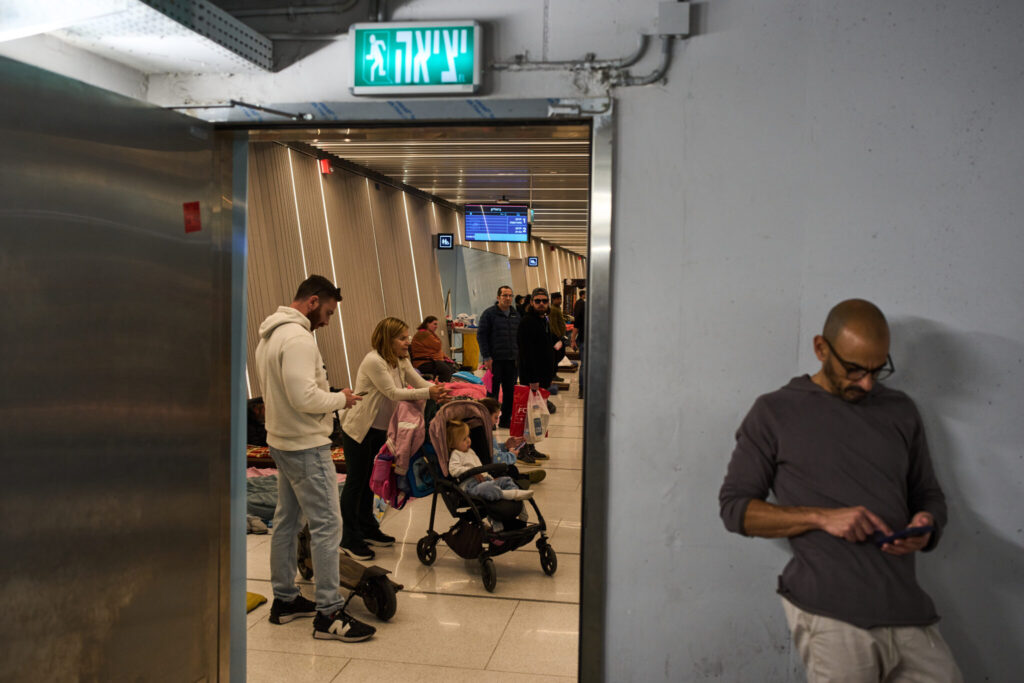
The war is also triggering a growing humanitarian crisis across the region.
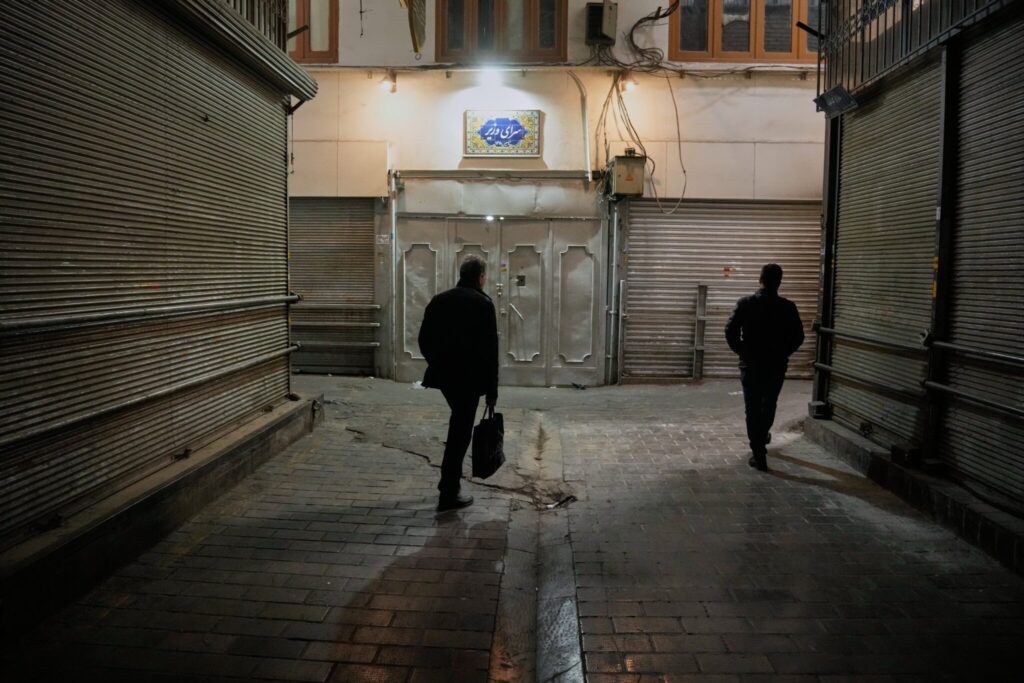
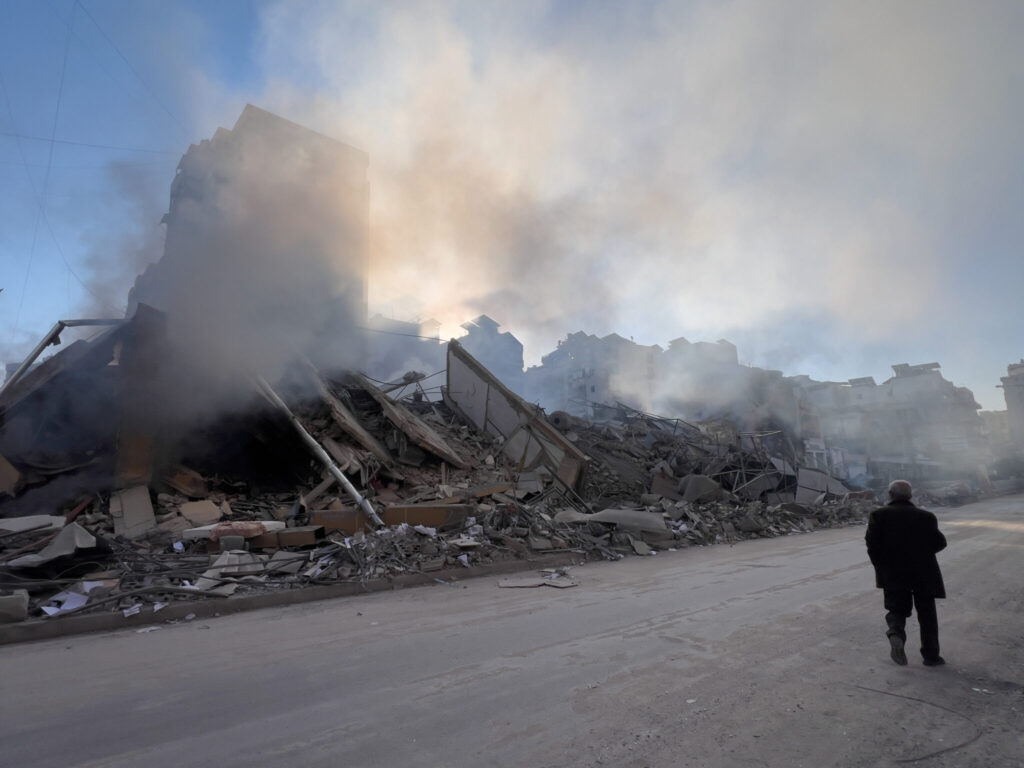
Residents of Tehran reported some of the heaviest airstrikes since the conflict began, with attacks damaging residential buildings in the capital.
Many civilians are fleeing cities and seeking refuge in rural areas.
In Lebanon, the United Nations refugee agency says more than 667,000 people have been displaced, with tens of thousands crossing into neighboring Syria.
Foreign nationals are also leaving the region.
The British government says more than 45,000 U.K. citizens have evacuated from Gulf countries since the war began.
The U.S. State Department reports that around 40,000 Americans have also left the region.