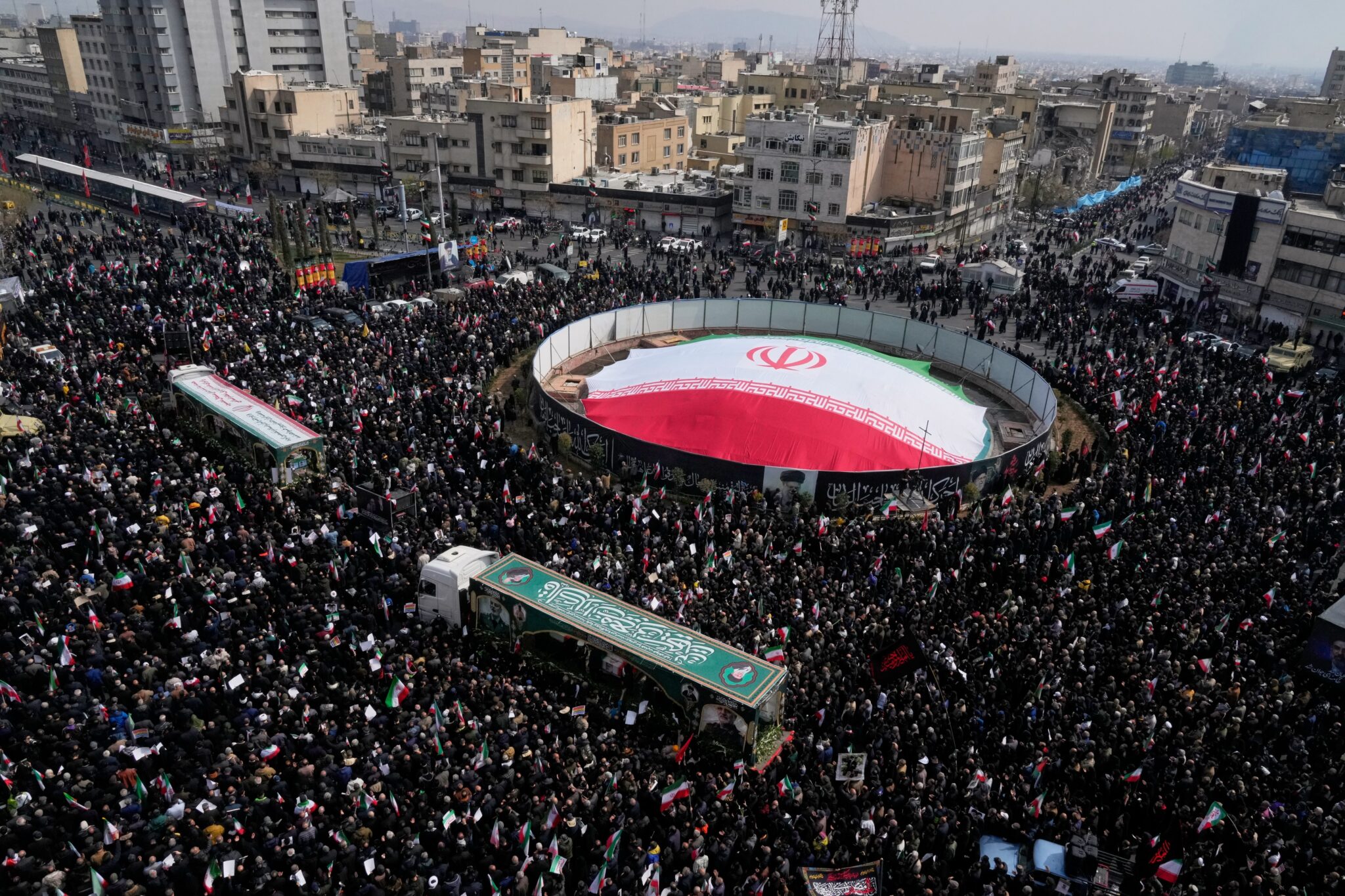
Iran Targets Commercial Ships, Dubai Airport & Oil Facilities as Concerns Grow over Global Energy/ Newslooks/ WASHINGTON/ J. Mansour/ Morning Edition/ Iran launched attacks on commercial ships, Dubai International Airport and Gulf energy infrastructure as the regional war intensified. The strikes come amid ongoing U.S. and Israeli air operations against Iranian targets. Global energy markets are increasingly concerned as disruptions in the Strait of Hormuz threaten oil supply.

Iran Attacks Gulf Shipping and Infrastructure Quick Looks
- Iranian drones struck near Dubai International Airport, injuring four people.
- A projectile hit a Thai cargo ship in the Strait of Hormuz, leaving three crew members missing.
- Kuwait and Saudi Arabia intercepted multiple Iranian drones and missiles.
- Iran has threatened to target banks and financial institutions across the region.
- Cargo traffic through the Strait of Hormuz has largely stopped.
- Roughly 20% of global oil shipments normally pass through the strait.
- Israel continued heavy airstrikes on Iranian and Hezbollah-linked targets.
- The United Nations Security Council considered a resolution condemning Iran’s attacks.
- Oil prices remain elevated despite some stabilization.
- Countries including Germany and Japan are releasing emergency oil reserves.

Deep Look
Iran Expands Attacks Across Persian Gulf
Iran expanded its military campaign across the Persian Gulf on Wednesday, launching attacks on commercial vessels, energy infrastructure and transportation hubs as the war with the United States and Israel intensified.
Two Iranian drones struck near Dubai International Airport, one of the world’s busiest hubs for international travel and the main base for the airline Emirates.
Authorities said four people were injured in the incident, though flights continued operating normally.
The attack marked one of the most direct strikes on the United Arab Emirates since the conflict began.
Commercial Ship Hit in Strait of Hormuz
Earlier in the day, a projectile struck a Thai cargo ship traveling through the Strait of Hormuz, a critical shipping corridor for global energy supplies.
The vessel, identified as the Mayuree Naree, caught fire after the impact.
Omani naval forces rescued 20 crew members from the ship, but three sailors remain missing as search operations continue.
The Strait of Hormuz is one of the world’s most strategically important maritime chokepoints, carrying about one-fifth of global oil shipments.
Disruptions to shipping there have triggered major concerns in global energy markets.
Iran Threatens Financial Infrastructure
Iran’s joint military command announced it would begin targeting banks and financial institutions across the Middle East.
Such threats are particularly alarming for financial centers like Dubai, which hosts numerous international banks and investment firms.
Saudi Arabia and Bahrain could also be affected because of their significant financial sectors and close ties with Western economies.
The announcement followed Israeli airstrikes earlier Wednesday on a branch of Bank Sepah in Tehran.
The state-run Iranian news agency IRNA reported that the strike killed several staff members at the bank, which has been sanctioned by the United States for alleged ties to Iran’s military.
Leadership Uncertainty in Iran
Amid the escalating conflict, Israeli intelligence sources suggested that Iran’s newly installed supreme leader, Mojtaba Khamenei, may have been wounded early in the war.
The 56-year-old leader assumed power earlier this week following the death of his father, former Supreme Leader Ayatollah Ali Khamenei, who was reportedly killed along with his wife in an Israeli airstrike during the opening phase of the conflict.
Officials speaking anonymously said they had no detailed information about Mojtaba Khamenei’s condition.
He has not appeared publicly since taking office.
Gulf Nations Intercept Missiles and Drones
Several Gulf countries reported intercepting Iranian weapons aimed at strategic sites.
Kuwait said its air defenses shot down eight Iranian drones.
Saudi Arabia reported destroying five drones and intercepting missiles heading toward the Shaybah oil field, one of the kingdom’s largest petroleum production sites.
Saudi officials also reported intercepting six ballistic missiles targeting Prince Sultan Air Base, a key military installation used by both U.S. and Saudi forces.
Israel Expands Military Operations
Israel continued its own military campaign against Iranian forces and their allies across the region.
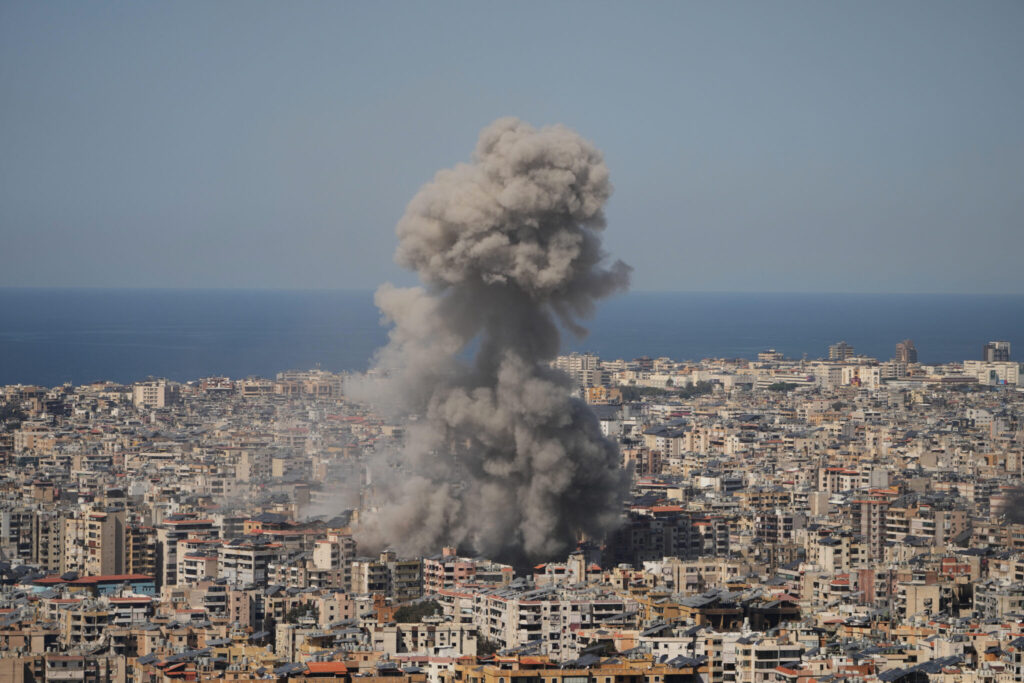
In Lebanon, Israeli airstrikes struck areas of Beirut and other regions believed to house infrastructure linked to Hezbollah, the Iran-backed militant group.
One strike set fire to a building in the densely populated Aicha Bakkar district of central Beirut.
Lebanon’s Health Ministry said four people were injured in the attack.
Additional Israeli strikes in southern and eastern Lebanon killed at least 14 people.
A Red Cross worker also died Wednesday from injuries sustained during an earlier strike on a rescue operation.
Since the latest escalation began, Lebanese authorities say 570 people have been killed in the country.
UN Security Council Considers Resolution
The growing regional crisis has prompted urgent diplomatic action.
The United Nations Security Council scheduled a vote Wednesday on a resolution sponsored by the Gulf Cooperation Council.
The proposal condemns Iran’s attacks on Bahrain, Kuwait, Oman, Qatar, Saudi Arabia, the United Arab Emirates and Jordan.
It calls for an immediate halt to Iranian strikes and threats against neighboring countries.
If adopted, the measure would represent the first Security Council resolution addressing the conflict since the war began on February 28.
Oil Markets Under Pressure
The conflict’s impact on global energy markets remains significant.
Although oil prices have dropped from their highest levels earlier in the week, Brent crude remains about 20% higher than when the war began.
Consumers around the world are already experiencing higher fuel prices.
Shipping traffic through the Strait of Hormuz has dramatically declined.
Normally more than 100 ships pass through the strait each day, but maritime security analysts say only a handful of vessels have attempted the journey since March 8.
Many of the ships that are still moving through the region are believed to be linked to Iran and are traveling without activating their automatic identification systems.
Countries Release Emergency Oil Supplies
In response to rising energy prices, several countries are releasing strategic oil reserves.
Germany and Austria announced they would release portions of their reserves following a request from the International Energy Agency.
Japan also confirmed it will begin releasing emergency stockpiles next week.
The coordinated effort is part of a broader plan by IEA member nations to release 400 million barrels of oil into global markets.
Officials hope the move will stabilize energy prices and offset disruptions caused by the war.
Human Cost of the Conflict
The war continues to produce mounting casualties across the region.
Iran says more than 1,300 people have been killed since the fighting began.
Lebanon has reported 570 deaths, while Israel says 12 people have been killed in Iranian attacks.
The United States has lost seven soldiers, and at least eight others have suffered severe injuries.
As the conflict spreads and global energy markets react, governments worldwide are increasingly concerned that the fighting could trigger a prolonged economic and humanitarian crisis.