Trump Administration Estimates Iran War Cost at over $11 Billion in 6 Days/ Newslooks/ WASHINGTON/ J. Mansour/ Morning Edition/ The Trump administration told lawmakers that the first six days of the Iran war cost the United States more than $11.3 billion. Officials briefed senators privately as Congress prepares to consider billions more in potential war funding. Lawmakers are raising concerns about the conflict’s financial toll and the strain on U.S. military stockpiles.

Iran War Costs $11 Billion Quick Looks
- The U.S. spent at least $11.3 billion during the first six days of the Iran war.
- The estimate was shared during a closed-door Senate briefing.
- The figure does not represent the full cost of the conflict.
- $5.6 billion in munitions were used during the first two days of strikes.
- Congress may soon consider a war funding request potentially around $50 billion.
- The conflict began Feb. 28 with U.S. and Israeli airstrikes.
- Around 2,000 people have been killed since the war began.
- Lawmakers worry the war could drain U.S. military weapons stockpiles.
- Defense contractors have met with officials to replenish supplies.
- Some lawmakers want public testimony from administration officials about war plans.
Deep Look
Early Iran War Operations Cost U.S. Over $11 Billion
The first six days of the United States’ military campaign against Iran cost at least $11.3 billion, according to officials from the administration of President Donald Trump who briefed lawmakers privately this week.
The estimate was shared during a closed-door congressional briefing for senators, according to a source familiar with the discussions.
Officials emphasized that the figure represents only a partial snapshot of the war’s costs and does not include the full financial impact of the ongoing conflict.
The briefing comes as members of Congress seek more information about the war’s expenses and its potential duration.
Congress May Soon Debate Major War Funding
Lawmakers expect the White House to request additional funding from Congress in the near future to support the military campaign.
Several congressional aides said the administration could request as much as $50 billion in supplemental funding, though some officials believe the final figure could be even higher.
Congress would need to approve the funds, placing lawmakers at the center of a growing debate over the scale and strategy of the war.
So far, the White House has not publicly released an official estimate of the war’s total cost.
Heavy Weapons Use Drives Early Costs
Officials told lawmakers that the early stages of the campaign required extensive use of precision weapons.
During the first two days of military strikes, the U.S. military used roughly $5.6 billion worth of munitions.
Those weapons included long-range cruise missiles and other advanced strike capabilities deployed against Iranian military facilities.
The campaign began Feb. 28, when the United States and Israel launched coordinated airstrikes targeting Iran’s military infrastructure and nuclear-related sites.
War Spreads Across Middle East
Since the initial strikes, the conflict has expanded across the region.
Fighting has spread beyond Iran into Lebanon and other parts of the Middle East, contributing to broader instability and disruption.
Officials estimate that roughly 2,000 people have been killed since the war began, most of them in Iran and Lebanon.
The conflict has also triggered major global consequences, including sharp swings in energy prices and disruptions to international shipping routes.
Lawmakers Concerned About Military Stockpiles
Members of Congress are increasingly worried that the war could deplete U.S. military stockpiles.
Defense manufacturers have struggled in recent years to keep pace with global demand for weapons, particularly after years of increased military assistance to allies.
The heavy use of precision munitions in the early days of the Iran campaign has intensified concerns about whether the U.S. defense industry can replenish supplies quickly enough.
To address the issue, President Trump met last week with executives from seven major defense contractors as the Pentagon works to rebuild its inventory.
Democrats Demand More Transparency
Some Democratic lawmakers are pushing the administration to provide greater transparency about the war’s objectives and costs.
They have called for public testimony under oath from senior administration officials, seeking answers about the conflict’s timeline and strategy.
Lawmakers want details about:
- How long the war is expected to last
- The administration’s long-term strategy for Iran
- The total projected cost of military operations
- Plans for stabilizing the region after the conflict
Critics argue that Congress and the public deserve a clearer understanding of the war’s goals before approving additional funding.
Trump Says U.S. Is Winning the Conflict
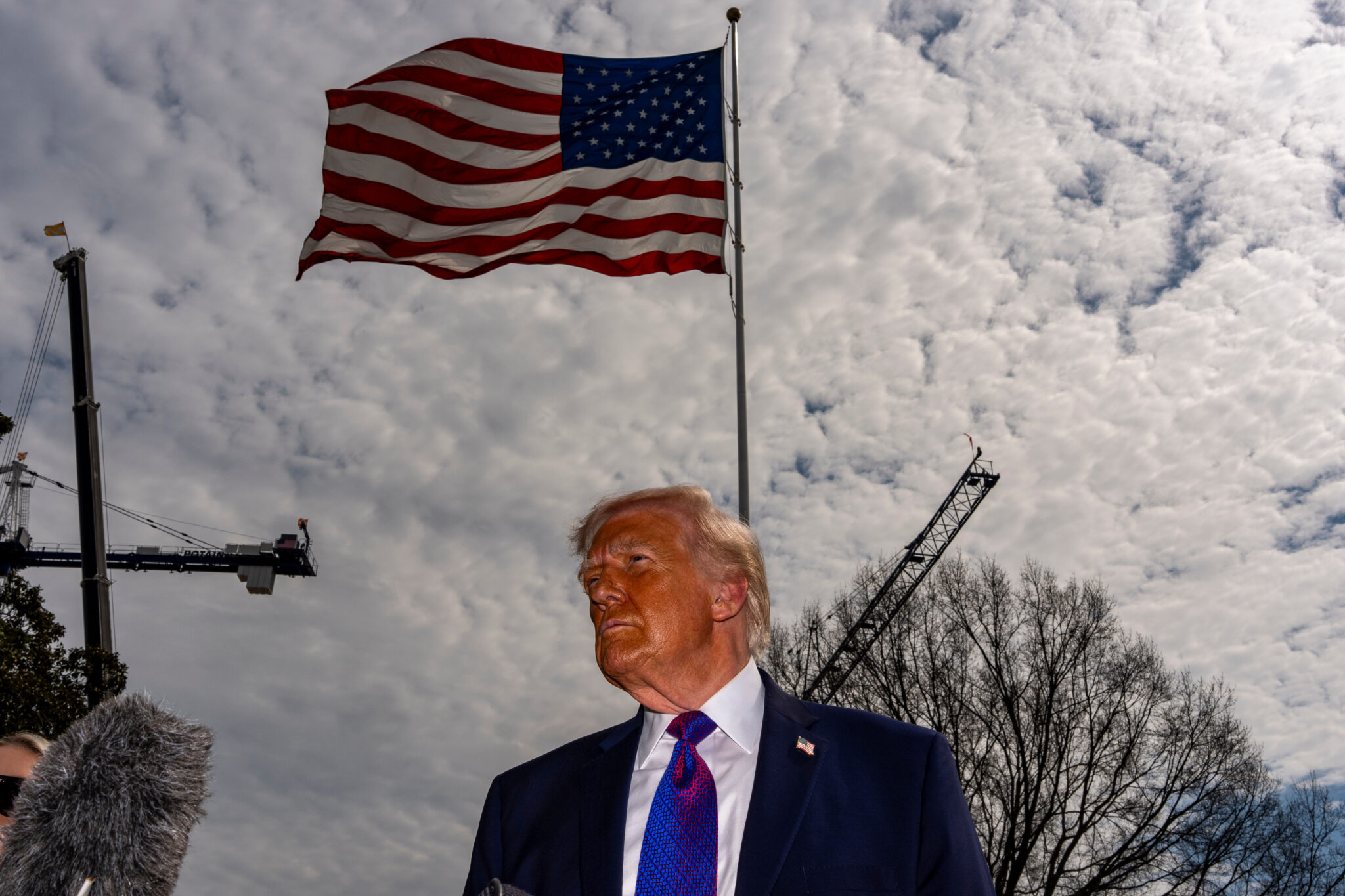
Despite the growing costs, President Trump has insisted the campaign is successful.
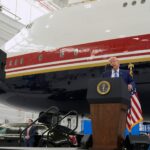
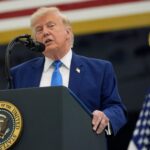
During a visit to Kentucky on Wednesday, Trump declared, “We won,” while also saying that the United States would continue military operations to “finish the job.”
The administration has not provided a detailed timeline for ending the war.
As fighting continues, the financial and strategic costs of the conflict are expected to remain a major issue in Washington.