Pakistan to Host US-Iran Talks as Tehran Warns Against Ground Troops/ Newslooks/ WASHINGTON/ J. Mansour/ Morning Edition/ Pakistan announced plans to host U.S.-Iran talks amid escalating Middle East conflict. Iran warned U.S. ground troops would be “set on fire” and threatened wider attacks. Oil markets, universities, and regional security face rising risks as war expands.
Pakistan Hosts US-Iran Talks Quick Looks
- Pakistan offers to host U.S.-Iran negotiations
- Iran warns against U.S. ground troop deployment
- Trump says negotiations progressing well
- Israel expands Lebanon operations against Hezbollah
- Iran threatens Israeli and U.S. university targets
- Strait of Hormuz tensions disrupt global markets
- Houthi rebels enter war with missile attacks
- Death toll surpasses 3,000 across region
Deep Look: Pakistan Hosts US-Iran Talks as Iran Warns Against US Ground Troops
ISLAMABAD — Pakistan announced Sunday it is prepared to host talks between the United States and Iran, offering to mediate as the monthlong war intensifies across the Middle East. However, uncertainty remains about whether the negotiations will be direct or conducted through intermediaries, and neither Washington nor Tehran immediately confirmed participation.
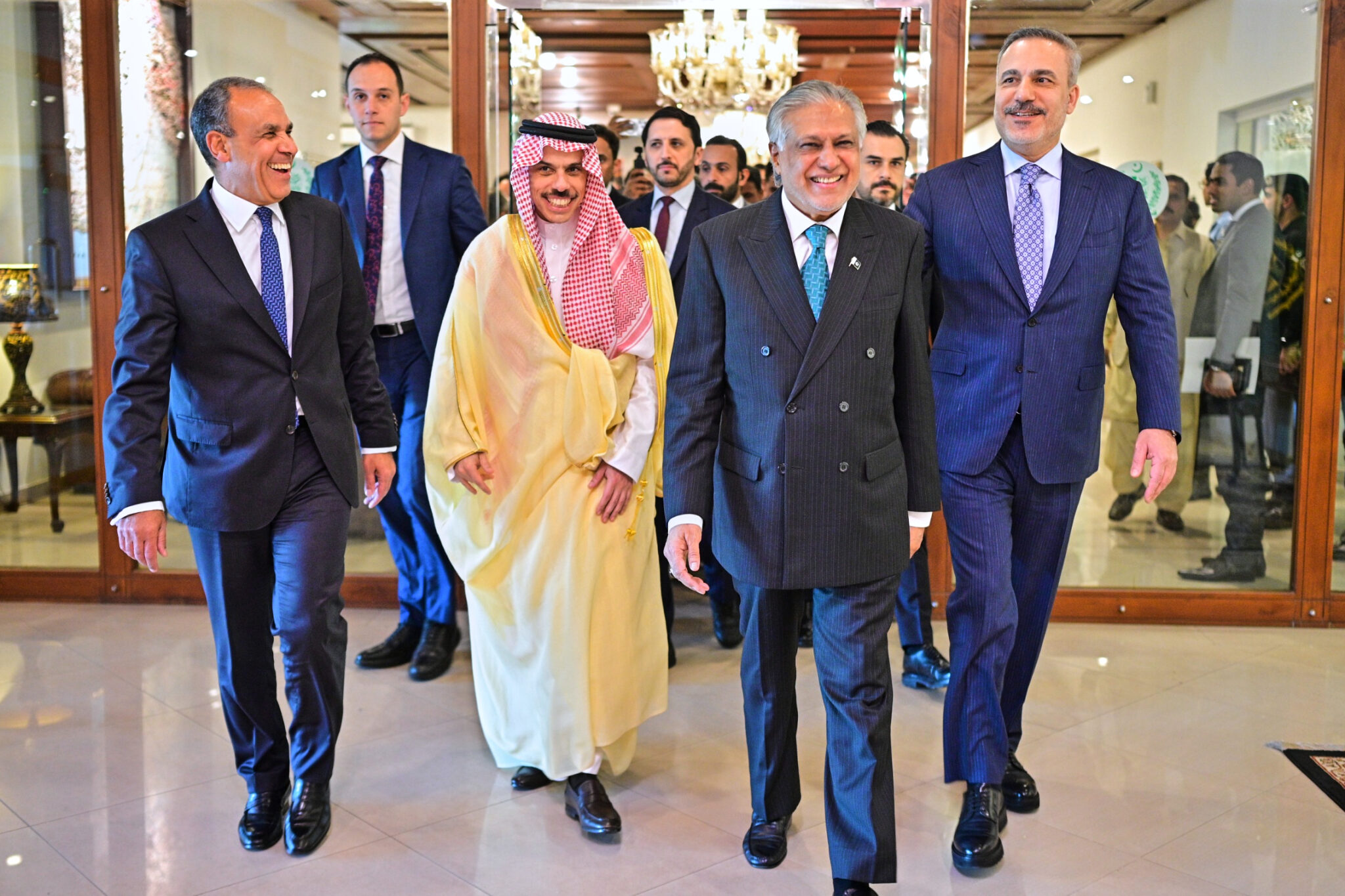
Pakistan Foreign Minister Ishaq Dar said the country was honored that both nations expressed confidence in Islamabad’s ability to facilitate discussions.
“Pakistan will be honored to host and facilitate meaningful talks between the two sides in the coming days,” Dar said after high-level diplomatic meetings involving Turkey, Egypt and Saudi Arabia.
The diplomatic effort follows weeks of quiet back-channel negotiations, according to Pakistani officials. However, the meetings originally planned to continue into Monday ended without further details, and Iran’s United Nations mission declined to comment.
Trump Says Negotiations Progressing
U.S. President Donald Trump acknowledged ongoing discussions Sunday, saying Washington was “doing extremely well” in negotiations with Iran. Speaking aboard Air Force One, Trump said Tehran had responded to a 15-point ceasefire proposal from Washington.
“They gave us most of the points. Why wouldn’t they?” Trump said, without providing specifics.
The potential talks come as the conflict — which began with U.S. and Israeli strikes on Iran — has escalated into a wider regional war involving multiple countries and militant groups.
Iran Warns Against US Ground Troops
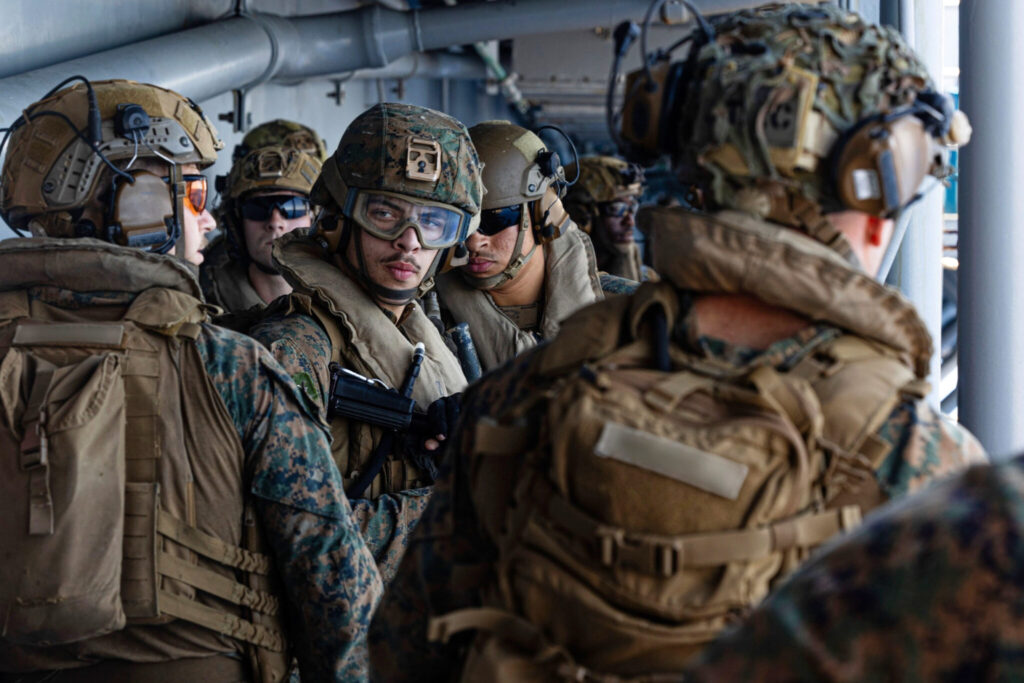
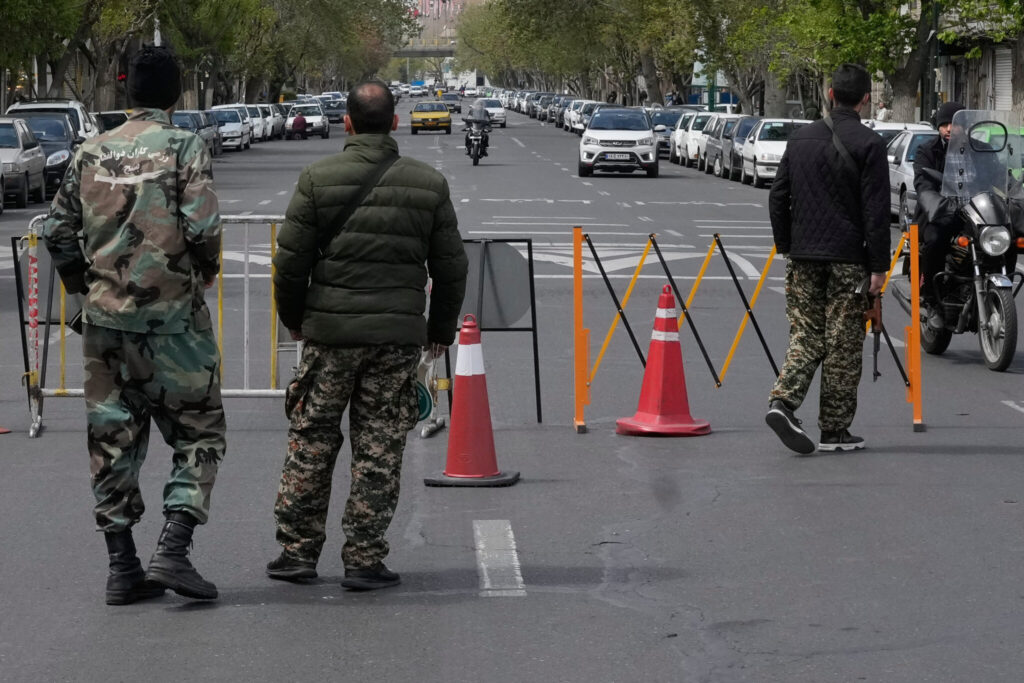
Despite possible diplomatic progress, Iranian officials issued stark warnings about potential U.S. military escalation. Iran’s parliament speaker Mohammad Bagher Qalibaf dismissed the talks and warned that Iranian forces would confront U.S. troops if deployed.
Iranian forces were “waiting for the arrival of American troops on the ground to set them on fire,” Qalibaf said, according to state media.
Iran also threatened to target the homes of U.S. and Israeli commanders and political officials in response to strikes on Iranian cities.
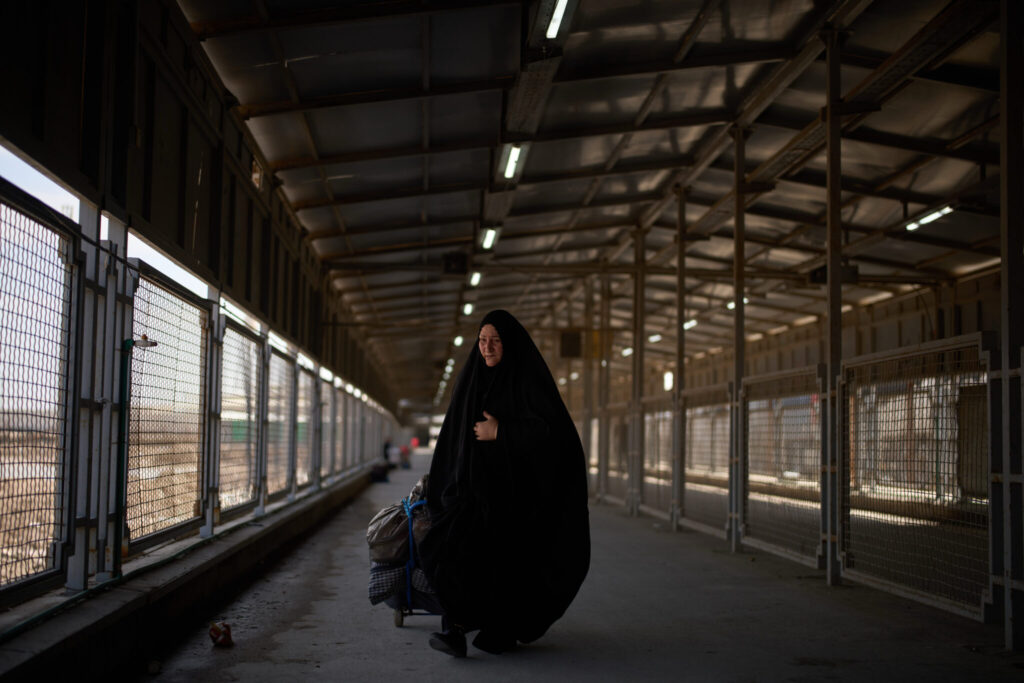
Residents described growing fear as airstrikes continued. One Iranian fleeing into Iraq described the uncertainty.
“We don’t know at what moment our homes could be targeted,” said 71-year-old Razzak Saghir al-Mousawi. “I am definitely afraid.”
Israel Expands Lebanon Offensive
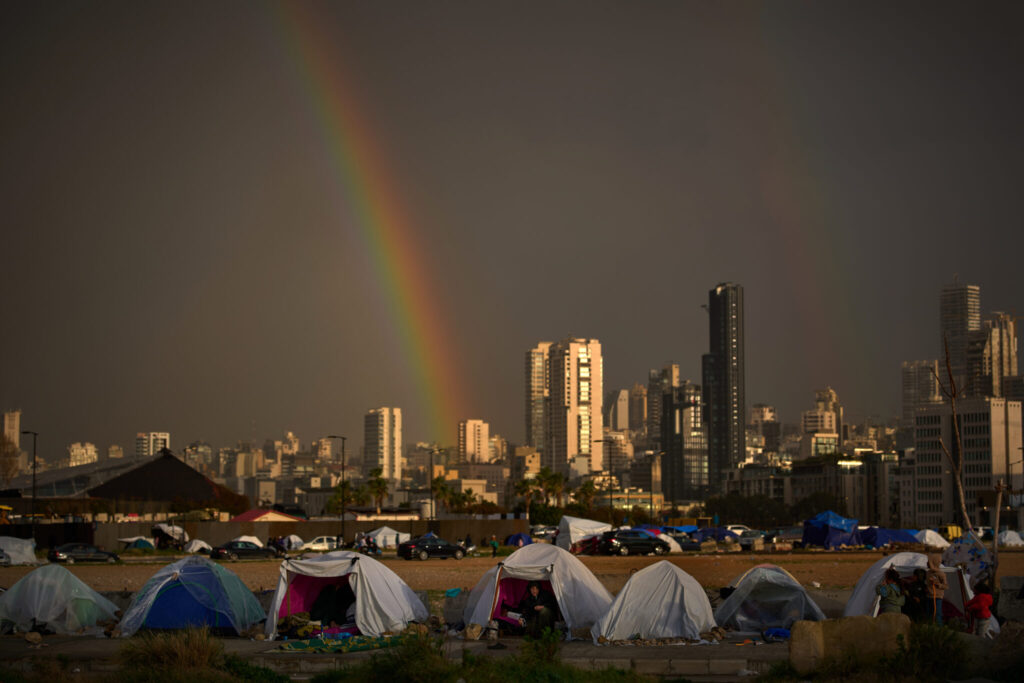
Meanwhile, Israeli Prime Minister Benjamin Netanyahu announced plans to expand Israel’s military operation in Lebanon, widening a security zone aimed at weakening the Iran-backed Hezbollah militant group.
The conflict in Lebanon has displaced more than 1 million people, according to officials. Some displaced civilians criticized Israel’s expanding military actions as the fighting intensified.
Global Energy Markets at Risk
The war continues to disrupt global energy markets. Iran’s control over the Strait of Hormuz — a critical oil shipping route — has shaken markets and increased volatility.
Trump said Iran agreed to allow 20 oil ships to pass through the strait as a sign of progress. However, independent confirmation of vessel movement remained unclear.
Adding to tensions, Iran-backed Houthi rebels entered the conflict, launching missiles toward Israel and threatening shipping routes near the Bab el-Mandeb strait, another key maritime chokepoint.
Israeli forces reported intercepting drones launched from Yemen early Monday.
Iran Threatens Universities
Iran escalated rhetoric further by warning that Israeli universities and U.S.-linked campuses in the region could become targets if Iranian universities continue to be struck.
Iran’s Revolutionary Guard said Israeli and U.S.-affiliated universities could be considered “legitimate targets” unless attacks on Iranian institutions stop.
Several universities in Lebanon shifted to online classes as a precaution, including the American University of Beirut and Lebanese American University.
Iran said dozens of research centers and universities — including the Iran University of Science and Technology and Isfahan University of Technology — were damaged in strikes.
Experts warn that targeting educational institutions and civilian infrastructure could violate international law and potentially constitute war crimes.
Death Toll Continues Rising
The human toll continues to grow across the region:
- More than 1,900 killed in Iran
- Over 1,200 killed in Lebanon
- 19 killed in Israel
- 80 Iraqi security personnel killed
- 20 killed in Gulf states
- 4 killed in West Bank
- 13 U.S. service members killed
More than 3,000 total deaths have been reported since the conflict began.
Regional Settlement Faces Challenges
Diplomatic efforts remain fragile. Egypt’s foreign minister said the Pakistan meetings aimed to open direct dialogue between Washington and Tehran.
Iran rejected the U.S. 15-point proposal and instead drafted its own five-point plan, reportedly calling for guarantees against future attacks, compensation for damage, and recognition of Iran’s sovereignty over the Strait of Hormuz.
Meanwhile, Gulf states are demanding stronger guarantees that Iran will halt attacks on neighboring countries and compensate for infrastructure damage.
As diplomacy struggles to gain traction, military operations continue across Iran, Israel, Lebanon, Iraq, and Gulf nations — raising fears of a prolonged regional war with global consequences.