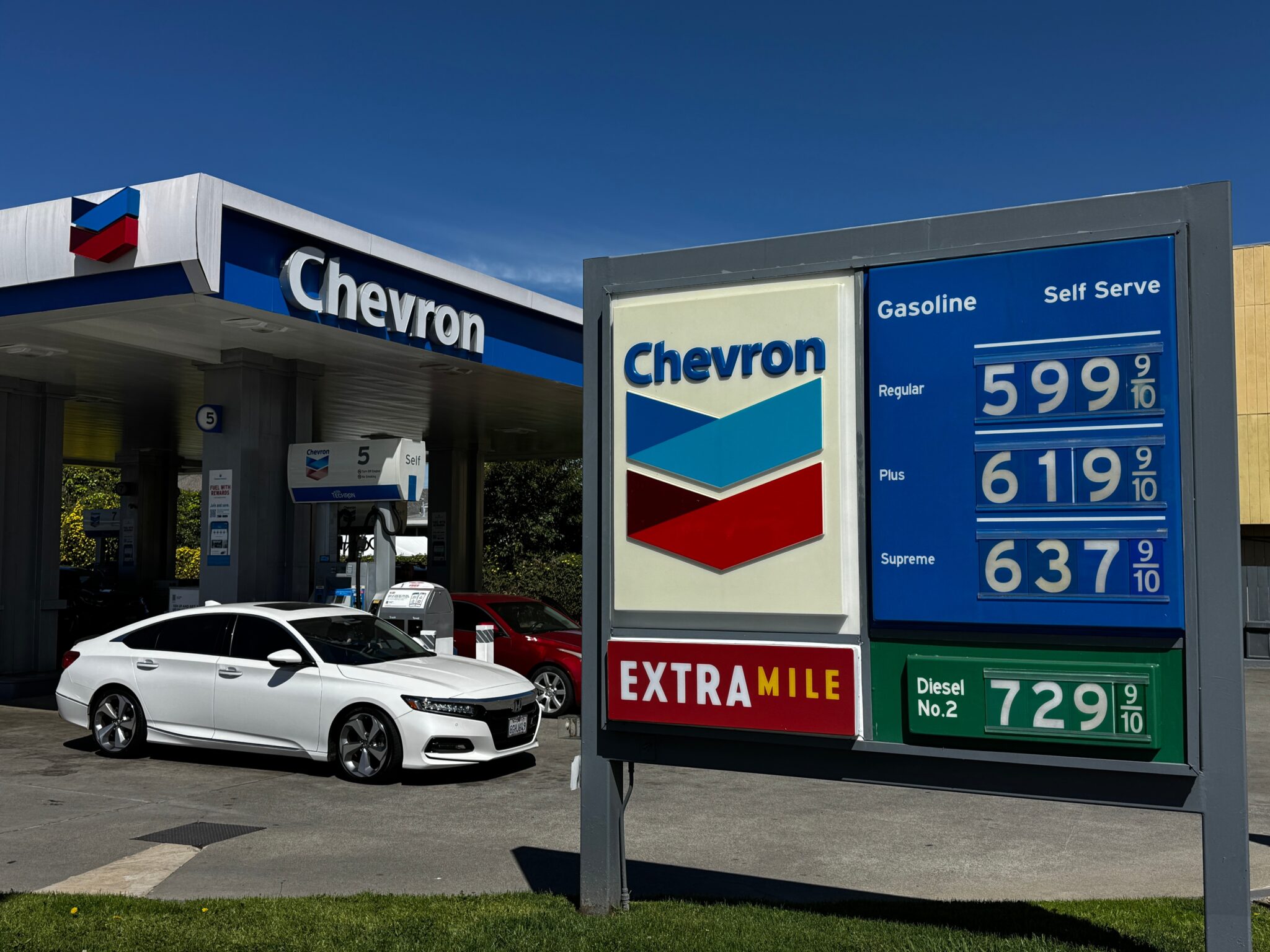
Rising Gas Prices Hit US Drivers Using Personal Vehicles for Work/ Newslooks/ WASHINGTON/ J. Mansour/ Morning Edition/ Rising gas prices are hitting workers who rely on personal vehicles for income. Ride-share drivers, delivery workers, and small businesses face shrinking profits. Fuel costs surged as global oil markets tightened amid geopolitical tensions.

Rising Gas Prices Quick Looks
- Gas prices jump to $3.99 national average
- Ride-share drivers working longer hours
- Delivery drivers refusing low-paying orders
- Small businesses raising reimbursement rates
- Diesel prices surge 44% in one month
- Global protests over rising fuel costs
- Gig workers rarely reimbursed for fuel
- Businesses face difficult pricing decisions
Deep Look: Rising Gas Prices Deliver Double Blow for Workers Who Drive
Rising gasoline prices are hitting American workers hard — especially those who rely on their own vehicles to earn a living. As global oil markets tighten and fuel costs surge, millions of drivers across the United States are working longer hours, cutting expenses, or raising prices just to stay afloat.
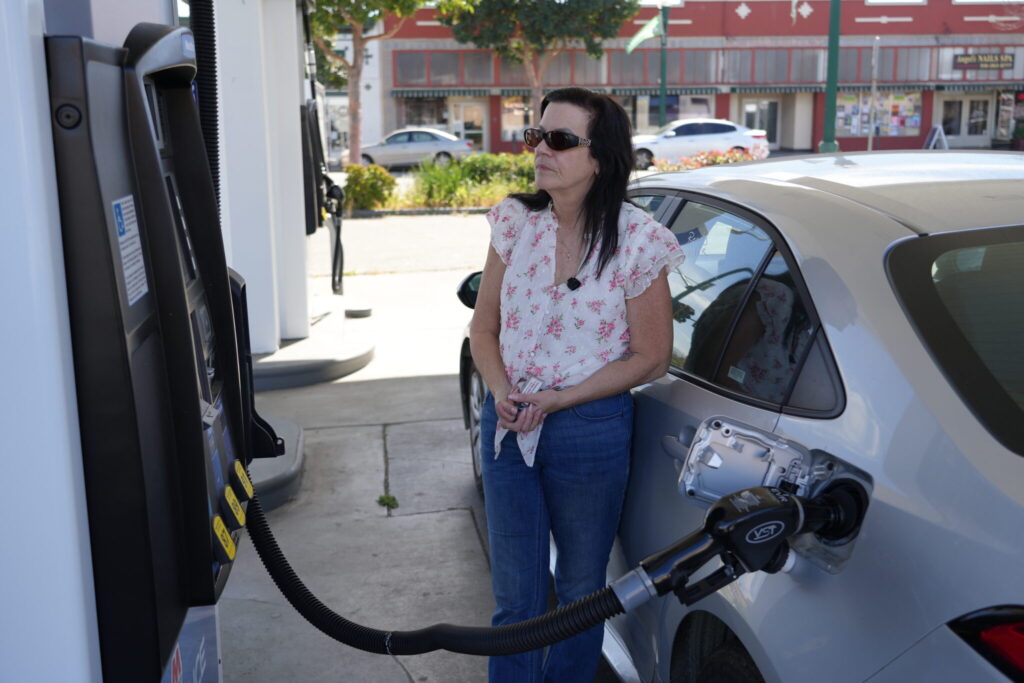
Leslie Sherman-Shafer, an Uber driver in the San Francisco Bay Area, has felt the impact firsthand. Filling up her Toyota Corolla used to cost about $25. Since fuel prices surged following the Iran conflict, she now pays closer to $40 for a full tank.
Sherman-Shafer, a retired dental assistant who drives five days a week, says the extra costs are forcing her to work additional hours.
“We don’t get reimbursed for gas. We rely on the generosity of the tip,” she said. While some riders have increased tips, most do not tip at all, leaving drivers to absorb the higher costs.
Millions of Workers Affected
Driving is a key part of many American jobs. Nearly 27% of civilian workers reported driving as a physical requirement of their work, according to the U.S. Bureau of Labor Statistics.
Those impacted include:
- Ride-share drivers
- Food delivery workers
- Electricians and contractors
- Home health aides
- Nannies
- Real estate agents
- Small business owners
With gas prices climbing rapidly, many workers are struggling to keep up with expenses.
The national average price for gasoline reached $3.99 per gallon Monday — a 34% increase compared with a month earlier, according to AAA.
“With everything going up, it’s impossible to save a dime,” Sherman-Shafer said.
Reimbursement Programs Fall Short
Some companies reimburse employees for using personal vehicles. The IRS sets a standard mileage reimbursement rate, which for 2026 is 72.5 cents per mile.
But business owners say that rate is no longer enough.
Chris Willatt, owner of Alpine Maids in Denver, reimburses cleaners using the federal mileage rate. Still, he says employees feel the financial squeeze.
“Our maids drive their own cars, so it’s kind of like their paycheck got smaller,” Willatt said.
To reduce costs, Willatt has:
- Reduced office visits from daily to weekly
- Reorganized assignments to reduce travel distances
- Considered raising customer prices
If fuel prices continue to rise, Willatt said he may need to charge customers more to support workers.
Small Businesses Absorb Rising Costs
Molly Kenefick, owner of Doggy Lama Pet Care in Oakland, California, increased her company’s gas reimbursement rate to 80 cents per mile for employees who transport dogs.
She plans to raise service prices but is cautious about losing customers. Meanwhile, she’s dipping into savings to cover increased fuel expenses.
“The economy is hard for people. Everybody’s under strain,” Kenefick said. “I can take some of the load and the company can take some of the load, provided this doesn’t go on too long.”
Gig Workers Feel Immediate Impact
Gig economy drivers often receive little or no reimbursement for fuel costs.
Companies like DoorDash, Uber, Lyft and Instacart have introduced temporary incentives, including:
- Increased gas cash-back rewards
- Weekly fuel payments for high-mileage drivers
- Debit card rebates on fuel purchases
But drivers say the help is limited.
Sarah Noell, who delivers for DoorDash in Lynchburg, Virginia, said rising gas prices are changing how she accepts orders.
She now refuses any delivery that doesn’t average at least $1 per mile.
“It takes nearly double the cost to fill my tank,” Noell said. “Ten dollars used to get me a decent amount. Now it only gets me 3 gallons.”
Diesel Prices Surge Worldwide
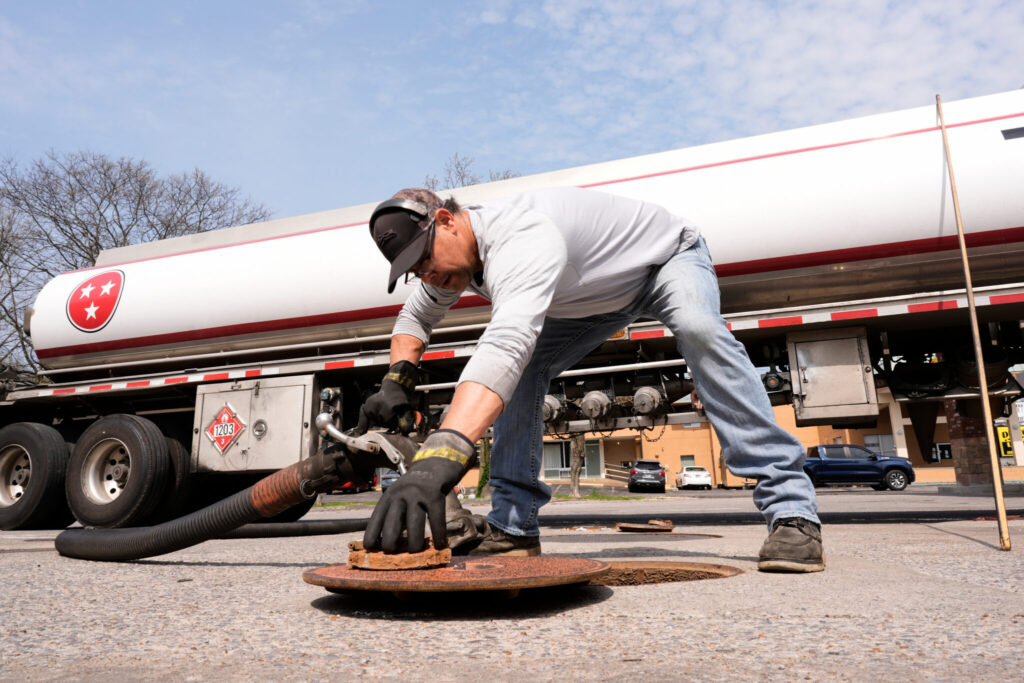
Drivers using diesel-powered vehicles face even steeper increases. U.S. diesel prices climbed 44% over the past month.
The surge has sparked protests worldwide:
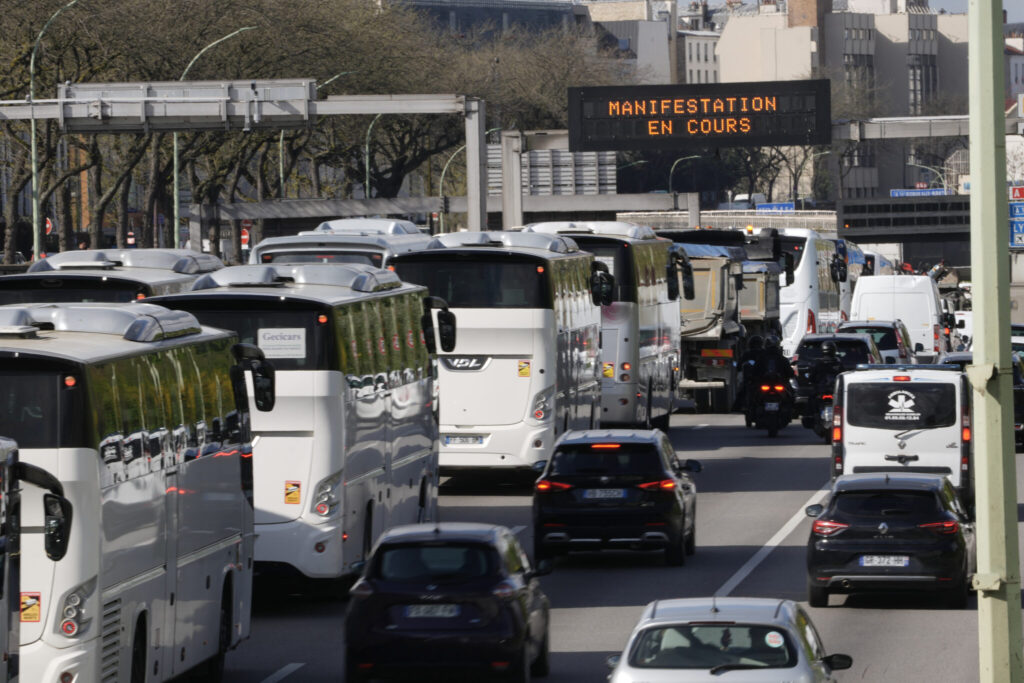
- Jeepney drivers in the Philippines went on strike
- Bus and truck drivers protested in Paris
- Transportation companies called for government aid
Sarah Bahezre, manager of French transportation company Ulysse Cars, said businesses are struggling to adapt.
“We sold services at a price based on cheaper diesel,” she said. “We’re not going to ask customers to pay that difference.”
Small Business Owners Face Tough Choices
Rachel Hunter, co-founder of Cactus Crew Junk Removal in Phoenix, said diesel prices for her company’s truck jumped from $3.62 to $6.09 per gallon.
Her truck carries heavy cargo and averages only 12 to 13 miles per gallon, making fuel costs particularly challenging.
Hunter has begun raising prices but worries about losing customers.
“We don’t want to get a bad name for being overpriced,” she said. “I’ll be able to explain it where people can understand, but it doesn’t mean they can afford it.”
Fuel Costs Could Continue Rising
As global oil supply disruptions continue, analysts warn fuel prices may remain elevated. That could further strain workers and businesses that depend on driving.
For millions of Americans, higher gas prices represent more than just an inconvenience — they’re a direct hit to earnings, forcing difficult decisions about work, pricing and survival.