Powell warns energy price spikes could affect inflation/ Newslooks/ WASHINGTON/ J. Mansour/ Morning Edition/ Federal Reserve Chair Jerome Powell warned energy price spikes could influence inflation expectations. Powell said the Fed has limited tools to address short-term energy shocks. He also highlighted a difficult job market for graduates amid AI disruptions.
Powell Energy Prices Inflation Quick Looks
- Powell warns about inflation from energy spikes
- Fed limited in responding to oil shocks
- Gas prices approach $4 per gallon
- Powell highlights weak job market for graduates
- AI changing entry-level job opportunities
- Fed independence emphasized amid political pressure
- Trump urges Fed to cut interest rates
- Tariffs and war complicate inflation outlook
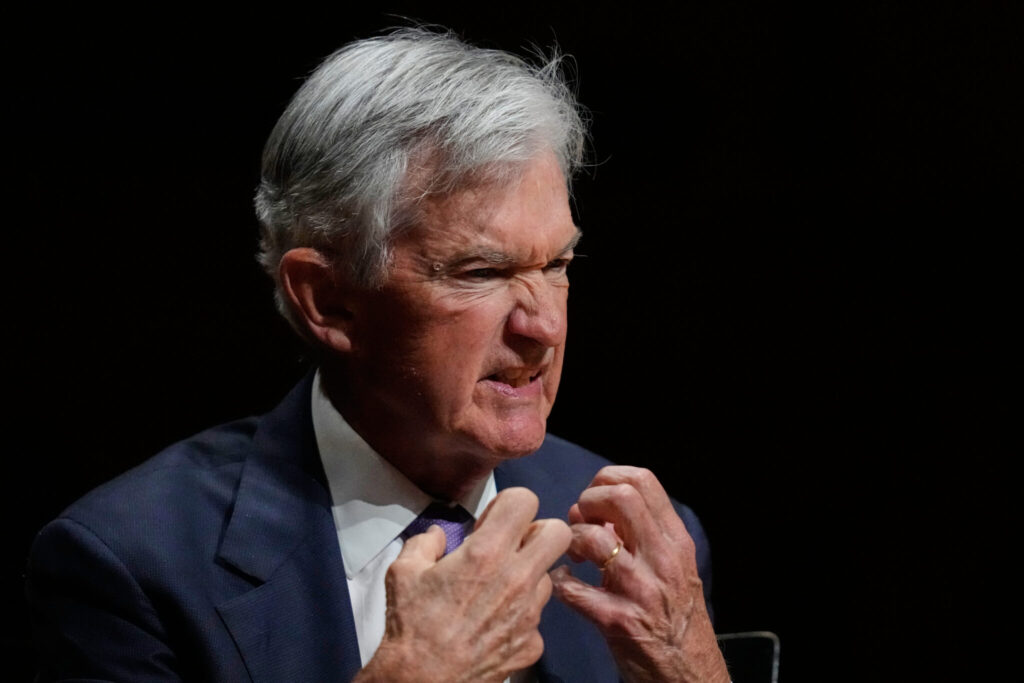
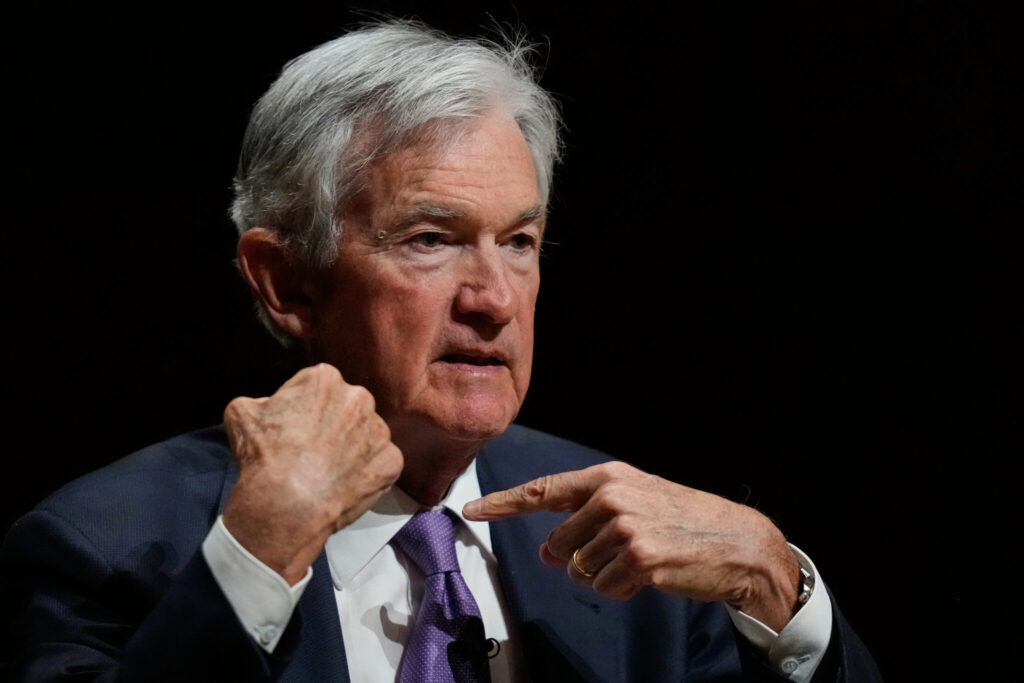
Deep Look: Powell Says Fed Monitoring Energy Price Spikes but Has Limited Tools
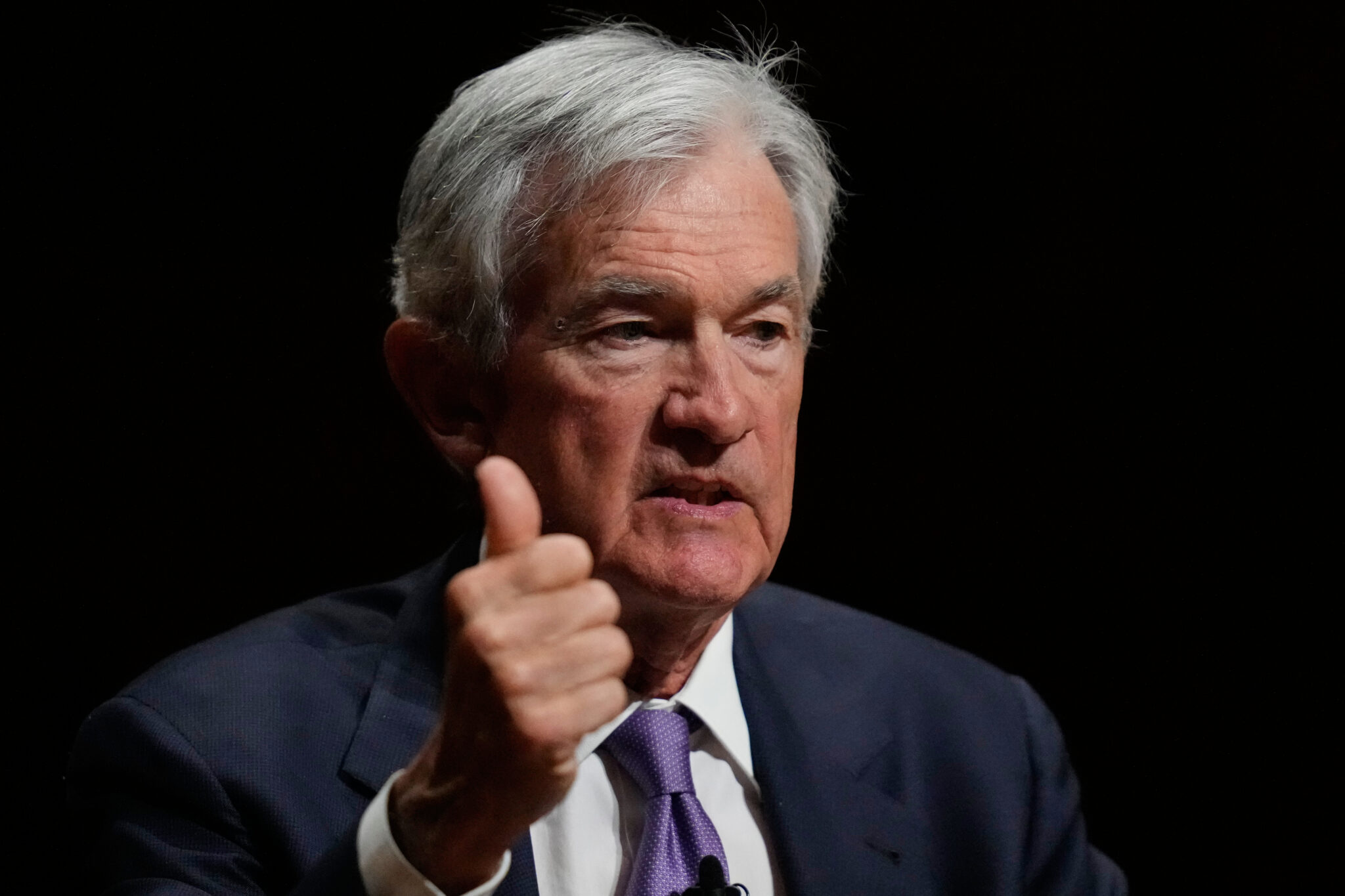
CAMBRIDGE, Mass. — Federal Reserve Chair Jerome Powell said Monday that rising energy prices tied to the Iran conflict are being closely monitored by policymakers, but he cautioned that the central bank has limited ability to respond to sudden supply shocks.
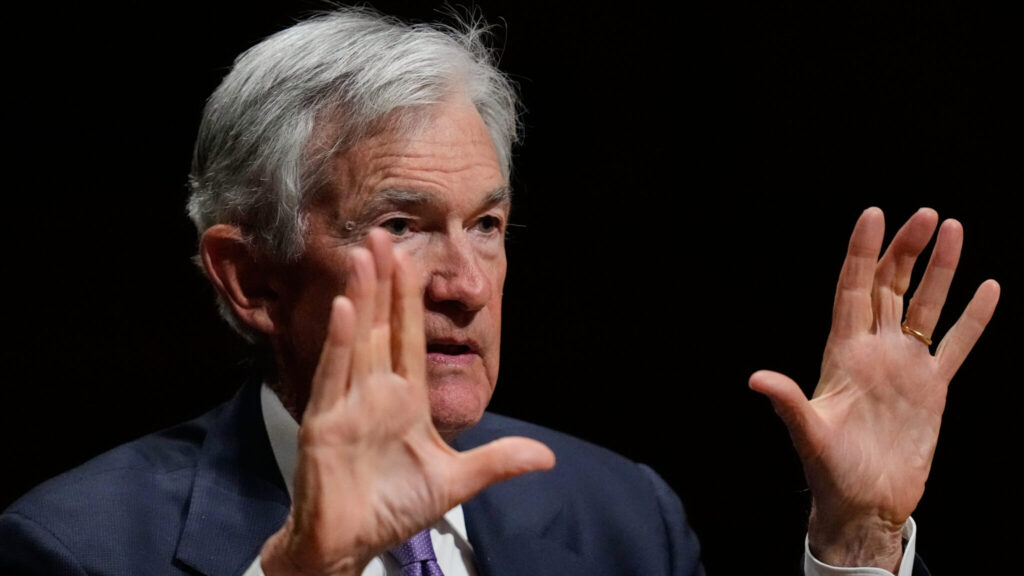
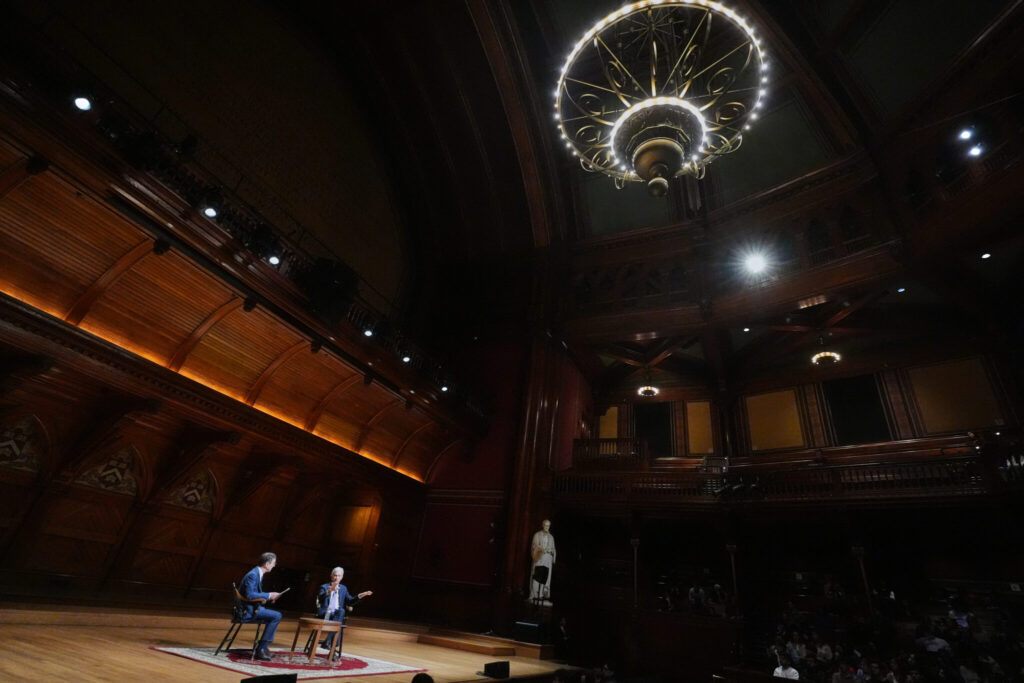
Speaking to nearly 400 students at Harvard University, Powell said energy-driven inflation poses a potential concern, especially if price increases persist long enough to influence expectations among businesses and consumers.
“You have to carefully monitor inflation expectations because you could have a series of big supply shocks,” Powell said. “That can lead the public, businesses and households to start expecting higher inflation over time.”
Gas prices in the United States have climbed toward $4 per gallon, reflecting rising global energy costs linked to geopolitical tensions and supply disruptions.
Fed Limited in Responding to Energy Shocks
Powell explained that energy price spikes typically fall outside the Federal Reserve’s direct control. Monetary policy tools — such as interest rate changes — work gradually and are not designed to address short-term supply disruptions.
Energy shocks, he said, “tend to come and go pretty quickly,” meaning aggressive policy responses could risk overcorrecting the economy.
Still, Powell warned that repeated shocks could create lasting inflation pressures, which would be more concerning for policymakers.
Challenging Job Market for Graduates
Powell also addressed concerns about the job market, particularly for young graduates entering the workforce.
Hiring has slowed significantly over the past year. Employers added fewer than 10,000 jobs per month in 2025 — the weakest hiring pace outside a recession since 2002.
While January 2026 saw 126,000 new jobs added, February recorded a loss of 92,000 jobs.
Despite weak hiring, the unemployment rate remains relatively low at 4.4%, creating what economists call a “low-hire, low-fire” labor market.
In this environment:
- Companies are hesitant to hire new workers
- Employers are also reluctant to lay off current staff
- Entry-level opportunities become limited
Powell said artificial intelligence is also reshaping hiring decisions, potentially reducing entry-level positions that traditionally helped young workers enter the workforce.
Companies may be delaying hiring decisions as they assess how AI technologies will impact staffing needs.
Powell Optimistic About Long-Term Growth
Despite near-term challenges, Powell expressed optimism about long-term economic prospects.
He noted that technological innovations historically have improved productivity and raised living standards. Large language models and AI technologies, he said, could ultimately benefit workers and businesses.
“You’re in a situation where you need to really invest the time to master the use of these new technologies,” Powell said.
Powell encouraged students to remain optimistic, even as they face a competitive job market.
“There’s no denying it’s a challenging time to enter the labor market,” Powell said. “But in the longer term, this economy is going to give you great opportunities.”
Fed Independence Highlighted
Powell also stressed the importance of maintaining the Federal Reserve’s independence, without directly referencing President Donald Trump.
“It’s very hard to build great democratic institutions and much easier to bring them down,” Powell said.
Trump has repeatedly called on the Federal Reserve to cut interest rates, arguing that lower borrowing costs would boost economic growth.
Powell’s cautious approach has drawn criticism from the White House, particularly as inflation concerns rise.
Economic Pressures Complicate Fed Policy
Several factors are complicating the Federal Reserve’s policy decisions:
- Rising oil and gas prices
- New tariffs on trading partners
- Slowing job growth
- AI-related labor market changes
The average U.S. gas price rose to $3.99 per gallon, according to AAA, highlighting inflation concerns.
Trump has also escalated criticism of Powell, including legal pressure related to Federal Reserve building renovations in Washington, D.C.
The Fed’s renovation project is now estimated to cost $2.5 billion — about $600 million higher than a 2022 estimate — partly due to rising construction costs.
Trump has suggested alleged mismanagement could justify removing Powell, though economists warn such action could undermine the Fed’s independence.
Balancing Inflation and Employment
The Federal Reserve’s dual mandate — maintaining price stability and supporting employment — has become more complicated amid rising energy costs and geopolitical tensions.
As policymakers monitor inflation expectations and economic data, Powell indicated the Fed will remain cautious about adjusting interest rates.
With energy prices rising and economic uncertainty growing, the Federal Reserve faces a delicate balancing act in the months ahead.