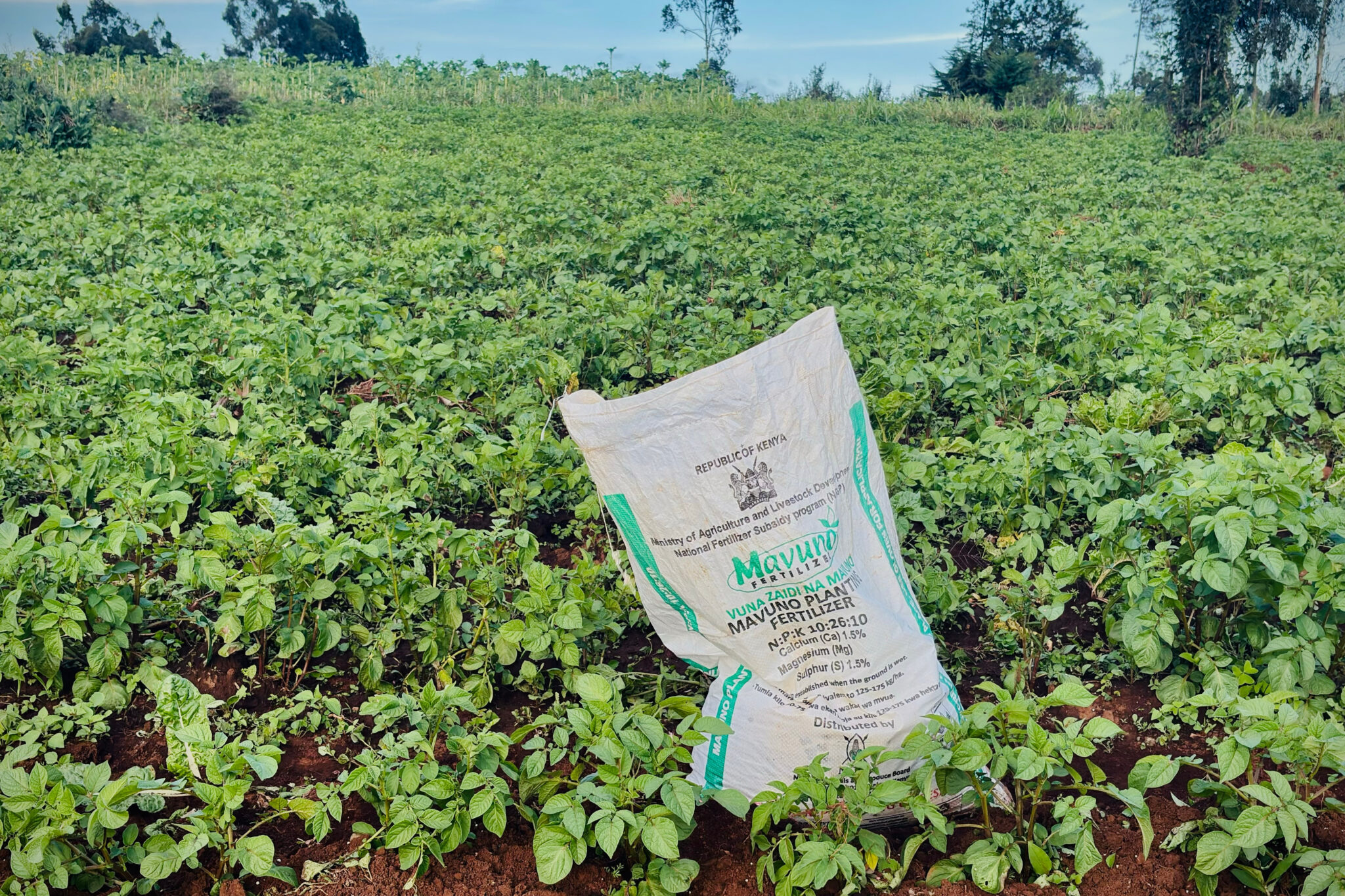
Iran War Sparks Global Fertilizer Shortage, Food Prices at Risk/ Newslooks/ WASHINGTON/ J. Mansour/ Morning Edition/ The Iran war is disrupting fertilizer shipments and threatening global food supplies. Farmers face rising costs and potential crop losses during planting season. Experts warn the shortage could drive higher food prices worldwide.
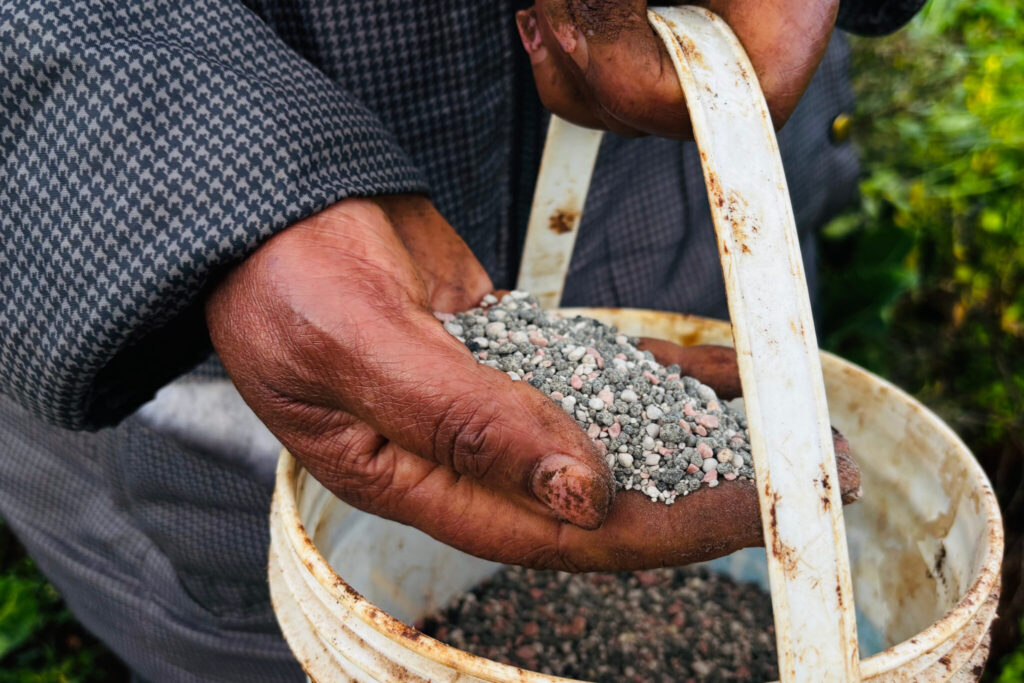
Iran War Fertilizer Shortage Quick Looks
- Iran conflict disrupts fertilizer supply chains
- Strait of Hormuz shipping severely restricted
- 30% of global urea trade affected
- Farmers face rising fertilizer costs
- Developing countries most vulnerable
- Planting season timing increases risks
- Food prices expected to rise globally
- Governments considering subsidies and alternatives
Deep Look: Iran War Sparks Global Fertilizer Shortage and Threatens Food Prices
HANOI, Vietnam — The war involving Iran is creating a growing global fertilizer shortage that could push food prices higher and threaten agricultural production worldwide, according to farmers, analysts and international organizations.
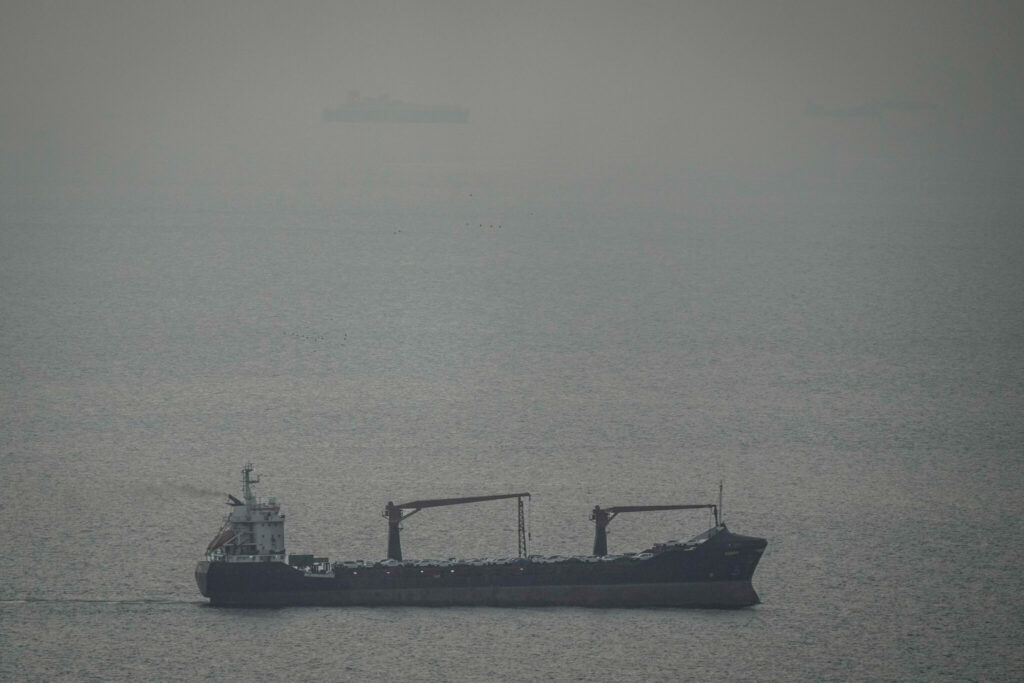
Rising energy costs and restrictions in the Strait of Hormuz — a crucial shipping route — have disrupted fertilizer supply chains at a critical time for farmers in many regions. The shortage comes as planting season begins in parts of the Northern Hemisphere, increasing the risk of reduced yields and potential food shortages.
Carl Skau, deputy executive director of the World Food Program, warned that the consequences could be significant.
“In the worst case, this means lower yields and crop failures next season. In the best case, higher input costs will be included in food prices next year,” Skau said.
Fertilizer Supplies Hit by Strait of Hormuz Disruptions
Iran has restricted shipping through the Strait of Hormuz in response to U.S. and Israeli military actions. The narrow waterway normally handles about one-fifth of global oil shipments and nearly one-third of global fertilizer trade.
The restrictions have affected shipments of key fertilizer components, including nitrogen and phosphate — essential nutrients for crop growth.
Iran’s ambassador to the United Nations in Geneva said Tehran agreed to allow humanitarian and agricultural shipments through the strait after a request from the United Nations. The move marked the first potential breakthrough after weeks of disruption.
Still, markets remain unstable, and experts warn that fertilizer supply shortages could persist even if shipping resumes.
Nitrogen Fertilizer Hardest Hit
Nitrogen fertilizers — particularly urea — are among the most affected. Urea is widely used to boost crop yields and is heavily dependent on natural gas for production.
Shipping disruptions and soaring natural gas prices have restricted about 30% of global urea trade, according to analysts at CRU Group.
Some countries are already facing critical shortages. Ethiopia, for example, imports more than 90% of its nitrogen fertilizer from Gulf suppliers.
“The planting season is now. The fertilizer isn’t there,” said food systems economist Raj Patel.
Phosphate and Sulfur Supplies Also Under Pressure
Phosphate fertilizers, which help plants develop strong roots, are also being impacted. Saudi Arabia exports roughly one-fifth of global phosphate fertilizer, while Gulf nations produce more than 40% of the world’s sulfur — another key fertilizer ingredient.
Even after the conflict ends, analysts warn that shipping insurance costs and security risks could slow supply recovery.
Farmers Feel Impact at Critical Planting Time
Timing is critical for fertilizer application. Crops require nutrients during early growth stages, and delays can significantly reduce yields.
Farmers in Europe and the United States are already feeling the effects. Dirk Peters, a German farmer, said crops need nitrogen immediately to establish strong growth.
“Our crops need nitrogen now — the sooner the better,” Peters said.
Lower fertilizer usage could lead to reduced harvests and higher food prices later in the year.
Limited Alternatives to Fill Supply Gap
Other major fertilizer producers may struggle to compensate for the shortfall:
- China prioritizing domestic fertilizer supply
- Russia operating near full production capacity
- Global supply chains already strained
This limits the ability of global markets to quickly recover from disruptions.
Developing Nations Most Vulnerable
Farmers in developing countries face the greatest risks. Many rely heavily on imported fertilizers and have limited financial flexibility.
In East Africa, farmers are racing to apply fertilizer during a narrow window between rains. Even short delays can reduce yields by about 4%, according to research cited by analysts.
Stephen Muchiri, a Kenyan farmer and agricultural leader, said shortages could hurt millions of small farmers.
Governments Consider Intervention
Governments are exploring options to mitigate the impact, including:
- Subsidizing fertilizer costs
- Promoting domestic production
- Controlling exports
India already provides significant fertilizer subsidies and has allocated $12.7 billion for urea subsidies this year.
However, heavy reliance on subsidies can strain government budgets and reduce funding for long-term agricultural investments.
A Turning Point for Global Agriculture?
Some experts suggest the crisis could accelerate a shift toward alternative farming methods, including organic fertilizers and reduced reliance on imported inputs.
“This could be a turning point,” said Oliver Oliveros of the Agroecology Coalition.
As the Iran conflict continues and fertilizer supplies remain uncertain, farmers worldwide face mounting pressure — and consumers may soon feel the effects through higher food prices.