TLeavitt: US-Iran Talks Are ‘Going Well’ Despite Tehran’s ‘Public Posturing’/ Newslooks/ WASHINGTON/ J. Mansour/ Morning Edition/ he White House says U.S.-Iran talks are progressing despite public tensions. The U.S. claims major military gains while lawmakers oppose ground war escalation. The UK says it will avoid deeper involvement in the Middle East conflict.
US-Iran Talks Progress Quick Looks
- White House says US-Iran talks progressing
- Trump targeting April 6 deal deadline
- Iran allows oil tankers through Strait
- US destroys 11,000 targets in Iran
- GOP lawmakers oppose US ground war
- NATO intercepts Iranian missile toward Turkey
- UK refuses deeper involvement in conflict
- 10-day pause on Iran energy infrastructure strikes
Deep Look: US-Iran Talks Continue as Military Pressure and Diplomacy Collide
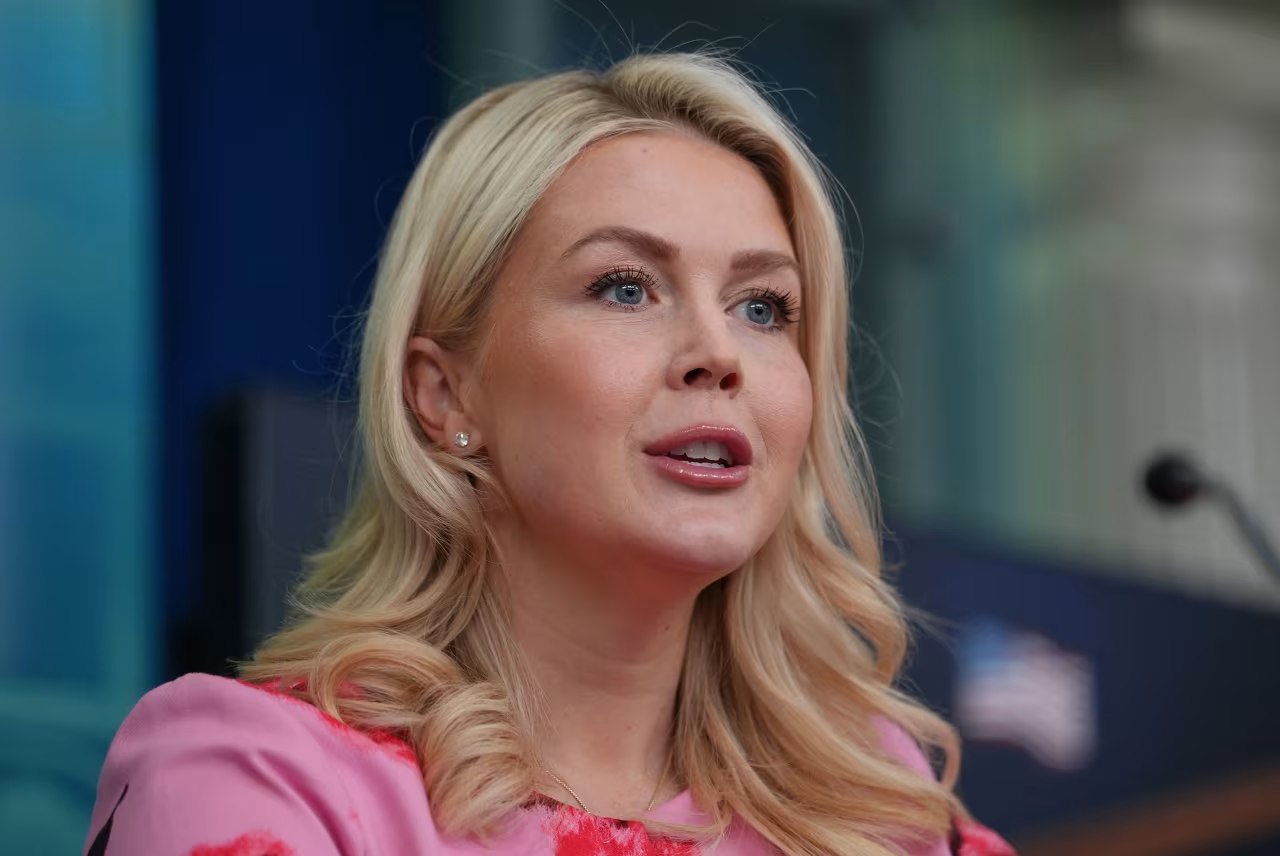
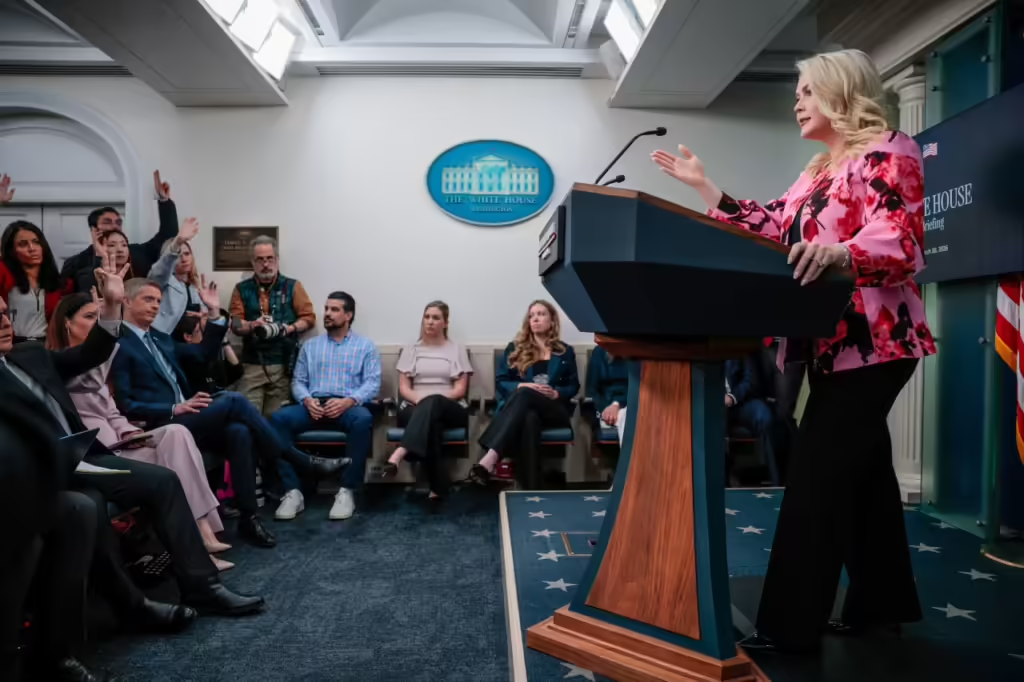
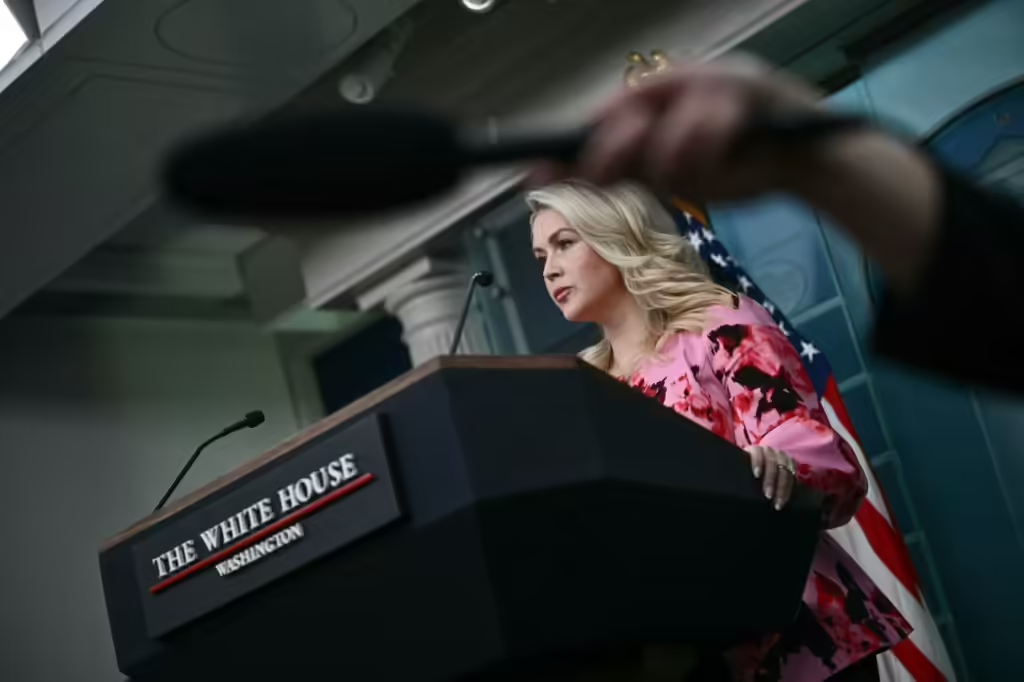
WASHINGTON — The White House said Monday that talks between the United States and Iran are progressing, despite public rhetoric from Tehran that suggests continued tensions. Press Secretary Karoline Leavitt said negotiations remain active behind the scenes and are moving in a positive direction.
“Despite all of the public posturing you hear from the regime and false reporting, talks are continuing and going well,” Leavitt told reporters. “What is said publicly is much different than what’s being communicated to us privately.”
Leavitt pointed to increased oil tanker movement through the Strait of Hormuz as evidence of progress. Ten previously announced vessels have begun moving through the waterway, with about 20 more expected in the coming days.
The tanker activity suggests ongoing diplomatic engagement between Washington and Tehran, both directly and through intermediaries.
President Donald Trump is reportedly targeting April 6 to finalize a potential agreement, signaling a narrowing window for negotiations. Leavitt also said Trump is open to seeking financial assistance from Arab nations to help share the costs associated with the conflict.
US Claims Major Military Gains
The White House also highlighted military developments in the conflict. Leavitt said U.S. forces have destroyed approximately 11,000 targets inside Iran since Operation Epic Fury began.
According to Pentagon estimates:
- Over 90% of Iran’s air force destroyed
- Over 90% of Iran’s navy degraded
- More than 70% of missile stockpiles destroyed
Despite the extensive strikes, Trump has ordered a 10-day pause on attacks targeting Iran’s energy infrastructure, which had largely been spared.
The pause is viewed as an attempt to maintain leverage in negotiations while avoiding further escalation that could impact global oil markets.
Lawmakers Oppose Ground War
Meanwhile, Republican lawmakers signaled resistance to a potential ground invasion of Iran.
Representative Tim Burchett of Tennessee said there is little support in Congress for deploying U.S. troops.
“I don’t think there’s a will for a ground conflict between America and Iran,” Burchett said, adding that both Republicans and Democrats are reluctant to support such a move.
Representative Nancy Mace of South Carolina echoed those concerns, saying she would not support U.S. troops on the ground in Iran following a classified briefing.
The comments come after exiled Iranian Prince Reza Pahlavi urged U.S. leaders to continue military pressure to help Iranian opposition forces.
NATO Intercepts Iranian Missile
As tensions remain high, NATO confirmed Monday that it intercepted an Iranian ballistic missile aimed at Turkey.
“NATO again successfully intercepted an Iranian ballistic missile heading to Türkiye,” a NATO spokesperson said.
The alliance said it remains prepared to defend member nations against further threats.
The interception comes amid criticism from Trump that NATO has not played a larger role in the conflict.
Iran Allows Oil Tankers Through Strait
Trump also announced that Iran agreed to allow 20 cargo ships carrying oil to pass through the Strait of Hormuz. The move is seen as a confidence-building measure during ongoing ceasefire talks.
The Strait of Hormuz is a critical global shipping route, and disruptions there have driven energy prices higher.
Allowing tanker traffic to resume could help stabilize markets and support diplomatic momentum.
UK Declines Deeper Role
In Europe, British Prime Minister Keir Starmer said the United Kingdom will not be drawn deeper into the Middle East conflict.
“I will always make decisions that are in the national interest,” Starmer said in a statement posted on social media. “It’s why we aren’t getting dragged into the Middle East conflict.”
Starmer described the war as “not our conflict” and said Britain’s involvement would remain limited to defensive support.
The UK’s cautious approach reflects broader concerns among European allies about deeper military involvement.
Diplomatic Window Narrowing
With military operations continuing and diplomatic talks underway, the coming days are seen as critical for determining whether negotiations succeed.
Trump’s April 6 target date suggests urgency as both sides weigh military pressure and diplomatic compromise.
The combination of battlefield developments, political opposition to escalation, and renewed shipping activity in the Strait of Hormuz indicates that diplomacy and conflict are unfolding simultaneously.