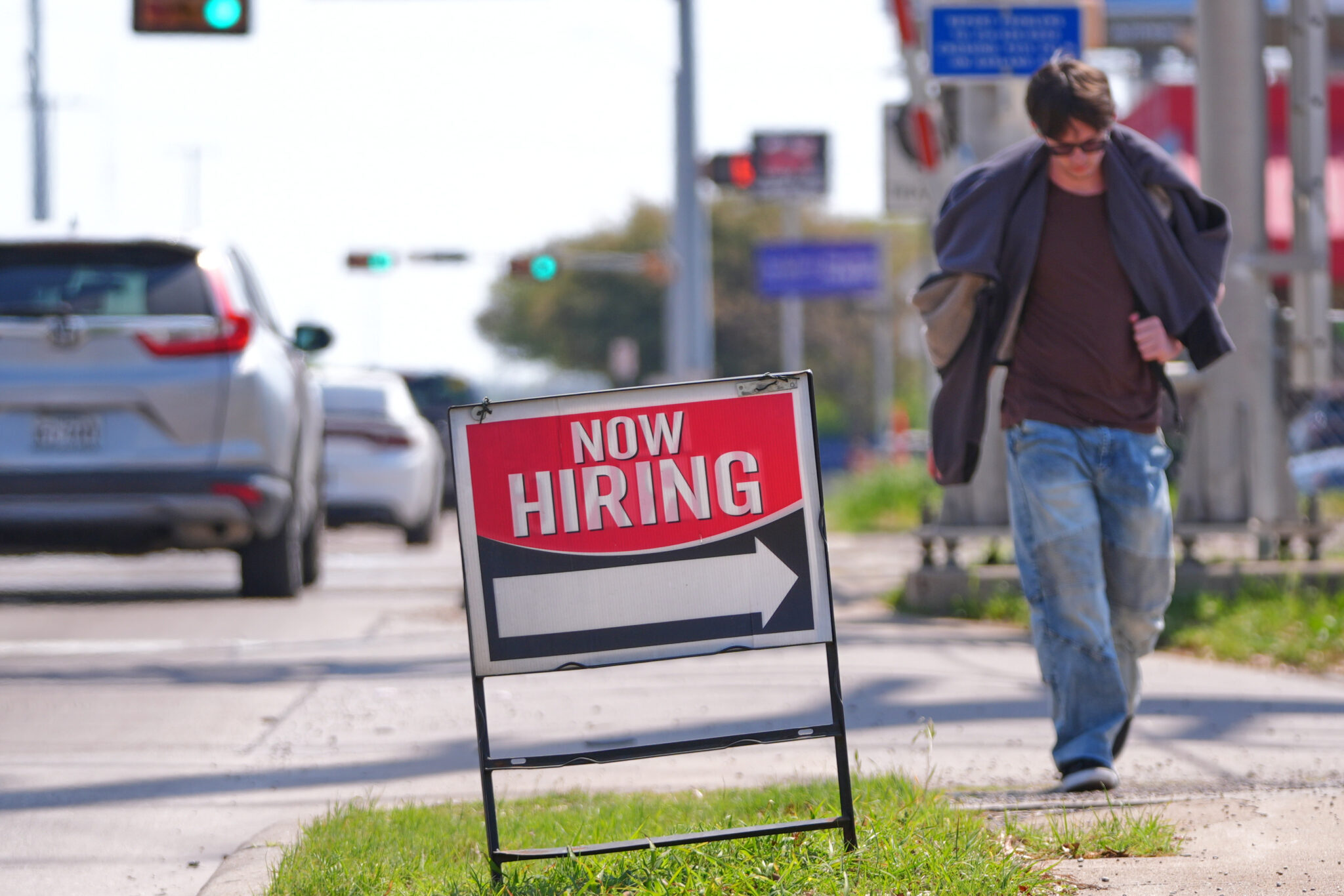
US Job Openings Fall to 6.9 Million as Hiring Slows/ Newslooks/ WASHINGTON/ J. Mansour/ Morning Edition/ U.S. job openings fell to 6.9 million in February. Layoffs increased while fewer workers quit their jobs. Economists warn of sluggish hiring and AI-related uncertainty.
US Job Openings Drop Quick Looks
- Job openings fall to 6.9 million
- Down from 7.2 million in January
- Layoffs increase in February
- Fewer workers quitting jobs
- Hiring slowed throughout 2025
- February saw 92,000 jobs lost
- Unemployment remains at 4.4%
- AI uncertainty affecting hiring decisions
Deep Look: Job Openings Slide to 6.9 Million as Hiring Remains Sluggish
WASHINGTON — U.S. job openings declined in February to 6.9 million, signaling continued weakness in the American labor market and reinforcing concerns about sluggish hiring trends. The Labor Department reported Tuesday that vacancies fell from 7.2 million in January, according to the Job Openings and Labor Turnover Survey (JOLTS).
The report also showed layoffs increased while fewer workers voluntarily left their jobs — a sign that employees may be less confident about finding better opportunities elsewhere. Together, these indicators suggest a cooling labor market following years of strong hiring.
Economists say the labor market has been slowing for more than a year, driven by high interest rates, economic uncertainty and evolving workplace dynamics shaped by artificial intelligence.
Hiring Has Slowed Significantly
Hiring in 2025 weakened considerably, with employers adding fewer than 10,000 jobs per month on average. That marked the slowest hiring pace outside of a recession since 2002.
The start of 2026 showed mixed signals:
- January added 126,000 jobs
- February lost 92,000 jobs
Economists expect hiring to rebound slightly when March job numbers are released, with forecasts predicting about 60,000 new jobs.
Still, hiring remains far below the pace seen in previous years.
Low Unemployment Masks Weak Hiring
Despite weaker hiring, unemployment has remained relatively low at 4.4%. Economists describe the current environment as a “low-hire, low-fire” labor market.
In this environment:
- Companies hesitate to hire new workers
- Employers avoid layoffs to retain talent
- Job mobility declines
This dynamic makes it harder for job seekers — particularly younger workers — to find opportunities.
AI Reshaping Hiring Decisions
Another factor affecting hiring is the growing role of artificial intelligence. Some employers are delaying hiring decisions while evaluating how AI tools could reshape their workforce.
There are growing concerns that AI could reduce entry-level roles traditionally filled by recent graduates and early-career workers.
Businesses may also be cautious about expanding payrolls until they better understand long-term technology investments.
Economic Uncertainty Adds Pressure
Economic uncertainty tied to interest rates and policy changes has also contributed to hiring hesitation. Employers often slow hiring during uncertain periods to manage costs and maintain flexibility.
Despite these challenges, the relatively low unemployment rate suggests companies are still holding onto existing workers rather than implementing large-scale layoffs.
Labor Market Outlook
Economists say the labor market remains stable but fragile. A modest rebound in hiring could help stabilize conditions, but continued uncertainty around interest rates, AI adoption and economic policy could weigh on job growth.
With job openings declining and layoffs edging higher, the coming months will provide clearer signals about the direction of the U.S. labor market.