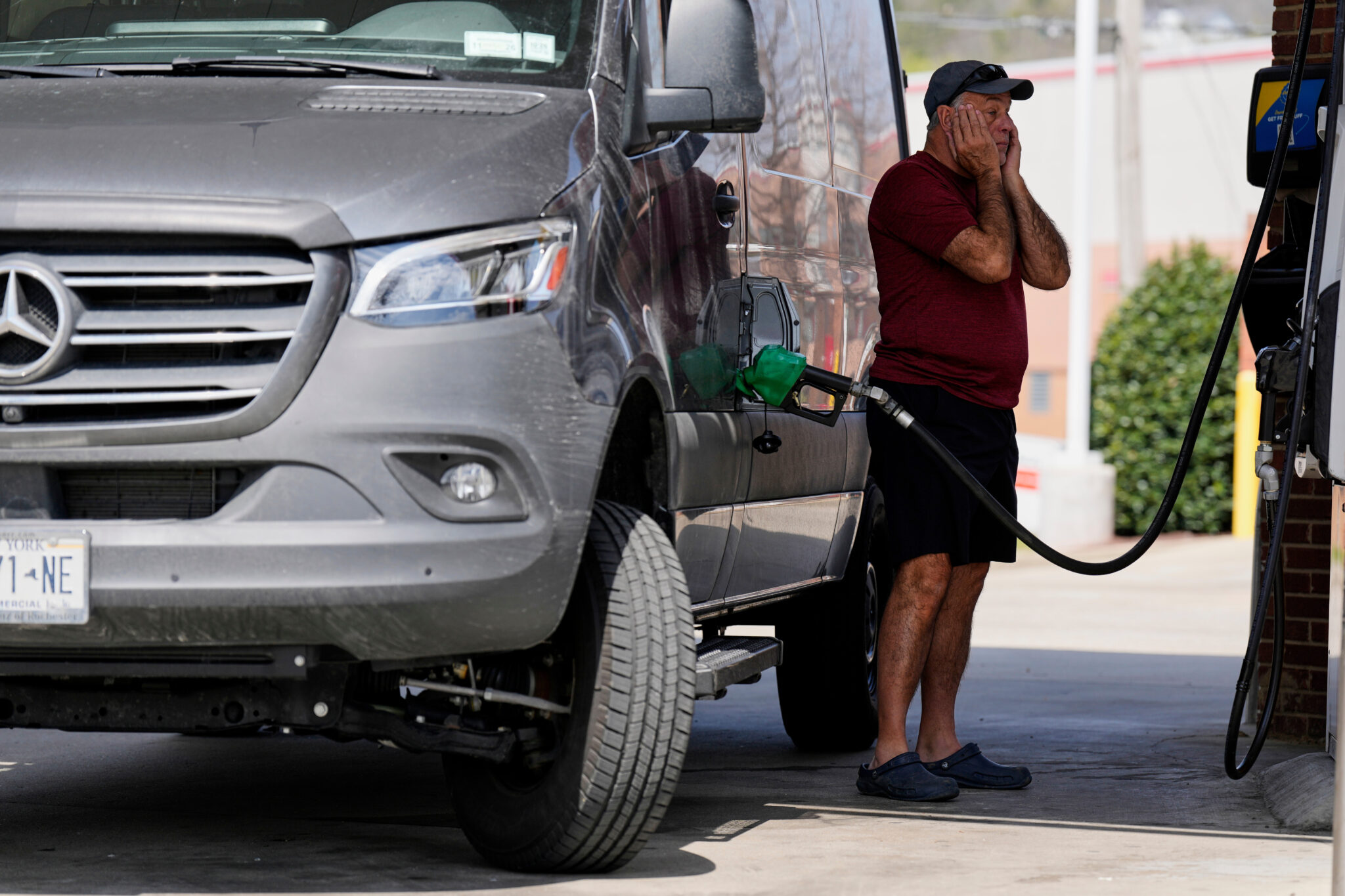
US Consumer Confidence Edges Higher Despite $4 Gas/ Newslooks/ WASHINGTON/ J. Mansour/ Morning Edition/ U.S. consumer confidence rose slightly in March despite rising fuel costs. Gas prices surpassed $4 per gallon due to the Iran war. Inflation expectations increased, raising concerns about economic outlook.
Consumer Confidence March Quick Looks
- Consumer confidence rises to 91.8
- Up from 91 in February
- Gas prices climb above $4 per gallon
- Inflation expectations increase sharply
- Short-term outlook falls below recession threshold
- Current economic assessment improves
- Iran war pushes oil prices higher
- Fed rate cuts appear unlikely
Deep Look: US Consumer Confidence Inches Higher Despite Soaring Gas Prices
WASHINGTON — U.S. consumer confidence ticked slightly higher in March, even as rising gas prices fueled by the Iran war raised concerns about inflation and economic uncertainty. The Conference Board reported Tuesday that its consumer confidence index rose to 91.8 in March, up modestly from 91 in February.
Despite the increase, underlying survey data showed growing concern among consumers about rising costs, particularly for fuel and energy. Respondents increasingly cited oil prices, gasoline costs and geopolitical tensions as factors shaping their outlook.
Gas Prices Push Past $4 Per Gallon
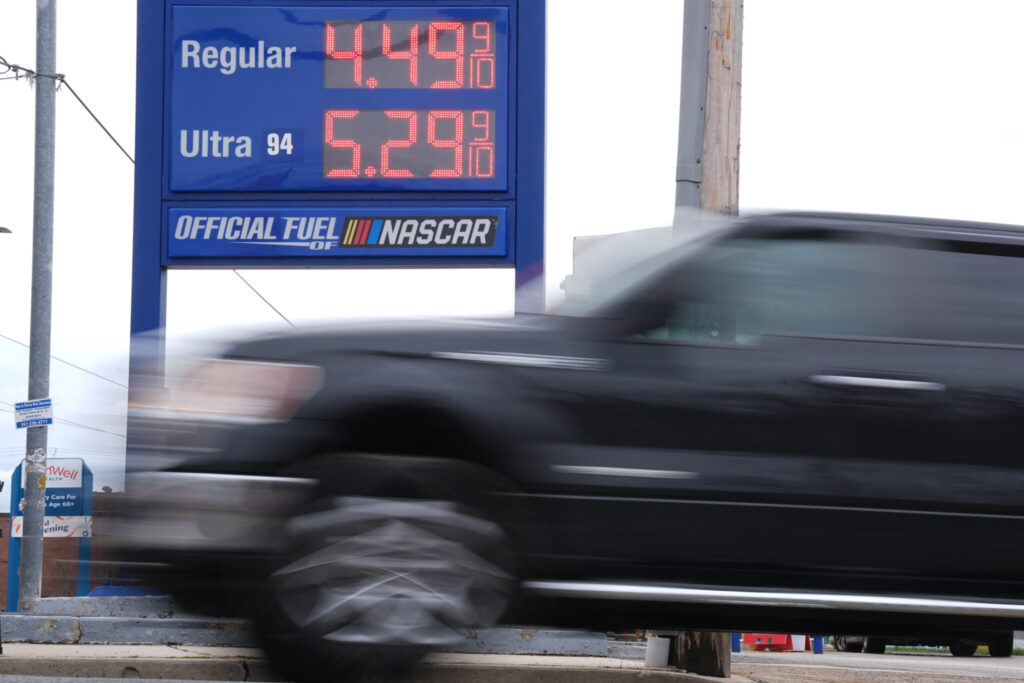
The modest improvement in confidence comes as Americans face sharply higher gas prices. The national average for regular gasoline climbed to $4.02 per gallon, according to AAA — more than $1 higher than before the Iran war began.
This marks the first time since 2022 that U.S. gas prices have exceeded $4 per gallon nationwide. Rising oil prices linked to the Middle East conflict have pushed fuel costs higher worldwide.
Higher gas prices often influence consumer behavior, reducing discretionary spending and raising transportation costs across the economy.
Inflation Expectations Rising
While the overall confidence index increased slightly, the survey revealed growing pessimism in other areas.
Consumers’ 12-month inflation expectations surged to levels last seen in August 2025, when concerns over tariffs intensified. Rising energy prices and geopolitical uncertainty were major drivers of these expectations.
Higher inflation expectations can influence consumer spending decisions and shape broader economic trends.
Short-Term Outlook Signals Concern
A key measure of short-term expectations declined in March. The index tracking expectations for income, business conditions and employment fell 1.7 points to 70.9.
Economists view readings below 80 as a potential signal of recession risk. March marked the 14th consecutive month that the expectations index remained below that threshold.
The decline suggests consumers remain cautious about the economic outlook despite modest improvements in confidence.
Current Conditions Improve
While expectations weakened, consumers’ assessment of current economic conditions improved significantly.
The index measuring current conditions rose 4.6 points to 123.3, indicating that many Americans still view present-day economic conditions as relatively stable.
This divergence — stronger views of current conditions but weaker expectations — highlights uncertainty about the future.
Inflation Remains Elevated
Recent government data showed inflation remained elevated even before the Iran conflict intensified energy costs.
A key inflation gauge monitored by the Federal Reserve rose 2.8% in January. Core inflation, which excludes food and energy, climbed to 3.1% — the highest level in nearly two years.
Consumer prices and wholesale costs have also remained elevated, adding pressure on households.
Federal Reserve Rate Cuts Unlikely
Rising inflation expectations and higher energy prices may complicate Federal Reserve policy decisions.
Higher inflation reduces the likelihood that the Fed will cut interest rates in the near future, as policymakers aim to maintain price stability.
Interest rates remain a key factor influencing borrowing costs, housing markets and business investment.
Economic Outlook Remains Uncertain
Although consumer confidence edged higher in March, rising fuel costs and inflation concerns continue to cloud the economic outlook.
Consumers appear cautiously optimistic about current conditions but increasingly worried about the future.
With energy prices elevated and inflation pressures mounting, economists say the coming months will be critical in determining the direction of the U.S. economy.