
Judge Halts Trump White House Ballroom Construction/ Newslooks/ WASHINGTON/ J. Mansour/ Morning Edition/ A federal judge ordered construction of President Donald Trump’s White House ballroom halted. The ruling said Trump lacked authority to proceed without congressional approval. The decision marks a major setback to Trump’s sweeping White House renovation plans.
Trump White House Ballroom Halt — Quick Looks
- Federal judge halts $400 million ballroom project
- East Wing previously demolished for expansion
- Court says Trump lacks congressional authorization
- Preservation group wins preliminary injunction
- White House files appeal immediately
- Construction paused for 14 days initially
- Security-related work allowed to continue
- Project designed for 999-person capacity
- National Capital Planning Commission review pending
- Trump vows to continue broader renovation plans
Deep Look: Judge Halts Trump White House Ballroom Construction
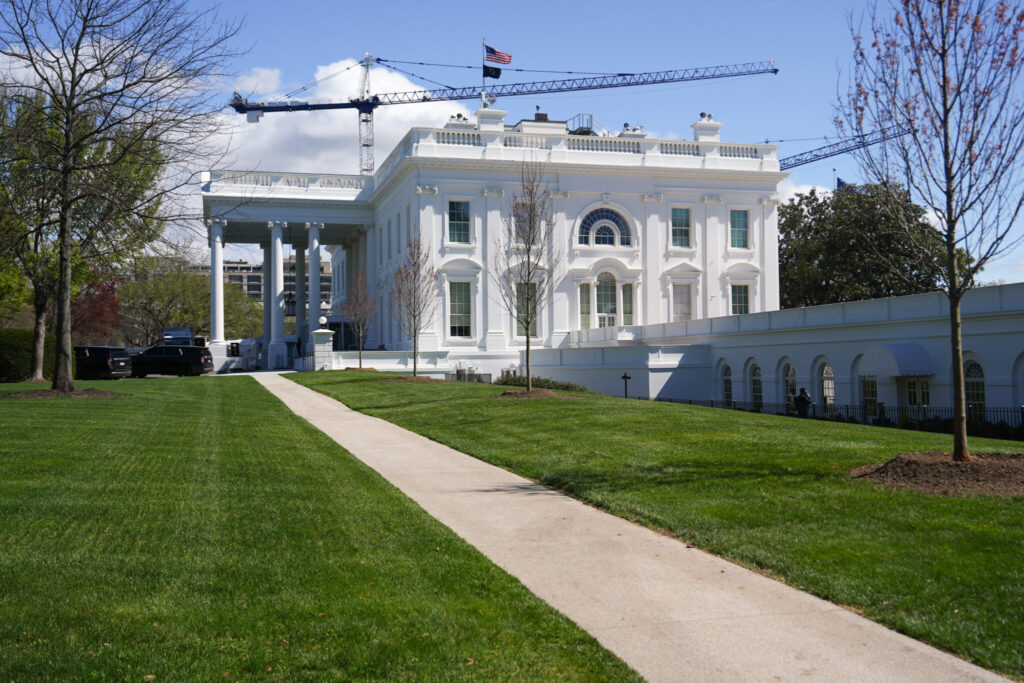
A federal judge ordered the Trump administration to halt construction of a $400 million White House ballroom project, marking a major legal setback for President Donald Trump’s sweeping effort to transform the historic executive mansion.
U.S. District Judge Richard Leon granted a preliminary injunction requested by the National Trust for Historic Preservation, temporarily blocking further construction unless Congress formally approves the project. The ruling concluded that Trump likely exceeded his authority by moving forward without legislative authorization.
“The President of the United States is the steward of the White House for future generations of First Families. He is not, however, the owner,” Leon wrote in his decision.
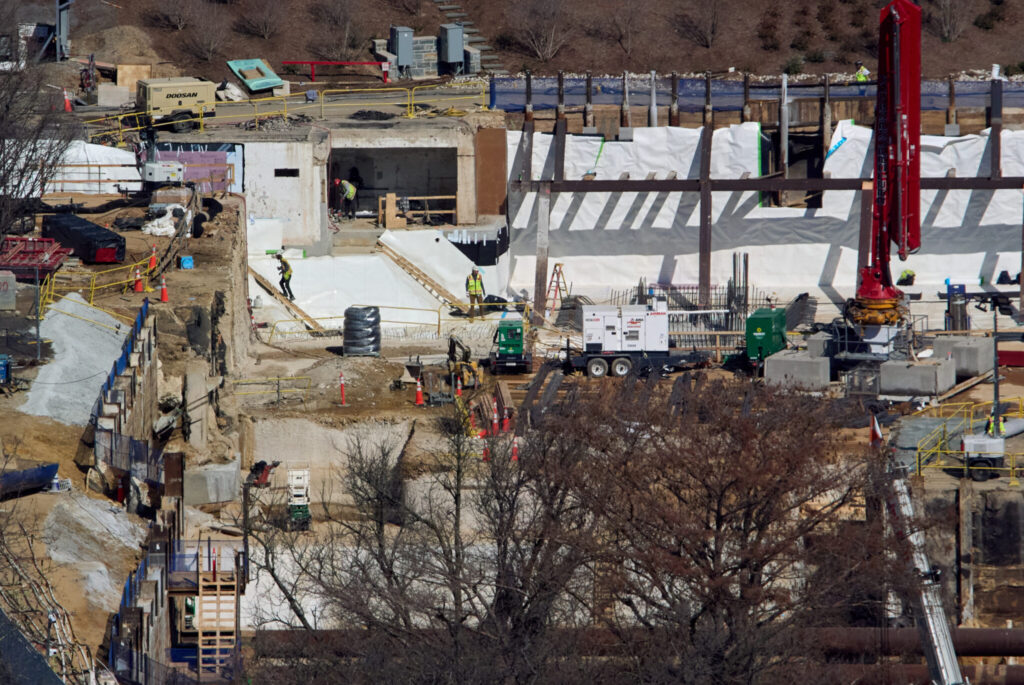
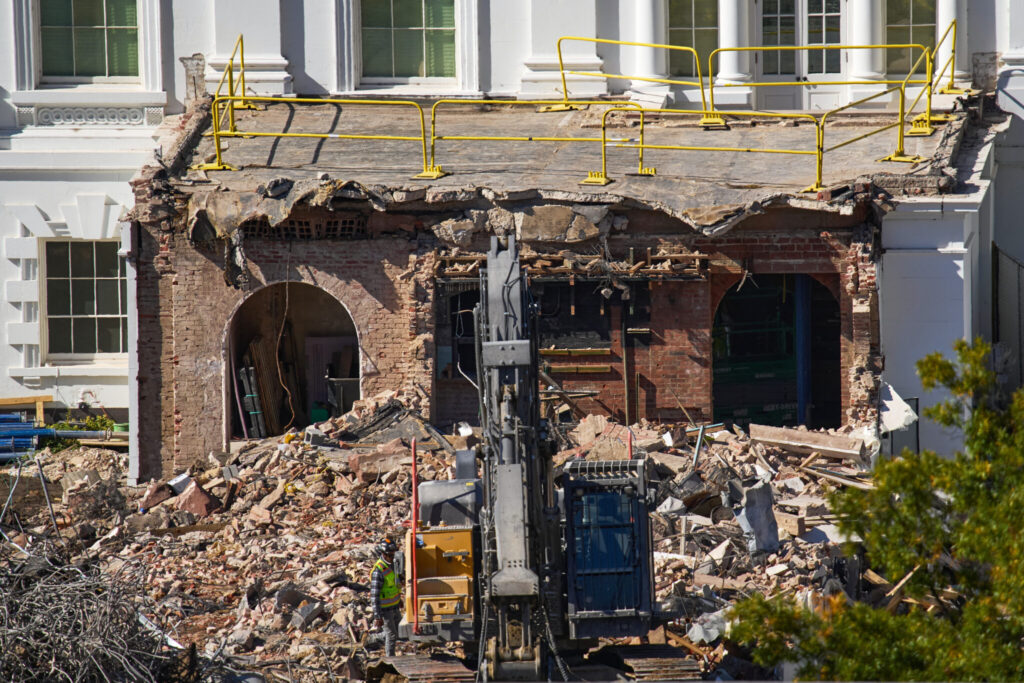
The ruling came after the Trump administration had already demolished the East Wing of the White House to make space for the new ballroom. The project, estimated to cost $400 million, aims to create a 90,000-square-foot event space capable of hosting up to 999 guests.
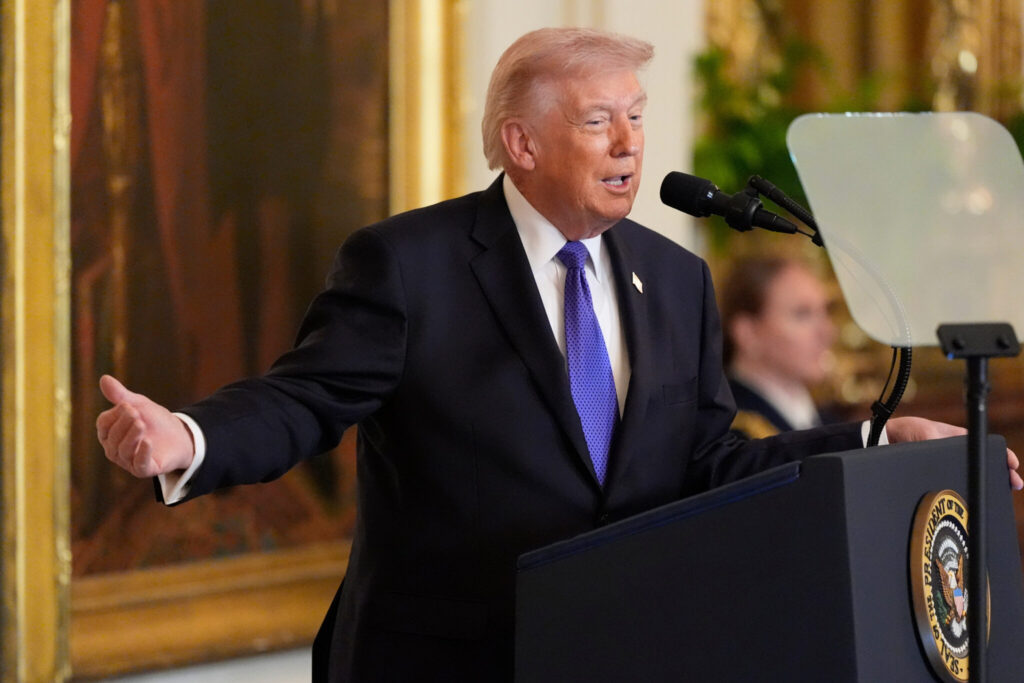
The White House quickly responded by filing a notice of appeal. Trump also voiced frustration with the ruling during remarks to reporters in the Oval Office, arguing that previous presidents completed construction projects without seeking congressional approval.
“We built many things at the White House over the years. They don’t get congressional approval,” Trump said.
Despite the judge’s order, construction may not immediately stop entirely. Leon suspended enforcement of the ruling for 14 days, acknowledging the logistical complications of halting an active construction site. The delay also provides time for the administration to pursue its appeal.
Additionally, the ruling allows construction related to safety and national security to continue. The judge determined that stopping the broader project would not jeopardize White House security but permitted certain protective upgrades to move forward.
Trump highlighted that portion of the ruling, pointing to ongoing security improvements around the White House grounds. He described several enhancements, including drone-resistant roofing, upgraded communications infrastructure, bomb shelters, and expanded medical facilities.
“The roof is droneproof. We have secure air-handling systems,” Trump said. “We have bomb shelters that we’re building. We have a hospital and very major medical facilities that we’re building.”
The ballroom project has been controversial since its announcement. Trump unveiled the plan over the summer, and by late October, demolition of the East Wing had already begun. Critics argued the project moved forward too quickly, without proper review or approval from oversight agencies.
The administration proceeded before seeking input from the National Capital Planning Commission and the Commission of Fine Arts — two agencies typically involved in approving major construction on federal property in Washington.
The National Trust for Historic Preservation filed its lawsuit in December, arguing that the project required congressional approval and independent reviews. The group welcomed Tuesday’s ruling as a victory for historic preservation.
“This is a win for the American people on a project that forever impacts one of the most beloved and iconic places in our nation,” said Carol Quillen, president of the National Trust for Historic Preservation.
The case also raised broader questions about presidential authority over the White House. Government lawyers argued that previous presidents undertook construction and renovation projects without congressional approval.
Judge Leon rejected that argument, saying Congress has historically played a role in significant White House changes.
“This clearly is not how Congress and former Presidents have managed the White House for centuries,” Leon wrote.
The ballroom project is part of a broader effort by Trump to reshape Washington and leave a lasting architectural legacy. Since returning to office, Trump has overseen multiple renovation projects at the White House, including upgrades to the Rose Garden, new flagpoles, interior renovations, and decorative additions.
Trump has also proposed building a ceremonial arch near the Lincoln Memorial and revamping Washington-area golf courses. In addition, he is pushing for a major overhaul of the Kennedy Center, which is expected to close for two years during renovations.
The judge’s ruling creates uncertainty about the ballroom’s future. The National Capital Planning Commission is still scheduled to review the project, though officials indicated the court decision may not affect that timeline.
For now, the case is expected to move to appellate courts, setting up another high-profile legal battle over Trump’s authority and his ambitious plans to remake parts of the White House and Washington, D.C.
The outcome could shape how future presidents approach renovations of the nation’s most iconic residence.