Judge: Trump Isn’t Immune from Civil Claims His Jan. 6 Rally Speech Incited Riot/ Newslooks/ WASHINGTON/ J. Mansour/ Morning Edition/ A federal judge ruled President Donald Trump is not immune from civil claims tied to the Jan. 6 attack. The court said Trump’s rally speech may have incited violence and isn’t protected by immunity. The ruling opens the door for a potential civil trial over the Capitol riot.
Trump Jan 6 Immunity Ruling — Quick Looks
- Federal judge denies Trump immunity in civil claims
- Case centers on Jan. 6 rally speech
- Judge says remarks may have incited violence
- Some presidential actions still protected
- Civil trial now possible
- Plaintiffs include lawmakers and police officers
- Appeals expected following ruling
- Case stems from 2021 Capitol riot
- Trump speech cited as key evidence
- Ruling keeps long-running case alive
Deep Look: Judge: Trump Isn’t Immune from Civil Claims His Jan. 6 Rally Speech Incited Riot
A federal judge ruled Tuesday that President Donald Trump is not immune from civil lawsuits alleging he incited the Jan. 6, 2021, attack on the U.S. Capitol, clearing the way for a potential trial in one of the last unresolved legal cases stemming from the riot.
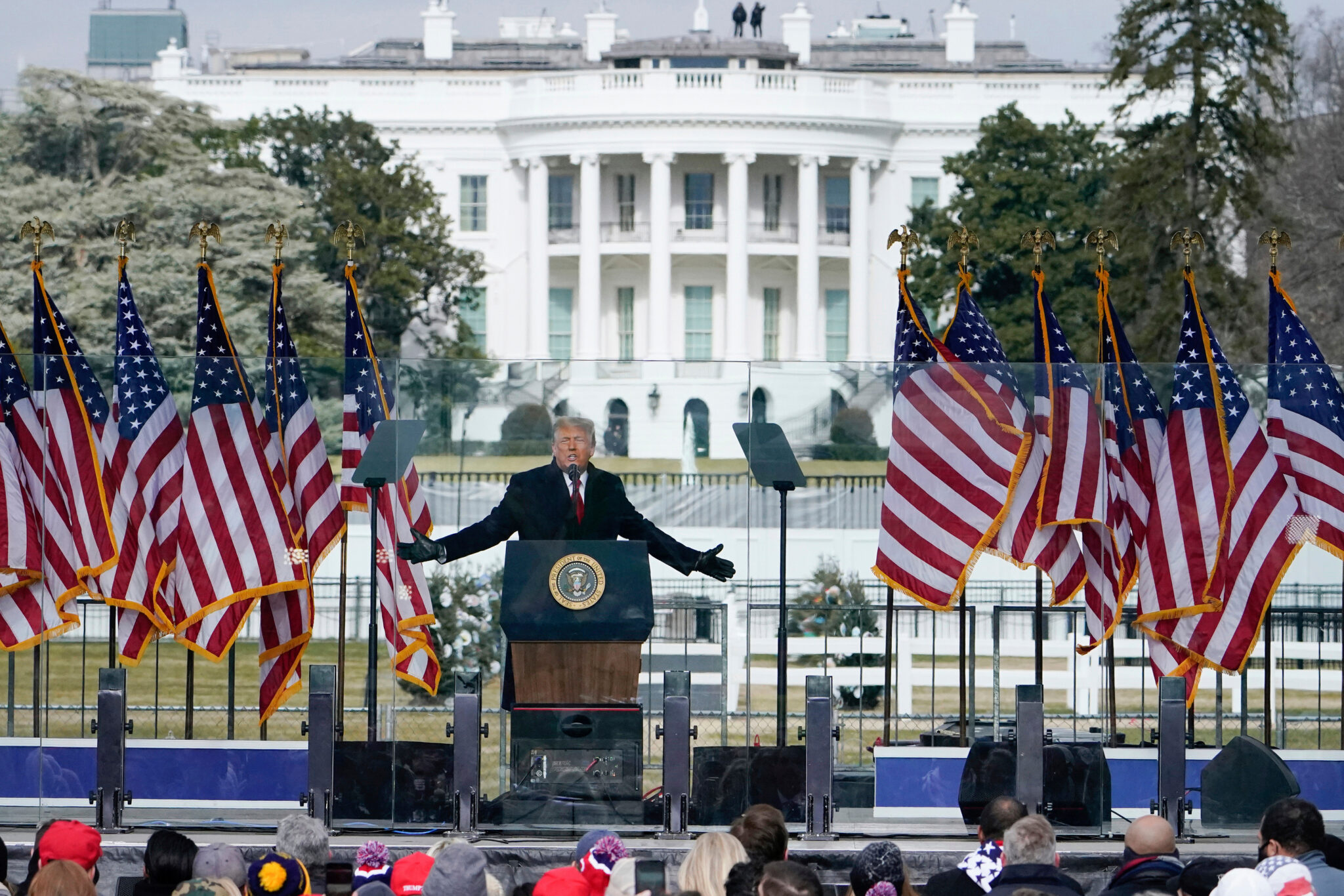
U.S. District Judge Amit Mehta determined that Trump’s remarks at the “Stop the Steal” rally near the White House could plausibly be interpreted as inciting violence and therefore are not protected under presidential immunity or the First Amendment.
“President Trump has not shown that the Speech reasonably can be understood as falling within the outer perimeter of his Presidential duties,” Mehta wrote in his ruling.
The judge concluded that Trump’s rally speech and several of his social media posts on Jan. 6 may expose him to civil liability. However, Mehta also ruled that some of Trump’s actions that day — including remarks delivered from the White House Rose Garden and conversations with Justice Department officials — qualify as official presidential duties and remain protected.
The decision is part of long-running litigation brought by Democratic lawmakers and police officers injured during the Capitol attack. The lawsuits allege Trump’s actions contributed to the violence that disrupted Congress’ certification of the 2020 presidential election.
The ruling marks another significant development in legal battles surrounding Jan. 6. Judge Mehta previously declined to dismiss the case in 2022, finding that Trump’s rally remarks could reasonably be interpreted as incitement. An appeals court later upheld that decision, sending the case back to Mehta for further review.
In Tuesday’s 79-page decision, Mehta applied a more rigorous legal standard, noting that Trump still has the opportunity to argue immunity at trial but would face a higher burden of proof.
“President Trump remains free to reassert official-acts immunity as a defense at trial,” Mehta wrote. “But the burden will remain his.”
The lawsuits stem from Trump’s speech to supporters at the Ellipse near the White House shortly before the Capitol attack. During the rally, Trump urged supporters to “fight like hell,” remarks plaintiffs argue helped incite the violence that followed.
Trump’s attorneys argued that his actions fell within presidential duties and therefore should be shielded by immunity. They also contended that Trump’s speech was protected political expression under the First Amendment.
Plaintiffs countered that Trump was acting as a political candidate seeking to overturn election results rather than performing official presidential duties. Legal arguments in the case have centered on the distinction between official actions and campaign-related conduct.
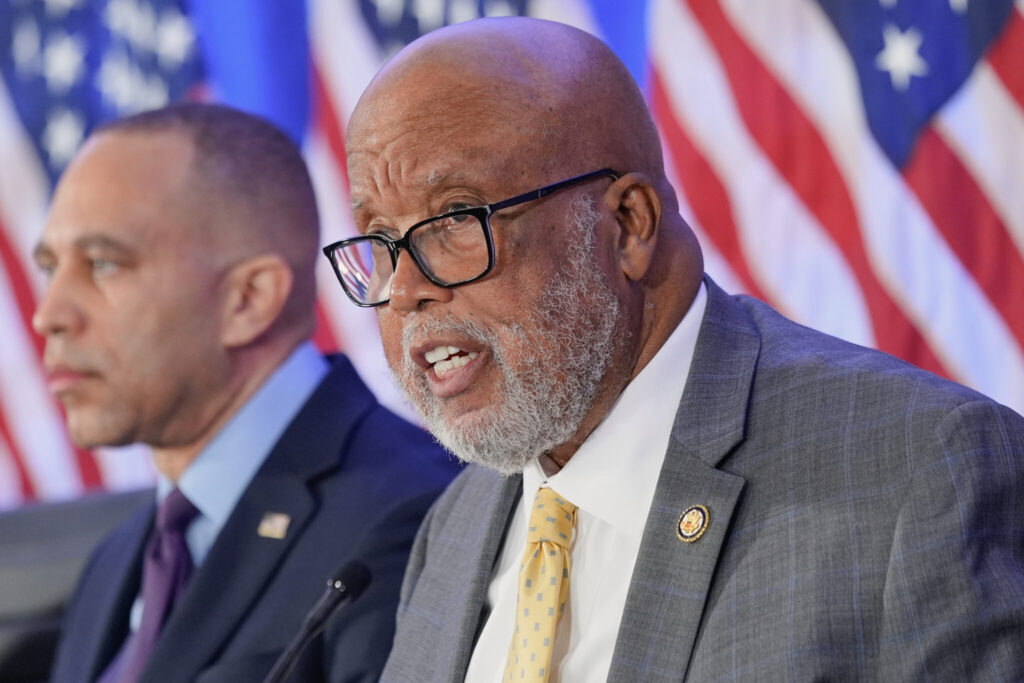
The lawsuit was initially filed by Rep. Bennie Thompson, D-Miss., then-chair of the House Homeland Security Committee. Additional Democratic lawmakers and Capitol Police officers later joined the case, which was consolidated into broader litigation.
The civil claims survived Trump’s sweeping clemency actions after returning to office, when he pardoned or commuted sentences in more than 1,500 criminal cases related to the Capitol riot. More than 100 police officers were injured defending the Capitol during the attack.
Civil rights groups praised the ruling as an important step toward accountability.
Damon Hewitt, president of the Lawyers’ Committee for Civil Rights Under Law, described the decision as a “monumental victory for the rule of law.”
“The court rightly recognizes that President Trump’s actions leading to the January 6 insurrection fell outside the scope of presidential duties,” Hewitt said.
The ruling is expected to be appealed, meaning the legal battle could continue for months or years. If the case proceeds to trial, it would take place in the same Washington courthouse where Trump previously faced criminal charges related to Jan. 6 before those proceedings ended following his 2024 election victory.
The decision underscores the ongoing legal and political fallout from the Capitol riot, which remains one of the most significant events in modern U.S. political history.
As appeals unfold, the ruling keeps alive the possibility that Trump could face civil liability over his role in the Jan. 6 attack — even years after the events occurred.