Wall Street Drops, Oil Prices Jump 7.8% After Trump Iran Escalation/ Newslooks/ WASHINGTON/ J. Mansour/ Morning Edition/ Stocks dropped and oil surged above $110 after President Trump pledged continued attacks on Iran. Markets reacted to uncertainty as no clear timeline for ending the conflict emerged. Energy stocks gained while airlines and travel companies declined sharply.
Trump Iran Market Reaction Quick Looks
- U.S. crude oil rises above $110
- S&P 500 falls 1.1%
- Dow drops 545 points
- Nasdaq declines 1.6%
- Global markets fall across Europe and Asia
- Strait of Hormuz disruptions drive oil prices
- Brent crude climbs above $109
- Airlines and travel stocks decline sharply
- Energy companies post gains
- Market volatility tied to Iran conflict
- Treasury yields remain relatively stable
- Trading week ends early for Good Friday
Deep Look: Wall Street Drops, Oil Prices Jump 7.8% After Trump Iran Escalation
NEW YORK — Stocks slid and oil prices surged Thursday after President Donald Trump vowed to intensify U.S. attacks against Iran and failed to provide a clear timeline for ending the Middle East conflict.
The market reaction was swift, with major U.S. indexes dropping as investors weighed the economic risks of escalating geopolitical tensions and rising energy costs.
The S&P 500 fell 1.1% in morning trading, with roughly three-quarters of companies in the index posting losses. The Dow Jones Industrial Average dropped 545 points, or 1.2%, while the Nasdaq composite declined 1.6%.
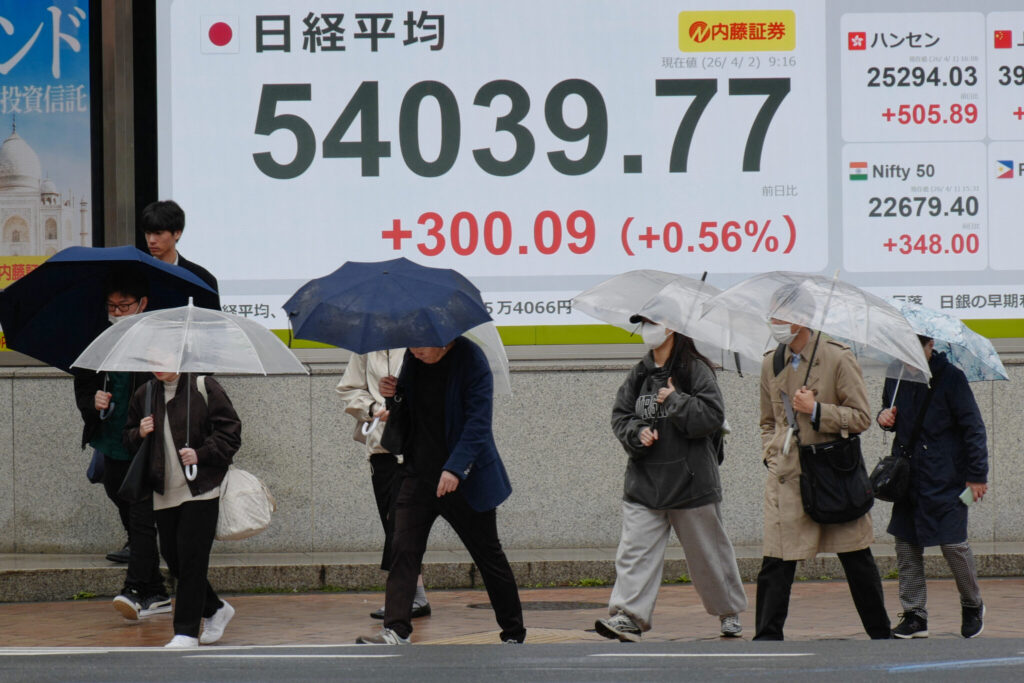
Markets across Europe and Asia also fell, reflecting global concern about the conflict’s potential impact on energy supplies and economic growth.
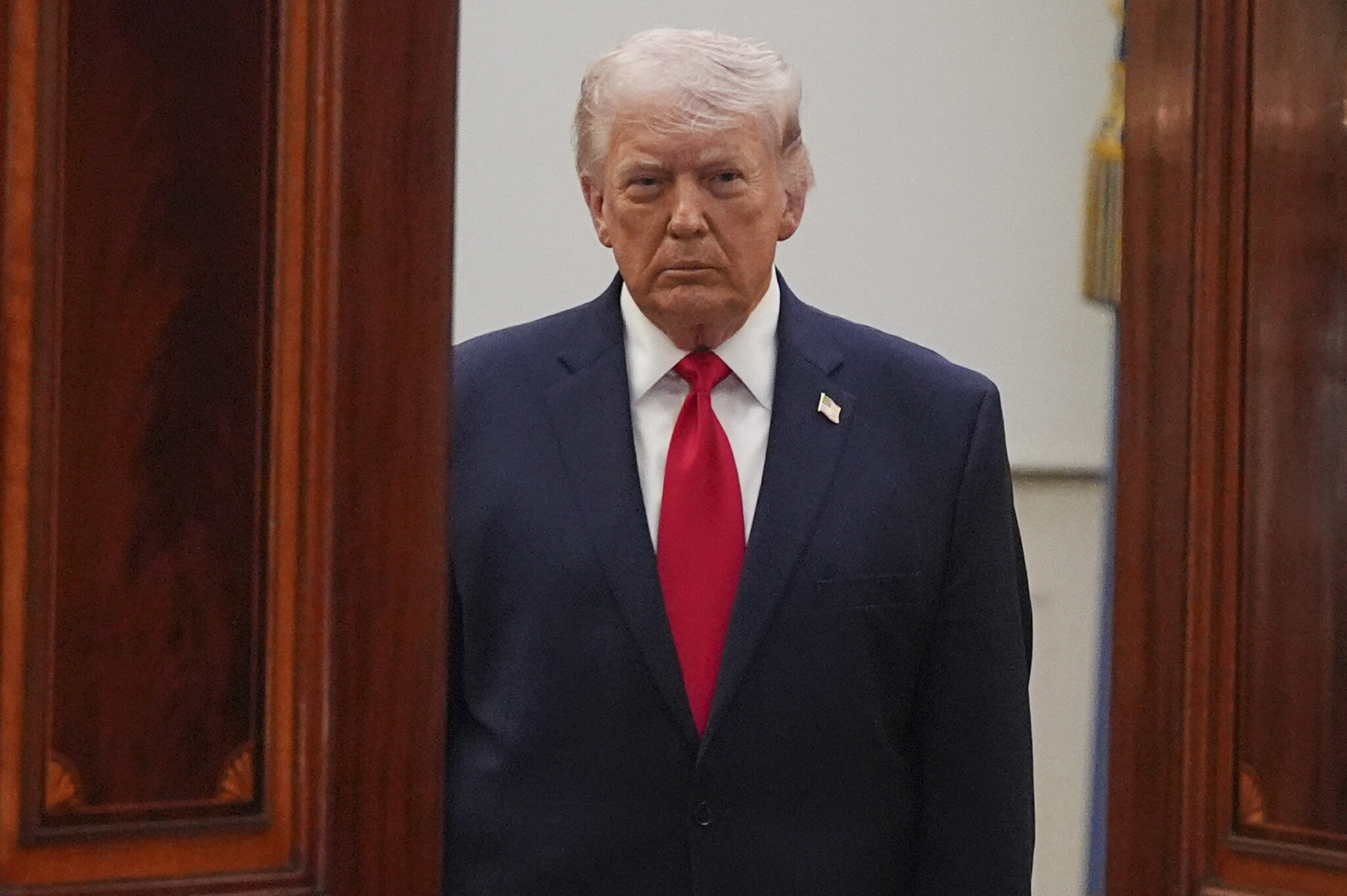
The sell-off followed Trump’s national address Wednesday, during which he said the United States would hit Iran “extremely hard over the next two to three weeks.” Investors had previously hoped the conflict might soon wind down, helping push stocks higher earlier in the week.
Despite Thursday’s decline, major indexes remain on track to post weekly gains. Trading volume may also be lighter, as Thursday marks the final session before markets close for Good Friday.
Oil Prices Drive Market Volatility
Oil prices surged sharply, becoming the primary force behind the market swings.
Benchmark U.S. crude jumped 11.7% to $111.92 per barrel, while Brent crude — the global benchmark — climbed 7.8% to $109.10 per barrel. The surge reversed a recent pullback that had briefly pushed prices closer to $100 per barrel earlier in the week.
The sharp increase stems largely from disruptions in the Strait of Hormuz, a critical shipping route that typically handles about 20% of the world’s traded oil during peacetime. Shipping traffic through the waterway has been significantly reduced amid the conflict.
Rising oil prices often weigh on stocks because higher energy costs increase inflation pressure and reduce consumer spending.
Markets Swing With War Developments
Financial markets have been highly sensitive to developments in the Iran conflict. Stocks have frequently moved in response to Trump’s comments about the war’s direction.
Earlier in the week, the S&P 500 briefly approached a 10% decline from its recent record — a drop investors refer to as a “correction.” The market rebounded Tuesday and Wednesday as hopes grew that the conflict might soon end.
Those hopes faded following Trump’s latest comments, triggering renewed volatility.
Winners and Losers
Travel-related companies were among the biggest losers Thursday, as rising fuel costs threaten profitability.
United Airlines fell 6.1%, while cruise operator Carnival dropped 5%. Airlines typically face pressure when oil prices climb because jet fuel costs increase.
Energy companies, however, benefited from the surge in crude prices. Exxon Mobil rose 2.3%, and Chevron gained 3.4%, reflecting stronger profit expectations for oil producers.
Bond Market Stable
Despite the volatility in stocks and oil, bond markets remained relatively calm. The yield on the 10-year Treasury note edged slightly higher to 4.33% from 4.32%.
Stable bond yields suggest investors are cautious but not yet moving aggressively into safer assets.
Uncertainty Remains
The Iran conflict continues to drive market uncertainty. With no clear timeline for resolution, investors remain focused on energy prices, geopolitical developments, and potential economic fallout.
As the week ends ahead of the Good Friday holiday, markets remain sensitive to further developments in the Middle East, with oil prices and geopolitical risks expected to continue shaping investor sentiment in the days ahead.