US and Iran Plan New Ceasefire Talks in Pakistan/ Newslooks/ WASHINGTON/ J. Mansour/ Morning Edition/ The United States and Iran are preparing for a new round of ceasefire talks in Islamabad as their fragile two-week truce nears expiration. Vice President JD Vance is expected to lead the U.S. delegation, while Iran signals it is prepared for both negotiations and renewed conflict. Control of the Strait of Hormuz, oil prices, and military tensions remain central to the high-stakes diplomacy.
US and Iran Plan New Ceasefire Talks in Pakistan Quick Looks
- United States and Iran are signaling new talks in Islamabad
- JD Vance is expected to lead the U.S. delegation
- Iran’s parliament speaker Mohammad Bagher Qalibaf may lead Tehran’s team
- The ceasefire that began April 8 expires Wednesday
- President Donald Trump says he does not favor another extension
- Strait of Hormuz access remains the key dispute
- Oil prices remain elevated with Brent crude near $95 per barrel
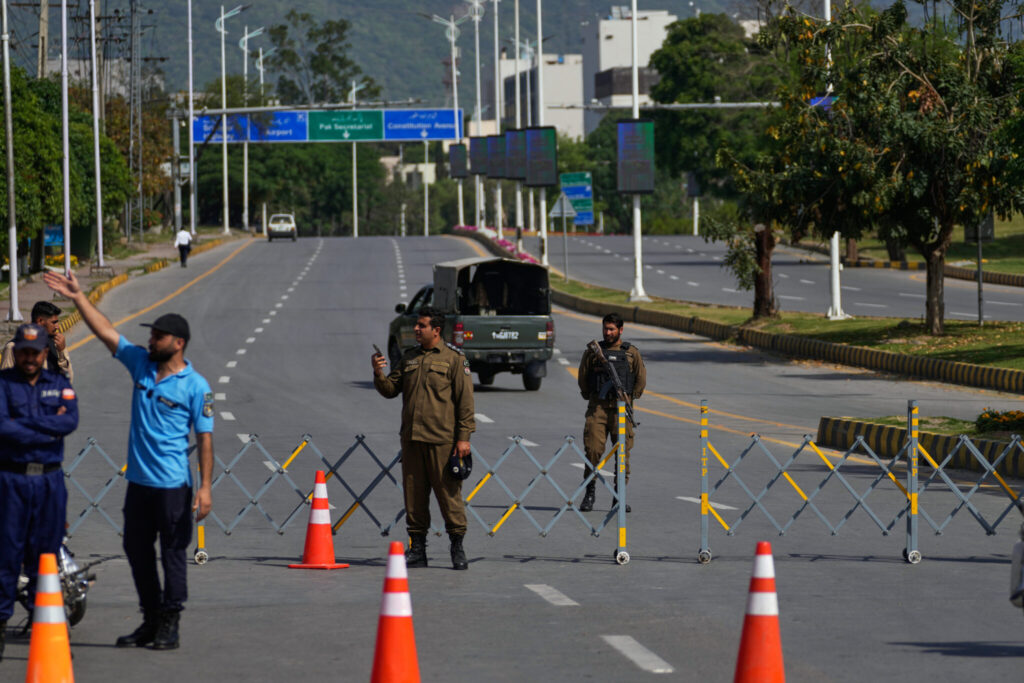
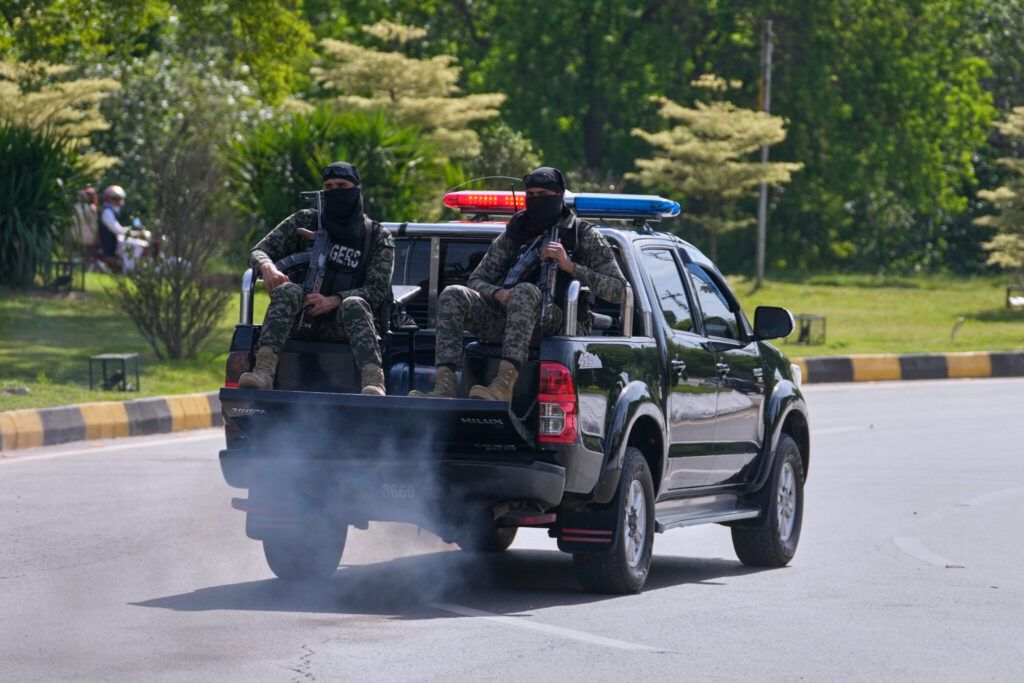
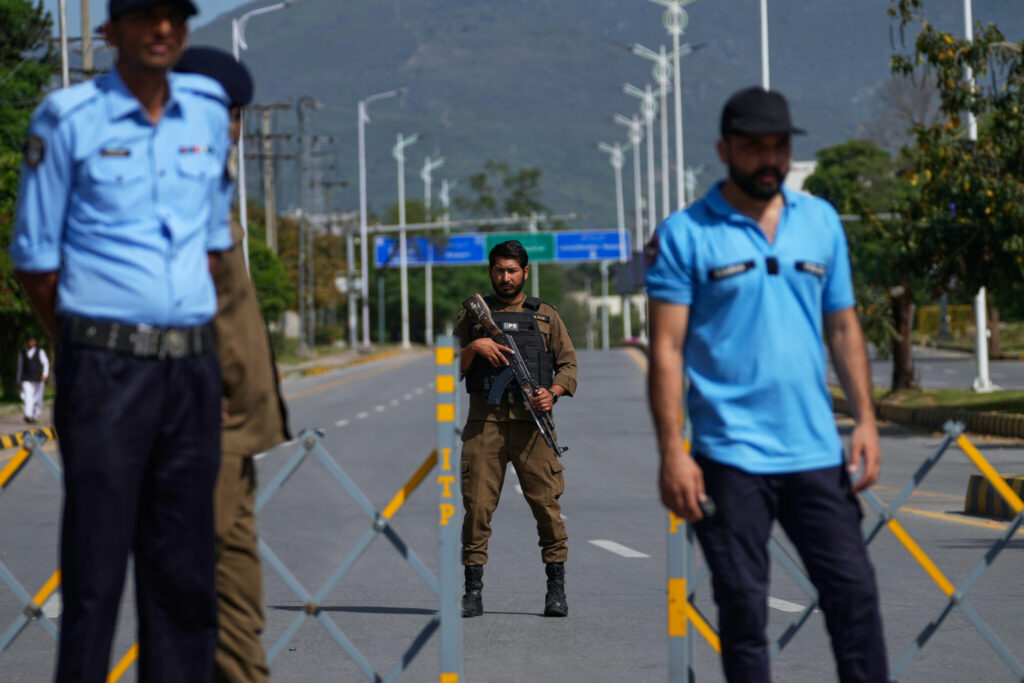
- Pakistan has increased security ahead of the negotiations
Deep Look
US and Iran Move Toward Critical Ceasefire Talks in Islamabad
The United States and Iran are preparing for another high-stakes round of ceasefire talks in Pakistan as the deadline for their fragile truce rapidly approaches.
Regional officials said Tuesday that top negotiators are expected to arrive in Islamabad early Wednesday, with Vice President JD Vance leading the American delegation and Iran’s parliament speaker Mohammad Bagher Qalibaf expected to represent Tehran.
The talks could determine whether the two-week ceasefire that began on April 8 survives—or whether the region returns to open warfare.
Neither Washington nor Tehran has publicly confirmed final travel details.
Iranian state television even denied that any Iranian delegation had yet arrived in Pakistan’s capital, reflecting internal divisions inside Tehran over how to proceed.
Still, Pakistani mediators say preparations are moving forward and security has been significantly tightened across Islamabad ahead of the expected meetings.
Trump Signals Little Interest in Another Extension
President Donald Trump has made clear that time is running out.
He warned that if no agreement is reached before the ceasefire deadline, “lots of bombs” will “start going off.”
While a temporary extension remains possible, Trump said Tuesday in an interview with CNBC that he does not support that option.
“Well, I don’t want to do that.”
“We don’t have that much time,” Trump said, adding that Iran “had a choice” and “they have to negotiate.”
His comments reinforce the White House position that diplomacy must produce immediate results or military escalation could resume quickly.
White House officials confirmed Vance would lead the U.S. side, signaling how seriously the administration views the negotiations.
The talks represent the highest-level U.S.-Iran engagement since the 1979 Islamic Revolution.
Iran Says It Will Not Negotiate Under Threats
Iran remains equally firm in its public messaging.
Qalibaf accused Washington of trying to force Tehran into surrender and warned that Iran would not accept diplomacy under military pressure.
“We do not accept negotiations under the shadow of threats,” he wrote in a post on X.
Iran’s chief negotiator also warned that Tehran has “new cards on the battlefield” that have not yet been revealed.
Those comments reflect ongoing debate within Iran’s political and military leadership, especially after recent U.S. naval actions in the region.
Iranian state TV’s public denial of delegation arrivals may also show disagreement among hard-line factions over whether talks should proceed at all.
The U.S. Navy’s seizure of Iranian vessels over the weekend has further complicated those discussions.
US Seizes Sanctioned Tanker as Pressure Increases
On Tuesday, the Pentagon said U.S. forces boarded the oil tanker M/T Tifani, a vessel previously sanctioned for allegedly smuggling Iranian crude oil in Asia.
The boarding reportedly took place without incident in international waters somewhere in the Indian Ocean between Sri Lanka and Indonesia.
The U.S. military stated that “international waters are not a refuge for sanctioned vessels.”
This followed Sunday’s seizure of an Iranian cargo ship, the first direct interception under the current blockade of Iranian ports.
Iran’s joint military command called the operation an act of piracy and a direct violation of the ceasefire.
The maritime standoff has become one of the biggest obstacles to diplomacy.
Strait of Hormuz Remains the Core Dispute
At the center of the negotiations is the Strait of Hormuz, one of the world’s most important energy chokepoints.
Roughly 20% of global crude oil and natural gas moves through the narrow waterway during normal conditions.
The U.S. blockade was imposed to pressure Iran into ending what Washington calls Tehran’s stranglehold over the route.
Before the war began, the strait was fully open to international shipping.
Now, disruptions and threats to vessel movement have pushed oil prices sharply higher.
Brent crude was trading near $95 per barrel Tuesday, more than 30% higher than before the war started on February 28.
Trump has demanded that ships be allowed to pass freely again.
The issue remains tied to broader disputes over Iran’s nuclear enrichment program and its regional proxy networks.
Global Economic Pressure Expands
The Hormuz crisis is no longer just a regional military issue—it is now a major global economic problem.
Trump confirmed the U.S. is considering a currency support arrangement with the United Arab Emirates to help stabilize trade and dollar access as the Gulf economy faces disruption.
Under the possible plan, the UAE could use its currency, the dirham, as collateral to access U.S. dollars.
Meanwhile, European Union transportation ministers met in Brussels Tuesday after the head of the International Energy Agency warned Europe may have only six weeks of jet fuel supplies remaining.
These pressures are increasing urgency for a diplomatic breakthrough.
China has also remained closely involved, with Pakistan’s foreign minister meeting both U.S. and Chinese diplomats ahead of the talks.
Pakistan Pushes for Ceasefire Extension
Pakistan is playing a central role as mediator and remains hopeful that diplomacy can prevent renewed fighting.
Foreign Minister Ishaq Dar met Tuesday with the acting U.S. ambassador in Islamabad and urged support for a ceasefire extension.
He also met with China’s ambassador, reflecting Beijing’s importance as both a regional power and a major trading partner of Iran.
Thousands of security personnel have been deployed across Islamabad, and patrols around the airport and diplomatic areas have increased significantly.
Officials want to avoid any disruption as negotiations begin.
The first round of talks held April 11 and 12 ended without an agreement.
This second round may be the final realistic opportunity to prevent the conflict from escalating again.
Israel-Lebanon Talks Continue Alongside Iran Diplomacy
At the same time, parallel diplomacy continues elsewhere in the region.
Israel and Lebanon are preparing for a second round of direct talks in Washington on Thursday after their first ambassador-level meeting last week—the first direct diplomatic engagement between the two countries in decades.
Israel says the goal is to disarm Hezbollah and eventually move toward a peace agreement.
A separate 10-day ceasefire began Friday in Lebanon following deadly clashes between Israel and Iranian-backed Hezbollah forces.
Since the broader war began, at least 3,375 people have been killed in Iran, 23 in Israel, and more than a dozen in Gulf Arab states.
The stakes for diplomacy remain enormous.