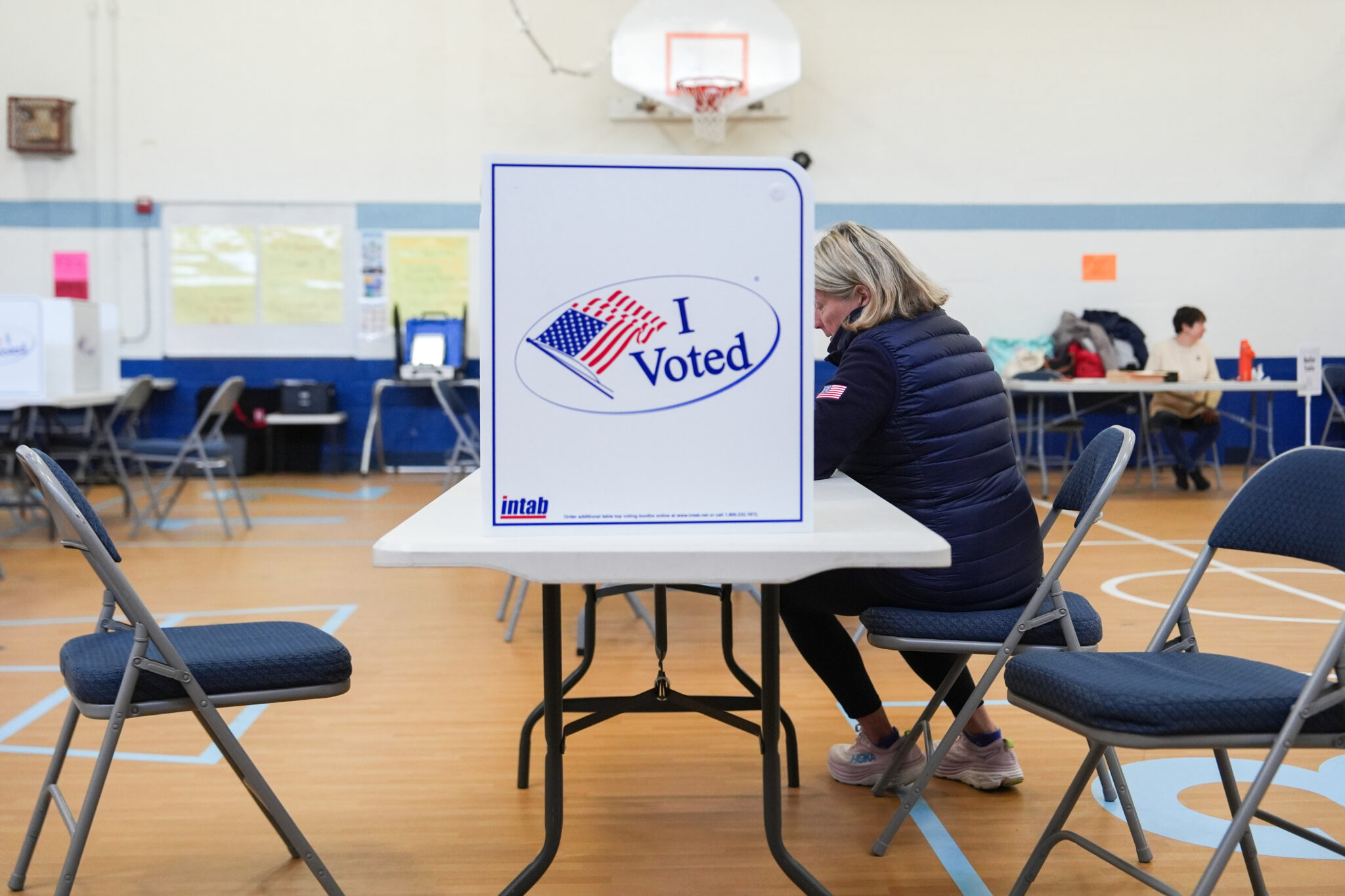
Virginia Voters Decide Key Redistricting Battle for Congress/ Newslooks/ WASHINGTON/ J. Mansour/ Morning Edition/ Virginia voters are deciding whether to approve a mid-decade congressional redistricting plan that could significantly boost Democratic chances of winning more U.S. House seats. The proposal would bypass the state’s bipartisan redistricting commission and allow lawmakers to use new district maps in this year’s midterm elections. The vote has become a major national political battle as both parties fight for control of the closely divided House.
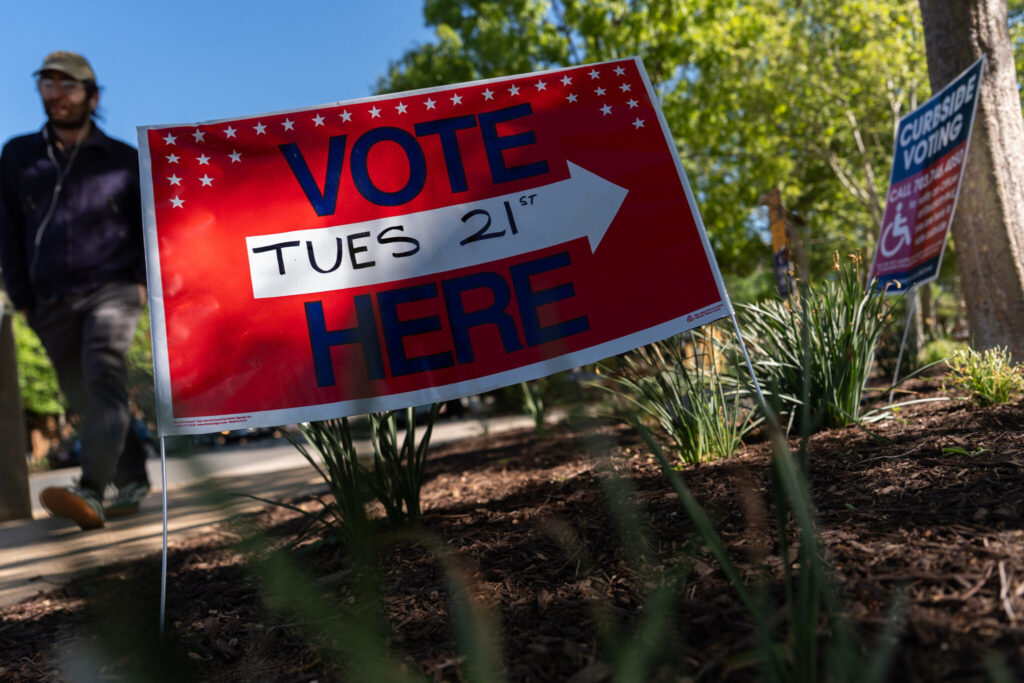
Virginia Voters Decide Key Redistricting Battle for Congress Quick Looks
- Virginia voters are deciding on a major redistricting referendum
- Democrats support the amendment to reshape U.S. House districts
- Republicans oppose the move and call it unfair gerrymandering
- President Donald Trump urged Virginians to vote “no”
- House Minority Leader Hakeem Jeffries backed the proposal
- The plan could help Democrats win up to 10 of Virginia’s 11 House seats
- The Virginia Supreme Court is also reviewing the legality of the map
- The vote could affect control of Congress in the 2026 midterms
Deep Look
Virginia Becomes Center of National Redistricting Fight
Virginia voters are deciding Tuesday whether to approve a major mid-decade redrawing of congressional districts that could reshape the balance of power in Washington.
The proposed constitutional amendment would allow new U.S. House district maps created by state lawmakers to be used in this year’s midterm elections, bypassing Virginia’s bipartisan redistricting commission.
The referendum requires only a simple majority to pass, but its political impact could be enormous.
With control of the U.S. House narrowly divided, even a handful of seats could determine which party controls Congress after November.
The vote has turned Virginia into the latest battleground in a growing national redistricting war between Democrats and Republicans.
Democrats Respond to Trump-Led Redistricting Push
Trump helped launch the current national gerrymandering fight after urging Texas Republicans last year to redraw congressional districts ahead of the 2026 midterms.
Republicans believe they could gain up to nine House seats through new maps in Texas, Missouri, North Carolina, and Ohio.
Democrats have already made gains in California after voters approved a similar mid-decade redistricting effort last fall, and they see Virginia as another major opportunity.
They also point to a newly court-imposed district in Utah that may help them win an additional seat.
Virginia Democrats believe success here could help offset Republican gains elsewhere and strengthen their path to flipping House control.
Voters Split Over Fairness and Political Strategy
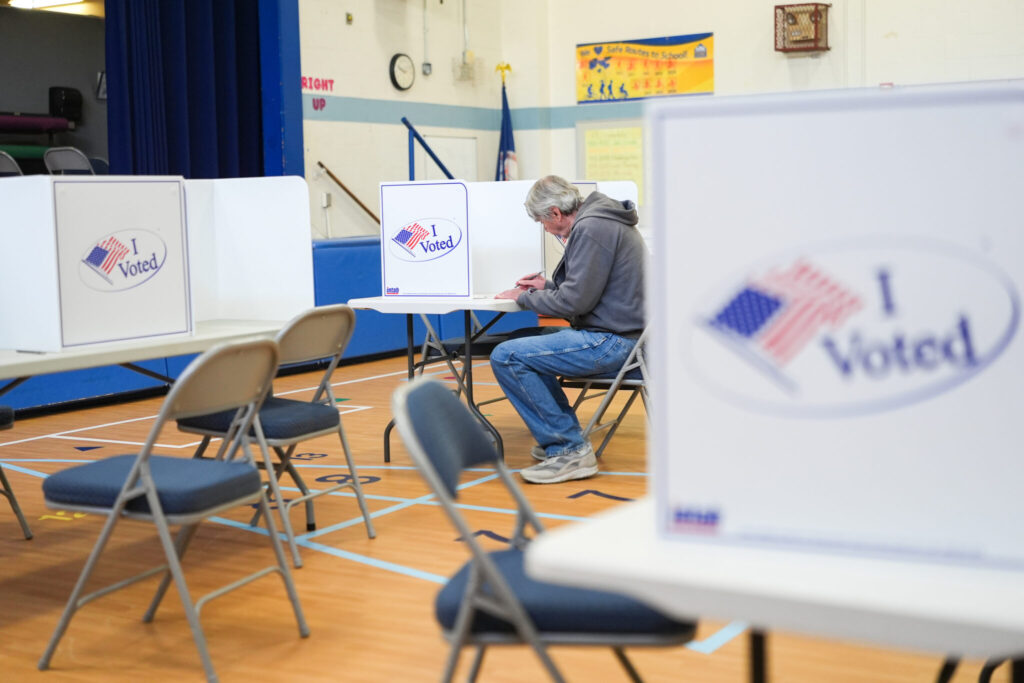
At polling places across Virginia, many voters said the issue came down to fairness—but with very different definitions of what fairness means.
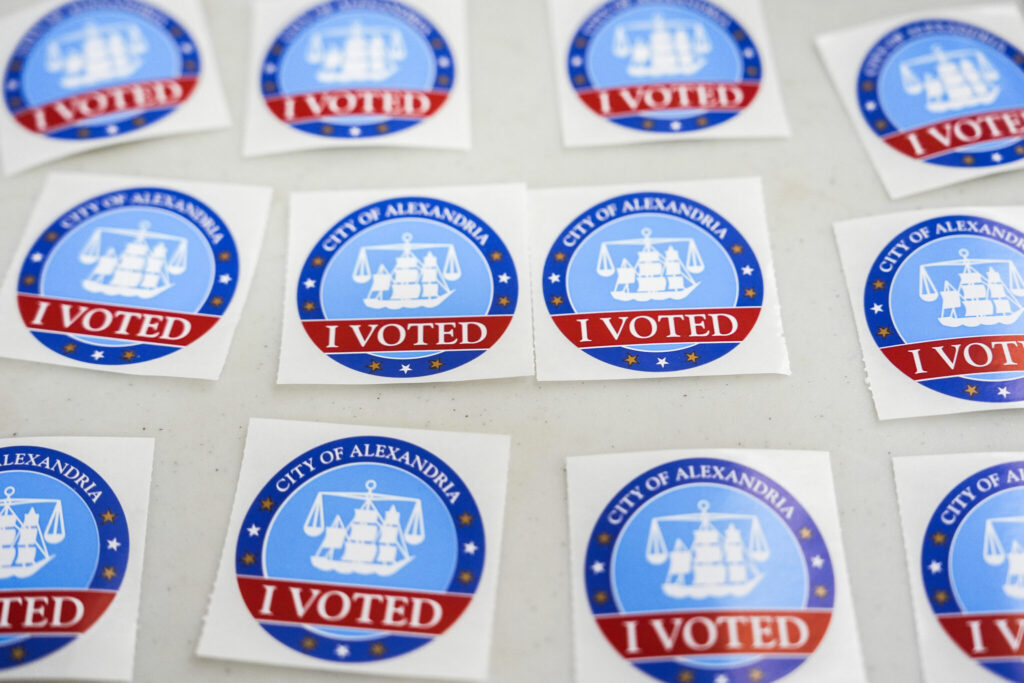
Matt Wallace, a 31-year-old voter in Alexandria, said he supported the Democratic-backed amendment despite concerns about mid-decade redistricting.
“I think the redistricting issue across the country is unfortunate, that we’ve had to resort to temporary redistricting in order to sort of alter our elections across the country,” he said.
Wallace added that he voted yes “to help balance the scales a bit until things get back to normal.”
Katie Reusch, 35, said the amendment was necessary after Republicans redrew congressional maps in Texas.
“You can’t just say we’re in power so we’re changing things so we stay in power,” she said.
But Joanna Miller, 29, said she voted against the measure.
“Because I want my vote to count in a fair way,” she said.
“I want my vote and my representation to matter this fall.”
The debate reflects how redistricting remains both a legal issue and a deeply personal question for voters.
Trump and Party Leaders Push Hard for Votes
Leaders from both parties have poured money and political attention into Virginia.
Trump weighed in Tuesday morning on social media, urging voters to “vote ‘no’ to save your country!”
Former Virginia Gov. Glenn Youngkin joined opponents of the amendment Monday night, calling the plan “dishonest” and “brazenly deceptive.”
Democrats countered with strong national support.
House Minority Leader Hakeem Jeffries said approving the redraw “will serve as a check and balance on this out-of-control Trump administration.”
Democratic Gov. Abigail Spanberger also strongly defended the effort.
She described the new districts as “pushing back against what other states have done in trying to stack the deck for Donald Trump.”
Campaign spending reflects the stakes.
Supporters of the amendment raised more than $64 million—more than three times the roughly $20 million raised by opponents.
New District Map Could Dramatically Help Democrats
Virginia currently has 11 U.S. House seats, with Democrats holding six under maps imposed by the state Supreme Court in 2021.
The new plan could potentially allow Democrats to win as many as 10 seats.
Five districts would be anchored in heavily Democratic northern Virginia.
One of the most discussed districts has been described as lobster-shaped, stretching from Democratic suburban areas into more Republican rural territory.
Other revised districts around Richmond, southern Virginia, and Hampton Roads would weaken conservative voting blocs.
A western Virginia district would combine three Democratic-leaning college towns to help offset surrounding Republican voters.
Republicans argue the plan is a clear example of partisan gerrymandering.
Democrats say it is necessary political defense after similar moves by Republican-controlled states.
Legal Challenge Could Override the Public Vote
Even if voters approve the referendum, the fight may not be over.
The Virginia Supreme Court is currently reviewing whether lawmakers followed legal procedures when they created the amendment.
Virginia lawmakers approved the constitutional amendment last fall and again in January as part of the required two-step process for ballot measures.
They also passed a new congressional map in February that would take effect only if voters approve the amendment.
Republicans filed multiple legal challenges.
A Tazewell County judge, Judge Jack Hurley Jr., ruled that the redistricting effort was illegal for several reasons.
He said lawmakers failed to follow their own rules during a special legislative session and did not properly complete the required two-step approval process.
He also ruled the amendment was not published early enough before last year’s general election.
If the Virginia Supreme Court agrees, Tuesday’s vote could be rendered meaningless.
National Implications Extend Beyond Virginia
The Virginia referendum is about far more than state politics.
It has become a test of whether Democrats can successfully respond to Republican redistricting efforts nationwide and whether voters are willing to accept gerrymandering when it benefits their preferred party.
It also raises a deeper question.
Just six years ago, Virginia voters approved reforms designed to reduce partisan manipulation of district lines by shifting power away from lawmakers.
Now, many of those same voters are being asked to temporarily reverse that principle for short-term political advantage.
The answer could shape not only Virginia’s congressional map, but also the national fight for House control in one of the most politically important elections of 2026.