US Forces Seize Iran-Linked Oil Tanker Amid Ceasefire Tensions/ Newslooks/ WASHINGTON/ J. Mansour/ Morning Edition/ U.S. forces boarded the sanctioned oil tanker M/T Tifani in the Indian Ocean as part of Washington’s expanding maritime crackdown on Iran-linked vessels. The Pentagon said the ship was carrying Iranian oil and warned that “international waters are not a refuge” for sanctioned vessels. The action comes just before U.S.-Iran ceasefire talks and raises new questions about whether the maritime blockade violates the fragile truce.
US Boards Sanctioned Iranian Oil Tanker in Indian Ocean Quick Looks
- U.S. forces boarded the M/T Tifani in the Bay of Bengal
- The Pentagon says the tanker was carrying Iranian crude oil
- The vessel had previously been sanctioned for smuggling oil in Asia
- Officials called the operation a “right-of-visit maritime interdiction”
- The ship is the second Iran-linked vessel seized by the U.S. this week
- Iran called the action piracy and a ceasefire violation
- The U.S. says global enforcement will continue anywhere vessels operate
- Pakistan is trying to broker new ceasefire talks between Washington and Tehran
Deep Look
Pentagon Boards Iran-Linked Oil Tanker in Expanding Maritime Crackdown
The Pentagon confirmed Tuesday that U.S. forces boarded an oil tanker previously sanctioned for smuggling Iranian crude oil, marking the latest escalation in Washington’s widening maritime campaign against Tehran.
The vessel, known as the M/T Tifani, was intercepted in the Bay of Bengal between India and Southeast Asia.
According to a U.S. defense official, the ship was carrying Iranian oil when American forces conducted what the Pentagon described as a “right-of-visit maritime interdiction.”
The boarding happened “without incident,” officials said.
The military now has four days to decide what happens next, including whether the vessel will be towed to the United States or transferred to another country.
The operation signals that the U.S. is no longer limiting enforcement to the Persian Gulf and Strait of Hormuz but is actively pursuing Iran-linked shipping worldwide.
US Warns Sanctioned Ships Have No Safe Waters
The Pentagon used the operation to send a broader warning to vessels connected to Tehran.
Although the Tifani was flagged in Botswana, the Pentagon described it as “stateless” and said it would continue global enforcement efforts against any ship providing material support to Iran.
“As we have made clear, we will pursue global maritime enforcement efforts to disrupt illicit networks and interdict sanctioned vessels providing material support to Iran — anywhere they operate,” the Pentagon said.
“International waters are not a refuge for sanctioned vessels.”
That message reflects a much more aggressive U.S. maritime strategy as the conflict with Iran continues.
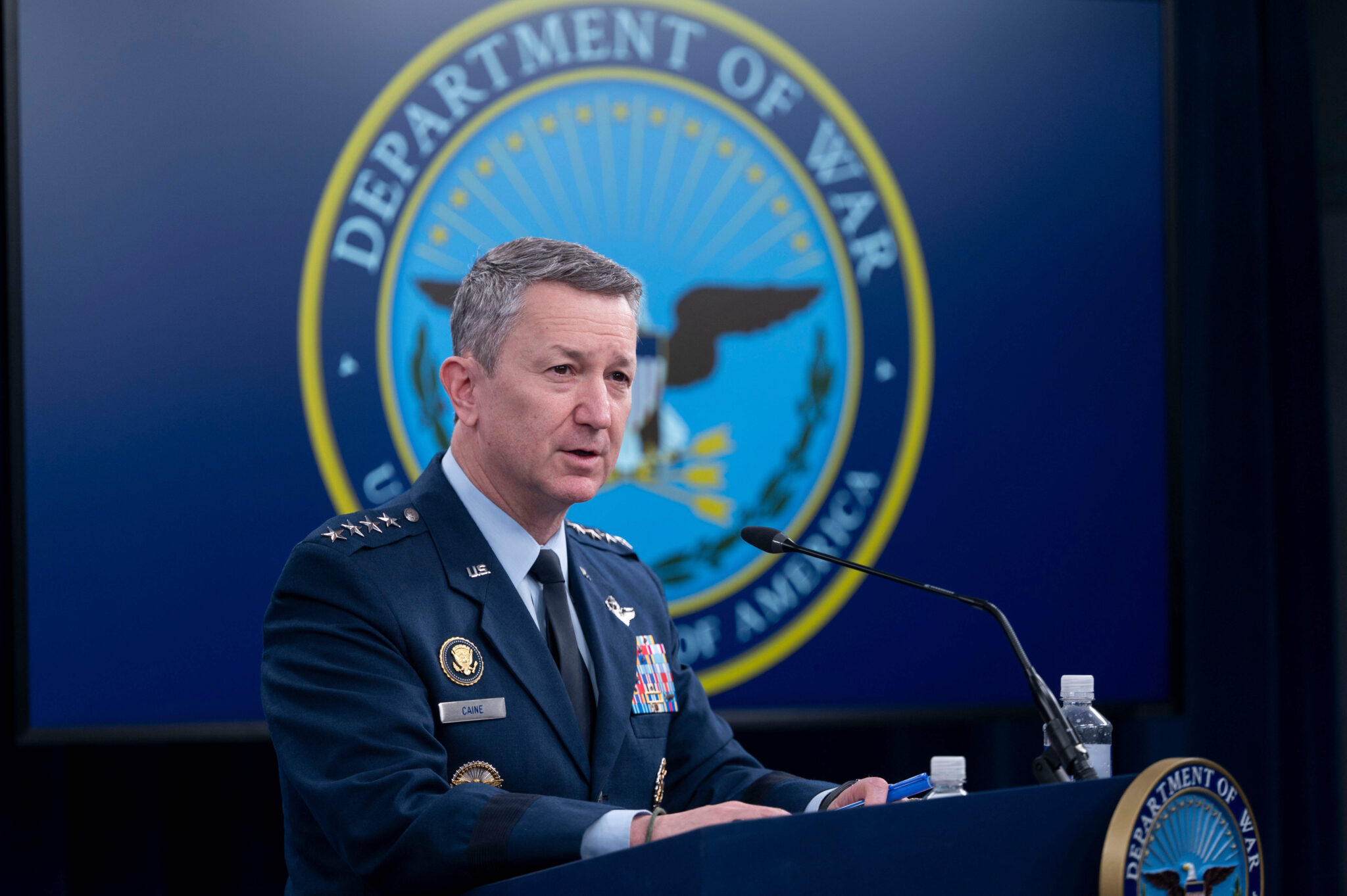
Gen. Dan Caine said last week that enforcement would extend far beyond Iranian waters and even beyond the normal operational area of U.S. Central Command.
He said U.S. forces in the Pacific and other regions would actively pursue any Iranian-flagged vessel or any ship attempting to support Iran’s government with oil, weapons, electronics, or industrial metals.
Second Iran-Linked Ship Seized This Week
The Tifani is now the second vessel tied to Iran intercepted by U.S. forces in recent days.
On Sunday, the U.S. Navy attacked and seized the Iranian-flagged cargo ship Touska after accusing it of trying to bypass the American blockade of Iranian ports.
President Donald Trump said a U.S. destroyer fired on the ship and blew a hole in its engine room.
That incident dramatically increased tensions because it involved direct military force rather than a standard boarding operation.
Together, the two vessel seizures show the United States is moving aggressively to enforce its blockade and prevent Tehran from using maritime trade to fund or support its military operations.
The actions come just as Pakistan is attempting to broker a new round of ceasefire talks between Washington and Tehran.
Iran Calls Seizures Piracy and Ceasefire Violations
Iran has strongly condemned the U.S. actions.
Its joint military command called the armed boarding an act of piracy and said the seizure violated the fragile two-week ceasefire between the two countries.
That ceasefire is already under pressure as both sides continue military posturing and harsh public rhetoric.
Legal experts say the dispute centers on one major unanswered question: whether the ceasefire suspended all use of force or only direct bombing operations.
Jason Chuah, a law professor at the City, University of London and the Maritime Institute of Malaysia, said both sides are interpreting the truce differently.
“The United States seems to take the line that the conflict never fully switched off,” Chuah said.
“By saying that, it can keep doing things like enforcing a blockade and even using limited force at sea.”
Iran, by contrast, appears to view the ceasefire as a pause on all hostile acts.
Maritime Law Leaves Room for Interpretation
Experts say international law does not provide a simple answer.
Blockades and even limited attacks on vessels can be legal during wartime if the ships are carrying contraband, supporting military operations, or serving enemy logistics.
The Pentagon recently expanded its definition of contraband, saying it may seize any goods “destined for an enemy” that could be used in armed conflict.
That includes not only weapons but also oil, electronics, and industrial metals.
Still, proving that a merchant ship like the Touska or Tifani directly contributes to military operations can be difficult.
“The whole dispute really turns on a deceptively simple question: Did the ceasefire actually suspend the right to use force?” Chuah said.
“If it did, then firing on vessels or seizing them is very hard to square with the United Nations Charter.”
The lack of a written ceasefire agreement makes that debate even more complicated.
Experts Split on Whether the Ceasefire Was Broken
Some defense analysts argue the U.S. actions remain within the rules of the truce.
Mark Cancian, a retired Marine colonel and senior adviser at the Center for Strategic and International Studies, said the ceasefire terms were never formally written down.
“Trump announced it. The Iranians agreed. But there’s no formal agreement,” Cancian said.
“So whether it broke the ceasefire or not depends on your perspective.”
Michael O’Hanlon of the Brookings Institution argued the ceasefire only applied to bombing operations.
“We agreed to stop dropping bombs on them, and that’s the basic thing they wanted,” O’Hanlon said.
He added that maintaining the blockade was necessary if it was meant to have real strategic value.
That interpretation may shape how future negotiations proceed.
Ceasefire Talks Now Face Even Greater Pressure
The seizure of the Tifani adds new urgency to the upcoming ceasefire talks expected in Pakistan.
With both sides accusing each other of violations and the Strait of Hormuz still under heavy pressure, negotiators now face an even narrower path toward de-escalation.
Oil markets, global shipping routes, and military stability across the Middle East all remain tied to whether diplomacy can survive.
For now, the United States is signaling that sanctions enforcement will continue globally, while Iran is warning that every maritime seizure pushes the two sides closer to renewed confrontation.
The next few days may determine whether the region moves toward peace—or deeper conflict.