Trump Cancels Witkoff, Kushner’s Pakistan Trip for Iran Talks: ‘We Have All The Cards’/ Newslooks/ WASHINGTON/ J. Mansour/ Morning Edition/ President Donald Trump canceled Steve Witkoff and Jared Kushner’s planned trip to Pakistan for renewed Iran negotiations, saying the U.S. holds “all the cards.” Iranian Foreign Minister Abbas Araghchi had already left Islamabad after meeting Pakistani leaders and outlining Tehran’s red lines for future talks. With the Strait of Hormuz crisis still disrupting global trade, ceasefire diplomacy between Washington and Tehran remains uncertain.
Trump Iran Talks Quick Looks
- Trump canceled Witkoff and Kushner’s Pakistan trip
- He said the U.S. does not need to make an “18-hour flight”
- Trump added, “They can call us anytime they want”
- Abbas Araghchi left Islamabad before any U.S. meeting happened
- Iran insisted any talks would only be indirect
- Pakistan continues trying to mediate between both sides
- Strait of Hormuz disruptions are still impacting oil markets
Deep Look
Trump Pulls US Envoys From Pakistan Talks
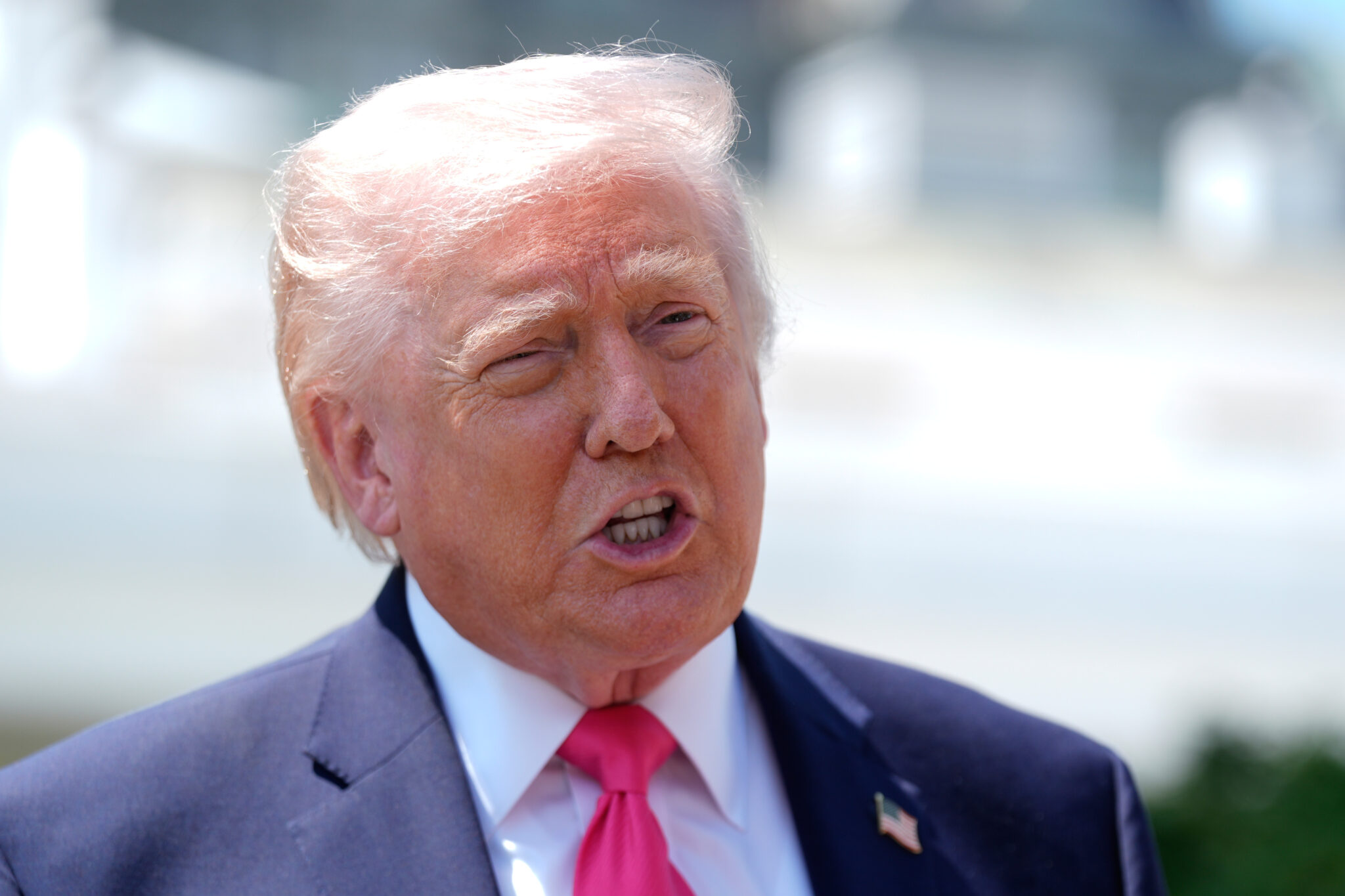
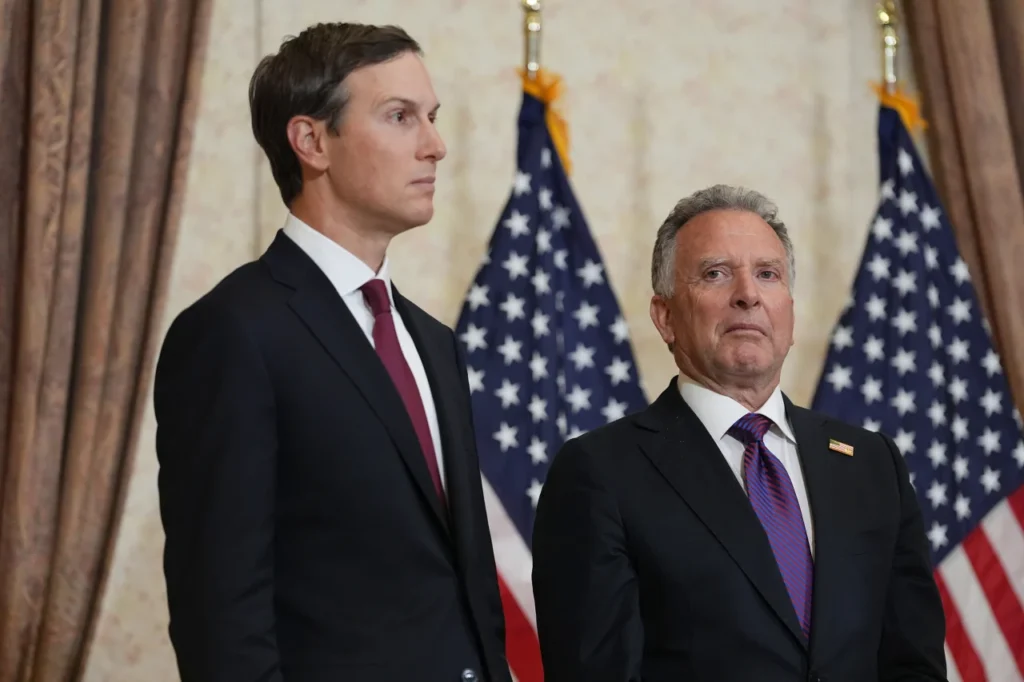
President Donald Trump said Saturday that he personally canceled the planned trip of special envoy Steve Witkoff and Jared Kushner to Pakistan for another round of negotiations with Iran, signaling a tougher U.S. position in the fragile ceasefire process.
Speaking to Fox News, Trump said the United States would no longer send its top negotiators for what he described as unnecessary travel when Washington already holds the advantage.
“I’ve told my people a little while ago they were getting ready to leave, and I said, ‘Nope, you’re not making an 18 hour flight to go there. We have all the cards. They can call us anytime they want, but you’re not going to be making any more 18 hour flights to sit around talking about nothing,’” Trump said.
His comments marked a sudden reversal after the White House had announced just one day earlier that Witkoff and Kushner would head to Islamabad for talks aimed at reviving diplomacy with Tehran.
Araghchi Leaves Islamabad Before US Arrival
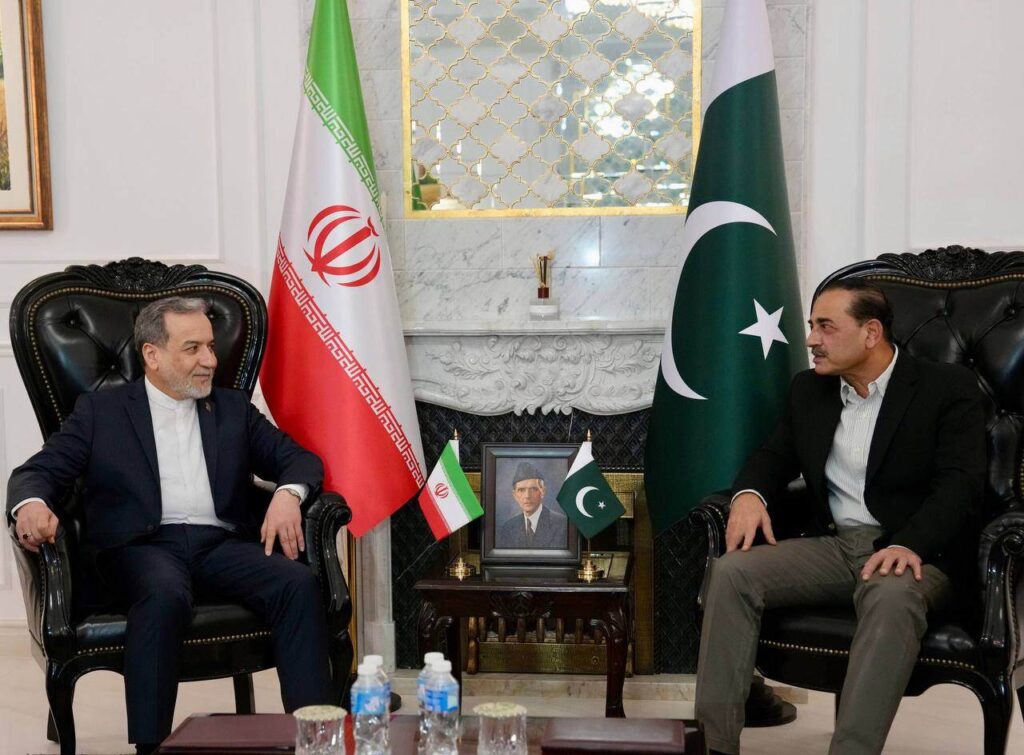
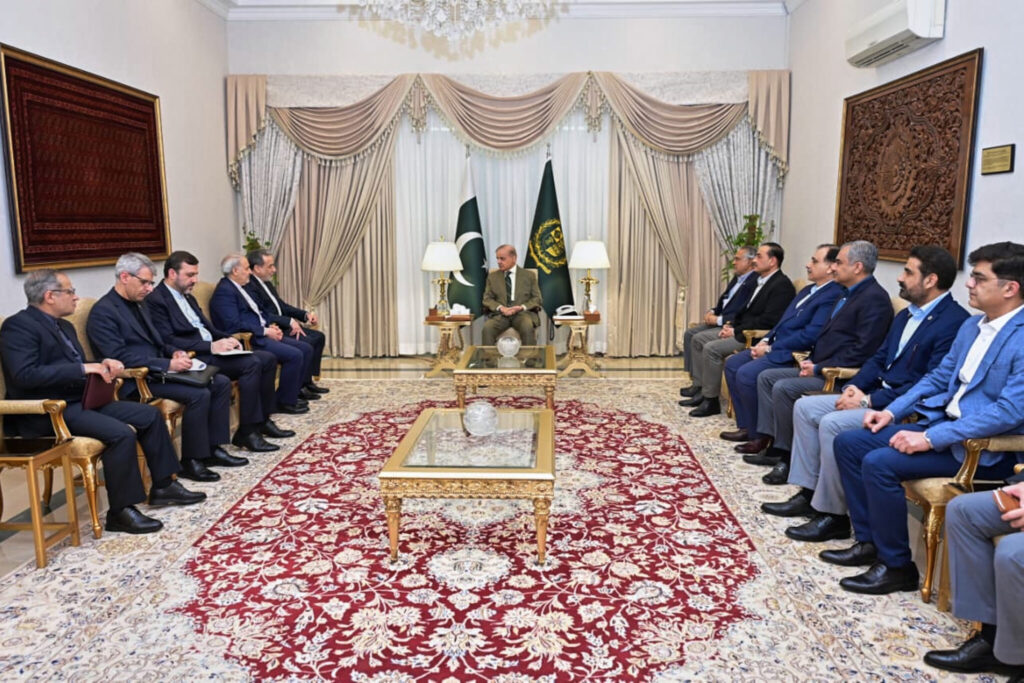
Two Pakistani officials confirmed that Araghchi departed Islamabad after meetings with Prime Minister Shehbaz Sharif and Army Chief Field Marshal Asim Munir.
He had traveled to Pakistan to discuss what he called Iran’s “red lines” for future negotiations and to continue Tehran’s engagement with Pakistan’s mediation efforts.
Before leaving, Araghchi said Iran would work with Pakistani intermediaries “until a result is achieved.”
However, there was no sign that Witkoff or Kushner had arrived before his departure.
That meant the highly anticipated second round of diplomacy never materialized.
Iran Wanted Only Indirect Talks
Even before Trump canceled the trip, Tehran had made clear it would not participate in direct negotiations with American officials.
Iran’s foreign ministry said any discussions would be indirect, with Pakistani officials carrying messages between both sides rather than hosting face-to-face talks.
That stance reflected deep mistrust following earlier diplomacy over Iran’s nuclear program.
Iranian officials have repeatedly asked how they can trust the United States after talks last year and earlier this year ended with military strikes from both the U.S. and Israel.
Araghchi and Trump’s envoys had held indirect talks in Geneva on Feb. 27, but no agreement was reached.
The next day, the war began.
That sequence continues to shape Tehran’s negotiating position.
Pakistan Remains the Main Mediator
Pakistan has played a central role in trying to bring both countries back to the table.
Islamabad had placed the capital under near-lockdown ahead of the expected visit by U.S. envoys, hoping to host another breakthrough round of diplomacy.
Trump earlier extended the ceasefire indefinitely after Pakistan requested more time for diplomatic outreach.
The first round of talks held in Pakistan was led by Vice President JD Vance and lasted more than 20 hours.
Those negotiations were conducted face-to-face and marked the highest-level direct talks between the U.S. and Iran since the 1979 Islamic Revolution.
This time, however, the momentum quickly faded.
Trump’s cancellation suggests Washington is now putting the burden back on Tehran.
“We Have All the Cards”
Trump’s language reflected growing confidence inside the White House that pressure is working.
By saying “we have all the cards,” the president emphasized that the U.S. sees no urgency to make concessions.
His administration believes the combination of naval blockades, economic sanctions, and military dominance has left Iran in a weakened negotiating position.
White House press secretary Karoline Leavitt said Friday that the U.S. Navy is doing a “tremendous job” with its blockade in the Strait of Hormuz.
She added, “We are strangling their economy, and it’s getting weakened by the second.”
Defense Secretary Pete Hegseth also reinforced that message by warning Iran to choose diplomacy or face prolonged economic collapse.
Strait of Hormuz Remains the Pressure Point
Even with an open-ended ceasefire in place, the Strait of Hormuz remains the center of the crisis.
The narrow waterway handles about 20% of the world’s traded oil during normal peacetime operations.
Iran’s control over the route has pushed Brent crude prices nearly 50% higher since the war began.
Oil, liquefied natural gas, fertilizer, and other major shipments continue facing severe disruption.
Iran attacked three ships this week while the U.S. maintained its blockade of Iranian ports.
Trump also ordered the military to “shoot and kill” small boats suspected of placing mines in the water.
That aggressive posture remains a key part of Washington’s leverage.
Global Response Expands
International allies are also responding to the continuing crisis.
Germany’s Defense Minister Boris Pistorius announced Saturday that Berlin would send minesweeper ships to the Mediterranean.
Their purpose is to help clear Iranian naval mines from the Strait of Hormuz once hostilities officially end.
The shipping disruption has affected trade far beyond the Persian Gulf.
Officials say the squeeze has impacted maritime routes as far away as the Panama Canal, creating pressure on global supply chains and rising costs for consumers worldwide.
That economic fallout adds urgency to diplomatic efforts even as negotiations stall.
Iran Resumes Some Flights
In a small sign of stability, Iran resumed commercial flights from Tehran’s international airport for the first time since the war began two months ago.
Flights were scheduled for Istanbul, Muscat, and Medina, according to Iranian state television.
Iran had partially reopened its airspace earlier this month after the ceasefire first took hold.
The return of flights suggests some confidence that large-scale military escalation may be slowing.
Still, officials caution that diplomacy remains fragile and any breakdown could quickly reverse that progress.
Rising Death Toll Across the Region
The human cost of the war continues to grow despite the ceasefire.
Authorities say at least 3,375 people have been killed in Iran since the fighting began.
More than 2,490 people have died in Lebanon, where fighting between Israel and Hezbollah escalated shortly after the Iran war started.
Israel has reported 23 deaths, while more than a dozen fatalities have been recorded across Gulf Arab states.
Military losses include 15 Israeli soldiers in Lebanon, 13 U.S. service members in the region, and six U.N. peacekeepers in southern Lebanon.
These numbers continue to increase international pressure for a permanent diplomatic solution.
Uncertain Path Forward
Trump’s cancellation of the Pakistan trip does not end diplomacy, but it changes the tone significantly.
Instead of sending top envoys abroad, Washington is now signaling that Tehran must take the next step.
The president’s message was clear: if Iran wants a deal, it must come to the United States on American terms.
Pakistan remains willing to mediate, but without direct momentum from both sides, the process becomes far more uncertain.
For now, the ceasefire holds.
But with oil markets unstable, military pressure increasing, and trust almost nonexistent, the path to a lasting agreement remains as fragile as ever.