Iran Foreign Minister Leaves Pakistan Without Meeting Trump Envoys/ Newslooks/ WASHINGTON/ J. Mansour/ Morning Edition/ Iranian Foreign Minister Abbas Araghchi left Pakistan on Saturday without meeting U.S. envoys Steve Witkoff and Jared Kushner, despite expectations of indirect ceasefire talks. Pakistan has been trying to mediate renewed diplomacy between Washington and Tehran as the Strait of Hormuz crisis continues to disrupt global energy markets. Although an open-ended ceasefire remains in place, tensions stay high as Iran questions U.S. trustworthiness and the U.S. blockade of Iranian ports continues.
Iran Pakistan Talks Quick Looks
- Abbas Araghchi left Pakistan without meeting U.S. envoys
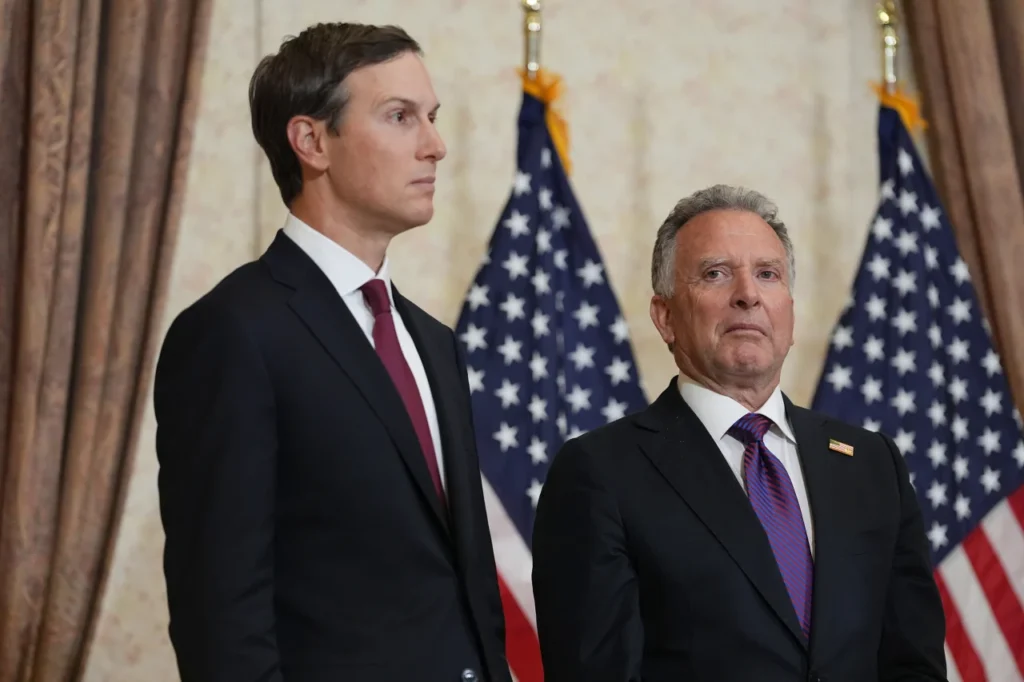
- Steve Witkoff and Jared Kushner were expected in Islamabad
- Iran said any talks with the U.S. would be indirect only
- Pakistan continues mediating between Tehran and Washington
- Strait of Hormuz disruptions keep oil prices elevated
- Trump ordered military action against suspected Iranian mine-laying boats
- Iran resumed some commercial flights from Tehran airport
Deep Look
Araghchi Leaves Islamabad Before US Envoys Arrive
ISLAMABAD — Iran’s Foreign Minister Abbas Araghchi left Pakistan on Saturday evening without meeting U.S. envoys Steve Witkoff and Jared Kushner, raising fresh uncertainty over fragile ceasefire diplomacy between Tehran and Washington.
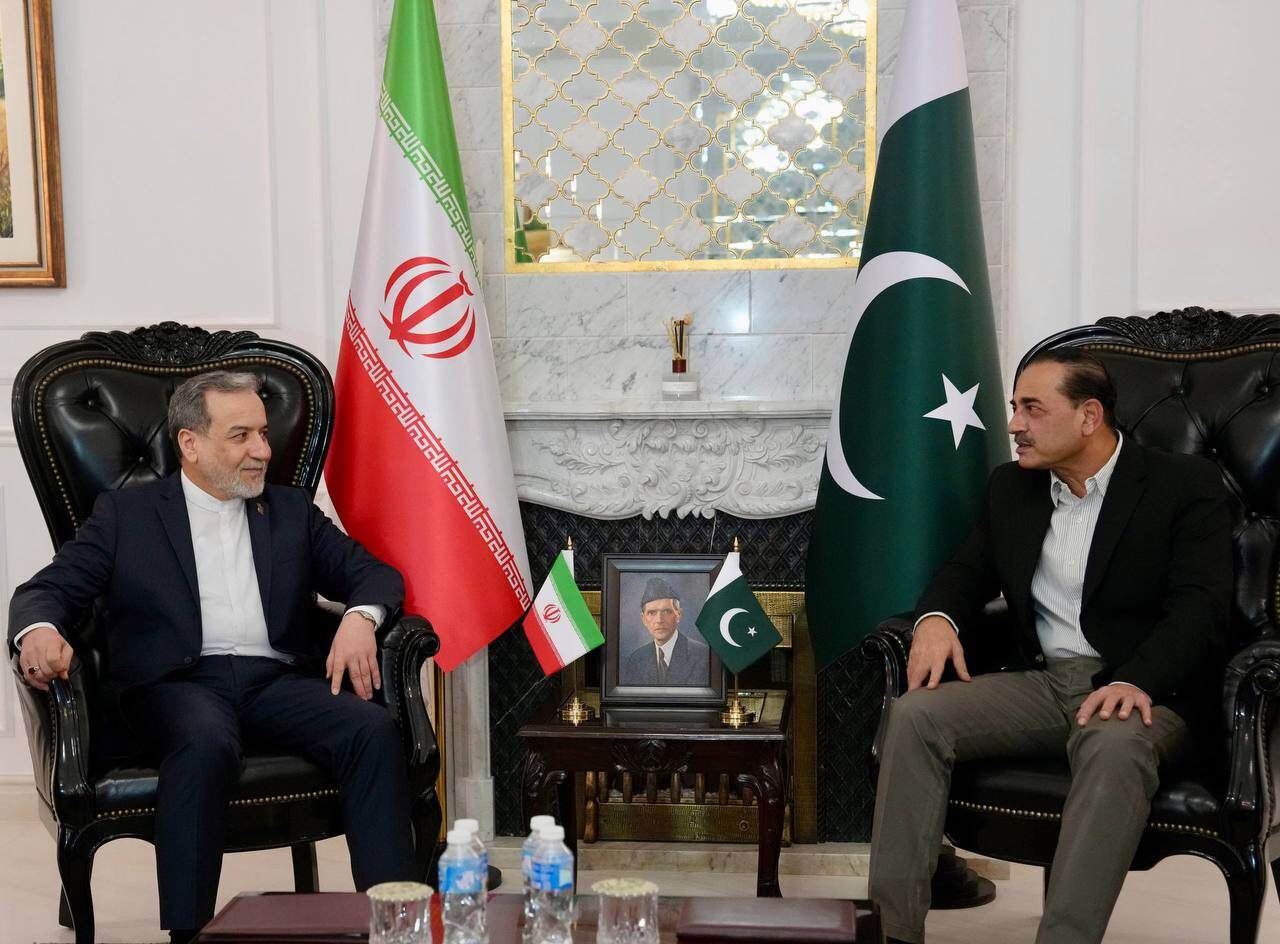
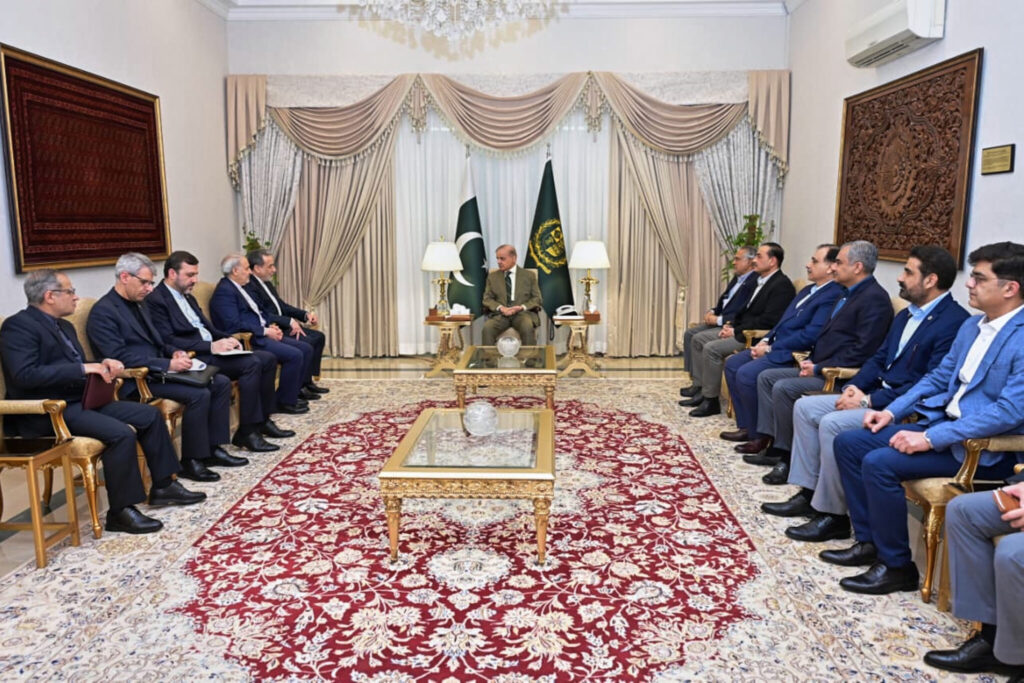
Two Pakistani officials confirmed to The Associated Press that Araghchi departed after meetings with Pakistan’s top civilian and military leadership, but before there was any sign the American delegation had arrived.
The officials, speaking anonymously because they were not authorized to brief the media, said Araghchi was seen off at the airport after talks with Prime Minister Shehbaz Sharif and Army Chief Field Marshal Asim Munir.
The White House declined to comment on when Witkoff and Kushner were expected to land in Islamabad.
That absence left questions over whether the highly anticipated diplomatic effort had stalled before it could begin.
Pakistan Continues as Key Mediator
Pakistan has become the main diplomatic bridge between the United States and Iran during the ongoing conflict.
Islamabad has been pushing both sides back toward negotiations after President Donald Trump extended the ceasefire indefinitely earlier this week.
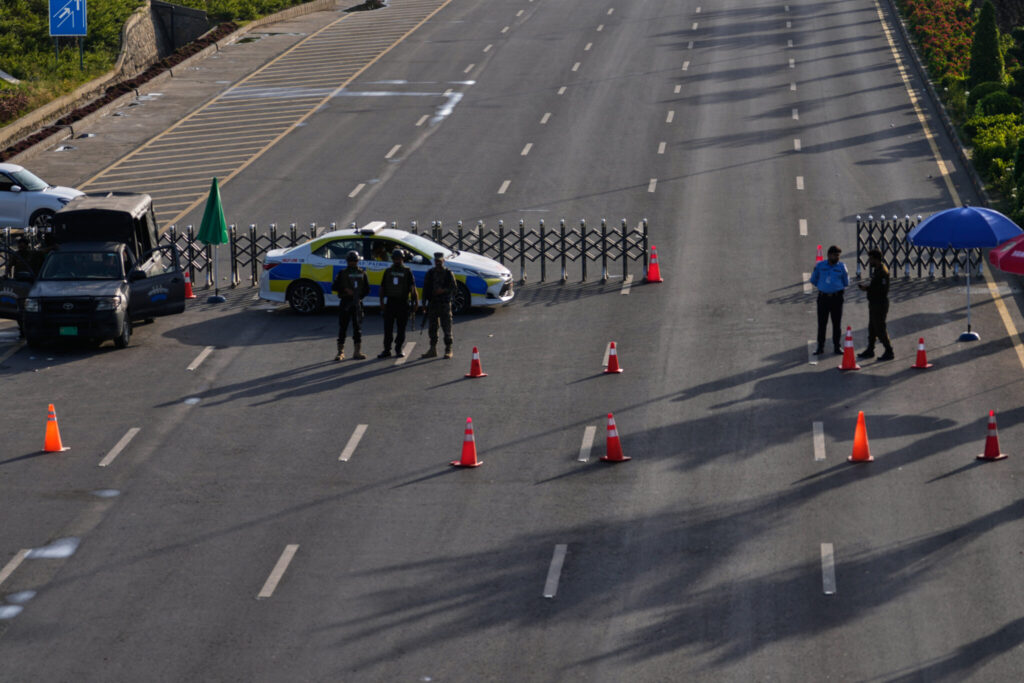
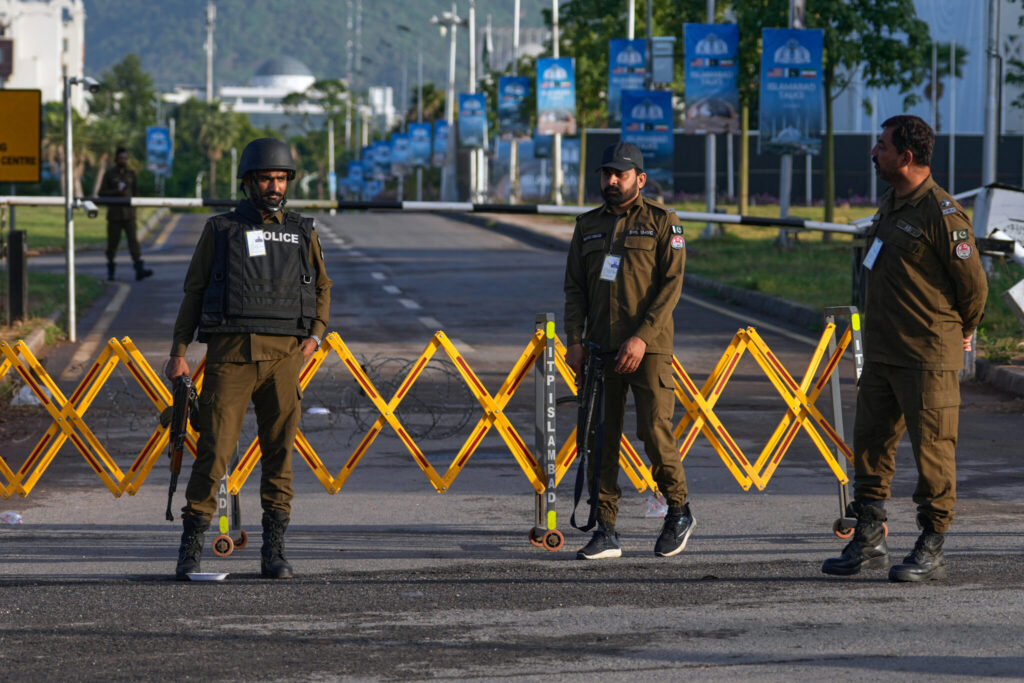
Pakistani officials had placed the capital under near-lockdown ahead of the expected talks, preparing for another major round of mediation involving both delegations.
The White House said Friday that Trump was sending Witkoff and Kushner to meet Araghchi.
But Iran’s foreign ministry made clear that any talks would not be direct.
Instead, Pakistani officials were expected to carry messages between both sides rather than host face-to-face negotiations.
That approach reflected Tehran’s continued distrust of Washington.
Iran Says Talks Must Remain Indirect
Iranian officials have openly questioned how they can trust the United States after earlier negotiations over Tehran’s nuclear program ended with military strikes.
Araghchi and Trump’s envoys had previously held hours of indirect discussions in Geneva on Feb. 27.
Those talks ended without a breakthrough.
The very next day, Israel and the United States launched military operations against Iran, triggering the war that has now stretched nearly two months.
That sequence continues to shape Tehran’s negotiating position.
Iranian leaders argue that diplomacy cannot be trusted if military action follows failed talks.
Before leaving Islamabad, Araghchi said Tehran would continue engaging with Pakistan’s mediation efforts “until a result is achieved.”
He also discussed what he described as Iran’s “red lines” for any future negotiations.
First Round of Talks Was Direct
The contrast with the first round of diplomacy is striking.
Earlier talks in Pakistan, led on the U.S. side by Vice President JD Vance, lasted more than 20 hours and were conducted face-to-face.
They marked the highest-level direct talks between the U.S. and Iran since the 1979 Islamic Revolution.
That round represented a rare diplomatic opening between two governments that have spent decades as adversaries.
Now, however, Tehran appears unwilling to repeat that format.
The shift to indirect communication shows how much trust has eroded since the war began.
Strait of Hormuz Crisis Still Driving Global Pressure
Even with the ceasefire holding, the economic crisis surrounding the Strait of Hormuz continues to intensify.
The narrow waterway handles about one-fifth of the world’s traded oil during normal peacetime operations.
Iran’s control over traffic through the strait has kept Brent crude prices nearly 50% higher than before the war began.
The U.S. has maintained a blockade of Iranian ports while Iran has attacked multiple commercial vessels this week.
Trump escalated tensions further by ordering the U.S. military to “shoot and kill” any small boats suspected of placing mines in the strait.
That military pressure remains central to Washington’s negotiating strategy.
Europe Prepares for Mine Removal Efforts
The international response is also expanding.
Germany’s Defense Minister Boris Pistorius said Saturday that Berlin is sending minesweeper ships to the Mediterranean.
Their mission will be to help remove Iranian naval mines from the Strait of Hormuz once hostilities formally end.
That reflects growing concern among U.S. allies that even a ceasefire may not immediately restore normal shipping operations.
The disruptions have affected trade routes far beyond the Middle East.
Officials say the squeeze on global shipping has even created ripple effects as far away as the Panama Canal.
Energy prices and transportation costs remain major concerns for governments worldwide.
Iran Reopens Some Commercial Flights
In a sign of cautious normalization, Iran resumed commercial flights from Tehran’s main international airport on Saturday for the first time since the war began.
Flights were scheduled to depart for Istanbul, Muscat in Oman, and Medina in Saudi Arabia, according to Iranian state television.
Iran had partially reopened its airspace earlier this month after the ceasefire first took hold.
The return of flights is seen as a small but important signal that daily life inside the country may slowly begin recovering.
Still, officials stress that the broader crisis is far from resolved.
Air travel may be restarting, but diplomacy remains fragile.
Human Cost Continues to Rise
Even as ceasefires hold, the war’s human toll continues to grow across the region.
Authorities say at least 3,375 people have been killed in Iran since the conflict began.
In Lebanon, where fighting between Israel and the Iran-backed Hezbollah erupted shortly after the Iran war started, more than 2,490 people have died.
Israel has reported 23 deaths, while more than a dozen people have been killed across Gulf Arab states.
Military losses also continue to mount.
These numbers continue to increase pressure on leaders to find a diplomatic solution.
Lebanon Ceasefire Also Extended
Trump announced Thursday that Israel and Lebanon agreed to extend their ceasefire with Hezbollah by another three weeks.
That agreement is being handled separately from the U.S.-Iran talks, and Hezbollah has not participated in the Washington-brokered diplomacy.
Still, the two conflicts remain closely linked.
Iran has repeatedly said ending the war in Lebanon is part of its broader conditions for regional peace.
That makes Pakistan’s mediation efforts even more important.
Without progress on multiple fronts, neither ceasefire may hold for long.
Fragile Diplomacy Faces Another Test
Araghchi leaving Pakistan without meeting the U.S. delegation does not necessarily mean diplomacy has collapsed.
But it does show how fragile the current process remains.
Every meeting, every delay, and every public statement carries enormous weight because trust between Washington and Tehran is so limited.
For now, the ceasefire survives.
But with oil markets unstable, military blockades ongoing, and indirect talks still uncertain, the window for a lasting agreement remains narrow.
Pakistan is still trying to keep that window open.
Whether both sides are ready to step through it remains unclear.