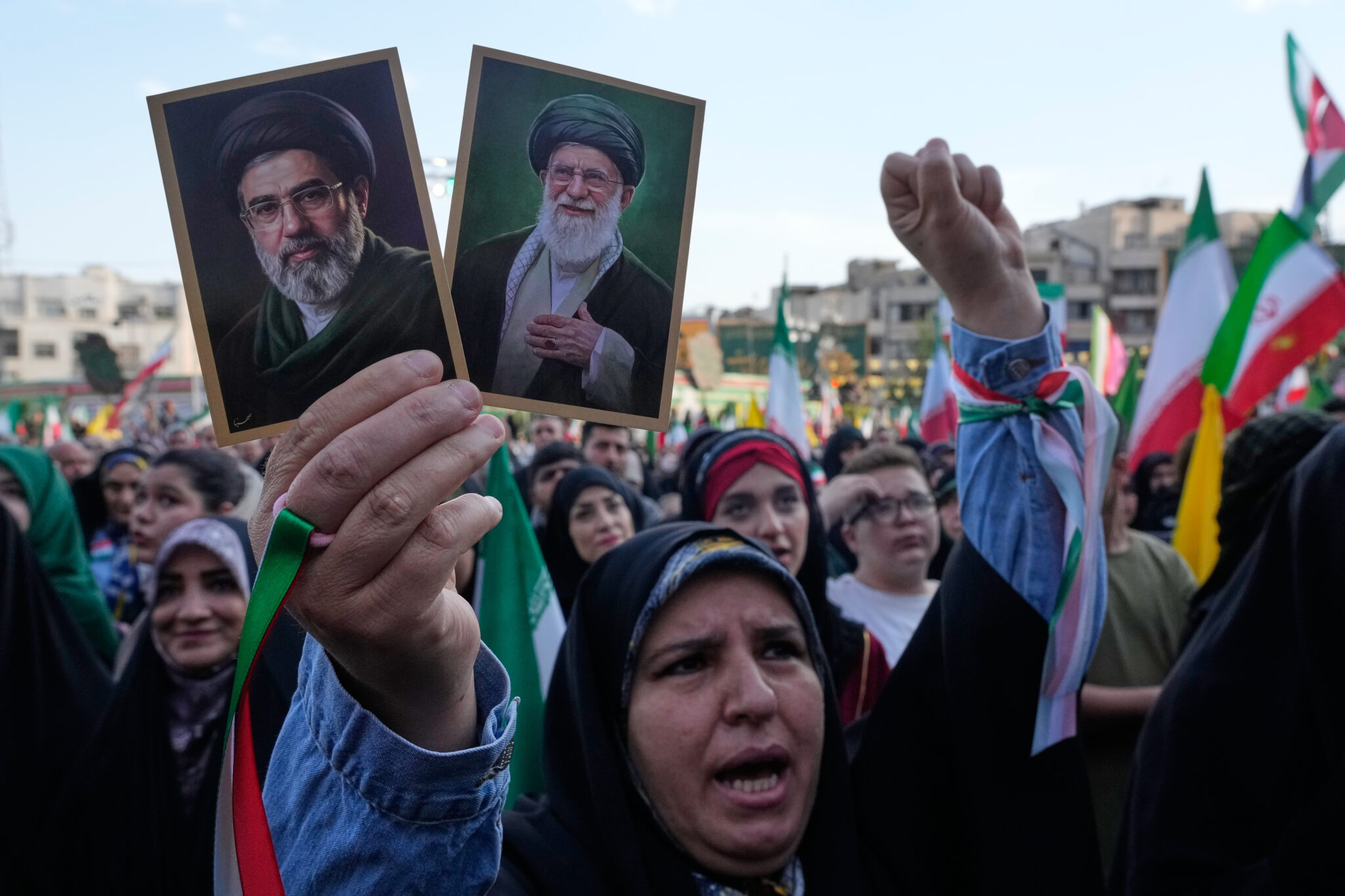
Iran’s Supreme Leader Vows to Protect Nuclear, Missile Capabilities/ Newslooks/ WASHINGTON/ J. Mansour/ Morning Edition/ Iran’s supreme leader vowed to defend the country’s nuclear and missile programs as tensions with the U.S. remain high. The statement comes as the Strait of Hormuz remains restricted, pushing global oil prices sharply higher. The ongoing standoff is straining the global economy and complicating efforts to stabilize the region.
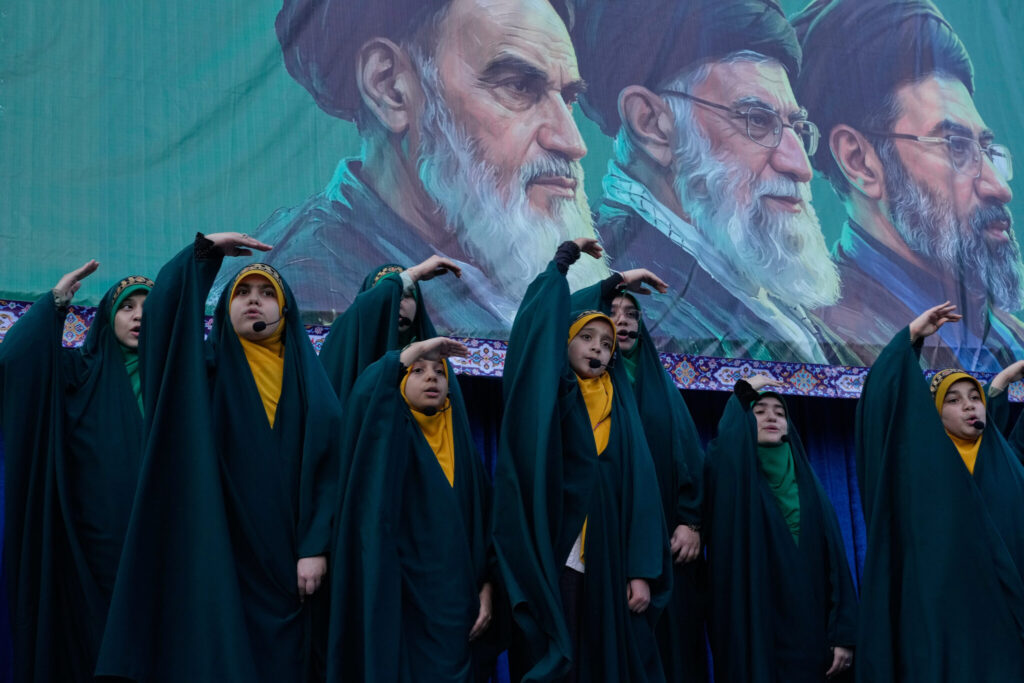
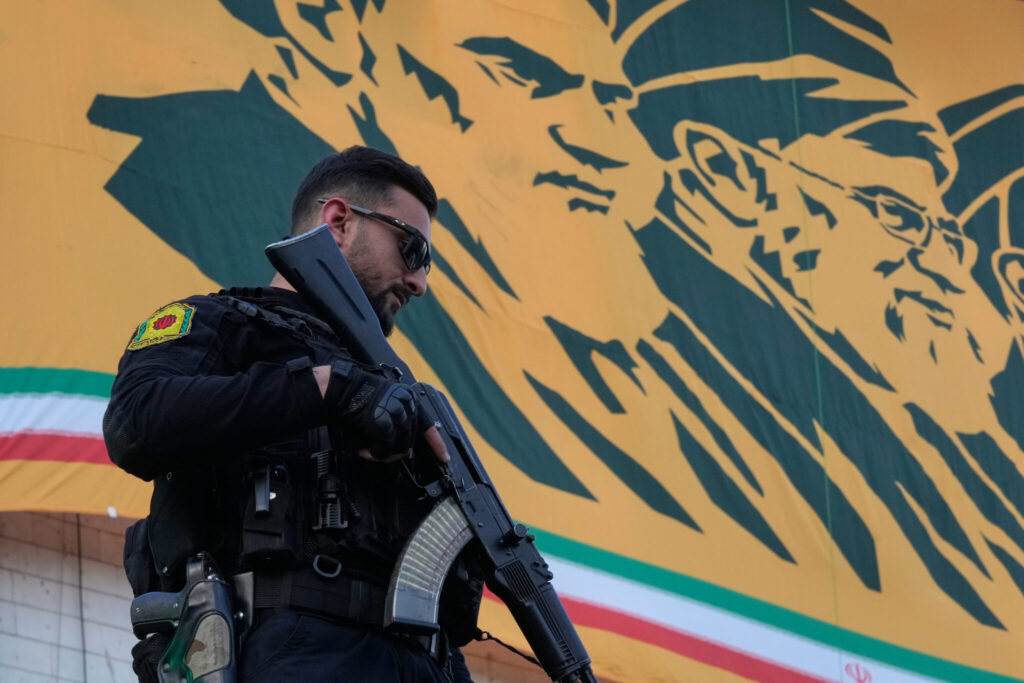
Iran Nuclear Missile Standoff Quick Looks
- Iran’s supreme leader pledged to protect nuclear and missile capabilities
- The remarks come during a fragile ceasefire with the United States
- Iran continues to restrict access through the Strait of Hormuz
- Oil prices surged, with Brent crude reaching as high as $126 per barrel
- The U.S. blockade is limiting Iran’s ability to export oil
- Trump is exploring plans to reopen the strait while maintaining pressure
- Pakistan is facilitating indirect talks between the two sides
- Iran signaled it will not negotiate away key military capabilities
Deep Look
Iran’s Leader Takes Hard Line on Nuclear Program
DUBAI, United Arab Emirates — Iran’s supreme leader issued a defiant message Thursday, declaring that the country will protect its nuclear and missile capabilities as core national assets amid rising tensions with the United States.
In a written statement read on state television, Ayatollah Mojtaba Khamenei made clear that Iran will not compromise on its strategic programs, even as Washington pushes for a broader agreement following a fragile ceasefire.
His remarks underscore Iran’s unwillingness to negotiate away key elements of its military and technological development.
Defiant Tone Amid Ongoing U.S. Pressure
Khamenei’s comments come as President Donald Trump continues to press Iran for concessions, particularly on its nuclear ambitions, which the U.S. has cited as a central reason for the conflict.
Iran has long maintained that its nuclear program is peaceful, though it has enriched uranium to levels close to weapons-grade, raising concerns among Western governments.
In his statement, Khamenei framed Iran’s capabilities as essential to national identity and sovereignty.
“Ninety million proud and honorable Iranians … regard all of Iran’s … nuclear and missile capabilities — as national assets, and will protect them,” he said.
He also used harsh rhetoric toward the United States, reiterating longstanding hostility between the two countries.
Strait of Hormuz Remains a Flashpoint
At the center of the standoff is the Strait of Hormuz, a critical global shipping route through which roughly one-fifth of the world’s oil supply passes.
Iran has maintained tight control over the waterway, severely disrupting global energy flows.
The United States has responded with a naval blockade targeting Iranian oil exports, aiming to cut off Tehran’s revenue stream.
The dual pressure has created a global energy shock, sending oil prices sharply higher and straining economies worldwide.
Brent crude prices surged as high as $126 per barrel, reflecting the growing risk to global supply chains.
Trump Weighs New Strategy
Facing mounting economic and political pressure, the Trump administration is considering new strategies to ease the crisis while maintaining leverage over Iran.
One proposal under review would allow the U.S. to keep its blockade on Iranian ports while working with allies to ensure the free flow of oil through the Strait of Hormuz.
Officials say the goal is to balance economic stability with continued pressure on Tehran.
However, achieving that balance remains difficult as long as Iran maintains control over the key waterway.
Ceasefire Holds but Tensions Persist
Although a ceasefire between the U.S. and Iran remains in place, the broader conflict is far from resolved.
Both sides remain locked in a tense standoff, with limited progress toward a long-term agreement.
Iran has proposed delaying negotiations over its nuclear program, while the U.S. continues to demand immediate concessions.
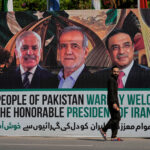
Pakistan has stepped in to facilitate indirect talks between the two countries and has encouraged direct communication to ease tensions.
“If the two parties can engage in real-time conversations, that could ease the sticking points,” a Pakistani official said.
Iran Signals Long-Term Control of the Strait
Khamenei’s remarks also suggested that Iran intends to maintain control over the Strait of Hormuz for the foreseeable future.
He described Iran’s management of the waterway as beneficial for regional security and said new rules governing its use would help neighboring countries.
However, many nations view the strait as an international waterway that should remain open without restrictions.
Gulf countries, including the United Arab Emirates, have strongly criticized Iran’s actions, comparing them to unlawful interference with global trade.
Reports indicate Iran has charged some ships millions of dollars for passage through the strait, further escalating tensions.
Global Impact and Uncertain Future
The ongoing standoff is having far-reaching consequences beyond the Middle East.
Rising oil prices are fueling inflation worldwide, increasing costs for consumers and businesses alike.
The situation has also made economic forecasting more difficult, as energy markets remain volatile and geopolitical risks continue to rise.
For now, Iran’s firm stance suggests that negotiations could remain stalled, prolonging uncertainty in global markets and keeping pressure on both governments.