Black Caucus Faces Setback After Supreme Court Voting Rights Ruling/ Newslooks/ WASHINGTON/ J. Mansour/ Morning Edition/ Black lawmakers warn a Supreme Court ruling weakening the Voting Rights Act could significantly reduce minority representation in Congress. The decision allows states to redraw districts without prioritizing racial considerations. Leaders say the ruling may trigger widespread redistricting battles and legal challenges nationwide.
Black Caucus Voting Rights Quick Looks
- Supreme Court ruling weakens protections for minority voting districts
- Congressional Black Caucus warns of major representation losses
- States can redraw maps without focusing on race
- More than a dozen minority-held seats could be affected
- Republicans may gain advantage through new district maps
- Democrats vow legal and political challenges
- Voting Rights Act historically boosted Black representation
- Increased voter turnout efforts expected ahead of elections
Deep Look
Supreme Court Ruling Sparks Alarm Among Black Lawmakers
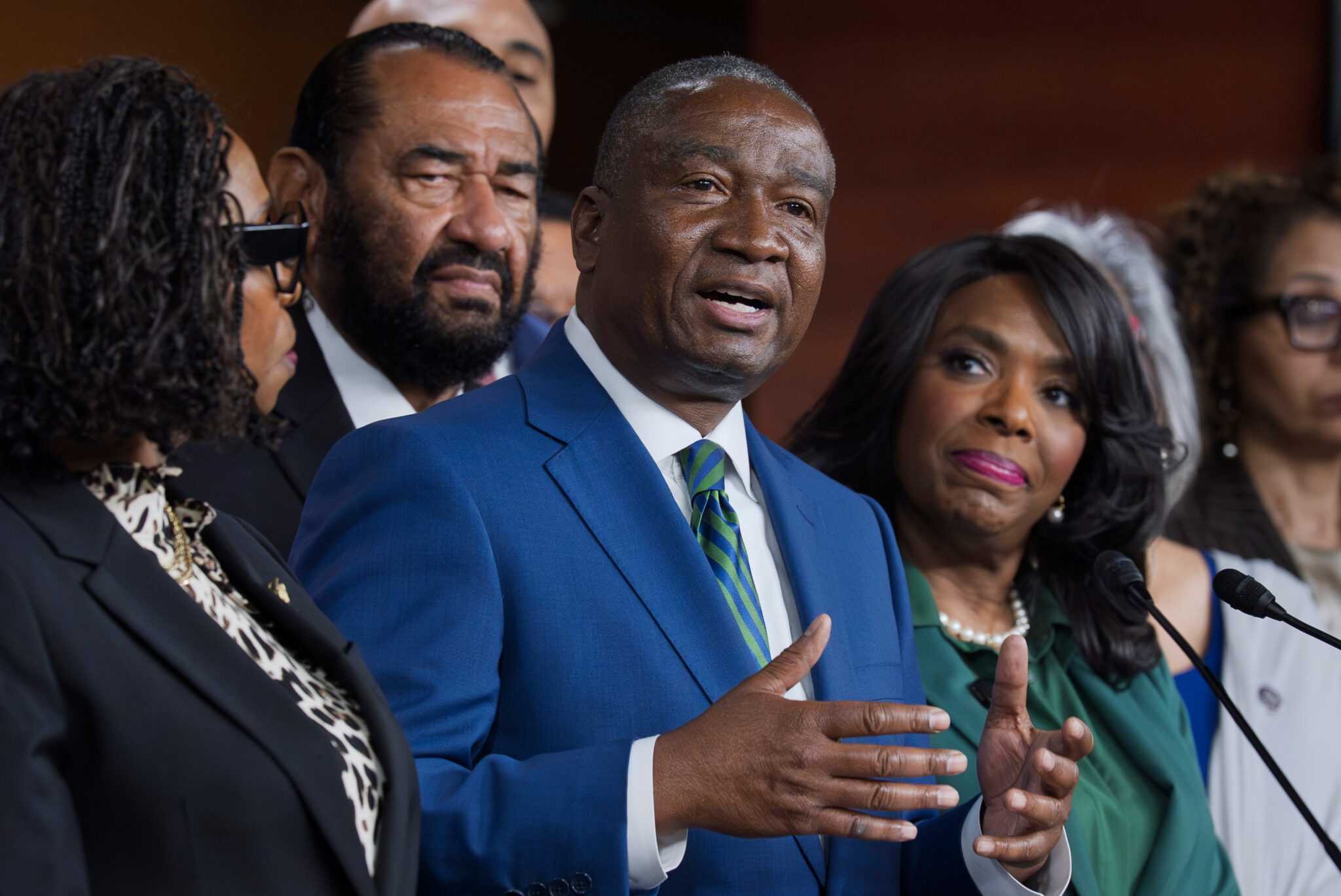
WASHINGTON — Black members of Congress are warning of major political consequences following a Supreme Court decision that weakened a key provision of the Voting Rights Act, potentially reshaping representation in the U.S. House.
The ruling limits the ability to challenge electoral maps based on racial discrimination, opening the door for states to redraw congressional districts without prioritizing minority representation.
Leaders of the Congressional Black Caucus say the decision could lead to a significant reduction in the number of Black lawmakers in Congress.
Black Caucus Calls Decision a “Power Grab”
Rep. Yvette Clarke, chair of the Congressional Black Caucus, strongly criticized the ruling, warning it could harm minority voters across the country.
“The Supreme Court has opened the door to a coordinated attack on Black voters across the country,” Clarke said. “This is an outright power grab.”
Other lawmakers echoed similar concerns, describing the decision as a major setback for civil rights and democratic representation.
Rep. Troy Carter called it “a devastating blow to our democracy, plain and simple.”
Redistricting Could Reshape Congress
Experts say the ruling could trigger widespread redistricting efforts, particularly in Republican-led states.
More than a dozen congressional districts currently represented by minority lawmakers could be affected, potentially shifting the balance of power in Congress.
States are expected to move quickly to redraw maps, with some already signaling plans to create more Republican-leaning districts.
The changes may not happen immediately but could significantly impact future elections, especially beyond 2026.
Voting Rights Act’s Legacy at Risk
The Voting Rights Act of 1965 played a central role in expanding minority representation in Congress.
Following its passage, the number of Black representatives increased, eventually leading to the creation of the Congressional Black Caucus in 1971.
The group has long been considered a powerful voice on civil rights issues and has been referred to as the “conscience of Congress.”
Lawmakers now fear that the latest ruling could undo decades of progress.
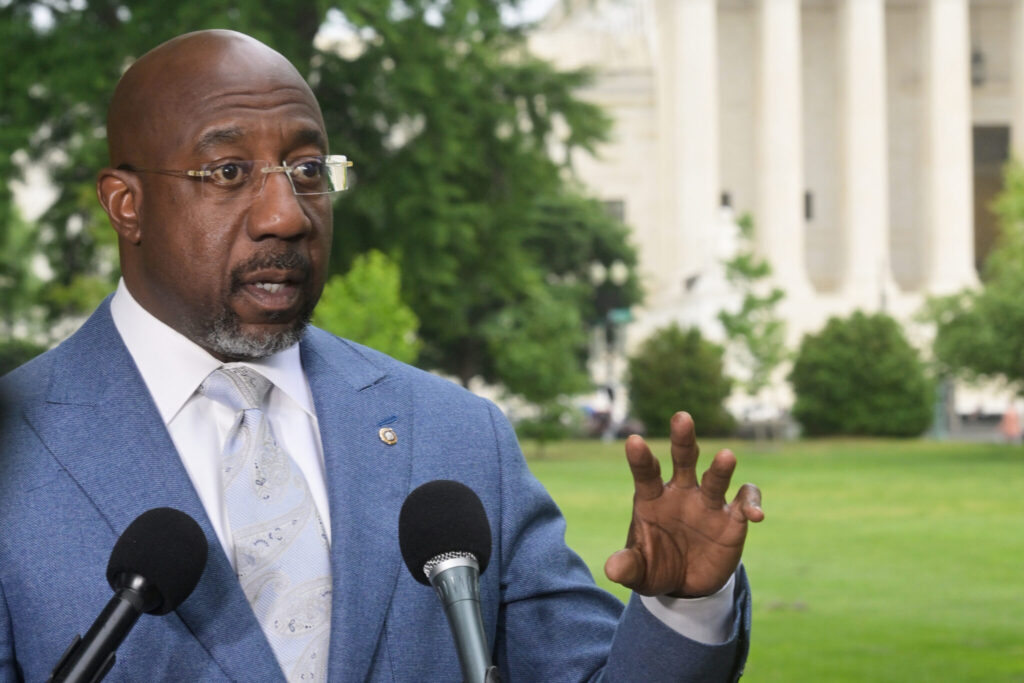
Sen. Raphael Warnock warned the caucus could shrink “in a hugely significant way.”
Republicans and Supporters Praise Decision
Not everyone opposes the ruling.
Some Republican leaders and conservative groups argue that race should not be a determining factor in drawing electoral districts.
Linda Lee Tarver of the Project 21 Black Leadership Network said civil rights laws were not meant “to institutionalize racial line-drawing as a default feature of our political system.”
Supporters say the decision restores a more neutral approach to redistricting.
Legal Battles and Voter Mobilization Ahead
Democrats and civil rights advocates are preparing for a wave of legal challenges as states begin redrawing maps.
Antjuan Seawright, a political strategist, said the ruling will likely lead to multiple court battles over districts that could dilute minority voting power.
He also emphasized the importance of voter turnout efforts.
“If we want to change course on some of the things that are likely to happen because of this decision,” he said, increased civic engagement will be critical.
Rep. Terri Sewell echoed that sentiment, urging communities to mobilize.
“Now more than ever, we need communities across this nation to mobilize — in state legislatures, in the courts and at the ballot box,” Sewell said. “We need to vote like we’ve never voted before.”
Uncertain Future for Representation
The long-term effects of the ruling remain unclear, but the immediate reaction suggests a major shift in how political districts are drawn across the country.
For the Congressional Black Caucus, the concern is not just about numbers, but about maintaining influence and ensuring minority voices remain represented at the national level.
As redistricting battles unfold, the decision is likely to remain a central issue in American politics for years to come.