Wall Street Hesitates and Oil Prices Climb Amid Hormuz Tensions/ Newslooks/ WASHINGTON/ J. Mansour/ Morning Edition/ U.S. stocks hovered near record highs amid global uncertainty. Oil prices surged due to tensions in the Strait of Hormuz. Markets remain cautious as geopolitical risks impact energy supply.
Wall Street Oil Prices Hormuz Quick Looks
- S&P 500 holds near record highs
- Oil prices jump above $110 per barrel
- Hormuz tensions disrupt global oil supply
- Conflicting reports increase market uncertainty
- Tech stocks continue strong performance
- Travel sector impacted by rising fuel costs
Deep Look
Markets Hold Near Highs Despite Global Tensions
U.S. stock markets showed resilience, hovering near record levels even as geopolitical tensions intensified in the Middle East.
The S&P 500 edged up slightly, while the Dow Jones Industrial Average dipped modestly. The Nasdaq also posted small gains, reflecting continued strength in technology stocks.
Despite uncertainty surrounding the ongoing conflict involving Iran, investor confidence remains supported by strong corporate earnings and expectations that the global economy can avoid severe disruption.
Oil Prices Surge Amid Hormuz Disruptions
The biggest market movement came in the energy sector, where oil prices climbed sharply due to concerns about supply disruptions.
Brent crude rose 1.7% to $110.01 per barrel, briefly surpassing $114 during trading. Prices have surged dramatically from around $70 before the conflict began.
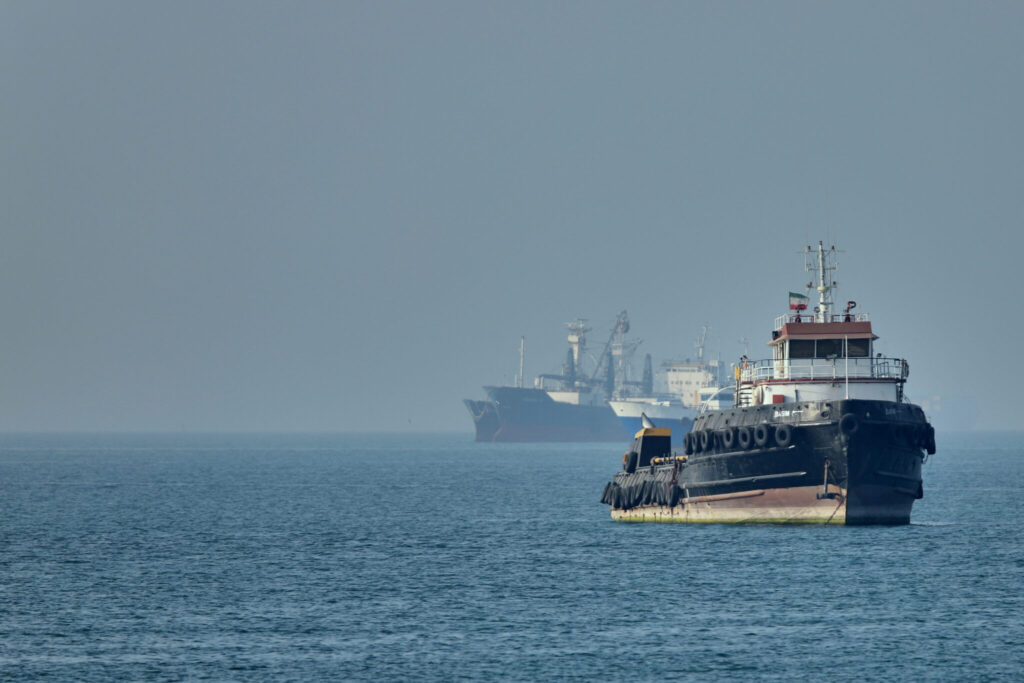
The increase is largely tied to Iran’s closure of the Strait of Hormuz, a key shipping route responsible for a significant portion of the world’s oil flow. Tankers remain stranded, limiting supply and pushing prices higher.
Conflicting Claims Add to Uncertainty
Market volatility has been fueled by conflicting reports about military activity in the region.
Iranian outlets claimed a U.S. Navy vessel was struck near the strait, accusing it of violating maritime norms. However, U.S. officials denied the claim and reported that two American-flagged ships had safely passed through the waterway.
These mixed signals have heightened uncertainty, making it difficult for markets to stabilize.
Trump Plan Aims to Restore Oil Flow
President Donald Trump announced plans to guide ships through the Strait of Hormuz, a move intended to reopen the critical trade route and ease pressure on global oil markets.
While the plan could eventually lower prices by restoring supply, investors remain cautious as tensions continue and the situation evolves.
Corporate Earnings Support Market Stability
Strong earnings reports from major companies are helping to offset geopolitical concerns.
Tyson Foods reported better-than-expected results, benefiting from higher prices for beef and increased sales of chicken and pork. Its stock rose following the announcement.
Similarly, Norwegian Cruise Line exceeded profit expectations but warned of challenges due to rising fuel costs and reduced travel demand, particularly in Europe. Its shares declined sharply.
Tech Stocks Lead Gains
Technology companies, particularly those tied to artificial intelligence, continued to drive market gains.
Micron Technology posted the largest gain in the S&P 500, while Oracle, Sandisk, and Super Micro Computer also saw strong advances.
This ongoing strength in tech has been a key factor in keeping broader markets near record highs.
Global Markets Show Mixed Performance
International markets reflected varied reactions to the situation.
Asian markets saw gains, with strong performances in South Korea and Hong Kong, driven by tech stocks. Meanwhile, European markets declined, with France’s CAC 40 index falling.
These differences highlight how regional factors and exposure to energy markets influence investor sentiment.
Bond Yields Edge Higher
In the bond market, Treasury yields ticked up alongside rising oil prices.
The yield on the 10-year Treasury climbed slightly, indicating expectations of continued inflation pressure linked to higher energy costs.
Outlook Remains Uncertain
While stock markets remain near record levels, the outlook depends heavily on developments in the Strait of Hormuz and the broader U.S.-Iran conflict.
If oil flows resume, prices could stabilize, easing pressure on global markets. However, prolonged disruption could lead to sustained volatility across sectors.
For now, investors are balancing strong corporate performance with growing geopolitical risks.