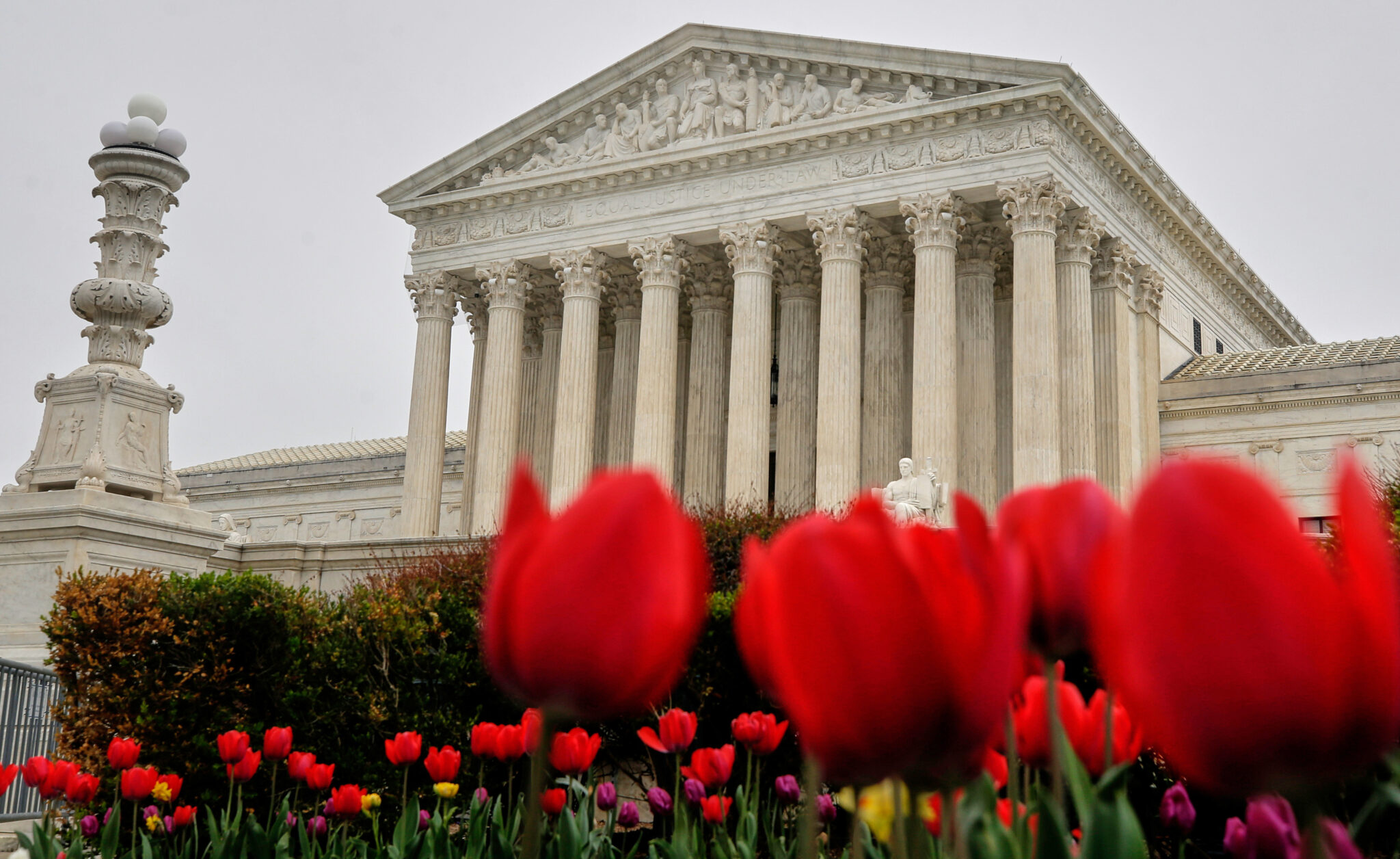
Supreme Court Restores Abortion Pill Access Nationwide Temporarily/ Newslooks/ WASHINGTON/ J. Mansour/ Morning Edition/ The Supreme Court restored access to the abortion pill mifepristone. The ruling allows telehealth, mail, and pharmacy distribution again. The decision temporarily blocks new restrictions from a lower court.
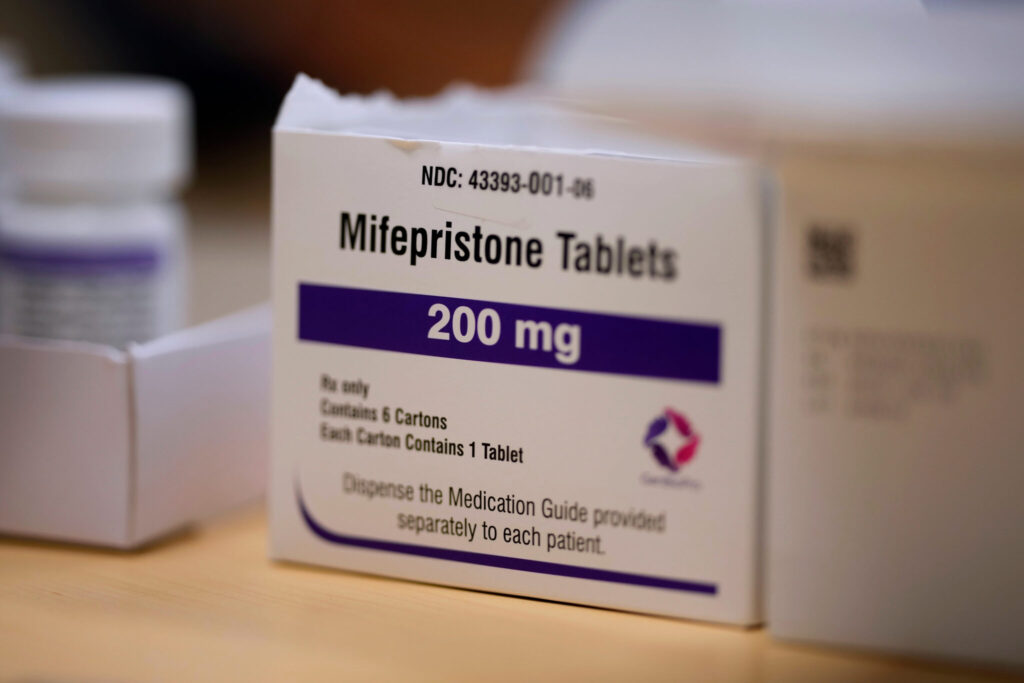
Mifepristone Supreme Court Ruling Quick Looks
- Supreme Court restores access to abortion pill
- Telehealth and mail delivery allowed again
- Blocks recent federal appeals court restrictions
- Majority of U.S. abortions use medication
- Case stems from Louisiana legal challenge
- Order is temporary pending further review
Deep Look
Supreme Court Reinstates Abortion Pill Access
The U.S. Supreme Court has temporarily restored broad access to the abortion pill mifepristone, reversing recent restrictions that threatened to limit availability nationwide.
The order allows patients to obtain the medication through telehealth appointments, pharmacies, and mail delivery — methods that had been widely used in recent years.
The decision blocks a federal appeals court ruling that would have required in-person doctor visits, significantly restricting access.
Temporary Order Keeps Status Quo
The ruling, issued by Justice Samuel Alito, is temporary and will remain in effect while the court considers the case more fully.
The decision gives both sides time to present arguments, maintaining current access rules in the meantime.
This pause is critical because it prevents immediate disruption to abortion services across the country.
Medication Abortion Plays Major Role
Medication abortion, typically involving mifepristone and a second drug, misoprostol, has become the most common method of abortion in the United States.
Its widespread use has helped sustain access even in states where abortion restrictions have tightened following the 2022 Supreme Court decision that overturned Roe v. Wade.
The availability of the pill through telehealth and mail has been especially important for patients in restrictive states.
Legal Challenge Originates in Louisiana
The case stems from a lawsuit filed by Louisiana, which argued that allowing mifepristone to be distributed remotely undermines state abortion bans.
State officials sought to limit access by reinstating stricter regulations on how the drug is prescribed and dispensed.
At the same time, several Democratic-led states have enacted laws aimed at protecting providers who prescribe abortion medication across state lines via telehealth.
Manufacturers Push for Emergency Relief
Manufacturers of mifepristone filed emergency appeals urging the Supreme Court to intervene after the lower court ruling threatened to disrupt distribution.
Their request emphasized the potential nationwide impact on patients and healthcare providers.
The Supreme Court’s decision to step in highlights the high stakes surrounding access to medication abortion.
Future of Access Remains Uncertain
While the order restores access for now, the long-term outcome remains uncertain.
The Supreme Court is expected to further review the case, which could result in a more permanent ruling on how abortion medication is regulated in the United States.
The decision will likely have far-reaching implications for reproductive healthcare, federal authority, and state-level abortion laws.