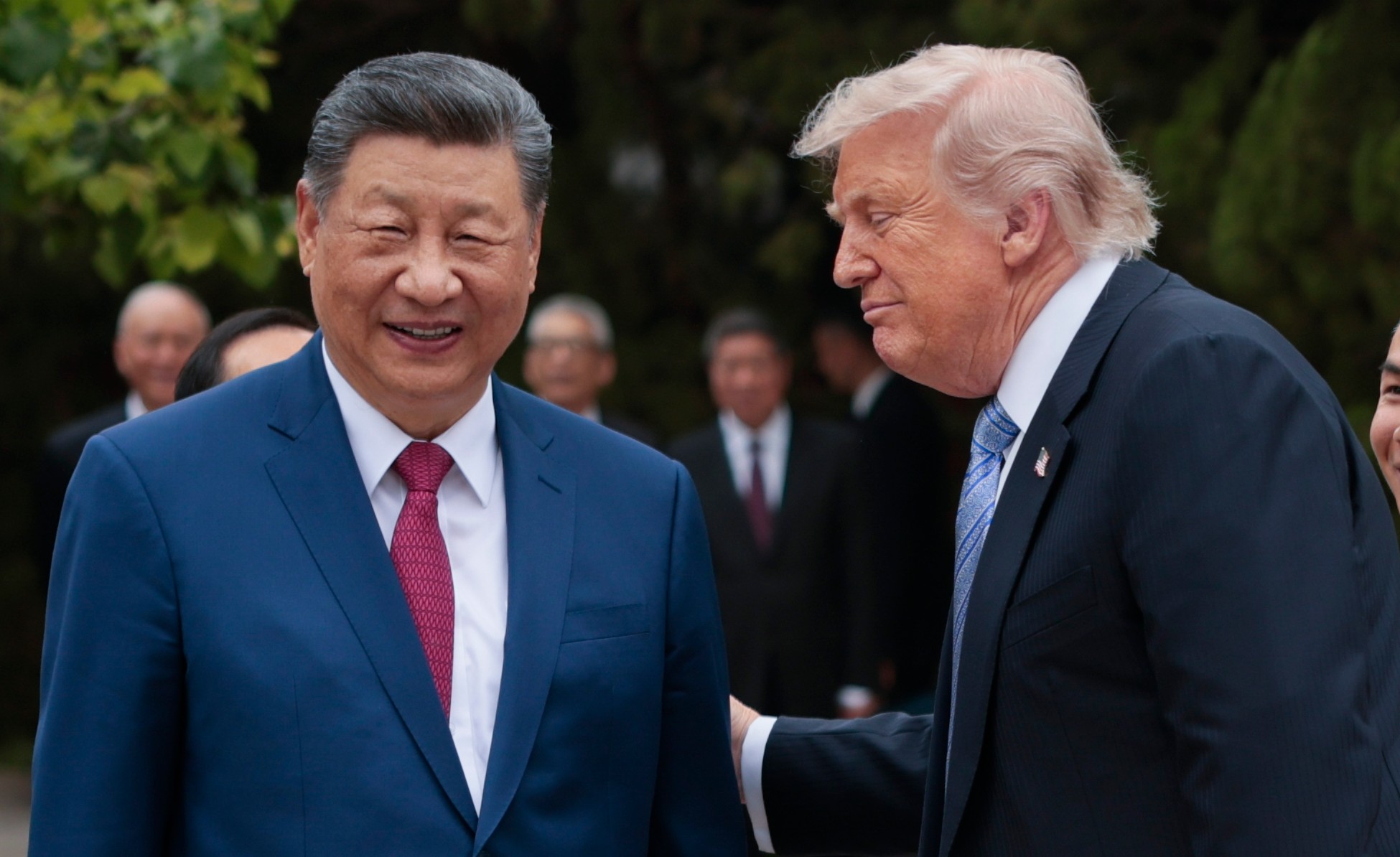
China Expands US Beef and Poultry Trade After Trump-Xi Summit/ Newslooks/ WASHINGTON/ J. Mansour/ Morning Edition/ China has agreed to increase imports of U.S. beef and poultry following President Donald Trump’s summit with Xi Jinping in Beijing. The White House says China will buy agricultural products at an annualized rate of $17 billion through 2028. The agreement aims to ease pressure on American farmers impacted by the ongoing U.S.-China trade war.
China US Agriculture Trade Quick Looks
- China agreed to increase purchases of U.S. beef and poultry
- The White House announced the agreement after the Trump-Xi summit
- Annual agricultural imports are projected at $17 billion through 2028
- China will restore market access for American beef exports
- Poultry imports from bird-flu-free U.S. states will resume
- Soybean commitments from previous agreements remain in place
- Farmers continue facing pressure from tariffs and global supply disruptions
- China has diversified agricultural imports toward Brazil and Argentina
- Trade boards focused on investment and non-sensitive goods are planned
- No official confirmation of final terms has yet come from Beijing
Deep Look
China and US Reach New Agricultural Trade Understanding
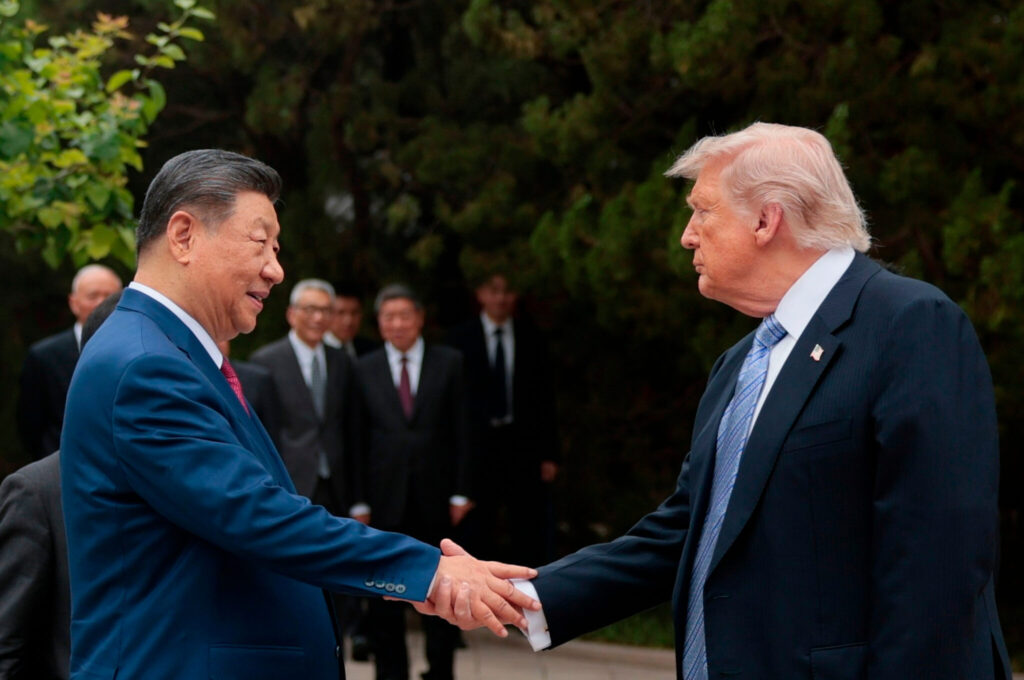
China has agreed to significantly increase imports of American agricultural products, including beef and poultry, following a high-level summit between President Donald Trump and Chinese President Xi Jinping in Beijing.
The White House announced that China plans to purchase U.S. agricultural products at an annualized rate of $17 billion for 2026 and maintain those levels through 2028. The move comes after Trump sought to reduce economic pressure on American farmers affected by the trade conflict between the world’s two largest economies.
The agreement also includes restoring Chinese market access for U.S. beef exports and resuming poultry imports from states certified by the U.S. Department of Agriculture as free from bird flu outbreaks.
American Farmers Look for Relief
The new trade commitments offer potential relief to U.S. farmers who have struggled with declining exports since the trade war escalated last year.
American soybean producers were especially affected after China sharply reduced purchases following increased tariffs imposed by the Trump administration. China had historically been the largest foreign buyer of U.S. soybeans, making the decline particularly damaging to rural agricultural economies.
Farmers are also facing rising production costs tied to broader global instability. The conflict involving Iran and disruptions in shipping through the Strait of Hormuz have reduced fertilizer supplies worldwide and increased costs for agricultural producers.
The latest agreement is viewed as an attempt to stabilize export markets while improving confidence among American growers preparing for future planting seasons.
Beijing Signals Progress But Offers Few Details
Although the White House publicly outlined the agreement, Chinese officials have provided only limited confirmation of the terms.
China’s Ministry of Commerce said both countries would “resolve or make substantial progress toward resolving certain non-tariff barriers and market access issues” involving agricultural products.
Chinese officials also indicated that both sides would work to address separate concerns affecting exports and imports. The United States agreed to review issues involving Chinese dairy products, seafood shipments, potted bonsai exports, and recognition of Shandong province as a bird-flu-free area. In return, China would address American concerns surrounding beef processing registrations and poultry exports from certain U.S. states.
The ministry also stated that reciprocal tariff reductions on certain products were discussed, although no specific product list was released.
China Continues Diversifying Food Imports
Despite the renewed trade cooperation, China has steadily reduced dependence on U.S. agricultural products in recent years.
Chinese officials have increasingly turned to countries such as Brazil and Argentina for imports of soybeans, beef, and other farm products. Food security concerns and geopolitical tensions have encouraged Beijing to diversify supply chains.
According to U.S. Department of Agriculture data, Chinese imports of American agricultural goods peaked at $38 billion in 2022 before falling dramatically to $8 billion in 2025. Soybean imports alone dropped from nearly $18 billion in 2022 to just $3 billion in 2025.
China had stopped buying American soybeans entirely last year after Trump increased tariffs on Chinese imports during the height of the trade dispute.
Soybean Industry Watches Closely
The latest agricultural agreement builds upon an earlier trade truce reached between Trump and Xi Jinping in October.
At that time, China agreed to resume soybean purchases, committing to buy 12 million metric tons during the current marketing year and 25 million metric tons annually for the following three years, according to the White House.
USDA figures show the United States had exported 10.9 million metric tons of soybeans to China as of May 7. While that pace keeps China on track to fulfill earlier commitments, it remains significantly below historic purchase levels that once reached between 25 million and 30 million metric tons annually.
Before Trump’s Beijing trip, the American Soybean Association publicly urged the administration to prioritize soybean trade negotiations with China.
Scott Metzger, president of the association, said, “Greater certainty and consistency in the marketplace help provide farmers with the confidence they need as they make decisions for the year ahead.”
Beef and Poultry Exports Expected to Rebound
The agreement could also revive American beef exports to China after major disruptions in recent years.
According to the White House, hundreds of U.S. beef processing plants, including facilities operated by Tyson and Cargill, will once again be authorized to export products to China.
China allowed export licenses for hundreds of American beef plants to expire last year, causing U.S. beef exports to fall below $500 million in 2025. By comparison, exports had reached $2.14 billion in 2022.
Poultry exports also declined sharply, falling from more than $1 billion in 2022 to $286 million in 2025.
Industry leaders hope the reopening of Chinese markets will help restore demand and stabilize prices across the American agricultural sector.
New Trade and Investment Boards Planned
During the Beijing summit, Trump and Xi also discussed broader efforts to strengthen economic cooperation.
The two governments agreed to establish separate Boards of Trade and Investment aimed at managing trade issues involving non-sensitive products and facilitating discussions on investment concerns.
Chinese officials said the trade board would help address tariff reductions and resolve market access issues affecting both economies.
Xi also emphasized China’s willingness to expand economic opportunities while meeting with American business executives who accompanied Trump during the trip, including Cargill CEO Brian Sikes.