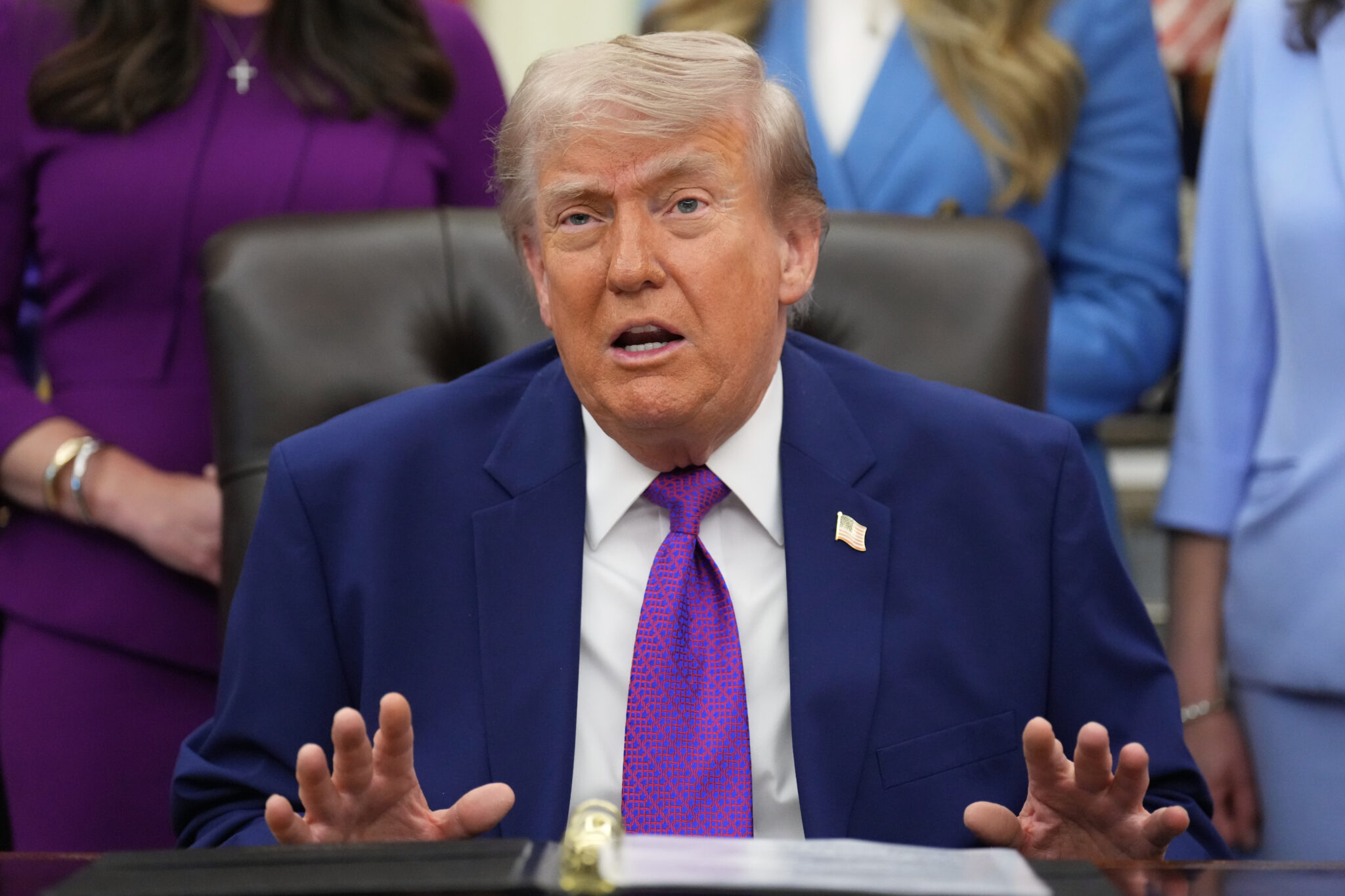
Trump Defends $1.8 Billion ‘Anti-Weaponization’ Fund Amid GOP Revolt/ Newslooks/ WASHINGTON/ J. Mansour/ Morning Edition/ President Donald Trump defended the controversial $1.776 billion “Anti-Weaponization Fund” Friday as bipartisan criticism intensified on Capitol Hill. The fund sparked a major Republican backlash that derailed key Senate reconciliation votes this week. Lawmakers, police officers, and critics continue raising concerns that January 6 defendants could potentially receive payouts.
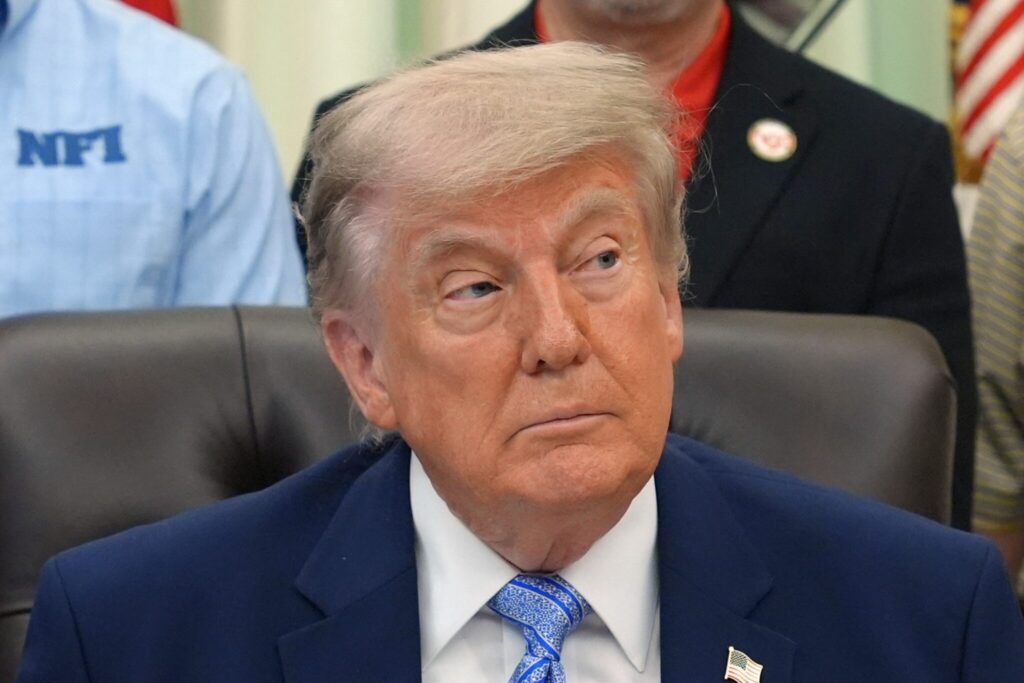
Trump Anti-Weaponization Fund Quick Looks
- Trump defended the $1.776 billion fund Friday.
- The fund stems from Trump’s IRS settlement.
- Todd Blanche announced the initiative earlier this week.
- Republican opposition delayed Senate reconciliation votes.
- Critics fear January 6 rioters could receive payments.
- Trump claimed the fund delivers “justice” to political victims.
- Police officers sued to block the fund.
- Bipartisan lawmakers are drafting legislation against it.
- The fund would operate through late 2028.
- GOP frustration intensified over lack of congressional consultation.
Deep Look
Trump Defends Controversial Anti-Weaponization Fund
President Donald Trump forcefully defended the administration’s controversial $1.776 billion “Anti-Weaponization Fund” Friday as backlash from both Republicans and Democrats continued escalating on Capitol Hill.
The political dispute has already derailed Republican efforts to pass a major reconciliation package before the Memorial Day recess.
Trump addressed the controversy directly in a Truth Social post Friday morning.
“I gave up a lot of money in allowing the just announced Anti-Weaponization Fund to go forward,” Trump wrote.
“I am helping others, who were so badly abused by an evil, corrupt, and weaponized Biden Administration, receive, at long last, JUSTICE!”
The president framed the initiative as compensation for Americans allegedly targeted unfairly by federal investigations and prosecutions during the Biden administration.
Fund Originated From IRS Settlement
The “Anti-Weaponization Fund” emerged from a settlement tied to Trump’s legal dispute involving the Internal Revenue Service and the release of his tax returns.
Trump also referenced the FBI search of Mar-a-Lago in his public defense of the initiative.
The administration argues the fund will create a process allowing alleged victims of political “lawfare” to seek financial redress.
Acting Attorney General Todd Blanche formally announced the program Monday.
Blanche said the initiative would provide:
“A lawful process for victims of lawfare and weaponization to be heard and seek redress.”
The fund will reportedly be overseen by a five-person commission appointed by the attorney general.
Applications for compensation would remain open through mid-December 2028 — shortly before the scheduled end of Trump’s second term.
Republican Backlash Disrupts Senate Agenda
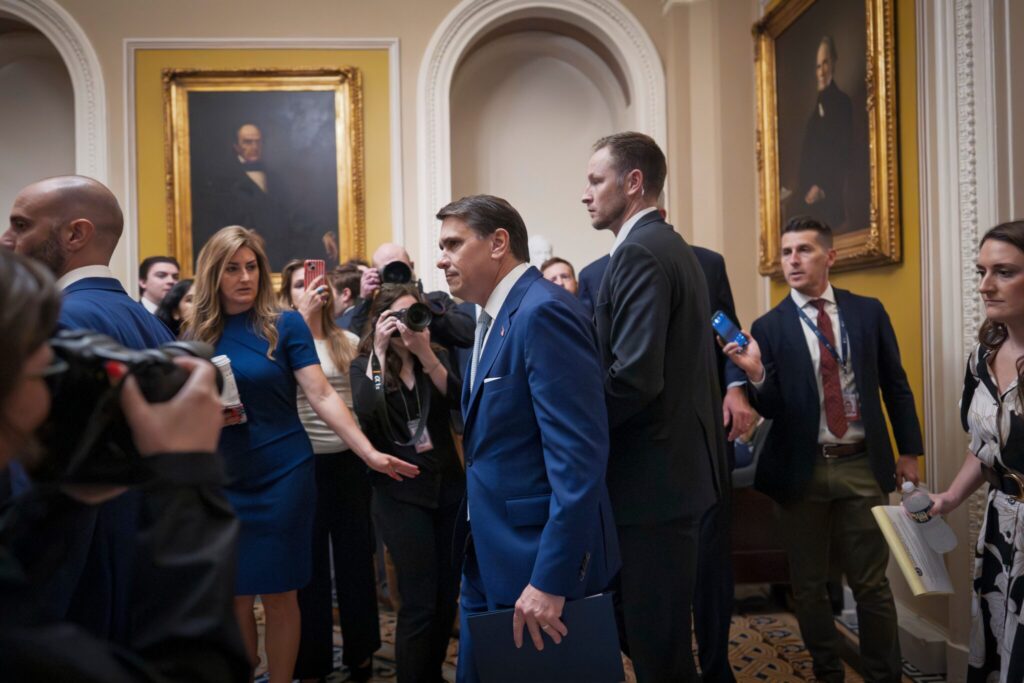
Despite support from Trump allies, the proposal triggered intense Republican opposition in the Senate.
Several GOP lawmakers objected to both the structure of the fund and the possibility that individuals convicted in connection with the January 6 Capitol riot could potentially qualify for payments.
The controversy became severe enough to derail Senate Republican plans to advance a major reconciliation package this week.
Republican leaders ultimately abandoned plans for floor votes and sent lawmakers home for the Memorial Day weekend without completing the legislation.
The political turmoil was compounded by another controversial Trump-backed spending proposal involving security funding tied to a planned White House ballroom project.
Critics Fear January 6 Payouts
One of the biggest flashpoints surrounding the fund involves whether January 6 defendants could receive compensation.
That refusal sparked immediate outrage from lawmakers and law enforcement officials.
Earlier this week, two police officers who defended the Capitol during the January 6 attack filed a lawsuit seeking to block the fund entirely.
The officers argue the program could reward individuals involved in violence against police officers and undermine accountability for the Capitol attack.
The lawsuit describes the initiative as dangerous and unconstitutional.
Bipartisan Lawmakers Move to Stop Fund
Opposition to the program has now expanded across party lines.
Representative Brian Fitzpatrick, a Pennsylvania Republican, joined Democratic Congressman Tom Suozzi of New York in drafting legislation aimed at shutting the fund down completely.
Fitzpatrick told POLITICO he is awaiting additional information from the Justice Department after sending Todd Blanche a detailed list of questions regarding:
- Eligibility rules
- Oversight structure
- Funding authority
- Potential January 6 payouts
The bipartisan push reflects growing concern among moderate lawmakers about the political and legal implications of the program.
Congress Angry Over Lack of Consultation
Another major source of frustration on Capitol Hill involves how the fund was created.
Many lawmakers reportedly objected that the administration announced the initiative without consulting Congress beforehand despite the program’s massive financial scale.
Critics argue the administration effectively created a politically sensitive compensation mechanism outside the normal appropriations and oversight process.
The lack of transparency intensified Republican concerns already brewing over the administration’s broader spending proposals.
Trump Frames Fund as Political Justice
Trump and his allies continue portraying the initiative as part of a larger effort to reverse alleged political abuses under previous administrations.
The president has repeatedly claimed federal agencies unfairly targeted conservatives, Trump supporters, and his political allies through investigations and prosecutions.
Supporters of the fund argue compensation is justified for individuals they believe were wrongfully investigated or prosecuted.
The administration says the initiative supports fairness and restores confidence in the justice system.
Critics, however, argue the fund risks politicizing the Justice Department and creating incentives to financially reward political allies.
Political Fallout Intensifies Ahead of Midterms
The growing fight over the “Anti-Weaponization Fund” highlights widening tensions inside the Republican Party ahead of the 2026 midterm elections.
While many Republicans remain aligned with Trump broadly, some senators increasingly worry the issue could become politically damaging with independent voters.
Democrats are already using the controversy to portray Republicans as divided over January 6 accountability and government ethics.
The dispute also raises broader constitutional and legal questions surrounding executive authority, federal settlements, and political compensation programs.
Debate Over Fund Likely Far From Over
With lawsuits pending, bipartisan legislation emerging, and Senate Republicans openly rebelling against the proposal, the future of the “Anti-Weaponization Fund” remains uncertain.
However, Trump’s public defense Friday signaled the White House has no intention of backing away from the initiative.
Instead, the administration appears prepared to continue framing the program as a core part of Trump’s broader campaign against what he describes as political “weaponization” inside the federal government.