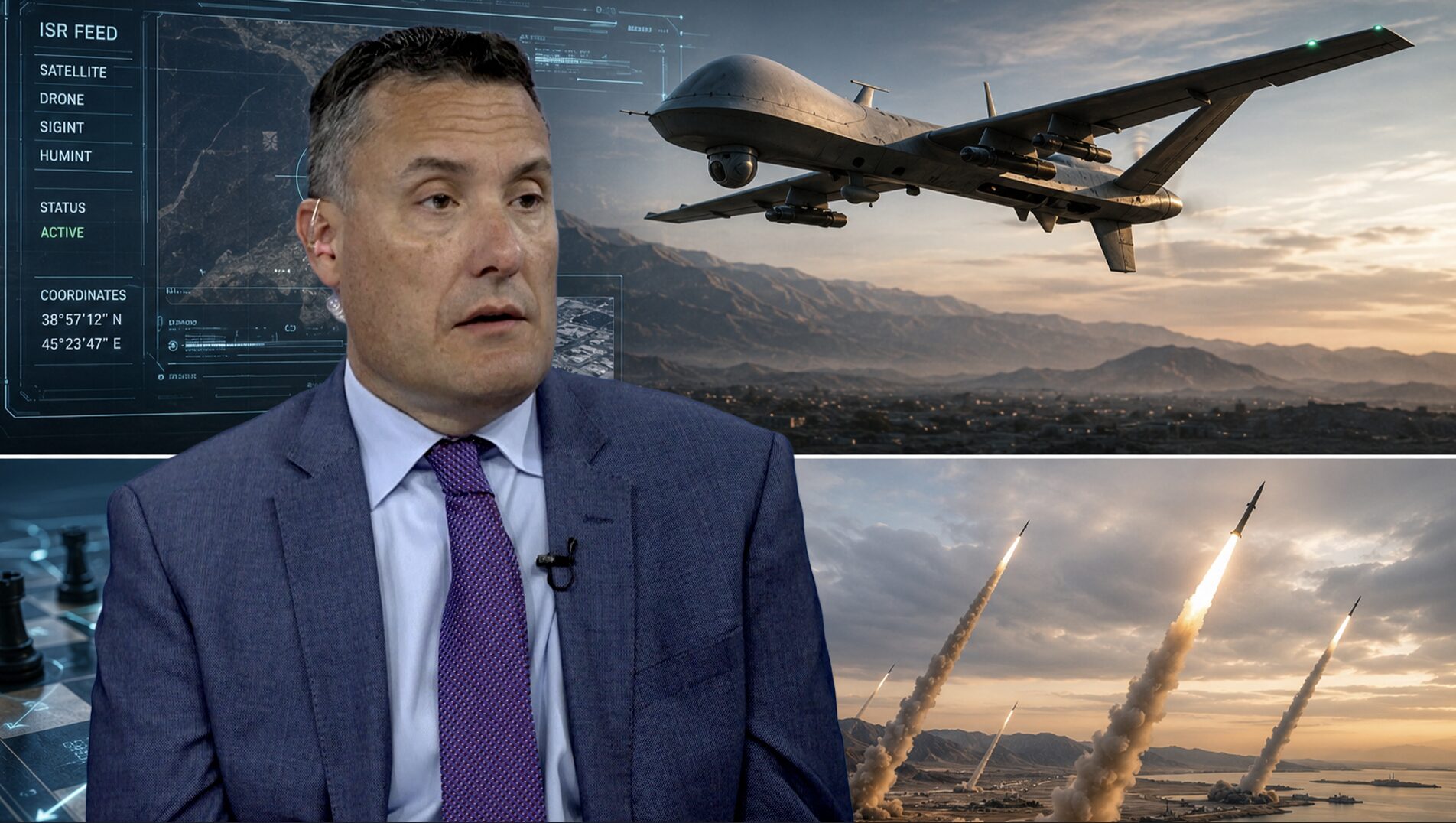
As artificial intelligence reshapes modern warfare and drone technology transforms the battlefield, military strategy is evolving faster than ever before.
In this exclusive interview, Retired Colonel William Putnam reflects on three decades of military and intelligence experience, offering a rare inside perspective on how AI, drones, and rapid decision-making technologies are changing the nature of war, deterrence, and global conflict.
From the battlefields of Iraq and Afghanistan to the growing tensions with Iran in the Persian Gulf, Colonel Putnam explains how technology has compressed the timeline of warfare, empowered smaller actors, and created new strategic challenges for military planners and world leaders alike.
He also discusses the lessons learned from America’s past conflicts, the risks of escalation with Iran, and why understanding an opponent’s mindset may now matter more than military superiority itself.
Q. Thank you, Colonel William, for accepting this interview.
You recently retired from military service, and first of all, thank you for the thirty years of service you dedicated to this country.
After such a long military career, what, in your opinion, has changed the most?
Ret. Colonel William Putnam.
What has changed? Wow. In the thirty years since I entered the military as an intelligence officer, the transformation has been extraordinary.
Back then, drones were mainly used for surveillance and reconnaissance. We saw them over battlefields in Iraq, Afghanistan, and even Kosovo, providing battle damage assessments after airstrikes. At the time, receiving real-time information felt revolutionary, even though by today’s standards it was still relatively slow.
What has truly impressed me over those thirty years is how rapidly technology has evolved. What we call the “kill chain” — identifying a target, processing the information, getting it to the decision-maker, receiving authorization, and executing the strike — used to take hours. Today, it can happen in minutes, and AI is compressing that timeline even further.
Look at drones. Initially, they were only used for surveillance. Around 2002, we saw one of the first instances of a drone firing a missile — I believe one of those strikes took place in Yemen against an Al-Qaeda leader. At the time, that was extraordinary.
Now, more than twenty years later, drone warfare has become commonplace. We’re seeing drone swarms, including Iranian drone operations.
What technology has done is level the playing field. In the past, only major powers could maintain strong air forces. Today, a country like Iran can say:
“I may not be able to afford advanced fighter jets or strategic bombers, but I can produce large numbers of low-cost drones capable of overwhelming defenses and inflicting damage.”
We’ve already seen reports about the damage drones have caused to U.S. military facilities in the Middle East. In previous decades, Iran simply would not have had that capability.
So yes, AI and advanced technology have absolutely become game changers.
But there’s another side to this. The same technologies that allow faster adaptation and quicker information processing can also create instability. They empower countries and non-state actors that traditionally lacked military advantages in manpower, manufacturing, wealth, or energy resources. In many ways, this mirrors how insurgencies once challenged far more powerful states.
Q. So, if you were giving advice — perhaps advice that now comes too late because events are already unfolding — what would you have told your colleagues, military generals and decision-makers, before the first bomb was launched against Iran?
Ret. Colonel William Putnam.
I think we need to separate strategic considerations from tactical ones.
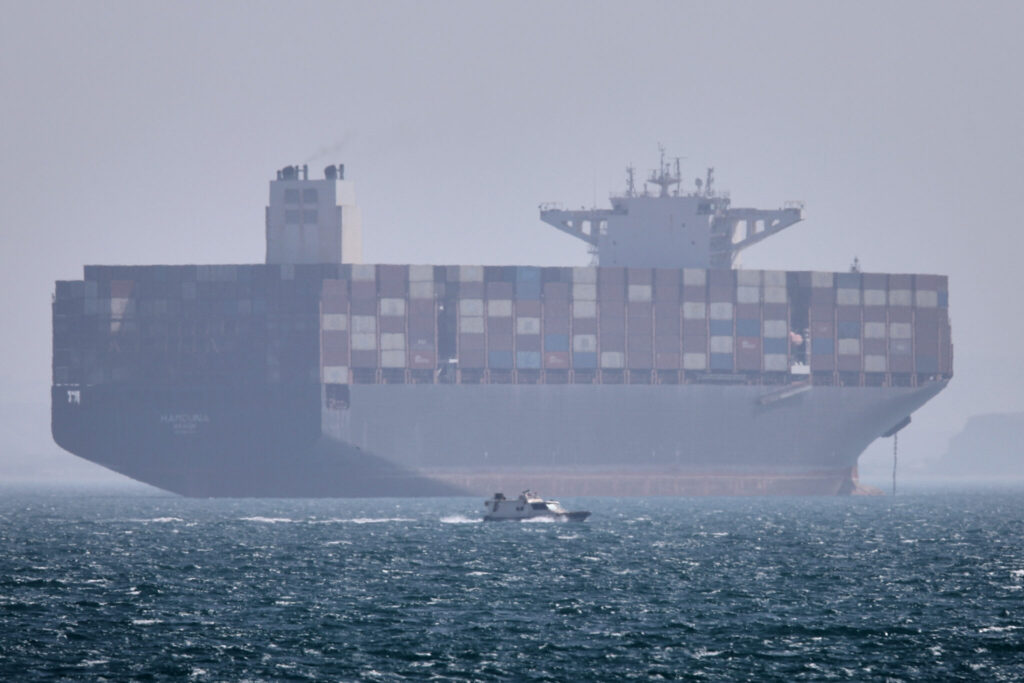
For years, both military and civilian analysts predicted that if conflict erupted with Iran, Tehran would attempt to disrupt or shut down the Strait of Hormuz. That’s exactly what happened.
But I think we should have paid even closer attention to how Iran thinks. We need to think like Iran.
For the Iranian regime, this is existential. Regime survival is always the core objective. This is not an existential conflict for the United States, but it is for Tehran.
We also have to remember lessons from the global war on terror. You can eliminate a senior Al-Qaeda leader, but another figure quickly emerges. Sometimes the replacement is even more ideologically committed and operationally effective.
Another important lesson comes from history itself. Strategic bombing campaigns, including during World War II, often failed to demoralize populations. In many cases, they strengthened public resistance and national resolve.
Iran’s leadership may not enjoy overwhelming popularity domestically, but once bombing campaigns begin, populations tend to rally around survival and national defense. Then, if civilian casualties increase, frustration and anger grow even further.
So, I would argue that military planners must focus not only on targets and capabilities, but also on understanding the opponent’s mindset.
As a competitive chess player, I always ask myself: “What is my opponent trying to do? What is the logic behind their move?” You have to anticipate that before deciding on your own next move.
Q. Assuming you were now making decisions in the Middle East — in the Persian Gulf or Arabian Gulf — what would your targets be?
Ret. Colonel William Putnam.
That’s a broad question.
First, I’m not privy to the intelligence available to current decision-makers. Military leaders ultimately take guidance from political leadership.
What typically happens is that military planners develop different operational packages and options depending on political objectives. Do leaders want limited strikes designed to send a warning? Or do they want overwhelming force designed to send a much stronger message?
Likely targets would include missile silos, drone facilities, manufacturing sites, and IRGC command centers. The goal would be to disrupt command-and-control capabilities — what we call C2 — and make it harder for the Iranian government and military to coordinate operations.
At the same time, I would hope every effort would be made to minimize civilian casualties and collateral damage, both for humanitarian reasons and to demonstrate that these are precision operations targeting military infrastructure, not civilians.
Ideally, the objective would be to pressure Tehran into concluding that, if it wants to survive, it must begin making concessions.
Q. Does the constant change in strategy complicate military operations?
Ret. Colonel William Putnam.
That’s an excellent question, and I think it depends on the leadership involved.
For some commanders, constant strategic shifts can become obstacles, especially if they operate with a rigid mindset. But modern military leadership requires flexibility.
That’s what we were always taught: objectives change, circumstances evolve, and leaders must adapt rapidly.
And in the age of AI, these changes affect not only the tactical battlefield, but also the strategic, political, and informational environment.
Military leaders today must understand that because events move so quickly, objectives can change just as quickly. As we used to say: “Semper Gumby” — always flexible.
Colonel, thank you very much, and once again, thank you for your service. Hopefully we’ll have more opportunities to speak with you.
Ret. Colonel William Putnam.
Thank you very much