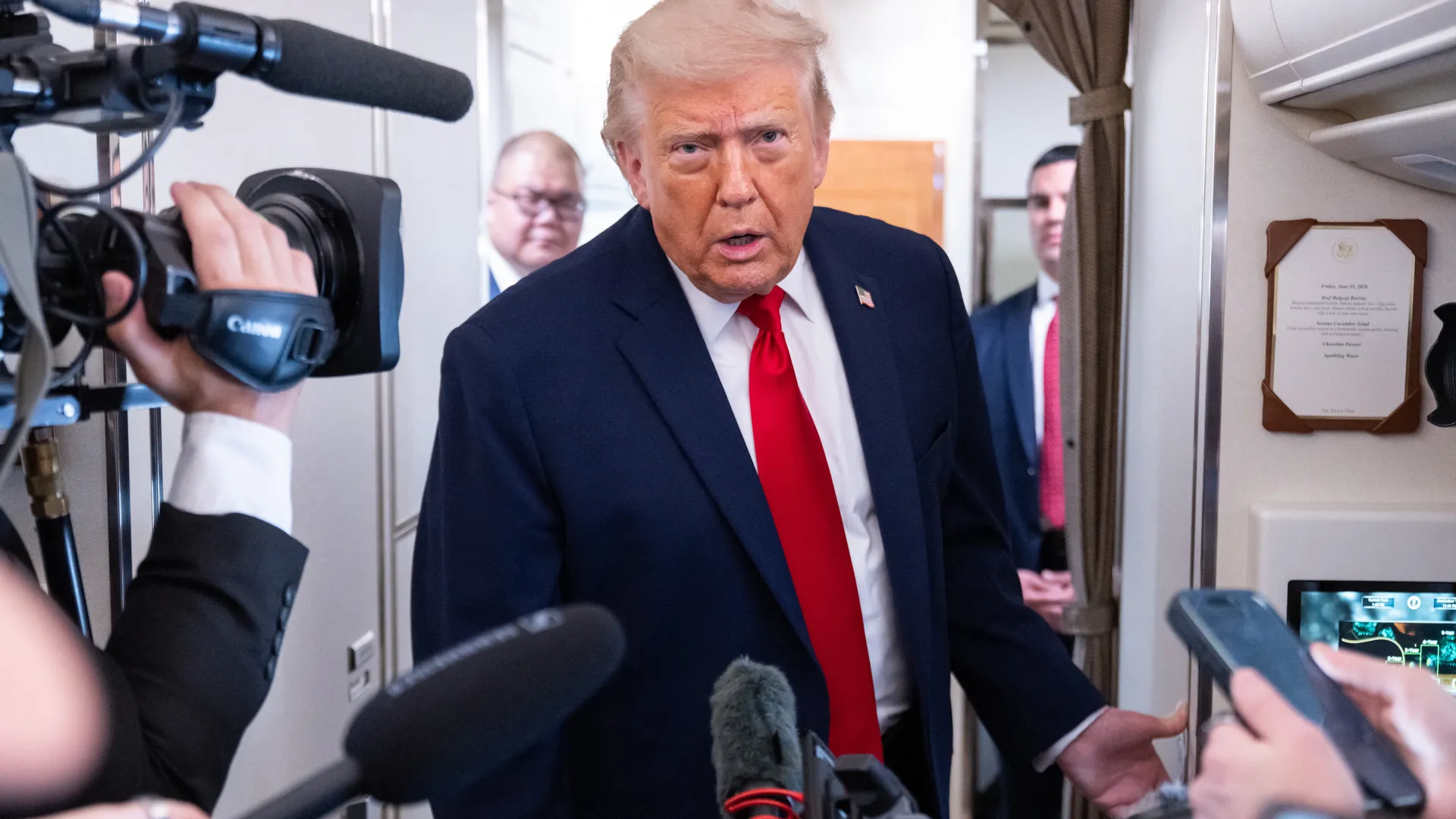
Trump Calls on Israel and Iran to “Immediately Stop Shooting” as Ceasefire Frays/ Newslooks/ WASHINGTON/ J. Mansour/ Morning Edition/ President Donald Trump publicly called on Israel and Iran to stop exchanging attacks as a fragile ceasefire appeared close to collapse. Israeli strikes on Iran followed Iranian missile attacks launched in response to Israeli operations in Lebanon. The renewed fighting threatens ongoing U.S.-Iran negotiations and raises concerns about a wider regional conflict.
Trump Israel Iran Ceasefire Quick Looks
- Trump demanded Israel and Iran stop “shooting.”
- Netanyahu reportedly rejected Trump’s request to avoid retaliation.
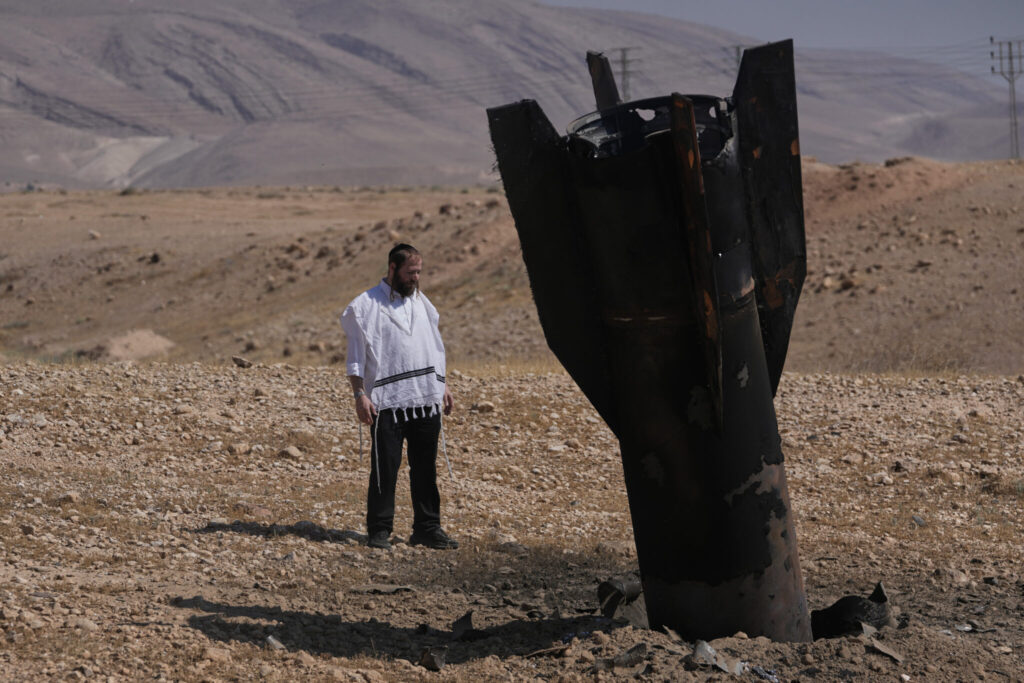
- Israel launched strikes on military targets inside Iran.
- Iran responded with additional missile attacks.
- U.S. officials say Washington did not support the Israeli strikes.
- Iran temporarily suspended offensive military operations.
- Houthis joined the conflict with missile launches.
- Diplomatic efforts remain underway.
- The ceasefire faces its biggest challenge since April.
- Energy markets remain sensitive to regional instability.
Deep Look
Trump Calls For Immediate Halt To Fighting
President Donald Trump has publicly urged Israel and Iran to stop exchanging military strikes as the fragile ceasefire brokered earlier this year shows signs of unraveling.
In a post on Truth Social Monday morning, Trump issued a direct appeal to both countries.
“Israel and Iran must immediately stop shooting.”
The statement came after a new round of military exchanges between Israel and Iran threatened to reignite a broader regional conflict that had been largely contained since the April 8 ceasefire.
The latest violence represents the most serious challenge yet to the truce and could complicate efforts by the Trump administration to negotiate a broader agreement with Tehran.
Ceasefire Under Severe Pressure
The attacks followed an Iranian missile barrage that Tehran described as retaliation for an Israeli strike in Lebanon, which Iranian officials viewed as a violation of existing ceasefire understandings.
The renewed exchange immediately raised concerns among diplomats and regional leaders who have spent months attempting to transform the temporary truce into a permanent settlement.
Analysts warn that continued escalation could draw the United States back into direct involvement and further destabilize the Middle East.
Netanyahu Pushes Back Against Trump
Behind the scenes, tensions appear to be growing between Trump and Israeli Prime Minister Benjamin Netanyahu.
According to U.S. officials, Trump personally contacted Netanyahu and urged him not to retaliate against Iran.
A U.S. official described the conversation as respectful but said Netanyahu strongly disagreed with the president’s request.
“Netanyahu was expressly told the cycle needs to end. The U.S. didn’t agree or support these strikes,” a U.S. official said.
Despite Trump’s appeal, Israel proceeded with operations against multiple military-related targets inside Iran.
Israel Launches New Military Operations
On Monday, the Israel Defense Forces announced additional operations against Iranian military infrastructure.
Israeli officials said they targeted air defense systems that had been rebuilt during the ceasefire period.
Later strikes focused on a large petrochemical facility that Israeli military officials claimed was being used to produce materials associated with weapons manufacturing.
The Israeli government has argued that such facilities contribute to Iran’s missile capabilities and therefore represent legitimate military objectives.
Israeli officials also maintain that the strikes were necessary to deter future attacks.
Iran Responds With Missile Barrages
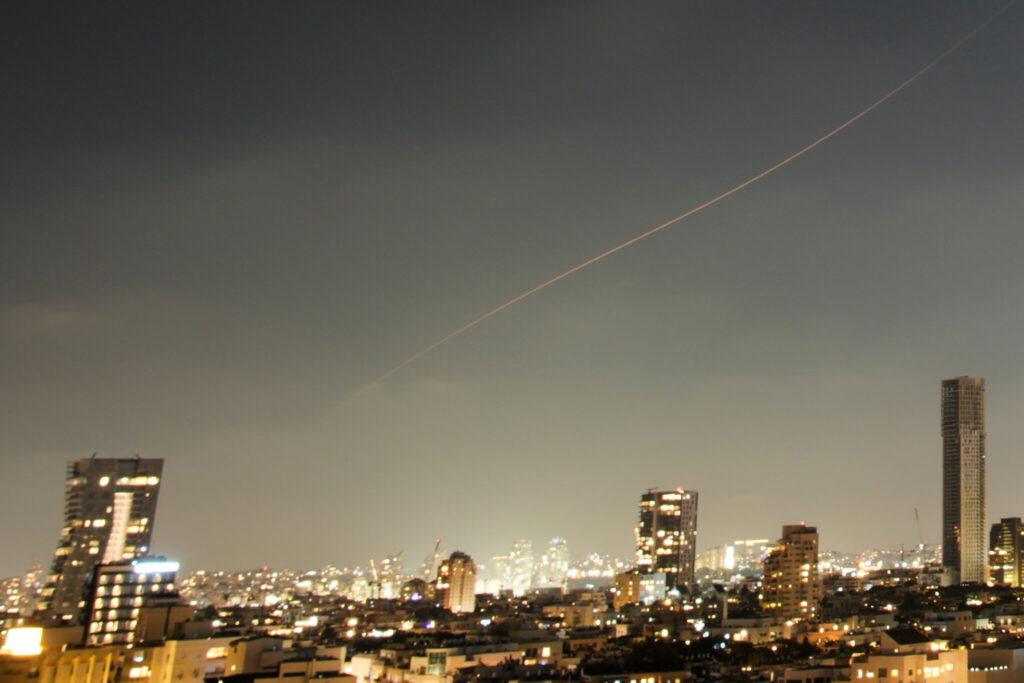
Iran answered the Israeli attacks with another round of missile launches aimed at Israel.
According to reports, more than 25 missiles were fired toward Israeli targets, including areas near Tel Aviv.
Israeli air defense systems intercepted most of the incoming projectiles.
Before Israel’s latest operations, Iranian officials had already warned that retaliation would follow any renewed Israeli military activity.
Iran has also threatened to widen the conflict by targeting American military installations throughout the region if it determines that Washington directly supports Israeli attacks.
Iran Announces Temporary Suspension
Later Monday, Iran’s armed forces announced that offensive military operations would be suspended.
However, military leaders emphasized that the pause should not be interpreted as weakness.
Iran warned that any additional attacks could trigger stronger retaliation.
Officials stated that “more severe and crushing measures than before” would follow if military operations against Iran continue.
The announcement offered a potential opening for diplomacy, although it remains unclear whether Israel intends to halt its operations.
An Israeli military official indicated earlier Monday that preparations were underway for several more days of fighting.
Houthis Expand The Conflict
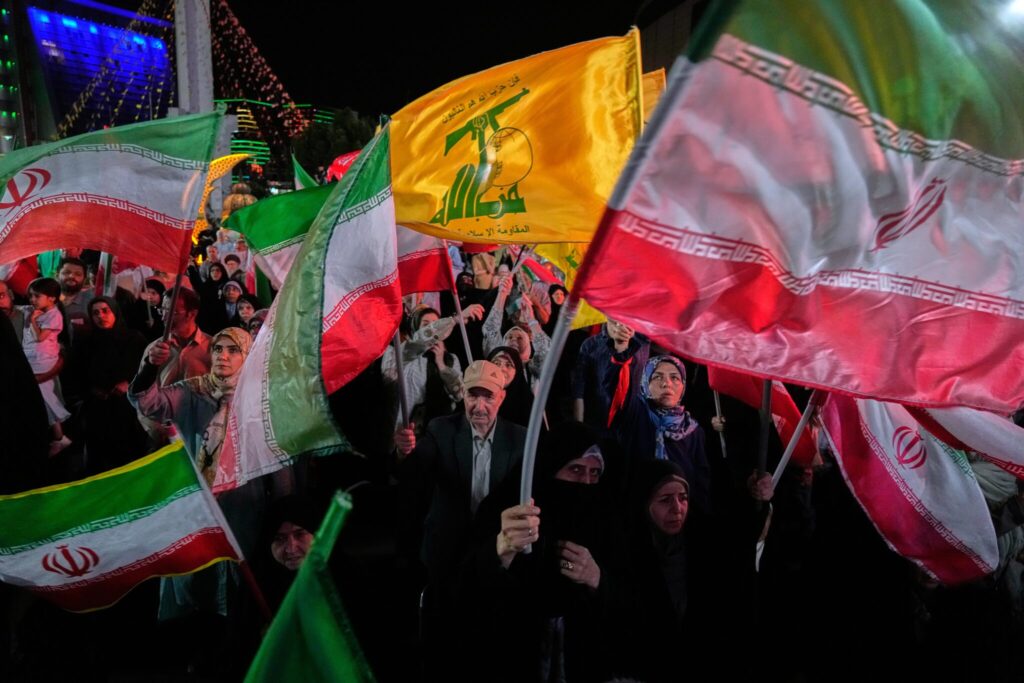
The situation became more complicated after Yemen’s Houthi movement announced it was joining the latest phase of hostilities.
The Iranian-backed group launched two missiles toward Israel and declared that Israeli-linked vessels would once again become targets in the Red Sea.
The Houthis previously disrupted global shipping through repeated attacks during earlier regional conflicts.
Renewed threats against commercial shipping lanes could once again affect international trade routes and energy supplies.
Iran Blames The United States
Iranian officials continue to insist that Washington bears responsibility for the latest escalation.
Foreign Ministry spokesman Esmail Baghaei argued that Israel would not have acted without American support.
He also claimed that the renewed violence threatens diplomatic efforts.
The spokesperson said the developments “will only worsen the chaotic situation of the diplomatic process.”
While U.S. officials maintain that American forces did not participate in the Israeli strikes, Israeli officials acknowledged that American defensive systems helped intercept some Iranian missile attacks.
Trump Remains Optimistic About Talks
Despite the renewed military confrontation, Trump continues to express confidence that negotiations can still succeed.
The president suggested that diplomatic progress could happen quickly if political obstacles are removed.
Trump indicated that only “ignorance or stupidity” could prevent an agreement from moving forward.
However, both Israeli and Iranian officials appear significantly less optimistic.
With military operations continuing, regional tensions rising, and additional actors such as the Houthis becoming involved, the path toward a durable peace agreement remains highly uncertain.