

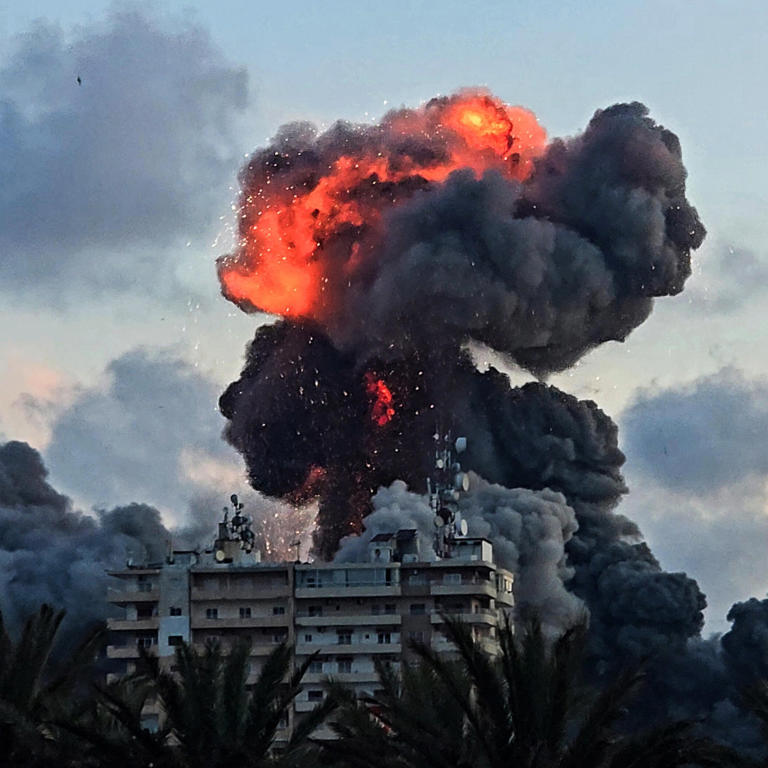
Israeli Airstrikes Kill 9 Including 3 Lebanese Soldiers After Ceasefire Deal/ Newslooks/ WASHINGTON/ J. Mansour/ Morning Edition/ Israeli airstrikes in southern Lebanon killed nine people, including three Lebanese army officers, just days after a new ceasefire agreement was announced. Lebanese officials condemned the attacks as violations of sovereignty, while Israel said it was responding to a potential Hezbollah threat. The incident highlights growing tensions surrounding the fragile U.S.-brokered ceasefire and broader regional conflict involving Iran and Hezbollah.
Israeli Airstrikes Kill Lebanese Soldiers After Ceasefire Deal Quick Looks
- Israeli strikes killed nine people in southern Lebanon.
- Three Lebanese army officers were among the dead.
- The attack occurred days after a new ceasefire agreement.
- Lebanon accused Israel of undermining efforts to restore stability.
- Israel said the targeted vehicle posed a potential threat.
- President Joseph Aoun condemned the strike as a sovereignty violation.
- Hezbollah continues to reject the latest ceasefire arrangement.
- Iran and Lebanon exchanged criticism over the conflict.
- Israeli forces maintain control of parts of southern Lebanon.
- More than 3,500 people have been killed in Lebanon since March.
Deep Look
Deadly Airstrikes Shake Fragile Ceasefire
Israeli airstrikes in southern Lebanon killed nine people on Saturday, including three members of the Lebanese military, intensifying tensions just days after a newly brokered ceasefire agreement between Israel and Lebanon.
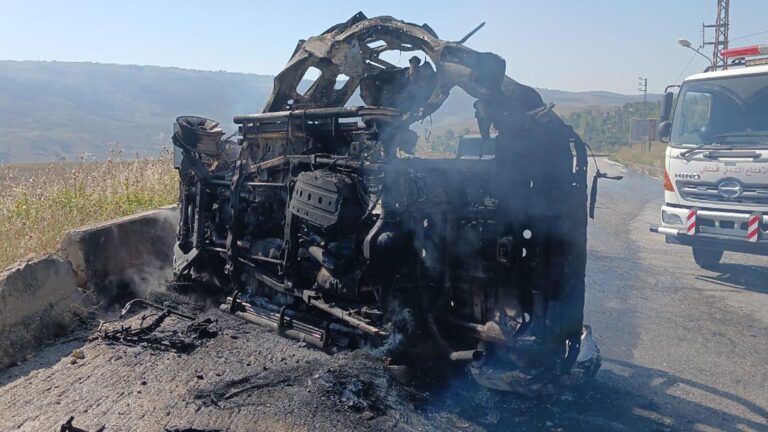
According to the Lebanese army, one strike targeted a vehicle traveling along the road connecting Nabatiyeh and Marjayoun, killing a brigadier general, a captain, and another soldier.
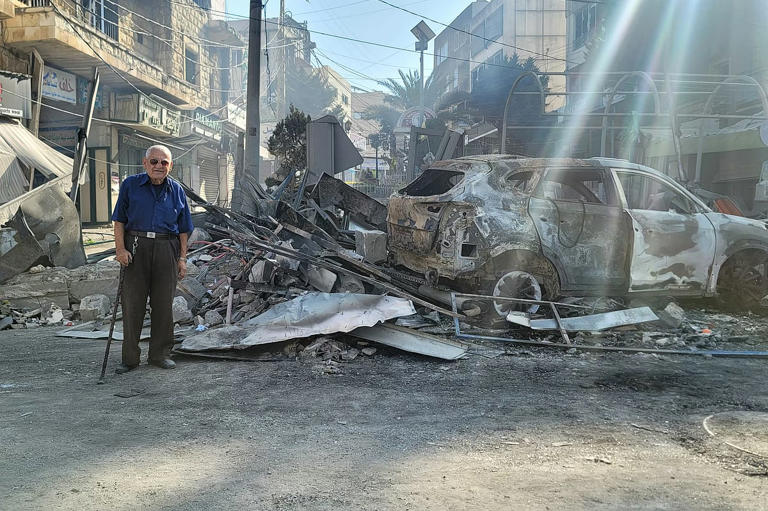
A separate strike hit the southern village of Saksakiyah, killing six civilians and wounding four others, according to Lebanon’s state-run National News Agency.
The attacks mark one of the deadliest incidents involving Lebanese military personnel since the latest ceasefire efforts began.
Lebanese Army Condemns Israeli Actions
Following the strikes, the Lebanese military issued a strongly worded statement accusing Israel of deliberately targeting Lebanon and undermining diplomatic efforts to restore stability.
“The continued, deliberate, and repeated Israeli aggression against Lebanon, its people and its army only strengthens our resolve, faith and determination,” the army said in its statement.
Military officials argued that the attacks threaten ongoing efforts aimed at securing a broader peace arrangement.
It said Israel’s attacks aim to thwart all efforts “to reach a solution that would restore stability, establish a comprehensive ceasefire and lead to the Israeli withdrawal from the occupied Lebanese territories.”
Israel Says Strike Is Under Review
The Israeli military confirmed carrying out the strike on the vehicle but stated that the circumstances remain under investigation.
According to Israeli officials, the vehicle was operating near the village of Kfar Tibnit and was considered suspicious.
The military said that it received “concrete indications” that Hezbollah fighters planned to direct fire toward Israeli soldiers operating in the area.
Israeli officials stressed that their operations are aimed at Hezbollah and not the Lebanese armed forces.
The statement added that the vehicle was “moving suspiciously” toward Israeli soldiers near the village of Kfar Tibnit.
Lebanese President Condemns Attack
Lebanese President Joseph Aoun sharply criticized the strike, describing it as a violation of both national sovereignty and international law.
“a flagrant violation to Lebanese sovereignty and international law.”
Aoun said the attack occurred amid Lebanese efforts to secure an end to Israeli military operations through negotiations taking place in Washington.
He said it came in the context of “ongoing escalation that threatens stability and security in the south (of Lebanon), despite the efforts Lebanon is exerting in the Washington negotiations to put an end to the ongoing Israeli attacks without deterrent.”
Ceasefire Faces New Challenges
The latest ceasefire agreement was reached through U.S.-mediated talks involving Israel and Lebanon’s government.
Lebanese authorities have argued that Hezbollah’s actions contributed to drawing the country into the conflict and have attempted to reduce the group’s military influence.
However, Hezbollah has refused to accept the ceasefire arrangement and continues to oppose the terms negotiated between Beirut and Jerusalem.
The renewed violence raises concerns that the already fragile agreement could unravel before it is fully implemented.
Lebanon and Iran Exchange Sharp Criticism
Diplomatic tensions also increased between Lebanon and Iran following public comments made by Lebanese leaders.
On Friday, President Aoun and Lebanon’s prime minister criticized Tehran for opposing the ceasefire agreement, arguing that Lebanon should not become a negotiating tool in discussions between Iran and the United States.
They said Lebanon should not be used as a “bargaining chip” in broader regional negotiations.
Iranian Foreign Minister Abbas Araghchi responded forcefully on social media.
“Had Lebanon been a bargaining chip for Iran, we’d have a deal long ago. Save Lebanon from your real foe, Mr. President,” Araghchi said in reference to Israel.
The exchange highlights growing strains between Lebanese officials and Tehran despite Iran’s longstanding support for Hezbollah.
Conflict Continues to Exact Heavy Toll
The current conflict began on March 2 after Hezbollah launched rockets into northern Israel shortly after Israeli and American military operations against Iran intensified.
Since then, Israel has expanded military operations deep into southern Lebanon, including a ground offensive that has displaced more than one million people.
Israeli forces now control approximately one-fifth of Lebanese territory, reaching areas farther south than at any point since the end of Israel’s occupation of southern Lebanon in 2000.
According to available figures, more than 3,500 people have been killed in Lebanon since the fighting began, while at least 29 Israeli soldiers and three civilians have also died.
Regional Stability Remains Uncertain
The latest strikes underscore the fragile nature of ceasefire efforts across the region.
With Hezbollah rejecting the agreement, Iran maintaining pressure in negotiations, and Israeli military operations continuing inside Lebanon, the prospects for a lasting settlement remain uncertain.
Diplomatic efforts led by Washington continue, but Saturday’s deadly strikes demonstrate how quickly tensions can reignite despite ongoing negotiations.





You must Register or Login to post a comment.